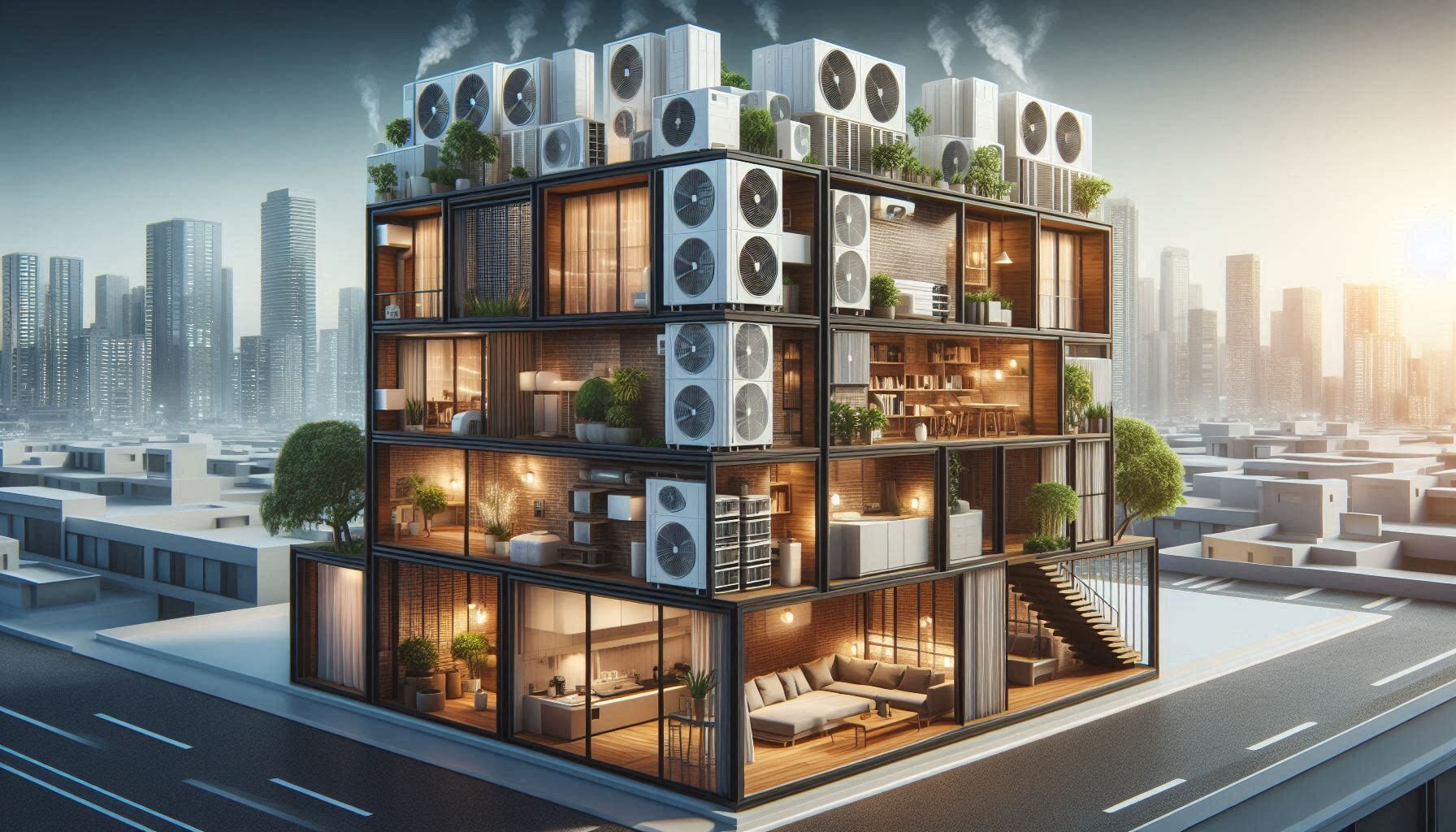
AC Comfort and Energy Costs: How Rising Heat Drives Usage

High energy consumption due to air conditioning during extreme heat.

As global temperatures rise, the demand for AC comfort has surged across homes, offices, and industries. In India, where summers regularly cross 45°C, air conditioning is no longer a luxury—it’s a necessity.

However, this growing reliance on cooling systems comes with a steep energy cost. According to the International Energy Agency (IEA), space cooling will account for 10% of global electricity use by 2050, up from just 3% today.

This trend raises an urgent question: How do we balance the need for comfort with sustainable energy use?

How AC Comfort Is Driving Up Electricity Prices

The widespread use of air conditioners directly impacts electricity demand—and prices. During peak summer months:

  • Power grids face heavy load stress.
  • Utilities may impose time-of-use pricing or peak-hour surcharges.
  • Consumers end up paying more per unit of electricity.

In cities like Delhi and Mumbai, households report a 40–60% increase in monthly bills during the summer season, largely due to extended AC usage.

The Growing Demand for AC Comfort: Energy Implications

India’s cooling demand is expected to grow 8x by 2050, according to the Bureau of Energy Efficiency (BEE). This surge affects not only residential users but also:

  • Commercial buildings: High-rise offices rely heavily on central AC systems.
  • Hospitals: Operation theatres require constant temperature and humidity control.
  • Data Centers: Cooling systems use up almost 40% of their total energy.

Without efficient systems in place, this growth could lead to unsustainable energy consumption and higher carbon emissions.

Balancing AC Comfort and Cost: What You Need to Know

Achieving AC comfort without breaking the bank requires smart strategies:

  • Install programmable thermostats to prevent overcooling empty spaces.
  • Set temperatures between 24–26°C—cooler settings drastically increase power consumption.
  • Invest in BEE 5-star rated ACs that offer better efficiency and lower long-term costs.

A Bengaluru-based IT firm reported a 25% reduction in cooling costs after retrofitting with variable-speed AC units and occupancy sensors.

The Impact of AC Comfort on Commercial Electricity Rates

For businesses, rising AC usage translates into increased operational expenses. Many commercial consumers in India are shifting to smart metering and demand-side management to monitor and control cooling loads effectively.

Key insights:

  • Time-based tariffs charge more for using excess power during peak hours.
  • Energy audits help identify inefficiencies in HVAC systems.
  • Demand response plans help businesses cut energy use when the grid is under pressure.

A Gurgaon mall cut its annual cooling bill by ₹18 lakh using AI-driven HVAC optimization tools.

Optimizing AC Comfort While Reducing Energy Expenses

Smart technologies are reshaping how we manage AC comfort:

  • Variable Refrigerant Flow (VRF) Systems: Offer zone-based cooling and can reduce energy use by up to 30%.
  • Building Automation Systems (BAS): Enable real-time monitoring and adjustment of indoor climate conditions.
  • Smart AC Controllers: Allow remote control via mobile apps, helping users manage usage even when away.

These innovations ensure comfort without waste, especially in large-scale applications like hospitals and data centers.

AC Comfort and Smart Meter Pricing: Managing Costs Efficiently

With the rollout of smart meters across Indian cities, consumers now have greater visibility into their energy use. These devices:

  • Track hourly consumption.
  • Provide alerts for excessive usage.
  • Help users shift AC operation to off-peak hours when electricity rates are lower.

For example, a Pune-based apartment complex reduced summer cooling costs by 22% by leveraging smart meter insights to adjust thermostat settings automatically.

Also Read | Energy Efficient AC Unit: How to Maintain To Run Efficiently During Hot Weather

Ducted vs. Split Systems: Which AC Comfort Option Saves More Energy?

Choosing the right system impacts both comfort and cost:

  • Split ACs: Best for single rooms; energy-efficient for localized cooling.
  • Ducted ACs: Ideal for whole-house or office cooling but tend to consume more energy if not properly zoned.

Pro tip: Use zoned ducted systems with smart controls to cool only occupied areas—this can save up to 25% in energy costs.

Also Read | Aircon Service Near Me: Comparing the Best Nearby Services

Future-Proofing AC Comfort: Sustainable Cooling Solutions

Sustainability must be at the heart of future cooling strategies:

  • Solar-powered AC systems: Especially viable in sun-rich regions like Rajasthan and Gujarat.
  • Green building certifications: LEED, IGBC, and ECBC encourage energy-efficient HVAC design.
  • Natural ventilation integration: Helps reduce reliance on mechanical cooling.

The goal is to provide AC comfort while minimizing environmental impact—a challenge that smart engineering and policy support can overcome.

Navigating AC Comfort Costs in a Warming Climate

As climate change intensifies, managing AC comfort will become increasingly complex. The key lies in adopting smarter, more efficient technologies today to ensure affordability and sustainability tomorrow.

Whether you’re a homeowner, facility manager, or business owner, understanding how AC usage impacts your energy bill is the first step toward smarter cooling.

About the Author
Mr. Om Prakash is a seasoned HVAC expert with over 18 years of experience in cleanroom, pharmaceutical, semiconductor, and data center HVAC systems. As the founder of HVAC Technocrat, he offers end-to-end consultancy and customized solutions across India. He simplifies complex HVAC concepts to help professionals and facility managers make informed decisions.

Connect with him on LinkedIn or visit www.hvactechnocrat.com for expert guidance.

Energy Savings with Multi Split AC: What You Need to Know

Multi-Split Condensing Units Overview

Efficient Multi Split AC Condensing Units provide advanced cooling solutions with multiple compressors and independent refrigerant circuits. Designed for various fan coil units, these units are factory-packaged for easy installation, featuring robust components like copper piping, brazed connections, and leak-tested refrigerant circuits. They include high-performance condenser coils, centrifugal blowers, and comprehensive safety controls for reliable operation. Ideal for diverse applications, they offer efficient cooling with minimal maintenance requirements.

Overview of Multi Split AC Condensing Units

The multi-split condensing units shall be with multiple compressors, each with its own independent refrigerant circuit couple with selected fan coil units (wall mounted, ceiling concealed, ceiling cassette or ceiling exposed type). Multi split units are completely factories packaged, wired and provided with shut off valves for convenient connection to the suitably selected direct expansion fan coil units. Each refrigerant circuit of this package shall be constructed using copper piping with brazed connections; joining compressor, condenser coil, filter drier, sight glass, thermo-expansion valve and evaporator cooling coil in a completely sealed loop. The refrigerant circuit shall also be factory leak tested, dehydrated, evacuated and pre-charged with R-22. The air-cooled condensing section shall consist of the compressor(s); condenser coil; centrifugal condenser fan(s) with motor and drive assembly, factory packaged switchboard, safety and operating controls.

The evaporator blower section shall consist of the direct driven centrifugal blower fan and motor assembly; direct expansion coil complete with thermo-expansion valve(s), remote controller and a filter frame for flat filters.

Air-Cooled Condensing Section

Casing

All steel parts shall be coated with epoxy-acrylic electro-deposition (ED) paint. Prior to ED coating, the part shall undergo a complete pre-treatment process, which involves de-greasing, phosphating and rinsing with de-ionized water.

Compressor(s)

Compressors shall be of sealed hermetic rotary, reciprocating or scroll type, with suction gas-cooled motor, internal suspension system to eliminate vibration, internal line or solid state protection and external crankcase heater. Unit shall have multiple compressors and each shall have its own independent refrigerant circuit and controls. Compressor shall also be pre-charged with oil.

Condenser Coil(s)

Each coil shall consist of staggered row of 3/8″ OD seamless copper tubes, mechanically expanded into die-formed corrugated hydrophilic coated aluminium fins. Each coil shall also be provided with integral sub cooling circuit. Coils shall be leak and pressure tested to 450 psig.

Condenser Blower(s)

The condenser fans shall be centrifugal types. Fan shall be statically and dynamically balanced and shall be mounted on a solid steel shaft running in self-aligning ball bearing, amply sized for quiet operation and long life. The condenser fan shall be driven directly by a resiliently mounted squirrel cage induction motor with adequate horsepower for the day.

Factory Packaged Switchboard

The multi-split condensing unit shall be completed with built-in factory wired starters for compressors, condenser fan motor, indicating lights, line fuses, isolator and interlocking points for fan motors of evaporator blower unit. Factory packaged starters for compressors shall be direct on line type.

Safety Controls

High pressure and low-pressure cutouts to guard against compressor damage due to high discharge head pressure and system leakage respectively shall be included. Crankcase heater for each compressor and anti-recycling timer shall also be provided.

Evaporator Blower Section

Evaporator Coil(s)

Each coil shall consist of staggered row of seamless copper tubes mechanically expanded into die-formed corrugated hydrophilic-coated alluminium fins, spaced 12 per inch. The direct expansion coil(s) shall have one or multiple independent refrigerant circuits each with its own thermo-expansion valve. Each coil shall be leak and pressure tested to 450 psig, evacuated and pre-charged with a small holding charge of R-22.

Blower

Centrifugal blower(s) of forward curved multi-blade type shall be fitted to the air conditioning unit. Blower shall be statically and dynamically balanced and shall be rust proofed. Blower shall be run on a common shaft mounted on self-aligning bearing. Bearings shall be sized for load imposed and shall be either permanently lubricated type or fitted with accessible greasing points.

Remote Controller

LCD wireless remote controller shell be operated in 3 operation modes (cool, dry and fan), fan speed control (Low/Med/High/Auto), 24 hours auto start/stop timer and clock, and on/off air swing control.

Pros & Cons

Pros:

Cons:

  • High initial cost
  • Potential coolant compatibility issues

FAQ

What types of fan coil units are suitable for multi-split condensing units?

Multi-split condensing units are suitable for wall-mounted, ceiling-concealed, ceiling cassette or ceiling exposed fan coil units.

How are refrigerant circuits of multi-split units constructed?

Refrigerant circuits are constructed using copper piping with brazed connections, including components such as compressors, condenser coils, filter driers, sight glasses, thermo-expansion valves, and evaporator cooling coils.

What safety features are included in multi-split condensing units?

They feature high-pressure and low-pressure cutouts, crankcase heaters and anti-recycling timers to ensure safe and efficient operation.

Conclusion

Efficient multi-split condensing units provide reliable cooling solutions for a wide variety of applications, combining advanced technology with robust construction. Despite their initial cost and potential challenges with refrigerant compatibility, they offer efficient performance and ease of installation, making them a preferred choice for a variety of refrigeration needs.