How to Optimize HVAC Systems for Cleanroom Pressure Control?

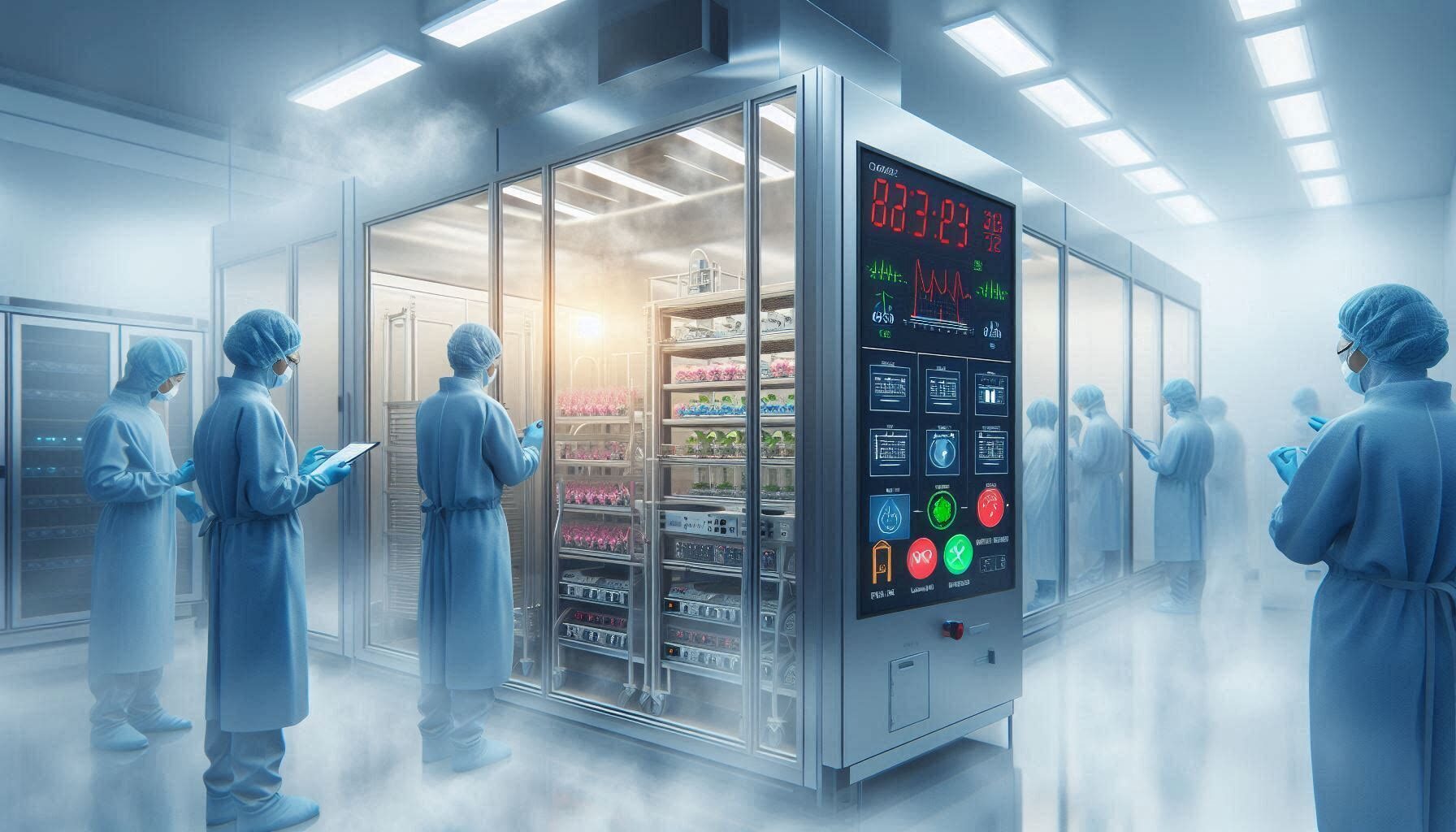
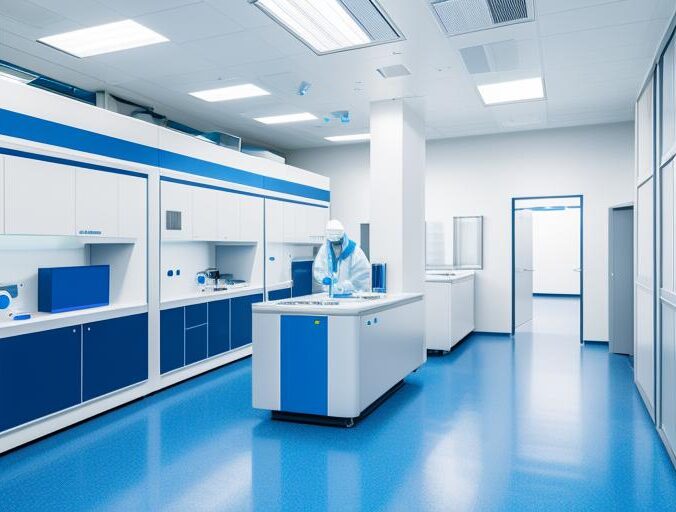
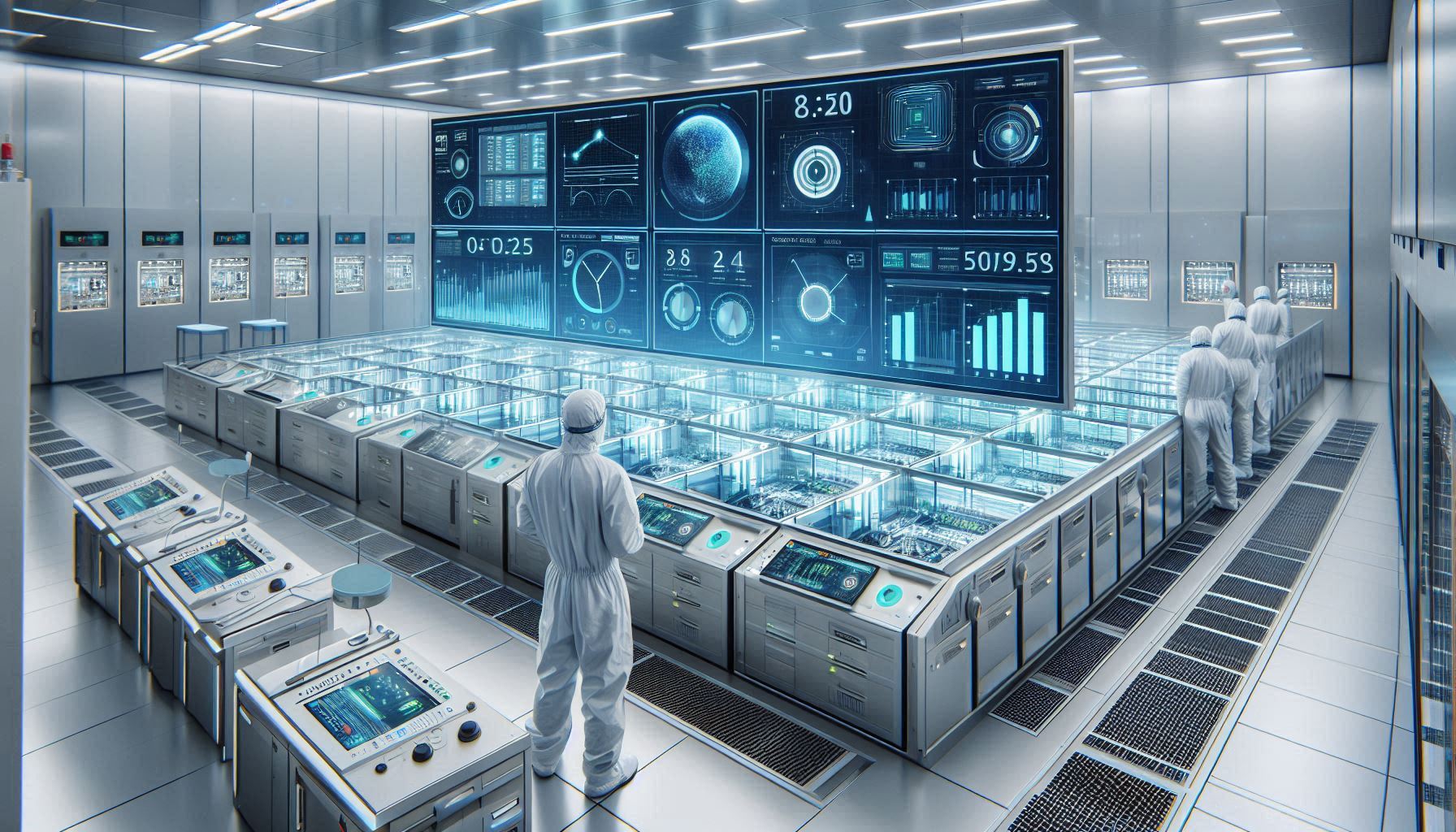
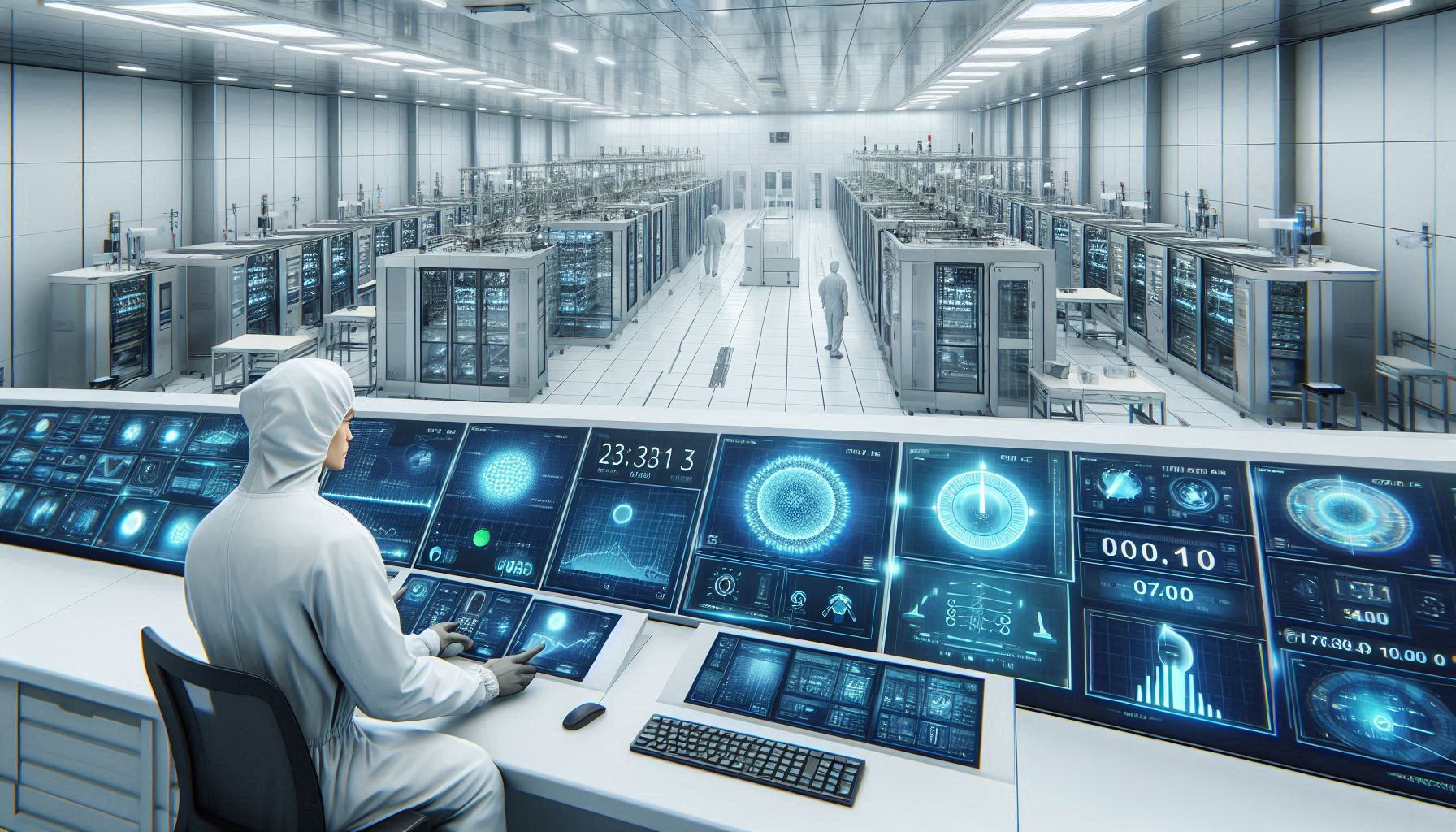
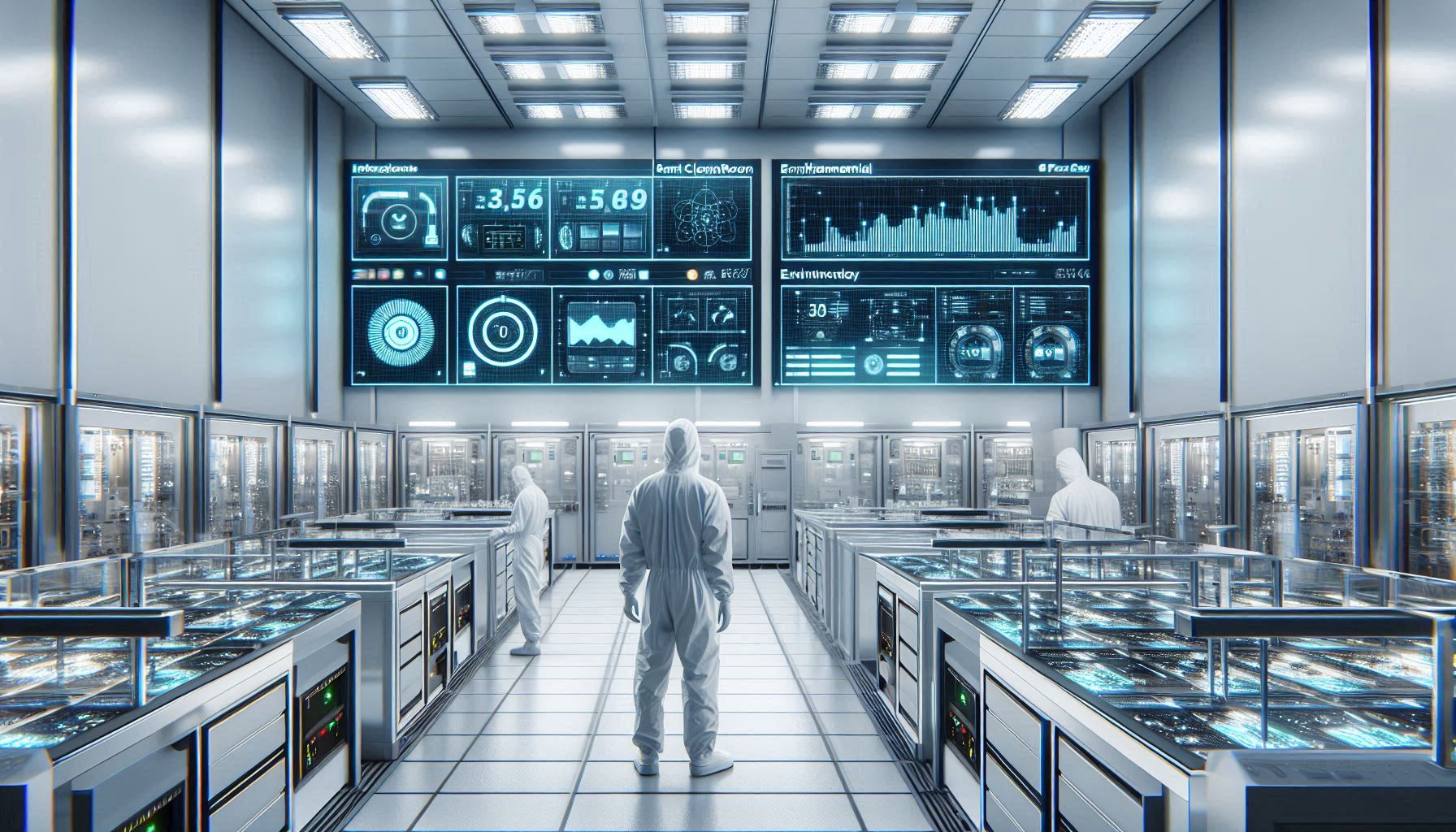
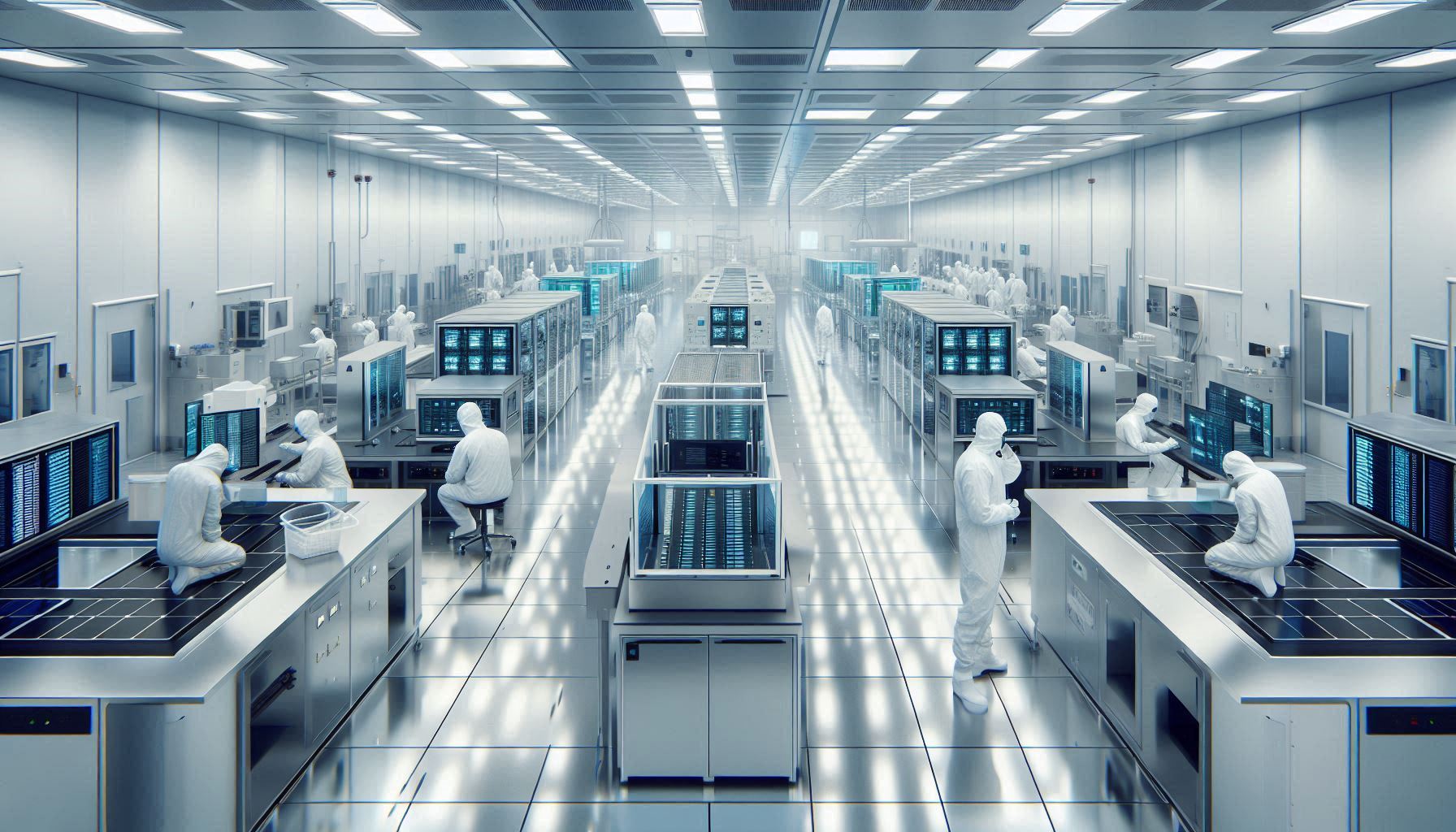
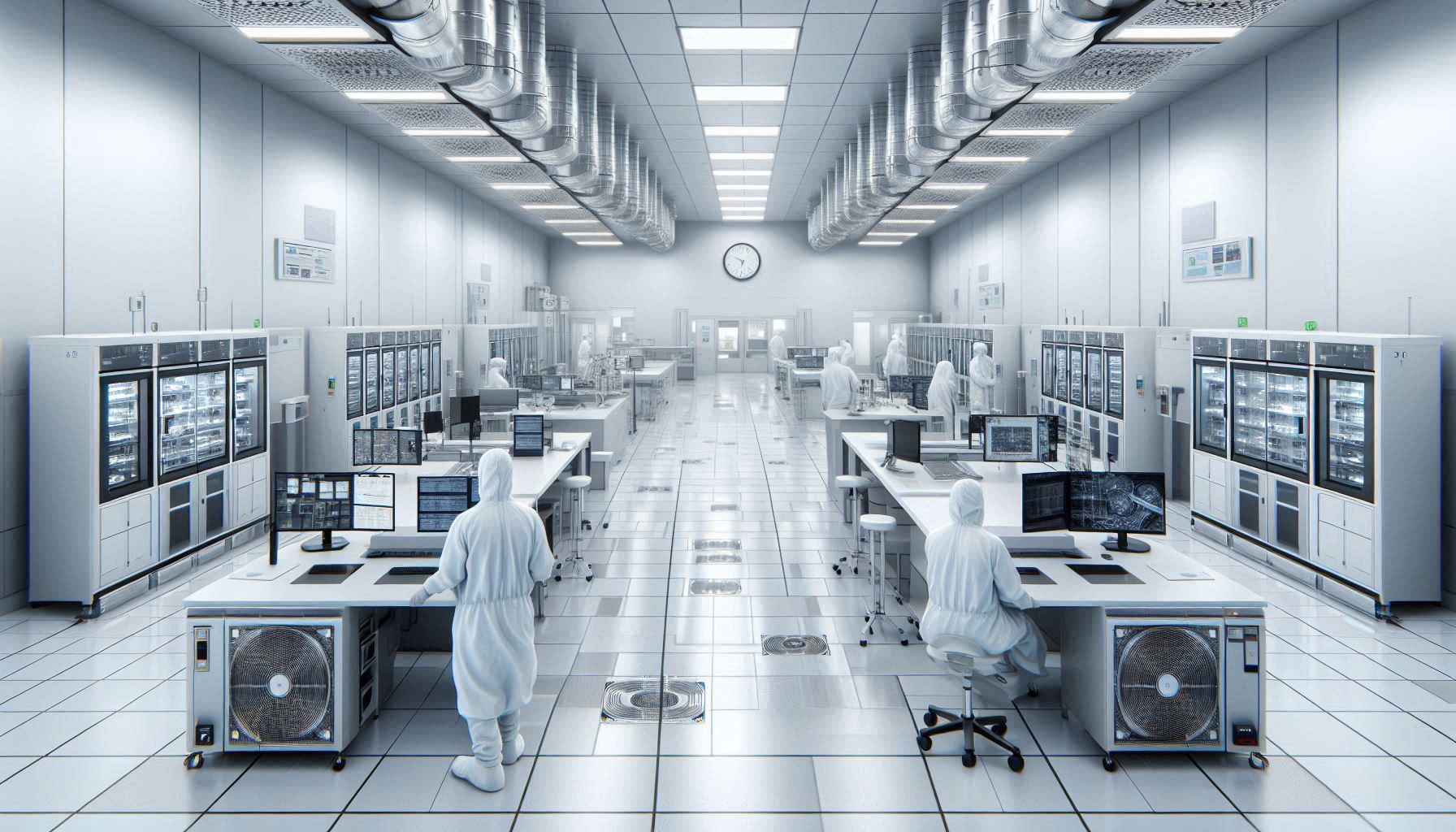
Diagram illustrating the optimization of HVAC systems for maintaining cleanroom pressure control.

Maintaining the integrity of cleanrooms is crucial in industries like pharmaceuticals, electronics, and biotechnology. The role of cleanroom pressure differential in HVAC systems is a fundamental aspect of ensuring this integrity. Understanding its significance helps in creating controlled environments that meet stringent cleanliness standards.

Ensuring proper air quality and contamination control in cleanrooms hinges on maintaining pressure differentials. By controlling the pressure, cleanrooms can effectively prevent the ingress of contaminants, thereby safeguarding sensitive processes and products.

The significance of pressure differential in cleanroom HVAC systems cannot be overstated. It forms the backbone of contamination control, ensuring that clean air is consistently maintained, and contaminants are kept at bay.

What Is Cleanroom Pressure Differential and Why Does It Matter?

Pressure differential refers to the difference in air pressure between adjacent areas within a cleanroom environment. This differential creates a directional airflow, preventing contaminated air from entering the cleanroom. By maintaining higher pressure in cleaner zones, contaminants are pushed towards areas of lower cleanliness, ensuring that the most critical areas remain uncontaminated.

How Does Pressure Differential Impact Cleanroom Performance?

The effectiveness of a cleanroom hinges on its ability to maintain a controlled environment. Pressure differential plays a pivotal role by creating barriers against contamination. It ensures that any potential contaminants are moved away from critical areas, maintaining the purity of the cleanroom environment.

Where Is Pressure Differential Most Critical in Cleanrooms?

Pressure differentials are particularly crucial at entry points, such as doors and pass-throughs. These areas are potential weak spots where contaminants can enter. By maintaining a pressure differential, cleanrooms can ensure that these points do not become sources of contamination, safeguarding the integrity of the clean environment.

When Should Pressure Differential Be Monitored?

Continuous monitoring of pressure differential is essential to maintaining a cleanroom’s integrity. Any fluctuations can compromise the controlled environment, allowing contaminants to enter. Regular monitoring ensures that the pressure differential is maintained, providing consistent protection against contamination.

Why Is Consistent Pressure Differential Vital?

Consistency in maintaining pressure differentials is key to ensuring the cleanroom remains uncontaminated. Any variation can lead to breaches, allowing contaminants to infiltrate. Consistent pressure differentials provide a stable barrier, protecting sensitive processes and products within the cleanroom.

What Are the Consequences of Improper Pressure Differential?

Failure to maintain proper pressure differentials can lead to significant contamination issues. Contaminants can enter critical areas, compromising product quality and safety. This can result in costly downtime, product recalls, and potential health risks, highlighting the importance of maintaining proper pressure differentials.

How Can Pressure Differential Be Effectively Managed?

Effective management of pressure differential involves the use of advanced HVAC systems equipped with sensors and controls. These systems monitor and adjust pressure levels in real-time, ensuring that the cleanroom environment remains stable and uncontaminated.

What Technologies Support Pressure Differential Management?

Modern HVAC systems incorporate various technologies to manage pressure differentials. These include sensors, control systems, and feedback mechanisms that work together to maintain the desired pressure levels. These technologies ensure that cleanrooms remain effective in preventing contamination.

Why Is Training Important in Managing Pressure Differential?

Proper training for personnel is crucial in managing pressure differentials. Staff need to understand the importance of maintaining these differentials and how to operate and monitor the HVAC systems effectively. Training ensures that everyone is aware of their role in protecting the cleanroom environment.

What Are Bubble, Sink, and Cascade Pressure Differentials?

Different strategies for maintaining pressure differentials in cleanrooms include bubble, sink, and cascade setups:

  • Bubble Pressure Differential: The cleanroom is kept at a higher pressure than adjacent areas, creating a “bubble” that prevents contaminants from entering. For example, if a cleanroom is at +10 Pa relative to surrounding areas, it pushes air out, keeping contaminants at bay.

  • Sink Pressure Differential: The cleanroom is kept at a lower pressure than adjacent areas, causing contaminants to be drawn into the cleaner area from surrounding spaces. For example, a room maintained at -10 Pa relative to adjacent spaces will pull air in, ensuring contaminants are trapped.

  • Cascade Pressure Differential: This setup involves multiple rooms with progressively lower or higher pressure, creating a gradient that controls the flow of contaminants. For instance, a sequence of rooms at +20 Pa, +10 Pa, and 0 Pa ensures contaminants are pushed through a controlled path.

  • Examples of Pressure Differential Values

    Typical pressure differential values in cleanrooms vary depending on their classification:

  • ISO Class 5: +15 to +20 Pa

  • ISO Class 7: +10 to +15 Pa

  • ISO Class 8: +5 to +10 Pa

  • These values are critical to maintaining the cleanroom’s integrity and preventing contamination.

    What Standards Govern Pressure Differential in Cleanrooms?

    Several industry standards govern the maintenance of pressure differentials in cleanrooms. These include ISO 14644 and the US Federal Standard 209E. Additionally, pressure differentials can vary based on the classification of the cleanroom. Higher-class cleanrooms require stricter pressure controls to maintain their integrity. Adhering to these standards ensures that cleanrooms meet the required levels of cleanliness and contamination control.

    Pros and Cons of Maintaining Pressure Differential in Cleanrooms

    Pros:

  • Ensures contamination control

  • Protects product quality and safety

  • Enhances operational efficiency

  • Complies with industry standards

  • Cons:

  • Requires continuous monitoring and maintenance

  • Can be cost-intensive to implement and maintain

  • Needs specialized training for personnel

  • Codes and Standards Governing Pressure Differential

    Maintaining pressure differential in cleanrooms is governed by stringent codes and standards. Key standards include ISO 14644, which outlines the requirements for cleanroom classifications, which sets the criteria for cleanroom contamination control. These standards dictate the pressure differentials required based on cleanroom classifications, ensuring each area maintains its integrity. Adherence to these standards is crucial for ensuring the effectiveness of pressure differentials in maintaining cleanroom integrity.

    FAQ

    What is the purpose of pressure differential in cleanrooms?

    Pressure differential prevents contaminants from entering critical clean areas.

    How is pressure differential maintained in cleanrooms?

    Using advanced HVAC systems with real-time monitoring and adjustments.

    Why is continuous monitoring of pressure differential important?

    It ensures consistent contamination control and cleanroom integrity.

    What standards regulate pressure differentials in cleanrooms?

    ISO 14644 and US Federal Standard 209E are key standards.

    Can pressure differential affect cleanroom performance?

    Yes, improper pressure differentials can lead to contamination and compromised performance.

    Conclusion

    Maintaining proper pressure differential is critical in cleanroom HVAC systems. It ensures effective contamination control, protecting sensitive processes and products. By adhering to industry standards and employing advanced technologies, cleanrooms can achieve and maintain the necessary pressure differentials. This, in turn, guarantees the integrity and effectiveness of the cleanroom environment, ensuring the highest levels of cleanliness and safety.

    About The Author

    Omprakash Ramagiri; as the Founder of HVAC Technocrats, I bring over 18 years of experience as a Mechanical Engineer specializing in HVAC (Central Air-conditioning) for commercial, cleanrooms, data centers, and Petrochemical industries. Throughout my career, I’ve held pivotal roles at companies like TATA Consulting Engineers, MW Zander (for Cleanroom solutions), Bluestar Malaysia, and ETA in Dubai. I’ve managed international HVAC projects and gained valuable exposure in dynamic markets like Dubai and Saudi Arabia. With a passion for excellence and a commitment to innovative solutions, I specialize in designing Class 10K & 100K Cleanrooms for various industries. Connect with me to explore collaborations in HVAC design, project sales, and consultancy. Click to visit the Author’s Linkedin page


    Disclaimer: The pictures used are for illustrative purposes only. They may not depict actual products or situations and are meant for educational purposes. Actual products, situations, or outcomes may differ.

    What Makes Precision AC the Best Choice for Data Center?

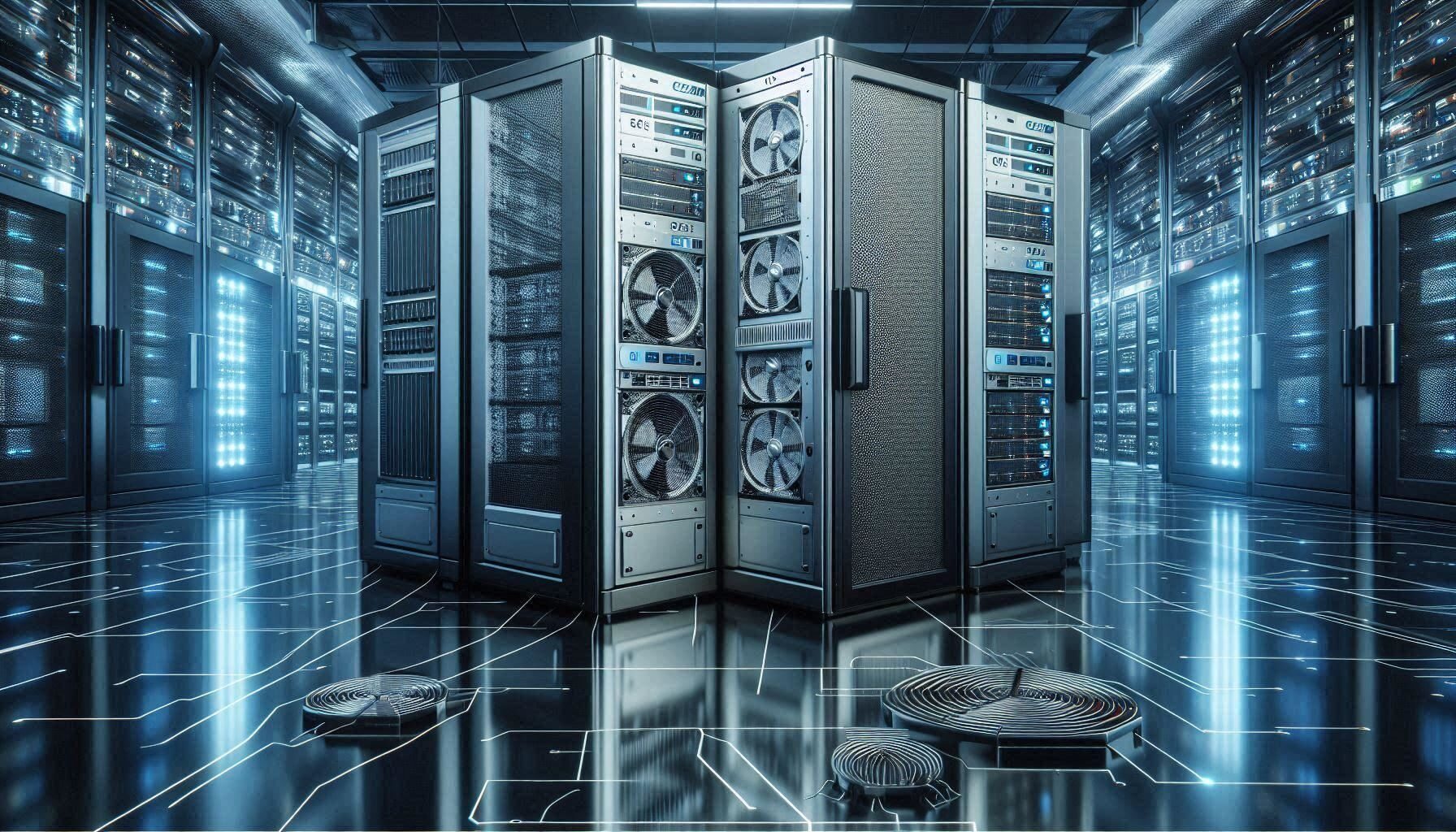
    Diagram of a precision AC system highlighting its benefits for data centers.

    Precision AC units are required to maintain optimal environmental conditions in critical settings such as data centers and laboratories. These units provide precise Temperature Control , Humidity Control , and air quality, ensuring reliable performance and longevity of sensitive equipment. Understanding the key features of precision air conditioning units is crucial for businesses aiming to improve operational efficiency and reduce downtime due to environmental fluctuations

    Data Center Precision AC Units Key Features

    Precision AC units represent a unique category in the HVAC industry that is specifically designed to provide precise and consistent environmental control. In environments where even slight fluctuations in temperature or humidity can lead to equipment failures or compromised processes, these units serve as indispensable assets. They are engineered to handle conditions within the tightest tolerance levels, ensuring consistent performance and reliability for sensitive electronic equipment and high-precision manufacturing processes.

    Variable Speed Technology for Precision AC

    Variable speed technology is a unique feature of precision AC units. These units dynamically adjust cooling capacity based on real-time environmental conditions and load demands. By operating at optimal speeds rather than fixed settings, variable speed compressors and fans increase energy efficiency and reduce operational costs over time. This feature is particularly beneficial in environments with fluctuating cooling requirements, ensuring precise temperature control while reducing energy consumption and operational costs.

    High Sensitivity Temperature and Humidity Control in Precision AC

    Precision AC units excel in maintaining extremely fine control over temperature and humidity levels. Equipped with advanced sensors and controllers, these units continuously monitor and adjust environmental conditions to exact tolerances. This capability is critical for environments where stability is critical, such as server rooms, clean rooms, and research laboratories. By maintaining optimal conditions, precision air conditioning units protect the integrity and reliability of sensitive equipment, ensuring uninterrupted operation and reducing the risk of costly downtime.

    Redundancy and Fault Tolerance System in Precision AC

    Reliability is a cornerstone feature of precision AC units, highlighted by their built-in redundancy and fault tolerance mechanisms. Designed with duplicate components and fail-safe systems, these units can continue to operate smoothly even if a component or subsystem fails. Redundancy ensures continuity of cooling operations in critical environments, reducing the risk of equipment overheating or failure due to unexpected technical problems. This feature is essential for businesses and organizations that cannot afford disruptions to their operations due to environmental control failures.

    Advanced Air Filtration and Purification

    Precision AC units contribute significantly to indoor air quality management. Equipped with advanced filtration systems, these units effectively capture and remove airborne particles, dust, allergens, and pollutants. By improving indoor air quality, precision air conditioning units not only protect sensitive equipment from dust but also create a healthier and more comfortable environment for occupants. This feature is particularly beneficial in settings where maintaining clean air is critical, such as medical facilities, research laboratories, and manufacturing clean rooms.

    Beauty of Precision AC for Scalability and Modular Design

    Scalability is a key benefit that precision air conditioning units offer. Designed with modular components, these units facilitate easy customization and expansion to suit cooling needs. The modular design allows businesses and organizations to efficiently scale their cooling infrastructure without extensive retrofitting or disruption to operations. Expanding capacity to accommodate growth or technological advancements, precision air conditioning units offer flexibility and future-proofing capabilities, ensuring long-term operational efficiency and reliability.

    Precision AC having in-built Remote Monitoring and Control

    Remote monitoring and control capabilities are an integral part of modern precision air conditioning systems. Advanced monitoring systems enable facility managers and technicians to remotely monitor operational parameters and make real-time adjustments as needed. This capability improves proactive maintenance practices and troubleshooting, enabling potential problems to be addressed before they affect operations. Remote monitoring not only improves operational efficiency by reducing on-site interventions but also ensures continuous optimization of cooling performance, contributing to overall energy savings and environmental sustainability.

    Precision AC are Energy Efficienct

    Energy efficiency is a primary consideration in the design and operation of precision air conditioning units. These units feature innovative technologies such as electronically commutated (EC) fans and inverter-driven compressors that optimize energy consumption based on actual cooling demands. By reducing energy consumption during periods of low cooling demand and operating at maximum efficiency during periods of high demand, precision air conditioning units help organizations reduce their carbon footprint and reduce overall operating costs. Energy-efficient design supports sustainability goals and regulatory compliance in various industries, ensuring environmental responsibility while maintaining operational excellence.

    Low Noise Operation

    Precision air conditioning units are designed for quiet operation, making them suitable for noise-sensitive environments such as offices, hospitals, and research facilities. Advanced sound-dampening technologies and optimized fan designs ensure minimal noise levels during operation, creating a comfortable and productive indoor environment for occupants. Low noise operation is critical in environments that require concentration, communication, and patient care, allowing businesses and organizations to operate optimally without interruptions or distractions.

    Conforming to Industry Standards

    Adherence to industry standards and certifications is vital to ensure the quality and reliability of precision air conditioning units. These units undergo rigorous testing and meet standards set by organizations such as ASHRAE, ensuring performance excellence, energy efficiency, and environmental responsibility. Compliance with industry standards provides assurance to businesses and organizations investing in precision air conditioning systems, verifying their ability to effectively meet operational requirements and regulatory obligations.

    User-Friendly Interface

    User-friendly interfaces improve the usability and accessibility of precision air conditioning units. Equipped with intuitive controls and interfaces, these units simplify system management and operation for facility managers and operators. Features such as touchscreen displays, intuitive menus, and remote accessibility enable easy navigation, monitoring, and adjustment of operational settings. User-friendly interfaces empower users to optimize cooling performance, respond instantly to changing environmental conditions, and ensure seamless integration into facility management practices.

    Codes & Standards

    Precision air conditioning units adhere to strict industry standards and certifications to ensure performance, reliability, and safety in critical environments. Compliance with these standards is critical for businesses and organizations that want to maintain optimal conditions and operational continuity. The main criteria that precision air conditioning units usually meet are:

    • ASHRAE Standards: Developed by the American Society of Heating, Refrigerating and Air-Conditioning Engineers, ASHRAE standards define best practices for HVAC design, operation, and maintenance. Compliance ensures that units meet efficiency and performance standards to suit various applications.
    • ISO 14644 (Cleanrooms and associated controlled environments): This international standard specifies cleanliness levels for cleanrooms and controlled environments. Precision air conditioning units designed for cleanroom applications adhere to these standards to maintain specified air quality and cleanliness.
    • UL Certification: Offered by Underwriters Laboratories, UL certification certifies product safety and compliance with industry-specific standards. Precision air conditioning units with UL certification meet strict safety requirements, ensuring reliability and operational safety.
    • EU directives (CE marking): In Europe, precision air conditioning units must comply with the applicable EU directives and bear the CE marking. This marking indicates compliance with health, safety, and environmental protection standards, allowing units to be sold in the European Economic Area.
    • NEBS (Network Equipment Building System): NEBS standards are specific to telecommunication equipment and define environmental and durability requirements. Precision air conditioning units deployed in telecommunication facilities meet NEBS standards to ensure robust performance and reliability in telecommunication environments.
    • Energy Star: Units bearing the Energy Star label meet energy efficiency guidelines set by the Environmental Protection Agency (EPA) in the United States. ENERGY STAR-certified precision air conditioning units use less energy, reduce greenhouse gas emissions, and have lower operating costs compared to standard models.

    Pros & Cons

    Advantages:

    • Accurate Temperature Control and Humidity Control

    • Energy-efficient operation with variable speed technology

    • High reliability and fault tolerance with redundancy

    • Advanced air filtration and purification for improved indoor air quality

    • Scalable design allows for easy expansion and customization

    • Remote monitoring and control capabilities improve operational efficiency

    • Low noise operation suitable for noise-sensitive environments

    • Ensures quality and reliability in accordance with industry standards

    • User-friendly interface facilitates maintenance and operation

    Disadvantages:

    • Higher initial investment compared to standard HVAC systems

    • Requires specialized management and technical expertise

    FAQ

    What makes precision AC units different from regular HVAC systems?

    Precision air conditioning units provide precise control of temperature, humidity, and air quality, suitable for sensitive environments such as data centers and laboratories.

    How do precision AC units contribute to energy efficiency?

    They employ advanced technologies such as variable speed compressors and EC fans to optimize energy consumption based on real-time demands.

    What are the primary applications of precision AC units?

    They are used in critical environments that require stable conditions, including server rooms, clean rooms, and medical facilities.

    How important is redundancy in precision AC units?

    Redundancy ensures continued operation even if a component fails, reducing downtime and preserving equipment reliability.

    Are precision air conditioning units suitable for noise-sensitive environments?

    Yes, they are designed for low noise operation, making them ideal for environments where noise levels need to be reduced.

    Conclusion

    Precision AC units play a vital role in maintaining stable and controlled environmental conditions in critical settings such as data centers, laboratories, and clean rooms. Their advanced features including variable speed technology, high sensitivity temperature control, redundancy, advanced filtration, scalability, remote monitoring, energy efficiency, low noise operation, conformance to industry standards, and user-friendly interfaces ensure reliability, efficiency, and stability. Understanding these key attributes empowers organizations to make informed decisions that enhance operational efficiency, equipment reliability, and environmental stewardship across their facilities.

    About The Author

    Omprakash Ramagiri; as the Founder of HVAC Technocrats, I bring over 18 years of experience as a Mechanical Engineer specializing in HVAC (Central Air-conditioning) for commercial, cleanrooms, data centers, and Petrochemical industries. Throughout my career, I’ve held pivotal roles at companies like TATA Consulting Engineers, MW Zander (for Cleanroom solutions), Bluestar Malaysia, and ETA in Dubai. I’ve managed international HVAC projects and gained valuable exposure in dynamic markets like Dubai and Saudi Arabia. With a passion for excellence and a commitment to innovative solutions, I specialize in designing Class 10K & 100K Cleanrooms for various industries. Connect with me to explore collaborations in HVAC design, project sales, and consultancy. Click to visit the Author’s Linkedin page


    Disclaimer: The pictures used are for illustrative purposes only. They may not depict actual products or situations and are meant for educational purposes. Actual products, situations, or outcomes may differ.

    Petrochemical: When to Perform Energy Audits for HVAC Systems

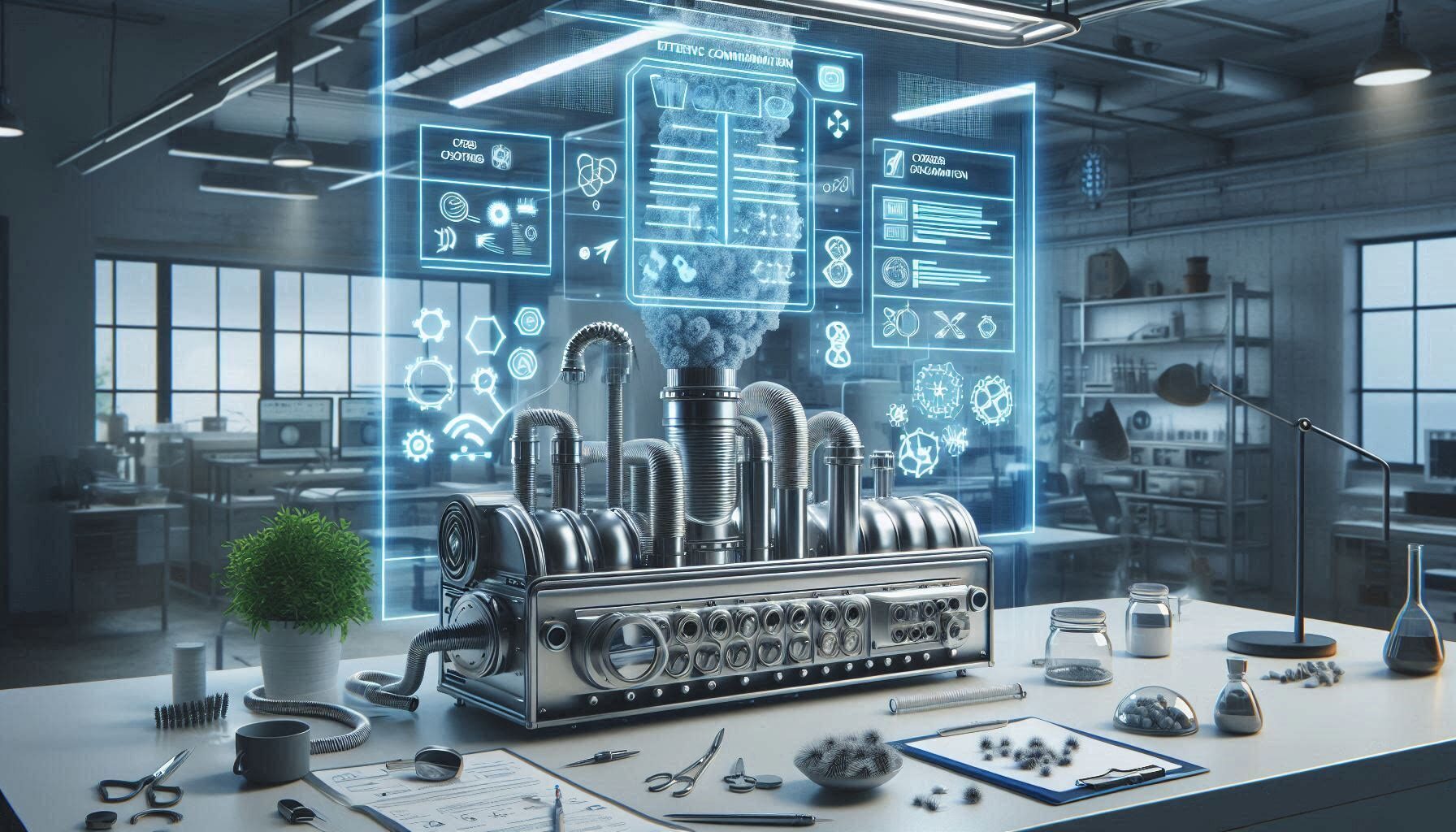
    Diagram illustrating energy audits for HVAC systems in petrochemical facilities.

    Understanding when to perform energy audits for Petrochemical HVAC systems is critical to optimizing energy efficiency, reducing operating costs, and ensuring environmental friendliness. This article examines the timing of these audits, their benefits, and best practices for implementation in the petrochemical industry.

    Conducting Energy Audits for Petrochemical HVAC Systems

    Performing energy audits for petrochemical HVAC systems is essential to maintaining optimal energy efficiency and reducing operating costs. Regular audits help identify areas of energy waste and recommend improvements to improve system performance. This article explores the best time to perform these audits and provides information on the benefits and methodology involved.

    What is energy audit in Petrochemical for HVAC system?

    An energy audit on an HVAC system is a thorough investigation of the system’s energy consumption and efficiency. It involves assessing current energy consumption, identifying inefficiencies, and recommending improvements. These audits help identify areas where energy savings can be achieved, ensuring that the HVAC system is operating at its maximum efficiency.

    What is the role of an energy audit in petrochemical HVAC systems?

    The primary role of an energy audit in petrochemical HVAC systems is to improve energy efficiency and reduce operating costs. These audits identify inefficiencies and suggest actions to improve system performance. They also help maintain compliance with environmental regulations and industry standards, ensuring sustainable and cost-effective operations.

    Why perform an energy audit on petrochemical HVAC systems?

    Performing an energy audit on petrochemical HVAC systems is important for several reasons:

  • Energy efficiency: Identifying and resolving energy waste.
  • Cost reduction: Helps reduce operating costs by optimizing energy consumption.
  • Compliance: Ensures compliance with environmental regulations and industry standards.
  • System longevity: Extends the lifespan of the HVAC system while maintaining optimal performance.
  • Sustainability: Promotes sustainable practices by reducing the carbon footprint.
  • Where to apply an energy audit in a petrochemical HVAC system?

    Energy audits should be applied to various aspects of petrochemical HVAC systems, including:

  • Air handling units: Assessing the efficiency of air handling units and their components.
  • Ventilation systems: Evaluating the performance of ventilation systems to ensure proper air flow.
  • Cooling towers: Checking the efficiency and condition of cooling towers.
  • Piping and ductwork: Inspecting piping and ductwork for leaks and insulation problems.
  • Control systems: Analyzing the effectiveness of control systems in managing energy consumption.
  • How to conduct an effective energy audit?

    Effective energy audits in petrochemical HVAC systems can be achieved through several strategies:

  • Regular monitoring: Continuous monitoring of energy consumption to identify trends and anomalies.
  • Detailed inspection: Comprehensive inspection of all HVAC components to assess their condition and performance.
  • Data analysis: Analyzing energy consumption data to identify inefficiencies and recommend improvements.
  • Staff training: Staff training on best practices for energy management and system maintenance.
  • Advanced instrumentation: Using advanced instrumentation and techniques for accurate measurements and analysis.
  • What are the latest techniques in energy audits?

    Latest techniques in energy audits for petrochemical HVAC systems:

  • Real-time monitoring system: Provide continuous data on energy consumption and system performance.
  • Advanced sensors: High efficiency sensors for accurate measurement of energy consumption.
  • Thermal Imaging: Detects areas of energy loss through thermal imaging.
  • AI and Machine Learning: AI-powered tools for predictive maintenance and energy optimization.
  • Smart Meter: Advanced metering system for accurate energy consumption tracking.
  • What are the advantages and disadvantages of an energy audit?

    Benefits:

  • Improved Efficiency: Improves the overall efficiency of the HVAC system.
  • Cost savings: Reduces operating costs through energy optimization.
  • Compliance: Ensures compliance with regulations and standards.
  • Sustainability: Promotes sustainable energy practices.
  • System Longevity: Extends the lifespan of the HVAC system.
  • Disadvantages:

  • Initial cost: Energy audit is expensive in the beginning.
  • Maintenance: Continuous maintenance and monitoring is required for continuous benefit.
  • Complexity: Implementation of recommended actions is complex and time consuming.
  • What Are the Key Components of an Energy Audit?

    An energy audit includes several key components:

  • Pre-audit preparation: Collect relevant data for the audit and determine the objective.
  • Site Inspection: Physical examination of the HVAC system and its components.
  • Data collection: Measure energy consumption and performance metrics.
  • Analysis: Identifying inefficiencies and possible improvements.
  • Reporting: Documenting findings and recommendations for energy savings.
  • How to prepare for an energy audit?

    Preparation is key to an effective energy audit. The steps include:

  • Data collection: Historical energy consumption data and system documentation are collected.
  • Team Coordination: Assembling a team of experts to conduct the audit.
  • Objective Determination: Defining the objectives and scope of the audit.
  • Scheduling: Planning the audit to minimize disruptions to operations.
  • Communication: Informing stakeholders about the audit process and expected results.
  • What are best practices for energy audits?

    Best practices for conducting an energy audit:

  • Comprehensive evaluation: Ensure that all components of the HVAC system are thoroughly checked.
  • Stakeholder Participation: Involving all relevant stakeholders in the audit process.
  • Detailed Documentation: Keeping a detailed record of findings and recommendations.
  • Follow-up: Implement recommended actions and monitor their effectiveness.
  • Continuous improvement: Regular review and updating of energy management practices.
  • How often should an energy audit be done?

    Energy audits should be conducted regularly to ensure ongoing efficiency and compliance. The best practice suggests:

  • Annual Audit: Conduct a comprehensive audit at least once a year.
  • Interim Review: Interim reviews quarterly or semi-annually.
  • Event-Driven Audit: Schedule an audit after a significant change or upgrade to the HVAC system.
  • What are the costs associated with energy audits?

    The costs associated with energy audits can vary based on a number of factors, including:

  • Scope of Audit: A more extensive audit may require more investment.
  • Size of facility: Larger facilities generally cost more.
  • Complexity of systems: Complex HVAC systems may require specialized expertise and equipment.
  • Implementation of Recommendations: Costs may also include investments in recommended improvements and upgrades.
  • How to measure the success of an energy audit?

    The effectiveness of an energy audit can be evaluated by:

  • Energy saving: Quantitative reduction in energy consumption.
  • Cost savings: Reduction in operating cost as a result of better efficiency.
  • Compliance: Adherence to environmental regulations and industry standards.
  • System performance: Better performance and longevity of the HVAC system.
  • Sustainability target: progress towards sustainability and carbon reduction targets.
  • FAQ

    What is the purpose of an energy audit in petrochemical HVAC systems?

    The primary purpose of an energy audit in petrochemical HVAC systems is to identify and resolve energy inefficiencies. These audits help reduce operating costs, ensure compliance with environmental regulations, and promote sustainable practices.

    How can energy audits improve the efficiency of HVAC systems?

    Energy audits improve the efficiency of HVAC systems by identifying areas of energy waste and recommending actions to optimize energy use. This includes upgrading components, improving maintenance practices, and implementing advanced control systems.

    What are the common methods used in energy audits for HVAC systems?

    Common methods used in energy audits for HVAC systems include real-time monitoring, thermal imaging, data analysis, and detailed inspections. These techniques help identify inefficiencies and recommend improvements.

    Why is continuous monitoring important in energy audits?

    Continuous monitoring is crucial in energy audits as it provides real-time data on energy consumption and system performance. This enables early detection of inefficiencies and timely implementation of corrective actions.

    What are the challenges in conducting energy audits for petrochemical HVAC systems?

    Challenges in conducting energy audits for petrochemical HVAC systems include high initial costs, complexity in implementing recommended measures, and the need for continuous maintenance and monitoring. Despite these challenges, the benefits of improved efficiency, cost savings, and compliance make energy audits imperative.

    Conclusion

    Conducting energy audits for petrochemical HVAC systems is essential to maintain optimal efficiency and reduce operational costs. These audits help identify inefficiencies, ensure compliance with regulations, and promote sustainable practices. By implementing effective energy audit strategies, industries can improve the performance and longevity of their HVAC systems, ultimately resulting in cost savings and improved operational efficiency.

    About The Author

    Omprakash Ramagiri; as the Founder of HVAC Technocrats, I bring over 18 years of experience as a Mechanical Engineer specializing in HVAC (Central Air-conditioning) for commercial, cleanrooms, data centers, and Petrochemical industries. Throughout my career, I’ve held pivotal roles at companies like TATA Consulting Engineers, MW Zander (for Cleanroom solutions), Bluestar Malaysia, and ETA in Dubai. I’ve managed international HVAC projects and gained valuable exposure in dynamic markets like Dubai and Saudi Arabia. With a passion for excellence and a commitment to innovative solutions, I specialize in designing Class 10K & 100K Cleanrooms for various industries. Connect with me to explore collaborations in HVAC design, project sales, and consultancy. Click to visit the Author’s Linkedin page


    Disclaimer: The pictures used are for illustrative purposes only. They may not depict actual products or situations and are meant for educational purposes. Actual products, situations, or outcomes may differ.

    Cleanroom: What Are the Best Practices for Particle Control?

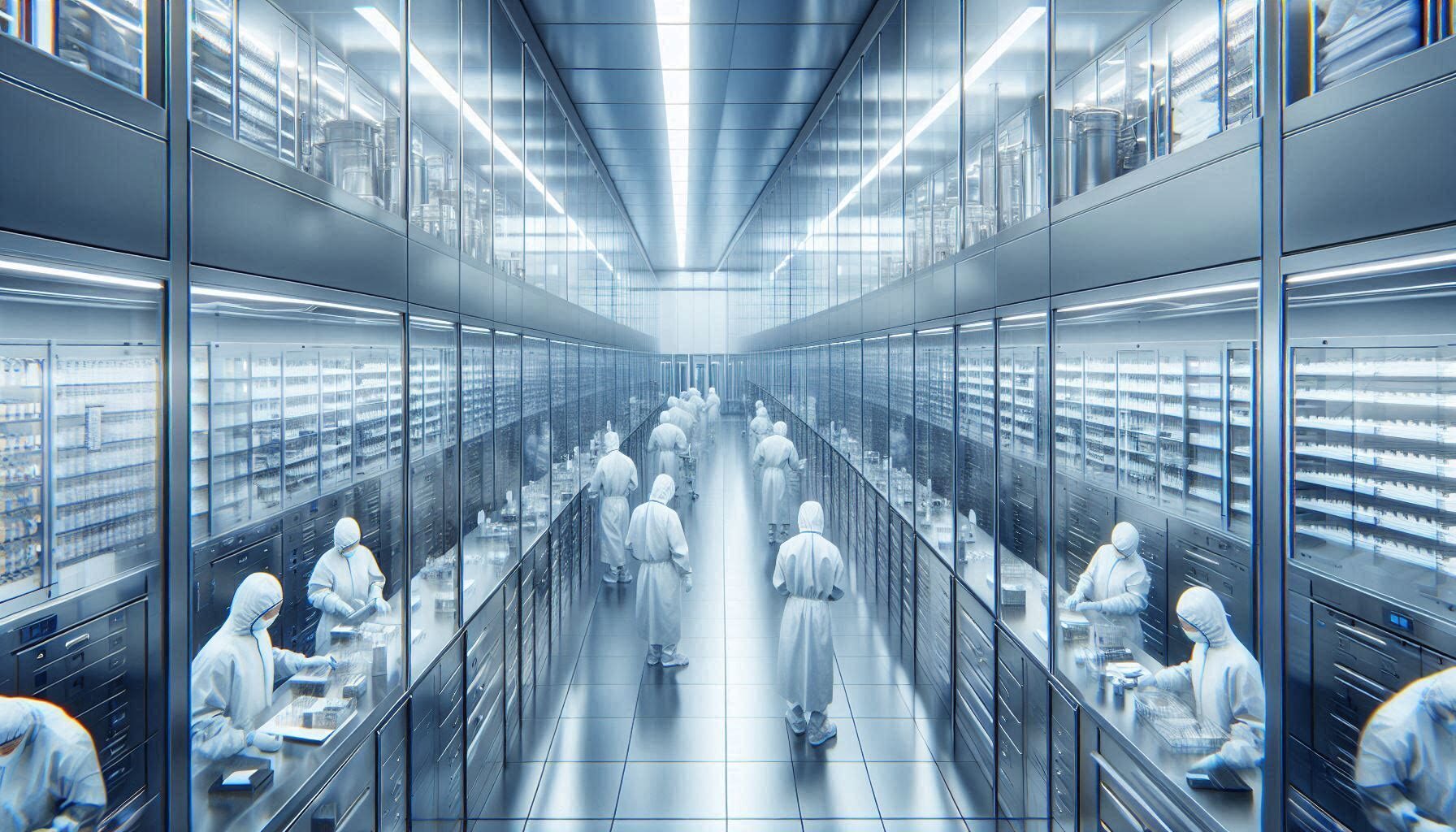
    Diagram illustrating best practices for cleanroom particle control in pharmaceutical and semiconductor industries.

    It is important to understand the importance of cell control in the cleanroom environment to maintain hygiene and ensure the quality of the product. This article analyzes how effective cell control measures can improve cleanroom capacity, prevent pollution and work to meet industry standards.

    Importance of Particle Control for Cleanroom Capacity

    Cleanrooms are special atmosphere, where cell control is important to maintain high levels of hygiene. By implementing stringent cell control measures, industries can ensure their procedures and integrity of products, which will eventually meet better operating efficiency and strict standards.

    What is partial control in cleanroom?

    Cleanrooms include maintenance and decrease of air and surface cells to maintain hygiene levels specified in cell control. It is obtained through various methods, including filtration systems, air flow control and strict procedural protocols. Effective cell control helps to adapt the criteria required for clean room pollution-sensitive processes.

    What is a particle control role in the cleanroom environment?

    The primary role of cell control in the cleaner environment is to prevent pollution that can damage the quality and safety of the products. By reducing the appearance of cells, cleaners protect sensitive manufacturing processes and research activities. Cell control industry helps to maintain the integrity of operations according to rules and standards.

    Why does clean rooms have partial control?

    Cell control in cleanroom for several reasons:

  • Product quality: Prevents pollution that affects production performance and safety.
  • Compliance: Strict industry ensures following standards and rules.
  • Activity capacity: The process reduces obstruction and risk of defects.
  • Security: Protects employees and delicate devices from harmful cells.
  • Where to apply particle control in cleanroom?

    Particle control should be applied in various aspects of the cleanroom environment, including:

  • Air filter: HEPA filler with high -spasm to remove cells in the air.
  • Surfaces: Cleaning and maintaining regular surfaces to prevent cell accumulation.
  • Employees: Proper gowning and hygiene protocol to reduce pollution from employees.
  • Equipment: To ensure that the equipment is maintained clean and regularly to prevent cell production.
  • Entry point: Airlock and cleanroom admission procedures to control cell entry.

  • How to get effective particles control?

    Effective cell control in cleanroom can be obtained through multiple strategies:

  • Regular monitoring: counting and monitoring of continuous cells to identify pollutants.
  • Management in Airflow: Proper design and maintenance of ventilation systems to stay in lamina airflow.
  • Strict cleaning protocol: Simple cleaning using appropriate techniques and equipment.
  • Staff Training: To educate employees on the best ways to maintain cleanliness.
  • Advanced filter: Using HEPA and ULPA filters to catch and remove cells in the air.

  • What are the latest technology in particle control?

    Latest Techniques in Cell Control for Cleanroom:

  • Real -time particle monitoring system: Provide continuous data at cell levels for immediate action.
  • Advanced Filter: Improve HEPA and ULPA filters with high efficiency ratings.
  • Robotic cleaning system: to clean the automatic robot stable and well -cleaned.
  • Nano coatings: Surface treatment that reduces cells and reduce pollution.
  • Smart HVAC system: Integrated systems that adjust air flow and filter based on real -time data.

  • What are the advantages and disadvantages of particle control?

    Advantages:

  • Better production quality: Low pollution can cause high quality outputs.
  • Compliance: Industry is according to standards and control requirements.
  • Activity capacity: low process interruption and defect.
  • Security: Protects both employees and sensitive equipment.
  • Dis Advantages:

  • Extreme initial cost: Implementation of sophisticated cell control systems is expensive.
  • Maintenance: Continuous maintenance and monitoring is necessary to be effective.
  • Complex procedures: Continuous implementation includes stringent protocols that are challenging.

  • FAQ

    What is the purpose of particle control in cleanroom?

    The primary purpose of particle control in the cleanroom is to prevent contamination, which is important to maintain the quality and safety of the product. Effective particle control industry ensures compliance with industry standards, improves operational efficiency, and protects both personnel and sensitive devices from harmful particles.

    How does particle control cleanliness affect the efficiency of the room?

    Particle control contamination-related process has a significant impact on cleanroom efficiency by reducing the risk of interruptions and errors. By maintaining a controlled environment, cleaners operate smoothly and continuously, which improves productivity and product quality.

    What are the common methods of particle control in cleaning chambers?

    Common practices for particle control in clean rooms include the use of HEPA and ULPA filters for air filtration, strict cleaning protocols, proper gowning and hygiene of personnel, and implementation of airlock and admission procedures to reduce particle introduction, and particle introduction. These methods work together to maintain the required hygiene level.

    Why is continuous monitoring in cleaning chambers?

    Continuous monitoring in cleaning chambers is important as it allows particle level and potential contamination sources to detect in real time. This enables quick corrective actions to ensure that the environment of cleanliness remains within the hygiene standards specified at all times.

    What are the challenges in applying particle control in cleaning chambers?

    Applying particle control in the cleanroom presents challenges such as high early costs, continuous maintenance and monitoring requirement and complexity of implementing strict procedural protocols for refined systems. Despite these challenges, the benefits of better product quality, compliance and operational efficiency make it necessary.

    Conclusion

    Particle control is necessary to maintain the integrity and efficiency of the environment of the cleaning chamber. By applying effective particle control measures, industry can ensure high product quality, compliance with strict standards and better operating efficiency. As the technology progresses, the methods of particle control and equipment are developed, which further improves the effectiveness of the clean environment.

    About The Author

    Omprakash Ramagiri; as the Founder of HVAC Technocrats, I bring over 18 years of experience as a Mechanical Engineer specializing in HVAC (Central Air-conditioning) for commercial, cleanrooms, data centers, and Petrochemical industries. Throughout my career, I’ve held pivotal roles at companies like TATA Consulting Engineers, MW Zander (for Cleanroom solutions), Bluestar Malaysia, and ETA in Dubai. I’ve managed international HVAC projects and gained valuable exposure in dynamic markets like Dubai and Saudi Arabia. With a passion for excellence and a commitment to innovative solutions, I specialize in designing Class 10K & 100K Cleanrooms for various industries. Connect with me to explore collaborations in HVAC design, project sales, and consultancy. Click to visit the Author’s Linkedin page


    Disclaimer: The pictures used are for illustrative purposes only. They may not depict actual products or situations and are meant for educational purposes. Actual products, situations, or outcomes may differ.

    How to Use AI to Predict HVAC System Failures in Data Centers

    Discover the transformative potential of AI in predicting HVAC system failures in data centers. Learn how AI technology can improve reliability, reduce downtime and optimize energy efficiency.

    Using AI to Predict HVAC Failures in Data Centers

    Using AI to predict HVAC system failures in data centers will revolutionize management and operational efficiency. This article explores the integration of AI, highlighting its benefits, applications and steps to implement it effectively.

    What is AI in HVAC Systems?

    AI in HVAC systems involves using advanced algorithms and machine learning techniques to monitor and analyze system performance data. This technology predicts potential failures, optimizes maintenance schedules, and increases overall system efficiency. AI-driven HVAC systems are becoming essential in data centers due to their ability to process large amounts of data in real time.

    What is the role of AI in predicting HVAC failures?

    AI plays a key role in predicting HVAC failures by analyzing data from sensors and historical performance records. Machine learning algorithms identify patterns and anomalies that indicate impending problems. This proactive approach enables timely maintenance interventions, avoiding system breakdowns and ensuring continuous data center operations.

    Why Use AI for HVAC Failure Prediction?

    Using AI for HVAC failure prediction provides several benefits:

    • Downtime is reduced: AI provides early warnings, enabling proactive maintenance.
    • Cost savings: Preventive maintenance reduces repair costs and extends equipment life.
    • Energy efficiency: AI optimizes HVAC operations, reducing energy consumption.
    • Reliability: Continuous monitoring and predictive analytics improve system reliability.

    Where should AI be applied in data center HVAC systems?

    AI can be applied to various components of data center HVAC systems, including:

    • Air Handling Units (AHUs): Monitoring air flow and temperature to ensure optimal conditions.
    • Chillers: Assessing cooling performance and potential failures.
    • Cooling Towers: Analyzing water flow and temperature for efficient cooling.
    • Air Distribution Systems: To evenly distribute the cooled air.
    • Monitoring and control systems: Integrating AI for centralized control and real-time monitoring.

    How to Implement AI for HVAC Failure Prediction?

    Implementing AI for HVAC failure prediction involves several steps:

    • Install IoT sensors: Collect real-time data on temperature, humidity, airflow and device performance.
    • Use machine learning algorithms: Analyze data to identify patterns and predict failures.
    • Integrate AI software: Seamlessly integrate AI with existing HVAC systems for real-time monitoring.
    • Continuous monitoring: Regularly update AI models with new data to maintain accuracy.
    • Collaborate with experts: Work with AI and HVAC experts to improve and optimize the system.

    What are the latest AI technologies in HVAC?

    Latest AI Technologies in HVAC:

    • Predictive maintenance software uses advanced algorithms to predict equipment failures and recommend optimal maintenance schedules. Machine learning is used to detect anomalies in system performance and detect differences.
    • Machine Learning for Anomaly Detection: Detects anomalies in system performance.
    • AI-based energy management systems: Optimize energy use and efficiency.
    • IoT sensors: Provide real-time data for AI analysis.
    • Cloud-based AI platforms: Enable remote monitoring and control of HVAC systems.

    What are the advantages & disadvantages of using AI in HVAC?

    Benefits:

    • Improved reliability: Early maintenance reduces unexpected failures.
    • Cost efficiency: Low maintenance and repair costs.
    • Improved energy efficiency: AI optimizes system performance, reducing energy consumption.
    • Proactive maintenance: Early detection of problems prevents major breakdowns.

    Disadvantages:

    • High initial cost: AI systems are expensive to implement.
    • Complex integration: Integrating AI with existing systems may require significant effort.
    • Ongoing Monitoring: Continuous updates and adjustments are required for optimal performance.

    How to optimize AI for HVAC systems?

    Optimizing AI for HVAC systems includes:

    • Regular updates: Continuously update AI models with new data.
    • Accurate data collection: Use high-quality sensors for accurate data.
    • Continuous Training: Train AI algorithms to improve prediction accuracy.
    • Expert collaboration: Work with AI and HVAC experts to improve system performance.

    FAQ

    What is the benefit of using AI in HVAC systems?

    Using AI in HVAC systems increases operational efficiency and reliability. AI enables predictive maintenance, reduces downtime and optimizes energy consumption. This leads to significant cost savings and more stable operation in data centers.

    How does AI predict HVAC failures?

    AI predicts HVAC failures by analyzing data from sensors and historical performance records. Machine learning algorithms identify patterns and anomalies that indicate potential problems. This enables early warnings and preventive maintenance, reducing the risk of system breakdowns.

    What are the challenges of implementing AI in HVAC systems?

    Implementing AI in HVAC systems presents challenges such as high initial costs, complex integration, and the need for continuous monitoring and adjustments. Despite these challenges, the long-term benefits of improved efficiency and reliability often outweigh the initial hurdles.

    How can AI improve energy efficiency in data centers?

    AI improves energy efficiency in data centers by optimizing HVAC operations. It analyzes real-time data to adjust cooling levels, reducing unnecessary energy consumption. Predictive maintenance also keeps systems running efficiently without unexpected failures, further saving energy.

    What are the future trends in AI for HVAC systems?

    Future trends in AI for HVAC systems include the use of cloud-based AI platforms, advanced predictive maintenance software, and more advanced machine learning algorithms. These trends aim to further improve efficiency, reliability and stability in HVAC operations.

    Conclusion

    Incorporating AI to predict HVAC system failures in data centers provides significant benefits such as reduced downtime, lower maintenance costs and improved energy efficiency. By using advanced AI technologies, data centers can ensure optimal HVAC performance and stability. As AI continues to evolve, its role in HVAC systems will become more complex, driving innovation and efficiencies across the industry.

    How to Reduce HVAC Energy Consumption in Petrochemical Operations

    Discover effective strategies to reduce energy consumption in HVAC systems in petrochemical facilities, leading to significant cost savings and environmental benefits.

    Minimizing Energy Consumption in Petrochemical HVAC Operations

    Petrochemical operations require strict environmental regulation to ensure safety and productivity. HVAC systems are the most important but can be significant energy consumers in these facilities. By adopting strategic measures, energy consumption can be significantly reduced, resulting in lower operational costs and a reduced carbon footprint.

    Understanding HVAC Systems in Petrochemical Operations

    HVAC systems manage air quality, temperature and humidity in petrochemical operations. These systems include air handling units (AHUs), chillers, cooling towers and ductwork. Efficient operation of these components is essential to reduce energy consumption.

    Key strategies to reduce HVAC energy consumption

    Optimizing Air Changes Hourly (ACPH)

    Balancing ACPH is critical in petrochemical environments. Too much ACPH leads to unnecessary energy consumption, while too little compromises air quality. Calculating the optimal ACPH based on specific operational requirements can result in significant energy savings.

    Using variable air volume (VAV) systems

    VAV systems adjust airflow based on current load, reducing energy consumption. In contrast to constant air volume systems, VAV systems can reduce fan speed and reduce the need for cooling and heating to adapt to changing environmental conditions.

    Implementation of Energy Recovery Ventilators (ERVs)

    ERVs capture energy from the exhaust air and transfer it to the incoming fresh air, reducing the energy required to condition the incoming air. It is particularly useful in petrochemical operations where ventilation demands are high.

    Leveraging advanced controls and automation

    Smart HVAC controls can optimize system performance by adjusting settings in real time based on environmental data. Automation systems can integrate with building management systems to ensure that HVAC components operate only when needed, reducing energy waste.

    Improving insulation and sealing

    Proper insulation of ducts and sealing of leaks prevents the loss of conditioned air, ensuring that the HVAC system operates efficiently. This is particularly important in large petrochemical facilities where ductwork spans considerable distances.

    Pros and cons of energy-efficient HVAC systems

    Pros:

    • Reduced energy costs: Lower energy consumption results in significant cost savings.
    • Environmental benefits: Reduced energy consumption reduces carbon footprint.
    • Better system longevity: Efficient systems experience less wear and tear, leading to longer lifespans.
    • Improved air quality: Optimized systems can better handle pollutants and ensure clean air.

    Cons:

    • Initial Investment: Upgrading to energy-efficient systems requires significant upfront costs.
    • Maintenance Requirements: Advanced systems may require more routine maintenance and skilled personnel.
    • Technology Dependency: Relying on automated systems requires strong IT support.

    FAQ

    What is the role of HVAC systems in petrochemical operations?

    HVAC systems play a critical role in maintaining safe and productive environments in petrochemical operations. They control temperature, humidity and air quality, ensuring the facility operates in optimal conditions. Properly functioning HVAC systems also help prevent the build-up of hazardous gases and ensure compliance with safety regulations.

    How can VAV systems reduce energy consumption?

    VAV systems reduce energy consumption by adjusting airflow based on current demand. Unlike constant air volume systems that operate at a fixed rate, VAV systems can modulate airflow, reducing fan speed when full airflow is not required. This can lead to significant energy savings, especially in large facilities with varying occupancy levels.

    Why are ERVs important in petrochemical HVAC systems?

    ERVs are important in petrochemical HVAC systems because they recover energy from the exhaust air and use it to precondition incoming clean air. This process reduces the load on heating and cooling systems, leading to lower energy consumption. ERVs are particularly beneficial in facilities with high ventilation requirements, as they improve overall energy efficiency.

    What are the benefits of smart HVAC controls?

    Smart HVAC controls offer many benefits including optimized system performance, reduced energy waste and improved efficiency. These controls use real-time data to adjust settings, ensuring that HVAC systems operate only when needed. This not only saves energy but also extends the lifespan of HVAC components by reducing unnecessary wear and tear.

    How does proper insulation affect HVAC efficiency?

    Proper insulation is critical to HVAC efficiency, as it prevents loss of conditioned air. In petrochemical facilities, where ductwork is extensive, insulation ensures that the air distributed to the various zones remains at the desired temperature. This reduces the load on HVAC systems, leading to lower energy consumption and more stable indoor conditions.

    Conclusion

    Reducing HVAC energy consumption in petrochemical operations is essential for cost savings and environmental sustainability. Petrochemical facilities can achieve significant energy reductions by optimizing ACPH, using VAV systems, implementing ERVs, increasing advanced controls, and improving insulation. Although the initial investment is high, the long-term benefits far outweigh the costs, making energy-efficient HVAC systems a smart choice for the petrochemical industry.

    Energy Efficient AC Unit: How to Maintain To Run Efficiently During Hot Weather

    As temperatures rise, maintaining the proper operation of your air conditioning (AC) system is critical. An HVAC expert shares invaluable tips on how to make Energy efficient AC unit to prevent breakdowns and maximize performance, especially during scorching heat waves.

    How to make your AC unit run efficiently

    How to make your AC unit run efficiently

    Extreme temperatures can damage HVAC systems, emphasizing the importance of routine maintenance. This comprehensive guide offers practical advice to ensure your AC runs efficiently all year round.

    Regular maintenance

    Constant maintenance is essential to preserve HVAC efficiency. According to industry experts, skipping annual maintenance can result in a 5% decline in system efficiency each year. Main Management Methods:

    Changing Air Filters Regularly: Replace filters to maintain air flow and prevent stress on the system.

    Annual Inspections: Schedule professional inspections to detect potential problems early and maintain peak performance.

    Ceiling cracks: Check and seal gaps around doors and windows to improve insulation and reduce energy loss.

    Improve airflow

    Uncontrolled airflow is critical to effective cooling. Follow these tips to optimize airflow around your AC unit:

    Clearing the Outdoor Unit Area: Remove debris such as leaves and grass clippings that may obstruct airflow around the outdoor unit.

    Indoor Airflow Optimization: Make sure that furniture and other objects do not block the vents, as this hinders the cooling efficiency.

    Use of the correct thermostat

    Effective thermostat management can significantly affect energy consumption:

    Setting temperatures wisely: Avoid frequent adjustments to the thermostat; Aim for a constant indoor temperature to reduce stress on the system.

    Using shades or blinds: Close curtains during peak hours of sunlight to reduce indoor heat by reducing the load on your HVAC system.

    Expert Insights

    Veterans in the HVAC industry emphasize the importance of proactive maintenance to avoid unexpected failures:

    Outdoor Unit Maintenance: Maintain clear space around the outdoor unit to facilitate service access and prevent encroaching vegetation.

    Filter Selection: Choose filters recommended by the manufacturer to ensure proper performance and avoid undue stress on the system.

    FAQ

    How can I increase my HVAC efficiency?

    To maximize efficiency, stick to regular filter changes, schedule professional maintenance, and manage thermostat settings effectively.

    What defines a high efficiency HVAC system?

    High-efficiency systems have energy-saving components and higher SEER (Seasonal Energy Efficiency Ratio) ratings.

    What improvements will improve HVAC system performance?

    Consider upgrading to newer models, installing programmable thermostats for precise temperature control, and improving home insulation.

    How can I make my AC unit more efficient?

    Ensure regular filter maintenance, schedule professional cleaning and inspection, maintain proper clearance around the outdoor unit, and consider upgrading to a unit with a higher SEER rating.

    Conclusion

    Efficient HVAC operation not only increases comfort but also reduces energy costs and environmental impact. By adhering to maintenance schedules, optimizing ventilation, and using smart thermostat techniques, you can ensure that your AC unit operates efficiently year-round. Implementing these strategies will not only extend the lifespan of your system, but also reduce the likelihood of unexpected breakdowns, contributing to a sustainable home environment.

    Data center sustainability through Innovative collaboration in India

    IT Sustainability Services – Announced an exciting collaboration to introduce Data Center Heat Recovery, a heat recovery module designed to help organizations in India manage and utilize excess heat.

    Transforming Data Centers: Enhanced Cooling Efficiency and Heat Recovery Solutions

    Rapid adoption of AI technologies across various sectors in India is significantly increasing power demand and utilization of AI-optimized IT infrastructure. According to the International Energy Agency, the AI ​​industry is expected to use at least ten times more energy by 2026 compared to 2023 and increase its electricity consumption exponentially. To address these challenges, IT leaders and data center operators in India are implementing strategies to reduce energy consumption, improve energy efficiency, and improve cooling systems.

    Using excess heat for constant power

    Excess heat in the EU alone is estimated at 2,860 TWh per year, which almost matches the total energy demand for heating and hot water in residential and service sector buildings. This concept can be applied in India, where the continuous flow of excess heat from data centers represents a reliable source of clean energy.

    To address these issues, the new energy-efficient data center solution offers the following:

    • Modular Data Center (MDC): This scalable solution, consisting of compact, high-density (kW/rack) containers, can be deployed almost anywhere. It features direct liquid cooling technology, reducing overall energy consumption by 20%.

    • Innovative Heat Reuse Solutions: Along with oil-free compressors that increase cooling efficiency by up to 30%, these modules capture excess heat from data centers to provide renewable heating onsite and to neighboring buildings and industries.

    Strategic partnership and benefits

    This partnership will revolutionize building and decarbonizing the data center industry in India, creating a blueprint for the next generation of sustainable data centers using existing technologies.

    Advantages of Modular Data Centers

    The MDC design includes Direct Liquid Cooling (DLC) technologies, improving fuel efficiency by over 20% and optimizing power generation and distribution resulting in significant energy savings. The compact design minimizes energy loss and maximizes temperature differences, promoting additional heat capture. Agility and exclusion of heavy industrial equipment reduces the need for expensive construction materials and shortens deployment time from 18 months to 6 months.

    The flexibility of MDCs allows data to be placed near production sites, reducing energy impacts and data transfer barriers while improving data governance and security.

    Transitional solutions and energy efficiency

    Using commonly unused resources such as waste heat is an example of the future of efficient and intelligent energy use. Modular data centers deliver an impressive Power Consumption Effectiveness (PUE) of 1.14, compared to 1.3 to 1.4 PUE of traditional designs. These centers can handle power-demanding architectures and are suitable for supercomputing and generative AI workloads, delivering faster results to scientists, universities and organizations in India.

    Driving innovation in decarbonisation

    To leverage one of the largest untapped energy resources, excess heat, this strategic partnership will leverage an extensive product portfolio of energy-efficient solutions to drive innovation, support decarbonization and create a blueprint for sustainable modular data centers in India.

    The IT Sustainability Services – Data Center Heat Recovery Initiative is inspired by the heat reuse technology already in use on the headquarters campus, where heat recovered from the onsite data center is boosted by a heat pump and reused in surrounding buildings or fed to the local district. A heating network to provide renewable heat to local residents. This approach is a key part of achieving carbon neutrality in the energy system of the 250,000m² campus.

    Efficient cooling and heat recovery solutions

    The scalable modular data center offering includes technologies such as heat pumps and chillers, heat exchangers, heat reuse modules, drives and compressors for pump skids, cooling data centers up to 30% more efficiently, while recovering and reusing excess heat. This modular solution consists of components that work seamlessly together and offers two technology stack options with a heat recovery system including a hydronic heat recovery heat exchanger and a water-to-water heat pump.

    Circular Economy and Asset Upcycling

    As part of a holistic “reduce, reuse, resource” approach, the partnership also focuses on retiring end-of-use IT assets through an asset upcycling service. This circular economy solution enables technology recovery and reuse, while recovering economic value from those assets.

    FAQ

    How can we make data centers more sustainable?

    Making data centers more sustainable involves implementing several strategies:

    Energy efficiency: using energy-efficient hardware and optimizing cooling systems.

    Renewable Energy: Shifting to renewable energy sources such as solar and wind energy.

    Heat Recovery: Capturing and reusing excess heat generated by data center operations.

    Modular Data Centers: Implementing scalable, modular data centers that minimize energy loss and maximize resource utilization.

    What are Green Data Centers?

    Green data centers are facilities designed with a focus on environmental sustainability. They incorporate energy-efficient technologies, renewable energy sources and practices that reduce carbon footprints and reduce environmental impact. This includes using advanced cooling techniques, energy-efficient servers and heat recovery systems.

    What are some current trends in data center sustainability?

    Current Trends in Data Center Sustainability:

    Liquid Cooling: Direct liquid cooling systems for improved energy efficiency.

    AI Optimization: Using AI to optimize energy consumption and cooling processes.

    Integration of renewable energy: Expanding the use of renewable energy sources.

    Modular and Edge Data Centers: Deploying modular data centers close to data production sites to reduce energy consumption and improve data transfer efficiency.

    What are the best practices and trends in enterprise data center sustainability?

    Best practices and trends in enterprise data center sustainability:

    Energy Audits: Regular energy audits to identify inefficiencies and opportunities for improvement.

    Green Building Standards: Adherence to green building standards such as LEED.

    Efficient Cooling Solutions: Implementing state-of-the-art cooling solutions like liquid cooling and heat recovery systems.

    Server Virtualization: Reducing the number of physical servers through virtualization to save energy and space.

    What is the carbon footprint of data centers?

    The carbon footprint of data centers refers to the total greenhouse gas emissions caused by their operations, including energy consumption for servers, cooling systems and other infrastructure. As data centers expand to meet increasing demand, their carbon footprint increases, adopting sustainable practices and technologies to reduce their environmental impact is critical.

    What are the sustainability goals for data centers?

    Sustainability objectives for data centers typically include:

    Reducing Energy Consumption: Reducing overall energy consumption through efficient technologies and practices.

    Carbon Neutrality: Achieving zero net carbon emissions by balancing the carbon emitted with an equivalent carbon offset.

    Water Conservation: Minimizing water consumption in cooling processes.

    Waste reduction: Reducing end-of-use IT assets through recycling and upcycling. Renewable Energy Use: Increasing the proportion of energy available from renewable sources

    Conclusion

    The path to sustainable data centers involves a multifaceted approach such as energy efficiency, renewable energy integration, advanced cooling solutions and efficient waste management. By adopting these practices and using innovative technologies, organizations can significantly reduce the environmental impact of their data centers. The collaboration in promoting sustainable data centers in India exemplifies the potential of combining strategic partnerships and cutting-edge solutions to create a more sustainable and energy-efficient future. As demand for data continues to grow, it is imperative that data center operators and IT leaders prioritize sustainability goals, ensuring that growth in digital infrastructure is matched by environmental stewardship and carbon reduction commitments.

    How AI-powered chiller plants are revolutionizing data centers

    Data centers are essential to our digital infrastructure, requiring precision cooling to maintain performance and reliability. AI-powered chiller plants are transforming these facilities, offering improved efficiency, stability and operational control. This article explains how AI is revolutionizing data center cooling.

    What Does It Mean to Revolutionize Data Centers with AI-Powered Chiller Plants in HVAC Systems?

    AI-powered chiller plants use artificial intelligence to optimize cooling processes in data centers. By continuously analyzing data, these systems adjust cooling parameters in real time, ensuring efficient operation and reduced energy consumption. This integration of AI with HVAC systems can significantly increase energy efficiency and sustainability.

    Why use AI-powered chiller plants in data centers?

    Energy efficiency: AI algorithms optimize chiller performance, reduce energy consumption and reduce operational costs.

    Improved performance: Real-time monitoring and adjustments prevent overheating and equipment failure, ensuring optimal cooling.

    Sustainability: Reduced energy consumption leads to lower CO2 emissions, supports environmentally friendly initiatives and meets standards such as ASHRAE Standards 62.1 and ECBC.

    How to use AI-based chiller plants in data centers?

    Integration with existing systems: AI can enhance existing HVAC infrastructure, providing advanced monitoring and control capabilities.

    Continuous monitoring: Sensors and IoT technologies collect data, enabling AI to make informed decisions.

    Automation: Building Automation Systems (BAS) ensure seamless operation, minimizing manual intervention and maintaining consistent performance.

    Advantages and disadvantages of AI-based chiller plants

    Advantages

    Operational efficiency: AI-based systems optimize cooling processes, improving operational efficiency.
    Cost Savings: Reduced energy consumption results in significant cost savings over time.
    Improved reliability: Continuous monitoring and adjustments reduce the risk of equipment failure.

    Disadvantages:

    Initial investment: Implementing AI-based systems requires significant initial investment.
    Technical complexity: Integration with existing systems requires technical expertise and comprehensive planning.

    FAQ

    How do AI-powered chiller plants reduce energy consumption?

    AI algorithms optimize cooling processes, reduce unnecessary energy consumption and improve efficiency.

    Can AI-based chiller plants be integrated with existing HVAC systems?

    Yes, they can enhance existing systems, providing advanced monitoring and control capabilities.

    What are the environmental benefits of using AI-powered chiller plants?

    They reduce energy consumption and CO2 emissions, supporting sustainability initiatives.

    Conclusion

    AI-powered chiller plants are transforming data center cooling, offering significant benefits in terms of energy efficiency, operational performance and sustainability. By leveraging AI, data centers can achieve optimal cooling, reduced energy consumption and a lower carbon footprint, paving the way for a more sustainable digital future.

    Data centers, the critical infrastructure of the digital age, must prioritize efficient and sustainable cooling solutions. AI-powered chiller plants are leading this revolution, providing a blueprint for the future of data center management. Adoption of this technology not only improves performance and reliability but also meets global sustainability goals.

    Why PLCs Are Important for HVAC Equipment Automation

      Understanding the Role of Programmable Logic Controllers (PLCs) in HVAC Automation

      In the HVAC equipment industry, programmable logic controllers (PLCs) play an important role in streamlining operation and increasing efficiency It is important to understand their importance and applications for the optimization of HVAC systems breed.

        What is a programmable logic controller (PLC) in an HVAC system?

        Programmable logic controllers (PLCs) are specialized industrial computers designed to control machinery and processes, including those in heating, ventilation, and air conditioning (HVAC) systems that perform specific tasks based on conditions that insertion controls are included, making them important components of HVAC automation.

        What is the role of a programmable logic controller (PLC)?

        The main role of PLC in HVAC equipment automation is to monitor and control various system components such as pumps, fans, valves and sensors. By receiving input signals and preprogramming commands, the PLC ensures accurate control of temperature, humidity, ventilation, and other parameters necessary for optimal HVAC performance

        Where should programmable logic controllers (PLCs) be used / applications?

        PLCs find a wide range of applications in a variety of HVAC environments, including commercial buildings, industrial buildings, data centers and hospitals and residential complexes. They are instrumental in regulating temperature, humidity, and air quality while improving energy efficiency and operational reliability.

        How To Use The Programmable Logic Controllers (PLC)?

        Using PLCs in HVAC automation involves programming them to perform specific functions according to system requirements. This includes configuring input and output devices, creating logical sequences, and implementing control strategies tailored to the unique needs of each application.

        What Are The Advantages & Disadvantages Of Programmable Logic Controllers (PLC)?

        Pros:
        • Flexibility in programming and customization
        • Enhanced system reliability and uptime
        • Real-time monitoring and diagnostics capabilities
        • Incorporating with Building Automation Systems (BAS) to achieve centralized control.
        • Simplified troubleshooting and maintenance procedures
        Cons:
        • Initial setup and programming complexity
        • Dependency on skilled technicians for installation and maintenance
        • Potential for cybersecurity vulnerabilities if not adequately secured
        • Higher upfront costs compared to conventional control systems

        How To Install The Programmable Logic Controllers (PLC)?

        Installing PLCs in HVAC systems requires expertise in electrical wiring, device mounting, and programming. It involves mounting the PLC hardware, connecting input and output devices, configuring communication networks, and programming the control logic using specialized software.

        What Are The Supporting Details For Programmable Logic Controllers (PLC)?

        To ensure optimal performance and longevity of PLC-based HVAC automation systems, regular maintenance, software updates, and cybersecurity measures are essential. Additionally, ongoing training for personnel responsible for system operation and maintenance is crucial to maximize efficiency and minimize downtime.

        FAQ

          What is the function of programmable logic control in automation?

          Programmable logic controllers (PLCs) serve as the brain of automation systems, executing predefined logic commands to control machinery and processes. They monitor input signals, make decisions based on programmed instructions, and actuate output devices to achieve desired automation outcomes.

          Why are programmable logic controllers important?

          PLCs are vital in automation due to their ability to precisely control industrial processes, enhance operational efficiency, and improve system reliability. They facilitate seamless integration of various components, enable real-time monitoring, and streamline maintenance procedures, thus contributing to overall productivity and cost-effectiveness.

          What is PLC programming?

          PLC programming involves writing and implementing sets of instructions, known as ladder logic or function blocks, to define the behavior of a programmable logic controller. This programming dictates how the PLC processes input signals, executes logical operations, and generates output commands to automate specific tasks.

          How is PLC used in HVAC?

          PLCs are utilized in HVAC systems to automate control functions such as temperature regulation, airflow management, and equipment operation. They receive input signals from sensors, process data based on programmed logic, and adjust system parameters accordingly to maintain desired environmental conditions efficiently.

          HVAC PLC program example?

          An HVAC PLC program example could involve regulating the operation of a chiller unit based on temperature setpoints. The PLC would receive input from temperature sensors, compare it with the desired setpoints, and control the chiller’s compressor and valves to maintain optimal cooling levels.

          What is the working principle of PLC?

          The working principle of PLC revolves around scanning input signals, executing programmed logic, and generating output commands in a cyclical manner. PLCs continuously cycle through these processes, updating system states based on input conditions and executing control functions to automate industrial processes effectively.

          What is the full form of PLC?

          PLC stands for Programmable Logic Controller.

          What are the types of PLC?

          Types of PLCs include modular PLCs, compact PLCs, rack-mounted PLCs, and programmable automation controllers (PACs). Each type offers different form factors, processing capabilities, and expansion options to suit various automation applications and requirements.

          What is HVAC programming training?

          HVAC programming training involves learning how to program and configure PLCs specifically for HVAC system automation. It covers topics such as ladder logic programming, sensor interfacing, control algorithms, and troubleshooting techniques tailored to the needs of HVAC automation in commercial and industrial settings.

          What is PLC in electrical?

          PLC in electrical refers to the application of programmable logic controllers in electrical control systems. PLCs are used to automate electrical processes, monitor power distribution, control machinery, and implement safety interlocks, offering efficient and reliable control solutions in various electrical applications.

          Conclusion

          In conclusion, Programmable Logic Controllers (PLC) play a vital role in automating HVAC equipment, offering precise control, enhanced reliability, and energy efficiency. Understanding their application and leveraging their capabilities is key to optimizing HVAC systems for various commercial, industrial, and residential settings.