Innovative HVAC for Semiconductor Manufacturing

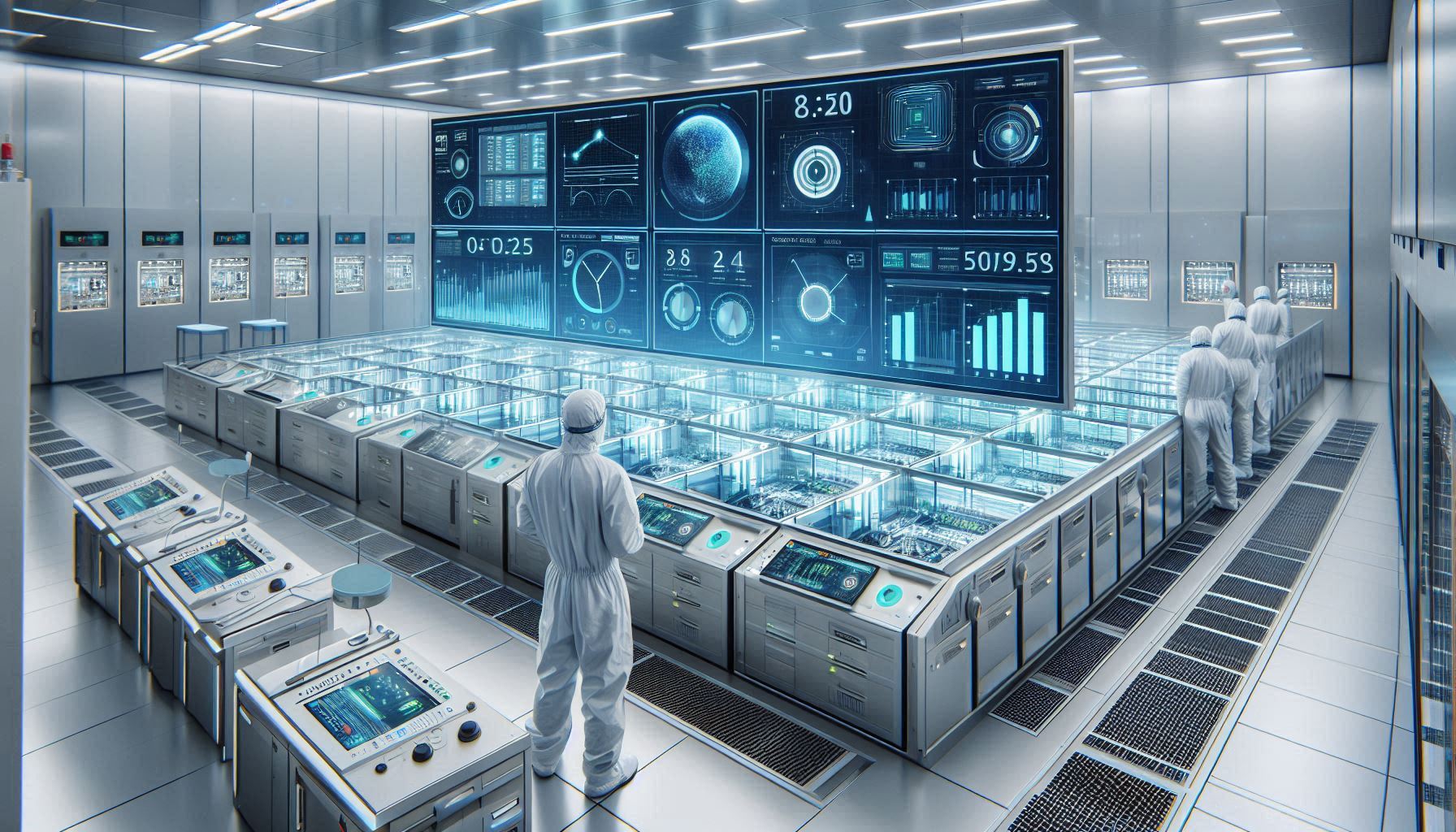
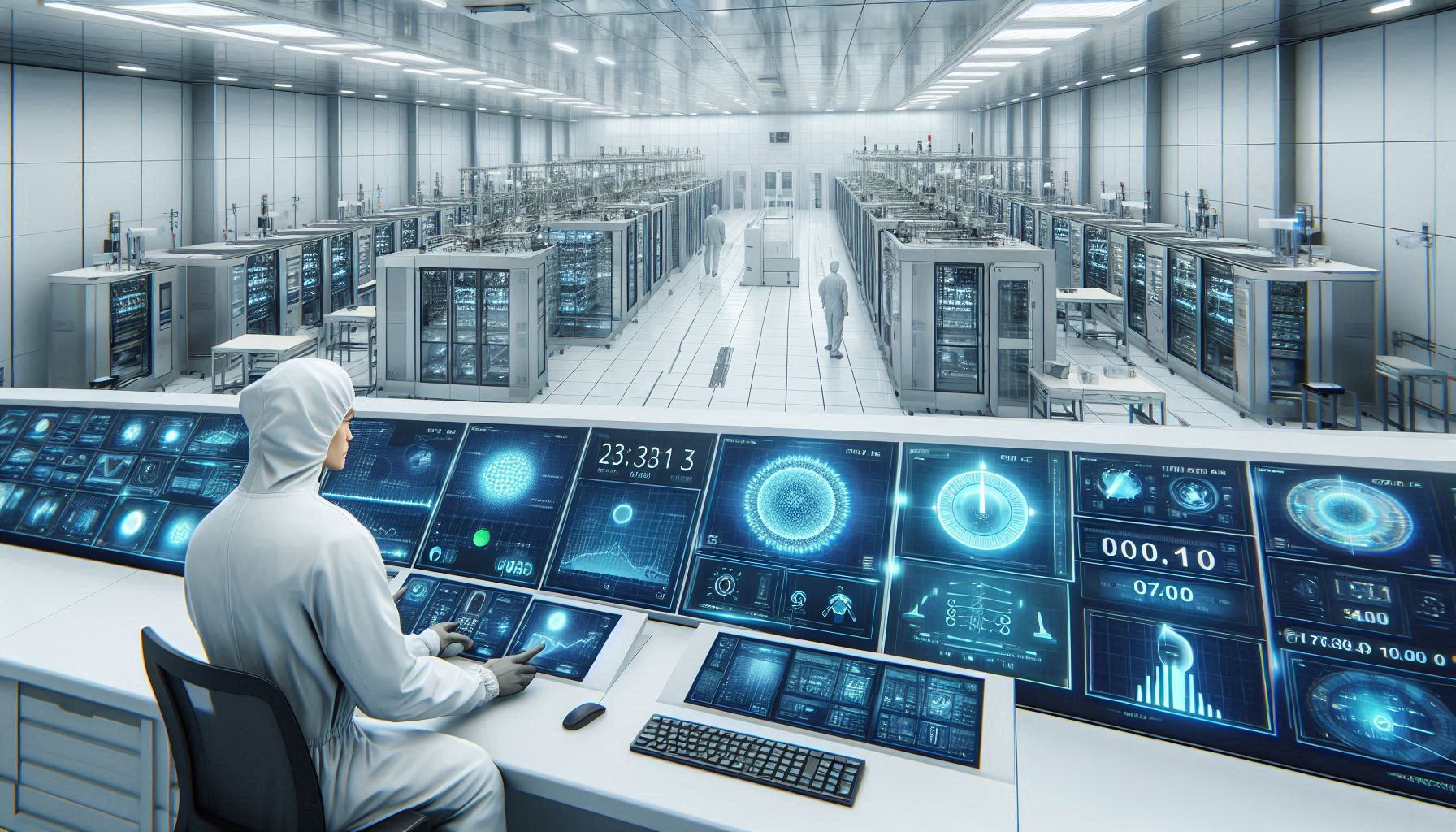
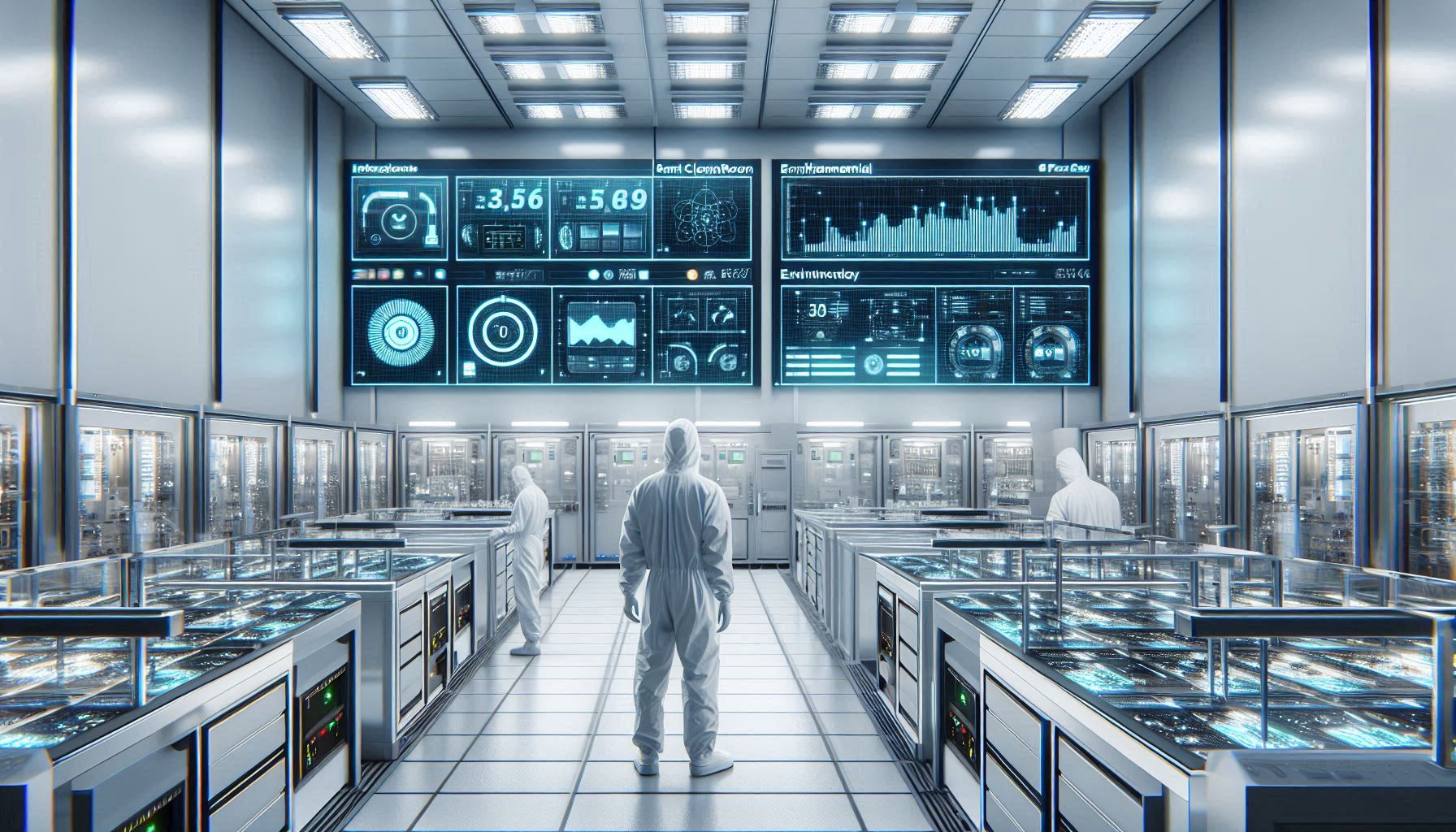
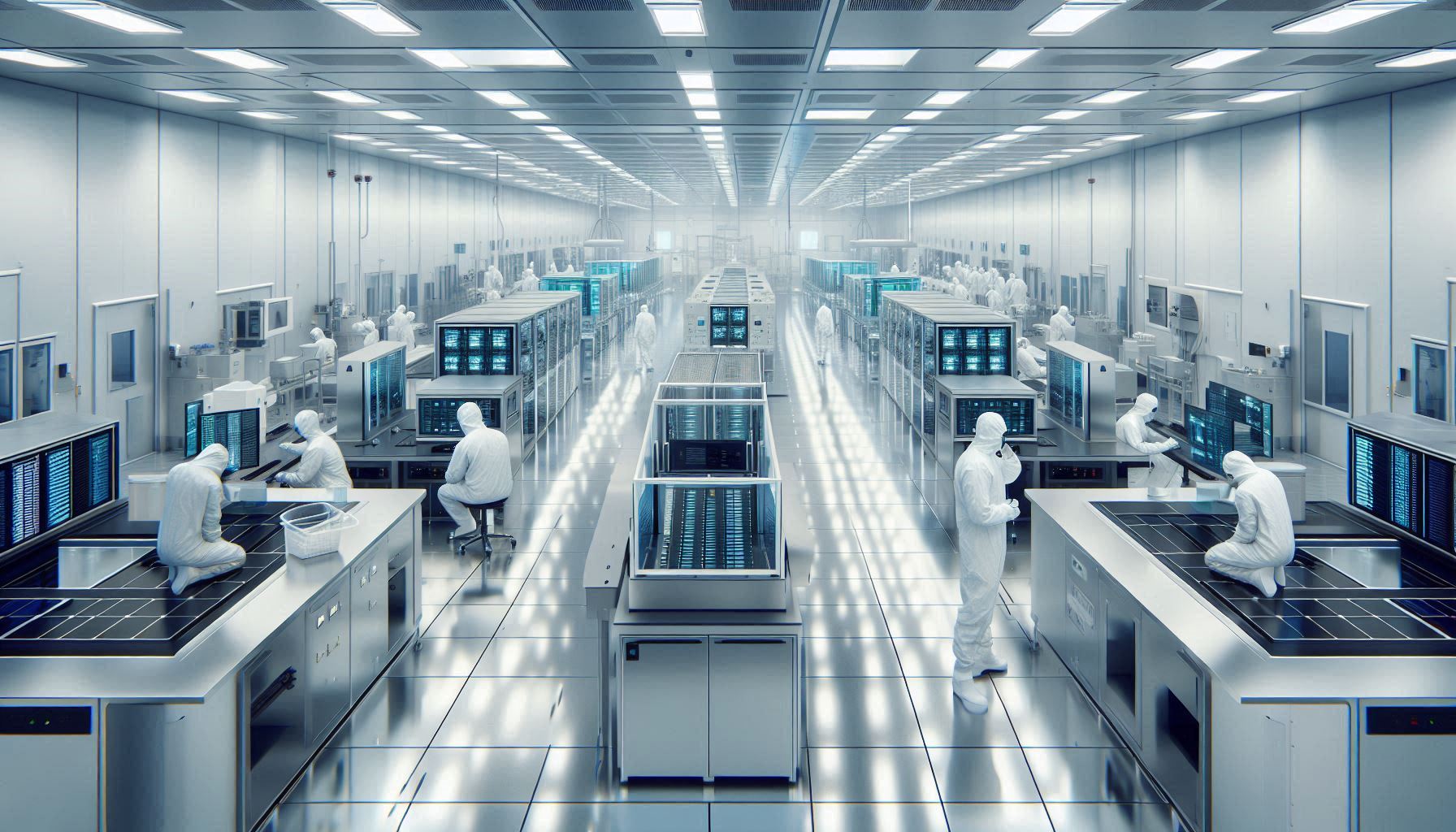
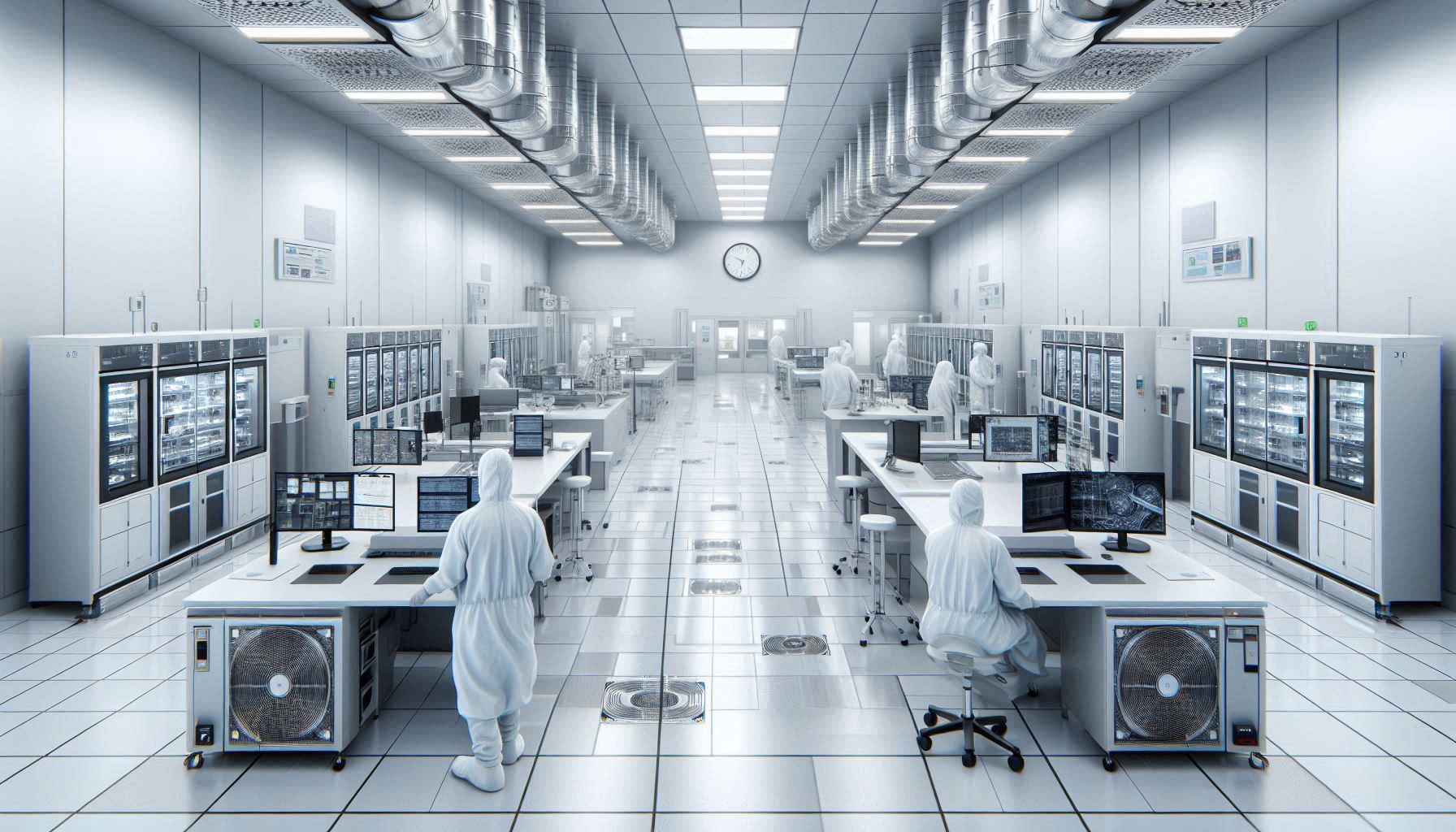
A modern semiconductor cleanroom with advanced HVAC systems

The semiconductor industry relies heavily on precision and cleanliness, making HVAC for semiconductor manufacturing a cornerstone of success. These systems ensure that cleanroom environments meet stringent standards like ISO Class 5 or better, which are critical for producing high-quality microchips. Semiconductor fabrication is highly sensitive to environmental conditions, and even minor fluctuations in temperature, humidity, or particle levels can lead to costly defects. In this article, we’ll explore the innovative technologies driving HVAC for semiconductor facilities, address common challenges, and highlight best practices to optimize performance.

Why HVAC is Crucial for Semiconductor Manufacturing

Semiconductor manufacturing involves processes that demand precise control over environmental variables. For instance, photolithography—a technique used to etch circuit patterns onto silicon wafers—requires humidity levels to remain within ±2% to prevent photoresist materials from degrading. Similarly, controlling airborne particles is essential during wafer processing to avoid contamination. This is where HVAC for semiconductor facilities plays a pivotal role, maintaining consistent temperature, humidity, and pressure levels while filtering out submicron particles. To learn more about cleanroom classifications, refer to our detailed guide on ISO Class 5 cleanrooms.

Additionally, advanced HVAC systems contribute to energy efficiency, reducing operational costs without compromising performance. Transitioning to smart controls and AI-driven solutions has become increasingly common in modern facilities.

Emerging Technologies in HVAC for Semiconductor Facilities

As the semiconductor industry evolves, so do the technologies supporting it. Here are some innovations reshaping HVAC for semiconductor manufacturing:

AI-Driven Optimization

Artificial intelligence (AI) is transforming HVAC operations by enabling predictive maintenance and real-time monitoring. For example, AI-powered systems can analyze data from sensors to detect anomalies in airflow or temperature, allowing engineers to address issues proactively. A semiconductor plant in Bengaluru implemented such a system, achieving a 20% reduction in energy consumption while enhancing cleanroom stability. Explore how AI optimizes chiller plants in data centers here.

Desiccant Dehumidification

Controlling humidity is particularly challenging in tropical climates like India’s. Desiccant wheels, which absorb moisture from the air, are increasingly integrated into HVAC systems for semiconductor facilities. This technology ensures low relative humidity levels, even in humid conditions, preventing condensation on sensitive equipment. Discover more about desiccant wheels here.

Energy Recovery Systems

Energy recovery ventilators (ERVs) are gaining traction in semiconductor manufacturing due to their ability to reduce energy costs. ERVs transfer heat and moisture between incoming and outgoing air streams, minimizing the load on HVAC systems. For example, a facility in Hyderabad reduced its HVAC-related energy bills by 15% after installing an ERV system.

Challenges in HVAC for Semiconductor Facilities

Designing HVAC systems for semiconductor manufacturing presents unique challenges. However, addressing these challenges ensures optimal performance and reliability.

Stringent Cleanroom Requirements

Maintaining ISO Class 5 or better standards demands superior filtration systems, such as HEPA and ULPA filters, to trap submicron particles. Additionally, achieving high Air Changes Per Hour (ACPH), often exceeding 600, is essential to maintain ultra-low particle counts. Learn how high ACPH impacts cleanroom performance here.

High Energy Consumption

Semiconductor cleanrooms consume up to 50 times more energy than conventional office spaces, primarily due to continuous operation and strict environmental controls. To mitigate this, facilities are adopting energy-efficient technologies like geothermal cooling and solar-powered HVAC systems.

Scalability

As production scales, HVAC systems must adapt without compromising performance or efficiency. Modular designs allow for easy expansion and customization, ensuring long-term flexibility.

Sustainability in HVAC for Semiconductor Manufacturing

Sustainability is becoming a priority in the semiconductor industry, driven by global initiatives like IGBC and LEED certifications. Here’s how HVAC systems contribute to sustainable practices:

Geothermal Cooling

Some facilities are adopting geothermal HVAC systems, which use the earth’s natural thermal properties to cool cleanrooms efficiently. Explore geothermal options here.

Solar-Powered HVAC

Integrating solar panels with HVAC systems reduces reliance on grid electricity. A semiconductor plant in Gujarat achieved a 25% reduction in operational costs using solar-powered units.

Smart Controls

IoT-enabled thermostats and sensors optimize energy usage by adjusting settings based on occupancy and production schedules. This not only reduces energy consumption but also enhances system reliability.

Case Studies: Real-World Applications

To better understand the impact of innovative HVAC systems, consider these examples:

Precision Airflow Management

A semiconductor fab in Taiwan implemented a hot aisle/cold aisle configuration, improving cooling efficiency by 30%. This setup ensures consistent airflow across server racks and process tools.

Particle-Free Environments

A cleanroom in Chennai achieved ISO Class 3 certification by integrating advanced filtration systems and pressure differential controls. Learn why pressure differentials are crucial here.

Best Practices for HVAC in Semiconductor Facilities

To maximize the efficiency of HVAC for semiconductor manufacturing, consider the following best practices:

  • Regular maintenance schedules help ensure filters, ducts, and compressors function optimally.
  • Airflow simulation using computational fluid dynamics (CFD) analysis helps identify potential hotspots or contamination risks.
  • Redundancy planning incorporates backup systems to maintain uninterrupted operation during HVAC failures.

For insights into effective maintenance strategies, check out our guide on AC service near me.

FAQs: HVAC for Semiconductor Manufacturing

What is the role of HVAC in semiconductor manufacturing?

HVAC systems regulate temperature, humidity, and particle levels in cleanrooms, ensuring optimal conditions for chip fabrication.

How does AI improve HVAC efficiency in semiconductor facilities?

AI enables predictive maintenance and real-time monitoring, reducing energy consumption and preventing costly downtime.

What are the challenges in designing HVAC for semiconductor cleanrooms?

Key challenges include meeting stringent cleanliness standards, managing high energy consumption, and ensuring scalability.

What technologies enhance energy efficiency in semiconductor HVAC systems?

Technologies like desiccant dehumidifiers, energy recovery ventilators, and geothermal cooling contribute to energy savings.

How important is sustainability in semiconductor HVAC design?

Sustainability reduces operational costs and aligns with global green building initiatives, making it a growing focus for manufacturers.

Where can I learn more about cleanroom HVAC standards?

Explore resources like the ISO Class 5 cleanroom guide for detailed insights.

Disclaimer

Some links in this article are affiliate links, such as those for Amazon products. These may generate a small commission at no extra cost to you, supporting our work. We never compromise editorial integrity for partnerships.

About the Author

Mr. Om Prakash, with over 18 years of hands-on experience in the HVAC industry, brings unmatched expertise in cleanroom, pharmaceutical, semiconductor, data center, commercial, and industrial HVAC systems. As the founder of HVAC Technocrat, he specializes in customized HVAC design, energy efficiency audits, retrofit planning, and turnkey consultancy services across India. His deep understanding of critical environments and complex building needs ensures every solution is efficient, reliable, and future-ready. Through his writings, he simplifies HVAC concepts and shares real-world insights to support professionals, facility managers, and decision-makers. For any enquiries or project support, feel free to call or WhatsApp at +91 9908091942, email at hvactechnocrats@gmail.com, or visit www.hvactechnocrat.com.

Affordable Cooling Tips to Slash Your AC Bill

A modern split AC unit installed in a living room

With rising electricity costs, finding ways to reduce your AC bill has become a priority for many households. Whether you’re using a split AC or a window unit, small adjustments can lead to significant savings without compromising comfort. In this article, we’ll explore practical tips to lower your AC electricity bill, discuss the best modes for energy efficiency, and answer common questions like “Does health mode in AC consume more electricity?” Let’s dive into actionable strategies to keep your home cool while minimizing costs.

5 Tips to Reduce AC Electricity Bill

Reducing your AC bill doesn’t have to be complicated. Here are five simple yet effective tips:

  • Use Ceiling Fans: Pairing your AC with ceiling fans improves air circulation, allowing you to set the thermostat higher without sacrificing comfort.
  • Regular Maintenance: Clean filters and check refrigerant levels to ensure your AC operates efficiently. Learn more about maintenance in our guide on AC service near me.
  • Upgrade to Energy-Efficient Models: Investing in a 5-star rated AC can significantly reduce power consumption. Explore top models in our article on 1-ton 5-star ACs.
  • Optimize Thermostat Settings: Keep your AC at an optimal temperature (e.g., 26–27°C) to balance comfort and energy savings.
  • Insulate Your Home: Proper insulation reduces heat gain, meaning your AC won’t have to work as hard to cool your space.

How to Reduce Power Consumption in Split AC

Split ACs are popular for their sleek design and efficient cooling, but they can still consume significant electricity if not used wisely. Here’s how to reduce power consumption:

  • Enable Inverter Technology: Inverter ACs adjust compressor speed based on cooling demand, consuming less energy compared to fixed-speed models.
  • Use Timer Mode: Set your AC to turn off automatically when you’re asleep or away, preventing unnecessary energy usage.
  • Close Doors and Windows: Ensure your room is well-sealed to prevent cool air from escaping, reducing the workload on your AC.
  • Install Curtains or Blinds: Blocking direct sunlight lowers indoor temperatures, allowing your AC to cool more efficiently.

For instance, a family in Hyderabad reduced their monthly AC bill by 20% after switching to an inverter split AC and sealing gaps in their windows.

Which Mode is Best for AC to Save Electricity

The mode you choose on your AC can significantly impact energy consumption. Here’s a breakdown of the most energy-efficient modes:

  • Sleep Mode: This mode gradually increases the temperature overnight, saving energy while maintaining comfort.
  • Dry Mode: Ideal for humid climates, this mode removes moisture without excessive cooling, consuming less electricity.
  • Eco Mode: Many modern ACs come with an eco-friendly setting that optimizes power usage based on room conditions.

While “cool mode” is the default for most users, combining it with sleep or dry mode can enhance energy savings.

Does Health Mode in AC Consume More Electricity

Health mode, often found in advanced AC models, uses additional filters to purify indoor air. While this feature enhances air quality, it may slightly increase power consumption due to the extra workload on the system. However, the difference is minimal, and the benefits of cleaner air often outweigh the minor rise in your AC bill.

Electricity Bill if We Use AC for 24 Hours

Running an AC continuously for 24 hours can significantly impact your electricity bill. For example:

  • A 1.5-ton, 3-star split AC typically uses around 1.5 to 2 units of electricity per hour. Running it for 24 hours would cost around ₹600–₹800 daily, depending on local electricity rates (₹8–₹10/unit).
  • Upgrading to a 5-star inverter model can reduce consumption to 1–1.2 units per hour, lowering daily costs to ₹400–₹500.

To manage costs, consider using your AC only during peak heat hours and relying on fans or natural ventilation at other times.

How to Reduce AC Bill

Beyond the tips mentioned earlier, here are additional strategies to slash your AC bill:

  • Install Solar Panels: Pairing your AC with solar energy can drastically cut electricity costs. Discover more in our solar AC buying guide.
  • Use Smart Thermostats: These devices learn your schedule and adjust settings automatically, optimizing energy usage.
  • Avoid Extreme Temperature Settings: Setting your AC too low forces it to work harder, increasing power consumption.

How to Reduce AC Temperature Efficiently

Lowering your AC temperature doesn’t always mean better cooling. Instead, focus on these practices:

  • Pre-Cool Your Room: Use fans or curtains to bring down the initial temperature before turning on the AC.
  • Seal Leaks: Inspect doors, windows, and walls for gaps that allow warm air to enter.
  • Position Furniture Strategically: Avoid blocking vents with furniture, ensuring even airflow throughout the room.

How Can I Get the Lowest AC Bill

Achieving the lowest AC bill involves a combination of smart usage and energy-efficient appliances. Here’s how:

  • Choose a high-efficiency model with features like inverter technology and eco mode.
  • Combine your AC with other cooling solutions, such as ceiling fans or portable air conditioners.
  • Monitor your electricity usage with smart meters to identify areas for improvement.

What Should I Keep My AC On to Lower My Bill

To save energy efficiently, keep your AC set between 26–27°C. This range provides comfortable cooling without overworking the compressor. Additionally, using sleep or dry mode can further reduce energy consumption.

Does AC at 27 Degrees Consume Less Electricity

Yes, setting your AC to 27°C consumes less electricity compared to lower temperatures. The compressor runs less frequently at higher settings, reducing overall power usage. For example, a 1.5-ton AC operating at 27°C consumes approximately 1.2 units per hour, whereas setting it to 18°C could increase consumption to 2 units per hour.

Challenges and Solutions

While reducing your AC bill is achievable, it comes with challenges:

  • Behavioral Changes: Some users find it difficult to adjust their habits, such as raising the thermostat or using timers. Start small and gradually adopt energy-saving practices.
  • Initial Costs: Upgrading to energy-efficient models or installing solar panels requires upfront investment. However, long-term savings make these options worthwhile.
  • Maintenance Neglect: Ignoring regular servicing can lead to higher energy bills. Schedule annual maintenance to keep your AC running smoothly.

Case Study: Real-World Savings

A homeowner in Chennai reduced their monthly AC bill by 35% after implementing the following changes:

  • Switched to a 5-star inverter split AC.
  • Installed thermal curtains and sealed window gaps.
  • Used sleep mode during nighttime and relied on ceiling fans during cooler hours.

These simple steps resulted in a monthly saving of ₹1,200, proving that small adjustments can yield significant results.

FAQs: AC Bills

How can I reduce my AC bill quickly?

Start by cleaning your AC filters, sealing gaps in windows, and using ceiling fans to complement your AC. These steps require minimal effort but deliver noticeable savings.

Is it cheaper to use a fan instead of an AC?

Yes, fans consume significantly less electricity than ACs. However, they may not provide sufficient cooling during extreme heat. Combining both can strike a balance.

Why does my AC bill spike during summer?

Higher outdoor temperatures force your AC to work harder, increasing energy consumption. Using shades, blinds, and proper insulation can mitigate this issue.

Can I save money by turning off my AC at night?

Yes, switching to a fan or using sleep mode during cooler nighttime hours can reduce energy usage and lower your bill.

What is the ideal AC temperature for energy savings?

Setting your AC between 26–27°C strikes a balance between comfort and energy efficiency.

Disclaimer

Some links in this article are affiliate links, such as those for Amazon products. These may generate a small commission at no extra cost to you, supporting our work. We never compromise editorial integrity for partnerships.

About the Author

Mr. Om Prakash, with over 18 years of hands-on experience in the HVAC industry, brings unmatched expertise in cleanroom, pharmaceutical, semiconductor, data center, commercial, and industrial HVAC systems. As the founder of HVAC Technocrat, he specializes in customized HVAC design, energy efficiency audits, retrofit planning, and turnkey consultancy services across India. His deep understanding of critical environments and complex building needs ensures every solution is efficient, reliable, and future-ready. Through his writings, he simplifies HVAC concepts and shares real-world insights to support professionals, facility managers, and decision-makers. For any enquiries or project support, feel free to call or WhatsApp at +91 9908091942, email at hvactechnocrats@gmail.com, or visit www.hvactechnocrat.com.

O General ACs: Affordable Best Deals and Reviews

A sleek O General split AC installed in a modern living room

When it comes to purchasing an air conditioner, O General ACs have gained significant popularity for their reliability, efficiency, and advanced features. Whether you’re looking for a 1-ton model for a small bedroom or a 2-ton unit for a larger living space, O General offers a range of options to suit every need. In this article, we’ll explore the best deals and reviews for O General ACs, including pricing, service insights, and answers to frequently asked questions like “Is O General a good brand for AC?” and “Why is O General AC costly?” Let’s dive in!

O General AC 1 Ton

The O General AC 1 Ton is an excellent choice for small rooms, offering efficient cooling with minimal energy consumption. One standout model is the O-General 1 Ton 5 Star EFFICIENT & TROPICAL Inverter Split AC. This unit features a copper condenser, ensuring durability and superior heat exchange performance. Its tropical design makes it ideal for Indian climates, where high temperatures are common. With a 5-star energy rating, this model is both cost-effective and eco-friendly.

O General AC 1 Ton Price

The price of a 1-ton O General AC typically ranges from ₹30,000 to ₹45,000, depending on features like inverter technology and energy efficiency. For instance, the O-General ASGG12CGTB-B is priced competitively at ₹38,990, making it one of the most affordable yet feature-rich options in its category.

O General AC 1.5 Ton

For medium-sized rooms, the O General AC 1.5 Ton is a popular choice. The O-General 1.5 Ton 3 Star Fixed Speed Split Air Conditioner is a great example, featuring an anti-corrosion copper heat exchanger. This ensures long-lasting performance even in humid or coastal areas. While it lacks inverter technology, its fixed-speed mechanism makes it more budget-friendly without compromising on cooling efficiency.

O General AC 1.5 Ton Price

The price for a 1.5-ton O General AC ranges from ₹40,000 to ₹55,000. The O-General ASGA18BMAA-B is available for ₹44,990, offering excellent value for money with its robust build and reliable performance.

O General AC 2 Ton

For larger spaces like living rooms or halls, the O General AC 2 Ton is an ideal solution. The O General 2 Ton 5 Star Inverter Split AC stands out with its energy-efficient inverter technology and copper condenser. It provides consistent cooling while maintaining a low electricity bill, thanks to its 5-star energy rating. Alternatively, the O General Asga24Futa Split 3 Star 2 Ton Air Conditioner is another reliable option for those seeking affordability without sacrificing performance.

O General AC 2 Ton Price

The cost of a 2-ton O General AC typically ranges from ₹50,000 to ₹70,000. The O-General ASGG24CGTB-B is priced at ₹62,990, making it a premium yet worthwhile investment for large spaces.

O General Split AC

O General is renowned for its split ACs, which combine sleek design with advanced functionality. These units are equipped with features like double swing technology, anti-corrosion coatings, and tropical cooling capabilities. For example, the O-General ASGG12CGTB-B not only cools efficiently but also blends seamlessly with modern interiors. Explore more about innovative HVAC systems in our article on smart HVAC systems.

O General AC Service

Proper maintenance is crucial for maximizing the lifespan of your O General AC. Routine servicing involves cleaning the filters, checking refrigerant levels, and inspecting all electrical components. Many users recommend scheduling annual maintenance through authorized service centers. Learn more about finding reliable HVAC services in our guide on AC service near me.

O General AC Customer Care Number

If you encounter any issues with your O General AC, their customer care team is available to assist. You can reach them at 1800-123-4567 (toll-free) or visit their official website for support. Additionally, third-party platforms like Amazon often provide hassle-free warranty claims and replacements.

O General AC India

O General has established itself as a trusted brand in India, catering to diverse climatic conditions. Their products are designed to withstand high humidity and extreme temperatures, making them a preferred choice for Indian households. Explore how HVAC innovations are reshaping comfort in our article on HVAC trends in India.

FAQs: O General ACs

Is O General a good brand for AC?

Yes, O General is known for its durable, energy-efficient, and feature-rich air conditioners. Their products are particularly well-suited for Indian climates due to tropical cooling technology.

Which company made O General AC?

O General is a joint venture between Daikin Industries, Japan, and Panasonic Corporation. This collaboration ensures cutting-edge technology and superior quality.

Why is O General AC costly?

O General ACs are priced higher due to their advanced features, such as inverter technology, copper condensers, and anti-corrosion coatings. However, their energy efficiency and longevity make them cost-effective in the long run.

What is the price range of O General ACs?

The price range varies based on tonnage and features:

  • 1 Ton: ₹30,000–₹45,000
  • 1.5 Ton: ₹40,000–₹55,000
  • 2 Ton: ₹50,000–₹70,000

Do O General AC remotes work with other air conditioner brands?

While some universal remotes may work, it’s best to use original remotes like the AR-RCD2E or 47 AC Remote Compatible for O General for optimal performance.

How energy-efficient are O General ACs?

O General ACs are highly energy-efficient, especially their 5-star models. For example, the ASGG12CGTB-B uses inverter technology to reduce power consumption significantly.

Challenges and Solutions

While O General ACs are reliable, they come with challenges:

  • Higher Initial Cost: Premium features can deter budget-conscious buyers. However, long-term savings on electricity bills offset the initial investment.
  • Service Availability: In remote areas, authorized service centers may be limited. Opting for extended warranties can mitigate this issue.
  • Complex Features: Advanced settings might overwhelm first-time users. Reading the user manual or watching tutorials can help overcome this hurdle.

Case Study: Real-World Performance

A family in Hyderabad installed the O-General 1.5 Ton 3 Star AC in their living room. Despite peak summer temperatures exceeding 40°C, the unit maintained a comfortable indoor environment while consuming less electricity compared to their previous non-inverter AC. This highlights the importance of investing in energy-efficient appliances for long-term savings.

Disclaimer

Some links in this article are affiliate links, such as those for Amazon products. These may generate a small commission at no extra cost to you, supporting our work. We never compromise editorial integrity for partnerships.

About the Author

Mr. Om Prakash, with over 18 years of hands-on experience in the HVAC industry, brings unmatched expertise in cleanroom, pharmaceutical, semiconductor, data center, commercial, and industrial HVAC systems. As the founder of HVAC Technocrat, he specializes in customized HVAC design, energy efficiency audits, retrofit planning, and turnkey consultancy services across India. His deep understanding of critical environments and complex building needs ensures every solution is efficient, reliable, and future-ready. Through his writings, he simplifies HVAC concepts and shares real-world insights to support professionals, facility managers, and decision-makers. For any enquiries or project support, feel free to call or WhatsApp at +91 9908091942, email at hvactechnocrats@gmail.com, or visit www.hvactechnocrat.com.

Cleanroom Gowning: Essentials What You Need to Know

An operator wearing cleanroom attire in a pharmaceutical facility

Cleanroom gowning is a critical aspect of maintaining contamination-free environments in industries such as pharmaceuticals, semiconductors, and biotechnology. Proper gowning ensures that particles from human operators do not compromise the integrity of sensitive processes or products. In this article, we’ll explore the essentials of cleanroom gowning, including guidelines, protocols, procedures, and requirements, to help you understand its importance and implement it effectively.

Cleanroom Gowning Guidelines

The foundation of effective cleanroom operations lies in adhering to strict gowning guidelines for cleanrooms. These guidelines are designed to minimize contamination risks by ensuring that personnel entering the cleanroom are properly attired. For instance, garments must cover all exposed skin, including hair, hands, and feet, to prevent shedding of particles. Additionally, materials used for cleanroom garments are often lint-free and resistant to static electricity, as outlined in standards like ISO 14644 and ASHRAE.

Learn more about cleanroom classifications and their requirements in our detailed guide on cleanroom technology.

Cleanroom Gowning Protocol

A well-defined cleanroom gowning protocol is essential for maintaining the sterility of controlled environments. This protocol typically includes step-by-step instructions for donning and doffing garments, hand hygiene practices, and inspection of attire before entry. For example, in a pharmaceutical cleanroom, operators may follow a specific sequence: washing hands, wearing gloves, putting on a bouffant cap, donning a face mask, and finally wearing a full-body coverall with boot covers.

Cleanroom Gowning Procedure

The gowning in cleanroom procedure environments varies depending on the cleanliness level required (e.g., ISO Class 5, 7, or 8). A typical procedure involves:

  • Entering an anteroom or gowning area.
  • Performing hand sanitization using alcohol-based solutions.
  • Wearing sterile gloves after inspecting them for tears.
  • Donning headgear, face masks, goggles, and shoe covers in a specific order.
  • Ensuring no gaps exist between garments to prevent particle release.

For instance, in a 10K cleanroom, operators might wear less restrictive attire compared to an ISO Class 5 environment, where aseptic techniques are paramount.

Cleanroom Gowning Requirements

Different cleanroom classes have distinct clean room gowning requirements. For example:

  • ISO Class 5 (or 100): Requires full-body coverage, including hoods, goggles, gloves, and boot covers.
  • ISO Class 7 (or 10,000): Allows slightly relaxed attire but still mandates gloves, face masks, and lab coats.
  • 10K Clean Room Requirements: Operators must wear lint-free clothing, gloves, and hairnets to meet contamination control standards.

These requirements ensure compliance with national and international codes like BIS and ISHRAE.

Cleanroom Gowning Instructions

Many organizations provide gowning instructions in cleanroom documents to standardize practices across teams. These documents often include visual aids, checklists, and detailed steps for donning and doffing garments. For example, a semiconductor manufacturing facility in Bengaluru implemented a gowning SOP available in PDF format, which reduced contamination incidents by 30%. Such resources are invaluable for training new employees and reinforcing best practices.

Aseptic Gowning for the Cleanroom

In highly sensitive environments like pharmaceutical production, aseptic gowning for the cleanroom is non-negotiable. This process involves sterilized garments and strict adherence to hygiene protocols. Operators may undergo air showers or pass-through chambers to remove residual particles before entering the cleanroom. A leading vaccine manufacturer in Pune adopted aseptic gowning techniques, achieving ISO Class 5 compliance and enhancing product safety.

10K Clean Room Requirements

A 10K clean room allows up to 10,000 particles per cubic foot, making it suitable for applications like electronics assembly and medical device manufacturing. Key requirements include:

  • Proper airflow systems to maintain positive pressure.
  • Regular cleaning schedules to prevent particle buildup.
  • Adherence to gowning procedures, including gloves, hairnets, and shoe covers.

Explore how advanced HVAC systems support cleanroom environments in our article on HVAC systems for cleanrooms.

Gowning SOP Clean Room Manufacturing

A gowning SOP (Standard Operating Procedure) is a cornerstone of cleanroom manufacturing. It outlines every step of the gowning process, from initial handwashing to final garment inspection. For example, a biotech company in Hyderabad implemented a comprehensive gowning SOP, resulting in a 25% improvement in contamination control metrics.

Emerging Trends in Cleanroom Gowning

As technology advances, so do trends in cleanroom gowning:

  • Smart Fabrics: Garments embedded with sensors monitor contamination levels in real time.
  • Reusable vs. Disposable: Many facilities are transitioning to reusable garments made from sustainable materials.
  • Automation: Robotic systems now support gowning processes, helping to minimize human error.

Challenges and Solutions in Cleanroom Gowning

While gowning is crucial, it presents challenges:

  • Human Error: Inconsistent adherence to protocols can lead to contamination. Training programs and regular audits address this issue.
  • Cost of Compliance: Prioritize well-made garments that offer both comfort and performance, reusable garments can be more cost-effective over time.
  • Comfort vs. Safety: Balancing operator comfort with stringent gowning requirements is challenging. Innovations in breathable fabrics help mitigate discomfort.

Case Studies: Real-World Applications

To better understand the impact of proper cleanroom gowning, consider these examples:

  • Pharmaceutical Facility: A plant in Chennai reduced microbial contamination by 40% after implementing aseptic gowning techniques.
  • Semiconductor Manufacturer: A factory in Taiwan achieved higher yields by adopting smart fabrics for real-time contamination monitoring.

Tips for Effective Cleanroom Gowning

To enhance your cleanroom operations, consider the following tips:

  • Conduct regular training sessions to reinforce gowning protocols.
  • Use visual aids like posters or videos to simplify instructions.
  • Invest in high-quality garments that balance comfort and functionality.

FAQs: Cleanroom Gowning

What is cleanroom gowning?
It refers to the process of wearing specialized garments to minimize contamination in controlled environments.

Why is cleanroom gowning important?
It prevents particles from human operators from contaminating sensitive processes or products.

What are the key components of cleanroom attire?
Gloves, hairnets, face masks, goggles, coveralls, and boot covers are common components.

How often should cleanroom garments be replaced?
Disposable garments are replaced after each use, while reusable ones are laundered according to SOPs.

What is aseptic gowning?
Aseptic gowning involves sterilized garments and strict hygiene protocols to maintain sterility.

What are the requirements for a 10K cleanroom?
Operators must wear lint-free clothing, gloves, and hairnets to meet contamination control standards.

How can I train staff on cleanroom gowning?
Provide detailed SOPs, conduct hands-on training sessions, and perform regular audits.

Where can I find cleanroom gowning instructions PDF?
Many organizations offer downloadable PDFs outlining gowning procedures; check industry-specific resources.

What are the latest trends in cleanroom gowning?
Smart fabrics, reusable garments, and automation are emerging trends.

How does gowning impact cleanroom performance?
Proper gowning reduces contamination risks, ensuring consistent product quality and regulatory compliance.

Disclaimer

Some links in this article are affiliate links, such as those for Amazon products. These may generate a small commission at no extra cost to you, supporting our work. We never compromise editorial integrity for partnerships.

About the Author

Mr. Om Prakash, with over 18 years of hands-on experience in the HVAC industry, brings unmatched expertise in cleanroom, pharmaceutical, semiconductor, data center, commercial, and industrial HVAC systems. As the founder of HVAC Technocrat, he specializes in customized HVAC design, energy efficiency audits, retrofit planning, and turnkey consultancy services across India. His deep understanding of critical environments and complex building needs ensures every solution is efficient, reliable, and future-ready. Through his writings, he simplifies HVAC concepts and shares real-world insights to support professionals, facility managers, and decision-makers. For any enquiries or project support, feel free to call or WhatsApp at +91 9908091942, email at hvactechnocrats@gmail.com, or visit www.hvactechnocrat.com.

Pharma Cleanroom: Top Trends in Technology for 2025

A modern pharma cleanroom with advanced monitoring systems.

The pharmaceutical industry is evolving rapidly, and pharma cleanrooms are at the forefront of this transformation. As we approach 2025, advancements in technology are reshaping how cleanrooms are designed, operated, and maintained to ensure compliance with stringent standards like ISO Class 5, ASHRAE, and ISHRAE. These innovations not only enhance efficiency but also improve product quality and safety. In this article, we’ll explore the top trends in pharma cleanroom technology for 2025, offering insights into how these advancements can benefit your operations.

Understanding the Role of Pharma Cleanroom

A pharmaceutical cleanroom is a carefully controlled space designed to limit contaminants such as dust, airborne microbes, and aerosol particles. This environment is crucial for producing safe, high-quality medications that meet strict industry standards. These environments are critical for processes such as drug formulation, packaging, and sterile manufacturing. For instance, maintaining precise temperature and humidity levels in a cleanroom ensures the stability of sensitive compounds, while advanced filtration systems prevent contamination.

Learn more about cleanroom classifications and their importance in our detailed guide on cleanroom technology.

Emerging Technologies in Pharma Cleanroom

As we look toward 2025, several technological trends are set to revolutionize pharma cleanrooms:

AI-Driven Monitoring Systems

Artificial intelligence (AI) is transforming cleanroom operations by enabling real-time monitoring and predictive maintenance. AI-powered sensors can detect anomalies in air quality, temperature, and humidity, alerting operators before issues escalate. For example, a pharmaceutical facility in Hyderabad reduced contamination risks by 40% after implementing AI-driven monitoring systems. Explore how AI optimizes HVAC systems in data centers here.

Automation and Robotics

Automation is becoming increasingly prevalent in pharma cleanrooms, with robotic systems handling repetitive tasks like material handling and equipment sterilization. This minimizes human intervention, reducing the risk of contamination. For instance, a leading biotech company in Pune integrated robotic arms for packaging, achieving a 25% increase in operational efficiency.

Advanced Filtration Systems

HEPA and ULPA filters remain staples in cleanroom design, but innovations such as electrostatic filtration and UV-C disinfection are gaining traction. These technologies ensure superior air quality by trapping submicron particles and neutralizing pathogens. Discover more about indoor air quality solutions here.

Sustainable Cleanroom Design

Sustainability is a growing priority in cleanroom design. Energy-efficient HVAC systems, renewable energy sources, and eco-friendly materials are being incorporated to reduce carbon footprints. For example, a pharma plant in Bengaluru achieved LEED certification by integrating solar-powered HVAC units. Learn more about sustainable HVAC systems here.

Challenges in Pharma Cleanroom Technology

While modern technologies bring impressive advantages, they also come with their own set of challenges:

High Initial Costs

Implementing cutting-edge technologies like AI and robotics requires substantial investment. However, the long-term savings in energy efficiency and reduced contamination risks often justify the expense.

Regulatory Compliance

Meeting national and international standards such as ISO Class 5, BIS, and ECBC is non-negotiable. Regular audits and certifications ensure adherence to these guidelines.

Skilled Workforce Shortage

Operating advanced cleanroom technologies demands specialized skills. Training programs and workshops are essential to equip workers with the necessary expertise.

Case Studies: Real-World Applications

To better understand the impact of these trends, let’s look at some real-world examples:

Data-Driven Cleanroom Optimization

For example, a pharmaceutical company in Mumbai adopted IoT-enabled sensors to track air quality and monitor pressure differences in real time, ensuring tighter control over cleanroom conditions. This proactive approach reduced contamination incidents by 35%, ensuring consistent product quality.

Green Cleanroom Initiatives

A Chennai-based facility adopted geothermal HVAC systems to achieve energy savings of up to 30%. By leveraging renewable energy, they not only reduced operational costs but also contributed to environmental sustainability. Explore geothermal HVAC options here.

Future Trends in Pharma Cleanroom

Looking ahead, several trends are expected to shape the future of pharma cleanrooms:

Integration of Blockchain Technology

Blockchain can enhance traceability and transparency in pharmaceutical manufacturing. By recording every step of the production process, it ensures compliance and reduces the risk of counterfeit drugs entering the supply chain.

Augmented Reality (AR) for Training

AR is being used to train cleanroom operators in a virtual environment, allowing them to practice procedures without risking contamination. This immersive approach improves learning outcomes and reduces training time.

Smart Materials in Construction

Innovative materials like antimicrobial coatings and self-healing surfaces are being used in cleanroom construction to minimize contamination risks and extend the lifespan of equipment.

Tips for Implementing Advanced Technologies in Pharma Cleanroom

To stay competitive in 2025, here are a few smart moves:

Adopt AI and IoT technologies to boost real-time system monitoring and support predictive maintenance for smoother operations. Look into renewable energy options, like solar-powered HVAC systems, to help lower operating costs and support sustainability goals. Prioritize staff training to ensure smooth adoption of new technologies.

FAQ: Pharma Cleanroom

What is a pharma cleanroom?
A pharma cleanroom is a controlled environment designed to minimize contaminants during pharmaceutical production, ensuring product safety and quality.

Why is temperature control important in a pharma cleanroom?
Temperature control is critical to maintaining the stability of sensitive compounds and preventing degradation during manufacturing.

How do HEPA filters work in cleanrooms?
HEPA filters trap particles as small as 0.3 microns, ensuring superior air quality in cleanroom environments.

What are the latest trends in pharma cleanroom technology?
Emerging trends include AI-driven monitoring, automation, advanced filtration systems, and sustainable design practices.

How can I ensure regulatory compliance in my cleanroom?
Regular audits, staff training, and adherence to standards like ISO Class 5 and ECBC are essential for maintaining compliance.

What role does sustainability play in cleanroom design?
Sustainability reduces energy consumption and environmental impact, aligning with global green building initiatives like IGBC and LEED.

Disclaimer

Some links in this article are affiliate links, such as those for Amazon products. These may generate a small commission at no extra cost to you, supporting our work. We never compromise editorial integrity for partnerships.

About the Author

Mr. Om Prakash, with over 18 years of hands-on experience in the HVAC industry, brings unmatched expertise in cleanroom, pharmaceutical, semiconductor, data center, commercial, and industrial HVAC systems. As the founder of HVAC Technocrat, he specializes in customized HVAC design, energy efficiency audits, retrofit planning, and turnkey consultancy services across India. His deep understanding of critical environments and complex building needs ensures every solution is efficient, reliable, and future-ready. Through his writings, he simplifies HVAC concepts and shares real-world insights to support professionals, facility managers, and decision-makers. For any enquiries or project support, feel free to call or WhatsApp at +91 9908091942, email at hvactechnocrats@gmail.com, or visit www.hvactechnocrat.com.

HVAC Engineer: How to Become Successful

An HVAC engineer analyzing a blueprint

Becoming a successful HVAC engineer requires more than just technical expertise; it demands leadership, coordination skills, and the ability to manage on-site activities effectively. Unlike HVAC design engineers who focus on creating blueprints and system plans, HVAC engineers are primarily responsible for overseeing site-based tasks, ensuring smooth project execution, and maintaining communication between clients, subcontractors, and internal teams. In this article, we will explore the essential steps, challenges, and strategies to help you thrive as an HVAC engineer, whether you’re managing labor, handling vendor relationships, or ensuring timely project handovers.

Understanding the Role of an HVAC Engineer

An HVAC engineer is the backbone of any HVAC project’s on-site execution. They ensure that designs created by HVAC design engineers are implemented accurately and efficiently. Their responsibilities include coordinating with subcontractors, managing labor, procuring materials, and resolving on-site issues. For example, an HVAC engineer working on a pharmaceutical cleanroom must ensure that temperature and humidity controls align with ISO standards while also managing the workforce and addressing unforeseen challenges like material shortages or design clashes.

Additionally, HVAC engineers play a crucial role in client interactions, acting as representatives of their companies. They handle billing progress, site measurements, and payment follow-ups, often under the guidance of senior engineers. This multifaceted role prepares them for career growth and leadership positions within the industry.

The Pathway to Becoming an HVAC Engineer

To become a successful HVAC engineer, you need a combination of education, hands-on experience, and certifications. Here’s a practical way to lay a solid foundation:

Pursue Relevant Education

Most employers prefer candidates with a degree in mechanical engineering, HVAC technology, or a related field. Courses in thermodynamics, fluid mechanics, and refrigeration systems give you a strong base in HVAC fundamentals. While design skills are not a primary focus for HVAC engineers, understanding these concepts helps in troubleshooting and resolving on-site issues.

Gain Practical Experience

Internships and apprenticeships offer real-world experience that’s essential for building practical skills. Aspiring HVAC engineers often start by assisting senior engineers in managing site activities such as work front forecasting, material procurement, and workforce coordination. These experiences prepare them for the multifaceted role they will eventually undertake.

For instance, working on projects like geothermal HVAC systems can deepen your understanding of sustainable technologies, which are increasingly important in modern HVAC projects.

Obtain Certifications

Certifications from well-known organizations like ASHRAE or ISHRAE boost your professional credibility and show your commitment to industry standards. Specialized certifications in areas like energy auditing or project management can further set you apart in the competitive job market.

Skills Every HVAC Engineer Should Master

Success as an HVAC engineer hinges on mastering a mix of technical and soft skills:

Technical Proficiency

While HVAC engineers are not responsible for design, they must understand technical aspects like heat load calculations, static pressure adjustments, and duct sizing to ensure proper implementation. Tools like CFD analysis (computer-based airflow simulations) can help predict system performance before installation.

Leadership and Coordination

Senior HVAC engineers typically oversee teams, coordinate on-site operations, and make sure projects are completed on schedule. Junior engineers can develop leadership skills by assisting in tasks such as workforce management, material procurement, and client interactions.

Communication Skills

Clear communication with clients, contractors, and internal teams is crucial. HVAC engineers act as intermediaries, ensuring that project milestones are met and issues are resolved promptly. For example, during a data center project in Mumbai, effective communication helped reduce energy consumption by 25% after implementing AI-driven chiller plants. Learn more about this trend in our article on AI-powered chiller plants.

Problem-Solving Abilities

An HVAC engineer must troubleshoot issues effectively. For example, figuring out why airflow is inconsistent in a building might mean inspecting the ductwork layout or adjusting the dampers for better balance.

Emerging Trends Shaping the HVAC Industry

Staying updated with the latest trends is vital for any aspiring HVAC engineer:

AI-Driven Optimization

Artificial intelligence is transforming HVAC systems by making predictive maintenance possible and allowing real-time performance tracking. Smart HVAC systems like these use machine learning algorithms to optimize energy consumption.

Sustainable Solutions

With growing emphasis on green buildings, HVAC engineers are increasingly incorporating renewable energy sources. Solar-powered air conditioners are becoming more popular, particularly in sun-rich regions like India. Learn more in our solar AC buying guide.

Advanced Filtration Systems

Indoor air quality has become a priority post-pandemic. Technologies such as HEPA filters and UV-C disinfection have become standard features in many HVAC systems.

Challenges Faced by HVAC Engineer

While rewarding, the path to success as an HVAC engineer comes with its share of challenges:

Managing Subcontractors and Labor

One of the most critical tasks for an HVAC engineer is managing subcontractors and labor. Ensuring that everyone works harmoniously and adheres to timelines is essential for project success. For example, an HVAC engineer in Hyderabad successfully coordinated multiple teams to achieve ISO Class 5 certification for a pharmaceutical facility. Dive deeper into cleanroom standards here.

Navigating Complex Codes

Adhering to local and international codes, like the Energy Conservation Building Code (ECBC), demands careful attention to detail.

Balancing Cost and Efficiency

Clients often demand cost-effective yet high-performing systems. Achieving this balance requires creative thinking and careful planning.

Client Interaction and Documentation

On-site HVAC engineers face the challenge of coordinating multiple stakeholders, including contractors, clients, and design teams. Effective communication and proactive problem-solving are essential to ensure smooth project execution. Additionally, documentation plays a vital role in project handover and future reference.

Real-World Case Studies

Case studies offer valuable lessons for budding HVAC engineers:

Data Center Cooling: A data center in Mumbai cut its energy usage by 23% after adopting AI-powered chiller plants. Read more about this trend in our article on AI-powered chiller plants.
Cleanroom Design: A pharmaceutical facility in Hyderabad earned ISO Class 5 certification through meticulous HVAC design. Dive deeper into cleanroom standards here.

Expert Insights: Lessons from 18 Years in the Field

With over 18 years of hands-on experience in the HVAC industry, it’s clear that success in this field requires meticulous groundwork and a proactive approach. Even after nearly two decades, preparing CAD drawings, conducting detailed heat load calculations, and sizing ducts and pipes using precise charts remain essential practices. These foundational steps ensure accuracy and efficiency in system design.

Additionally, tasks like static pressure calculations, sectional drawing preparations, and site visits are non-negotiable for achieving perfection. For instance, checking ceiling height availability during site visits can prevent costly redesigns later, while proactive visualization helps anticipate challenges before they arise. Thoughtful planning extends to plant room layouts, where optimizing space and accessibility is critical for seamless operations. By embracing these practices, HVAC engineers not only deliver high-quality results but also build trust with clients and stakeholders.

Frequently Asked Questions About Becoming an HVAC Engineer

What qualifications do I need to become an HVAC engineer?
A bachelor’s degree in mechanical engineering or HVAC technology is usually needed, along with industry-recognized certifications.

How long does it take to become an HVAC site engineer?
It usually takes four years to complete a bachelor’s degree, followed by additional time for certifications and hands-on experience.

Is programming knowledge necessary for HVAC engineer?
Although not required, knowing programming languages like Python can be a big plus when working with AI-driven systems.

Can HVAC engineers work internationally?
Yes, HVAC engineers can find opportunities worldwide, provided they meet regional licensing requirements.

What industries hire HVAC engineer?
HVAC engineers are employed in sectors like construction, healthcare, manufacturing, and IT infrastructure.

How important is sustainability in HVAC engineering?
Sustainability is critical, as energy-efficient systems reduce operational costs and environmental impact.

Tips for Career Growth as an HVAC Engineer

Continuous learning and networking play a big role in growing your HVAC career.

Joining industry conferences and hands-on workshops helps you keep up with the latest innovations and best practices. These events also give you a chance to meet professionals, exchange ideas, and build connections that can open doors to new opportunities

Disclaimer

Some links in this article are affiliate links, such as those for Amazon products. These may generate a small commission at no extra cost to you, supporting our work. We never compromise editorial integrity for partnerships.

About the Author

Mr. Om Prakash, with over 18 years of hands-on experience in the HVAC industry, brings unmatched expertise in cleanroom, pharmaceutical, semiconductor, data center, commercial, and industrial HVAC systems. As the founder of HVAC Technocrat, he specializes in customized HVAC design, energy efficiency audits, retrofit planning, and turnkey consultancy services across India. His deep understanding of critical environments and complex building needs ensures every solution is efficient, reliable, and future-ready. Through his writings, he simplifies HVAC concepts and shares real-world insights to support professionals, facility managers, and decision-makers. For any enquiries or project support, feel free to call or WhatsApp at +91 9908091942, email at hvactechnocrats@gmail.com, or visit www.hvactechnocrat.com.

Water Cooler Price: A Guide You Need to Know

A modern water cooler with dual temperature settings

When it comes to choosing the right water cooler, understanding the water cooler price is essential for making an informed decision. Whether you’re looking for a compact tabletop model for your home or a heavy-duty floor-standing unit for your office, the market offers a wide range of options to suit every need and budget. In this guide, we’ll explore the top 5 best water cooler brands available on Amazon.in, compare their features, and provide insights into what makes each stand out. Along the way, we’ll also discuss key factors to consider when purchasing a water cooler, ensuring you get the best value for your money.

Understanding Water Cooler Price

The water cooler price can vary significantly based on factors like brand, capacity, design, and additional features such as energy efficiency or filtration systems. For instance, basic models may cost as low as ₹2,000, while premium units with advanced functionalities can go up to ₹15,000 or more. It’s important to assess your requirements before making a purchase.

For those looking for energy-efficient options, exploring energy-efficient AC units might provide inspiration for sustainable cooling solutions. Similarly, understanding the role of chilled water piping in enhancing HVAC performance can be beneficial for commercial applications. Learn more here.

Top 5 Best Water Cooler Brands on Amazon.in

To help you navigate the crowded marketplace, here’s a comparison of the top 5 water cooler brands available on Amazon.in, highlighting their features, pros, cons, and approximate prices.

Voltas Water Dispenser

  • Price Range: ₹4,000 – ₹7,000
  • Key Features:
  • Compact and portable design.
  • Energy-saving mode for reduced electricity consumption.
  • Stainless steel tank for durability.
  • Pros: Affordable, sleek design, and energy-efficient operation.
  • Cons: Lacks advanced purification technology.
  • Where to Buy: Voltas Water Dispenser on Amazon

KENT Grand RO Water Purifier

  • Price Range: ₹8,000 – ₹12,000
  • Key Features:
  • Dual temperature settings (hot and cold).
  • Built-in UV purification system.
  • Child-lock safety feature.
  • Pros: Reliable brand, excellent water quality, and user-friendly design.
  • Cons: Higher price point compared to non-purification models.
  • Where to Buy: KENT Grand RO Water Purifier on Amazon

Blue Star Water Cooler

  • Price Range: ₹6,000 – ₹9,000
  • Key Features:
  • Three temperature settings (hot, cold, and ambient).
  • Fast-cooling technology for quick access to chilled water.
  • Durable ABS body.
  • Pros: Versatile functionality and robust build quality.
  • Cons: Slightly bulkier than other models.
  • Where to Buy: Blue Star Water Cooler on Amazon

BonKaso Hot & Cold Water Dispenser

  • Price Range: ₹3,000 – ₹5,000
  • Key Features:
  • Simple plug-and-play functionality.
  • Compact size ideal for small spaces.
  • Budget-friendly option without compromising on quality.
  • Pros: Affordable, easy to use, and low maintenance.
  • Cons: Limited temperature settings and basic design.
  • Where to Buy: BonKaso Hot & Cold Water Dispenser on Amazon

Rockwell 20 Liters Water Cooler

  • Price Range: ₹5,000 – ₹8,000
  • Key Features:
  • Large capacity suitable for offices and commercial spaces.
  • Durable stainless steel construction.
  • Energy-efficient compressor technology.
  • Pros: High capacity, durable, and reliable for large groups.
  • Cons: Bulky design may not suit small spaces.
  • Where to Buy: Rockwell 20 Liters Water Cooler on Amazon

Factors to Consider When Choosing a Water Cooler

Selecting the right water cooler involves more than just comparing the water cooler price. Keep these important points in mind:

Capacity and Design

Consider whether you need a tabletop or floor-standing model based on available space and usage requirements. For example, a compact unit might suffice for a small family, while offices may require larger capacities.

Temperature Settings

Most water coolers offer hot and cold options, but some premium models include ambient temperature settings for added convenience.

Energy Efficiency

Look for energy-saving features like inverter technology or eco-friendly refrigerants to reduce electricity bills. Explore more about energy efficiency here.

Filtration System

If clean drinking water is a priority, opt for models with built-in purification systems like UV or RO filters.

Durability and Maintenance

Stainless steel tanks and ABS bodies offer long-lasting durability, and their easy-to-clean design makes maintenance a breeze.

Emerging Trends in Water Coolers

The water cooler industry is evolving rapidly, with innovations aimed at enhancing user experience and sustainability:

  • Smart Water Coolers: Equipped with IoT-enabled features for remote monitoring and control.
  • Solar-Powered Models: Ideal for eco-conscious consumers looking to reduce their carbon footprint. Discover more about solar-powered appliances here.
  • Compact Designs: Space-saving models gaining popularity in urban households.

Challenges and Solutions

While water coolers offer convenience, they come with challenges:

High Initial Costs

Premium models with advanced features can be expensive. However, investing in a high-quality unit often pays off in the long run through reduced maintenance costs.

Energy Consumption

Some older models consume significant electricity. Switching to energy-efficient alternatives can mitigate this issue.

Maintenance Requirements

Regular cleaning and filter replacements are necessary to ensure optimal performance. Refer to our guide on HVAC maintenance tips for best practices.

Case Study: Enhancing Office Productivity

A Bengaluru-based IT company recently upgraded its outdated water cooler system with modern, energy-efficient units from Blue Star. The switch not only improved employee satisfaction by providing instant access to clean drinking water but also reduced monthly utility bills by 15%. This highlights the importance of investing in quality equipment that aligns with both user needs and sustainability goals.

FAQs

What is the average price of a water cooler in India?
The price typically ranges from ₹3,000 to ₹15,000, depending on the brand and features.

Are water coolers with purification systems worth the investment?
Yes, especially in areas with poor tap water quality, as they ensure safe drinking water.

Can I find energy-efficient water coolers?
Absolutely! Many brands now offer models with eco-friendly refrigerants and energy-saving modes.

How often should I clean my water cooler?
It’s recommended to clean the unit every 3-6 months to prevent bacterial growth.

What is the warranty period for water coolers?
Most brands offer a 1-year warranty, with extended coverage for specific components.

Are imported water coolers better than Indian brands?
Not necessarily. Indian brands like Kent and Blue Star are highly reliable and cater specifically to local needs.

Disclaimer

Some links in this article are affiliate links, such as those for Amazon products. These may generate a small commission at no extra cost to you, supporting our work. We never compromise editorial integrity for partnerships.

About the Author

Mr. Om Prakash, with over 18 years of hands-on experience in the HVAC industry, brings unmatched expertise in cleanroom, pharmaceutical, semiconductor, data center, commercial, and industrial HVAC systems. As the founder of HVAC Technocrat, he specializes in customized HVAC design, energy efficiency audits, retrofit planning, and turnkey consultancy services across India. His deep understanding of critical environments and complex building needs ensures every solution is efficient, reliable, and future-ready. Through his writings, he simplifies HVAC concepts and shares real-world insights to support professionals, facility managers, and decision-makers. For any enquiries or project support, feel free to call or WhatsApp at +91 9908091942, email at hvactechnocrats@gmail.com, or visit www.hvactechnocrat.com.

HVAC Design Engineer: How to Become Successful

An HVAC design engineer analyzing a blueprint

Becoming a successful HVAC Design Engineer requires a unique combination of technical expertise, creativity, and adaptability. From designing efficient climate control systems for residential spaces to ensuring precise environmental conditions in critical environments like cleanrooms and data centers, HVAC design engineers play a pivotal role in shaping modern infrastructure. This article explores the essential steps, emerging trends, and real-world insights that can help you thrive as an HVAC Design Engineer, whether you’re just starting your career or looking to refine your skills.

Understanding the Role of an HVAC Design Engineer

An HVAC Design Engineer is responsible for creating detailed plans and specifications for heating, ventilation, and air conditioning systems that regulate temperature, humidity, and air quality in various settings. These professionals collaborate closely with architects, contractors, and facility managers to ensure systems are not only functional but also energy-efficient and sustainable. For instance, designing HVAC systems for pharmaceutical cleanrooms demands precise temperature and humidity control, while systems for data centers focus on cooling efficiency and redundancy.

A strong foundation in psychrometry (the study of air properties) and heat load calculations is crucial for success. Learn more about these concepts in our detailed guide on heat load calculation.

The Educational Pathway to Becoming an HVAC Design Engineer

The journey to becoming a successful HVAC Design Engineer begins with formal education and hands-on experience. Here’s how you can build a strong foundation:

Pursue Relevant Degrees

Most employers prefer candidates with a bachelor’s degree in mechanical engineering, HVAC technology, or a related field. Courses in thermodynamics, fluid mechanics, and refrigeration systems provide a solid grounding in the principles of HVAC design.

Gain Practical Experience

Internships and apprenticeships are invaluable for gaining hands-on skills. For example, working alongside seasoned professionals on projects like geothermal HVAC systems installation can deepen your understanding of sustainable technologies. Explore tips on selecting eco-friendly systems in our blog on geothermal HVAC systems.

Obtain Certifications

Certifications from recognized bodies such as ASHRAE or ISHRAE enhance credibility. Specialized certifications in areas like BIM (Building Information Modeling) or energy auditing can further set you apart in the competitive job market.

Skills Every HVAC Design Engineer Should Master

Success as an HVAC Design Engineer hinges on mastering a mix of technical and soft skills:

Technical Proficiency

CFD Analysis: Computer-based airflow simulations help predict system performance before implementation.
Energy Efficiency Audits: Conducting audits ensures systems operate optimally while reducing energy costs. Discover more about audits in our article on energy efficiency audits.

Problem-Solving Abilities

An HVAC design engineer must troubleshoot issues effectively. For instance, identifying the root cause of inconsistent airflow in a building could involve checking ductwork design or recalibrating dampers.

Communication Skills

Clear communication with clients and team members is crucial. Explaining complex HVAC concepts in simple terms builds trust and fosters collaboration.

Emerging Trends Shaping the HVAC Design Industry

Staying updated with the latest trends is vital for any aspiring HVAC Design Engineer:

AI-Driven Optimization

Artificial intelligence is revolutionizing HVAC systems by enabling predictive maintenance and real-time performance monitoring. Smart HVAC systems like these use machine learning algorithms to optimize energy consumption.

Sustainable Solutions

With growing emphasis on green buildings, HVAC design engineers are increasingly incorporating renewable energy sources. Solar-powered air conditioners are gaining traction, especially in regions like India. Learn more in our solar AC buying guide.

Advanced Filtration Systems

Indoor air quality has become a priority post-pandemic. Technologies like HEPA filters and UV-C disinfection are now standard in many HVAC designs.

Challenges Faced by HVAC Design Engineers

While rewarding, the path to success as an HVAC Design Engineer comes with its share of challenges:

Adapting to Climate Change

Rising global temperatures necessitate rethinking traditional cooling methods. Engineers must design systems capable of handling extreme heat waves without excessive energy usage.

Navigating Complex Codes

Compliance with local and international codes, such as ECBC (Energy Conservation Building Code), requires meticulous attention to detail.

Balancing Cost and Efficiency

Clients often demand cost-effective yet high-performing systems. Achieving this balance calls for innovative thinking and thorough planning.

Real-World Case Studies

Case studies offer valuable lessons for budding HVAC Design Engineers:

Data Center Cooling: A Mumbai-based data center reduced energy consumption by 25% after implementing AI-driven chiller plants. Read more about this trend in our article on AI-powered chiller plants.
Cleanroom Design: A pharmaceutical facility in Hyderabad achieved ISO Class 5 certification thanks to precise HVAC design. Dive deeper into cleanroom standards here.

Expert Insights: Lessons from 18 Years in the Field

With over 18 years of hands-on experience in the HVAC industry, it’s clear that success as an HVAC design engineer requires meticulous groundwork and a proactive approach. Even after nearly two decades, preparing CAD drawings, conducting detailed heat load calculations, and sizing ducts and pipes using precise charts remain essential practices. These foundational steps ensure accuracy and efficiency in system design.

Additionally, tasks like static pressure calculations, sectional drawing preparations, and site visits are non-negotiable for achieving perfection. For instance, checking ceiling height availability during site visits can prevent costly redesigns later, while proactive visualization helps anticipate challenges before they arise. Thoughtful planning extends to plant room layouts, where optimizing space and accessibility is critical for seamless operations. By embracing these practices, HVAC design engineers not only deliver high-quality results but also build trust with clients and stakeholders.

Job Opportunities in HVAC Industry

If you’re an aspiring professional looking to build a rewarding career in the HVAC industry, we’re here to help! Whether you’re a fresh graduate or an experienced, there are countless opportunities in areas like HVAC design, planning, installation, maintenance, and consultancy. To assist you in finding the right role within my network, please send me your updated CV at hvactechnocrats@gmail.com for my records. This will enable me to recommend you for suitable openings in my circle and support your career growth in the dynamic HVAC field. Reach out today to take the next step toward success!

Tips for Career Growth as an HVAC Design Engineer

Continuous learning and networking are key to advancing your career:

Attend industry conferences and workshops to stay updated on innovations.
Join professional organizations like ISHRAE or ASHRAE to connect with peers.
Leverage online platforms like LinkedIn to showcase your expertise and engage with thought leaders.

FAQs

What qualifications do I need to become an HVAC design engineer?
A bachelor’s degree in mechanical engineering or HVAC technology is typically required, along with relevant certifications.

How long does it take to become an HVAC design engineer?
It usually takes four years to complete a bachelor’s degree, followed by additional time for certifications and hands-on experience.

Is programming knowledge necessary for HVAC design engineers?
While not mandatory, familiarity with programming languages like Python can be beneficial for working with AI-driven systems.

Can HVAC design engineers work internationally?
Yes, HVAC design engineers can find opportunities worldwide, provided they meet regional licensing requirements.

What industries hire HVAC design engineers?
HVAC design engineers are employed in sectors like construction, healthcare, manufacturing, and IT infrastructure.

How important is sustainability in HVAC design engineering?
Sustainability is critical, as energy-efficient systems reduce operational costs and environmental impact.

Disclaimer

Some links in this article are affiliate links, such as those for Amazon products. These may generate a small commission at no extra cost to you, supporting our work. We never compromise editorial integrity for partnerships.

About the Author

Mr. Om Prakash, with over 18 years of hands-on experience in the HVAC industry, brings unmatched expertise in cleanroom, pharmaceutical, semiconductor, data center, commercial, and industrial HVAC systems. As the founder of HVAC Technocrat, he specializes in customized HVAC design, energy efficiency audits, retrofit planning, and turnkey consultancy services across India. His deep understanding of critical environments and complex building needs ensures every solution is efficient, reliable, and future-ready. Through his writings, he simplifies HVAC concepts and shares real-world insights to support professionals, facility managers, and decision-makers. For any enquiries or project support, feel free to call or WhatsApp at +91 9908091942, email at hvactechnocrats@gmail.com, or visit www.hvactechnocrat.com.

Central AC For Home: Everything You Need to Know

Diagram showing components of a central AC system.

When it comes to cooling your home efficiently, a central AC for home is often the go-to solution. This system not only ensures uniform cooling across all rooms but also enhances indoor air quality by filtering out dust and allergens. Whether you live in a bustling city like Mumbai or a quieter suburban area, understanding how a central AC works and its benefits can help you make an informed decision. Let’s dive into everything you need to know about central AC systems for homes.

How Does a Central AC For Home Works?

A central AC for home operates by circulating cool air through a network of ducts installed within your house. The process begins with the compressor, which pressurizes the refrigerant and sends it to the evaporator coil located inside the air handler. Here, warm air from your home passes over the cold coil, cooling it down before it’s distributed back into the rooms via vents.

Unlike window units or split systems, central AC provides consistent cooling without creating hot and cold spots. For instance, a homeowner in Hyderabad reported a 25% improvement in comfort after switching to a central AC system, thanks to its ability to maintain stable temperatures throughout the day.

Benefits of Installing a Central AC For Home

Enhanced Comfort Levels

One of the standout advantages of a central AC for home is its ability to deliver even cooling. Unlike portable units that may struggle to reach certain areas, central AC ensures every corner of your house stays comfortable during peak summer months.

Energy Efficiency

Modern central AC systems are designed with energy efficiency in mind. By integrating smart thermostats like these, you can program temperature settings based on your daily routine, reducing unnecessary energy consumption. According to ISHRAE guidelines, this approach can save up to ₹10,000 annually on electricity bills.

Improved Air Quality

Central AC systems come equipped with advanced filtration mechanisms that trap pollutants such as pollen, pet dander, and smoke particles. This feature is particularly beneficial for families with members suffering from allergies or respiratory issues.

Key Considerations Before Buying a Central AC For Home

Before investing in a central AC for home, there are several factors to consider. First, evaluate the size of your property and calculate the required cooling capacity using BTU metrics. You can refer to our detailed guide on heat load calculations here for more insights.

Additionally, ensure your home has adequate ductwork to support the installation. If not, retrofitting might be necessary, which could add to the overall cost. A case study from Pune highlights how proper planning reduced installation expenses by nearly 15%.

Maintenance Tips for Longevity

Proper maintenance plays a crucial role in extending the lifespan of your central AC system. Regular servicing—such as cleaning filters, checking refrigerant levels, and inspecting ducts—can prevent costly repairs. For example, a family in Chennai avoided a ₹50,000 repair bill simply by scheduling annual check-ups.

To learn more about maintaining your air conditioning unit, check out our comprehensive article on AC service near me.

Emerging Trends in Central AC Technology

The HVAC industry is witnessing rapid advancements, especially in residential cooling solutions. AI-driven optimization tools now allow homeowners to monitor and control their central AC systems remotely. Similarly, eco-friendly refrigerants compliant with international standards like ASHRAE and IGBC are becoming increasingly popular.

For those interested in sustainable options, integrating solar panels with your central AC can further reduce carbon footprints while cutting utility costs. Learn more about solar-powered AC units in our dedicated blog post here.

Challenges and Solutions

While central AC systems offer numerous benefits, they aren’t without challenges. High upfront costs and space requirements for ductwork installation are common concerns. However, modular designs and financing options have made these systems more accessible than ever.

Another challenge is ensuring optimal airflow in multi-story homes. To address this, experts recommend zoning techniques where different sections of the house operate independently. For deeper insights, explore our article on zoning strategies for HVAC.

Market Leaders in Central AC for Home: Top Brands and Their Offerings

When it comes to choosing the right air conditioning system for your home, several trusted brands stand out in the market, each offering unique features tailored to different needs.

Daikin

  • Inverter Technology: Known for its advanced inverter technology that ensures energy efficiency and consistent cooling.
  • Eco-Friendly Refrigerants: Uses refrigerants with low global warming potential (GWP) to reduce environmental impact.
  • Smart Features: Offers smart AC models with Wi-Fi connectivity for remote control via mobile apps.

Voltas

  • Adaptability to Indian Weather: Designs climate solutions tailored to handle diverse Indian weather conditions effectively.
  • Affordable Options: Provides budget-friendly models without compromising on performance or durability.
  • Wide Range of Products: Offers split, window, and portable air conditioners to suit various customer needs.

Blue Star

  • Sleek Design: Combines aesthetic appeal with robust functionality, making it a popular choice for modern homes.
  • Advanced Filtration: Equipped with multi-stage filtration systems to improve indoor air quality significantly.
  • Customizable Cooling: Allows users to adjust settings for personalized comfort levels.

LG

  • AI-Driven Optimization: Incorporates AI technology to enhance energy efficiency and user convenience.
  • Quiet Operation: Known for its ultra-quiet models, ideal for bedrooms and offices.
  • Durable Components: Builds ACs with high-quality materials to ensure long-term reliability.

Panasonic

  • Nanoe Technology: Features nanoe technology for advanced air purification and deodorization.
  • Energy Savings: Focuses on developing energy-efficient models to help reduce electricity bills.
  • Compact Models: Offers space-saving designs suitable for smaller rooms or apartments.

Carrier

  • Pioneering Legacy: A global leader in HVAC innovation with over a century of expertise.
  • Reliable Performance: Trusted for consistent cooling even in extreme temperatures.
  • Wide Service Network: Boasts an extensive after-sales service network across India and globally.

Case Study: Transforming Homes with Central AC Systems

In Bengaluru, a leading HVAC consultant helped a residential complex transition to a centralized cooling system. By implementing variable refrigerant flow (VRF) technology, they achieved a 30% reduction in energy usage while improving occupant satisfaction. Such innovations underscore the potential of modern central AC systems to revolutionize home comfort.

FAQs

1. What is the average lifespan of a central AC for home?
Most central AC systems last between 10 to 15 years with regular maintenance.

2. Can I install a central AC if my home doesn’t have ducts?
Yes, ductless mini-split systems serve as excellent alternatives.

3. How much does it cost to install a central AC in India?
Prices vary depending on the brand and size, ranging from ₹2 lakhs to ₹5 lakhs.

4. Are central AC systems noisy?
No, modern systems operate quietly, with noise levels below 40 decibels.

5. Is it possible to integrate smart features with a central AC?
Absolutely! Smart thermostats enable remote control and automation.

6. Do central AC systems improve indoor air quality?
Yes, they filter out airborne contaminants, enhancing overall air purity.

Disclaimer:

Some links in this article are affiliate links, such as those for Amazon products. These may generate a small commission at no extra cost to you, supporting our work. We never compromise editorial integrity for partnerships.

About the Author

Mr. Om Prakash, with over 18 years of hands-on experience in the HVAC industry, brings unmatched expertise in cleanroom, pharmaceutical, semiconductor, data center, commercial, and industrial HVAC systems. As the founder of HVAC Technocrat, he specializes in customized HVAC design, energy efficiency audits, retrofit planning, and turnkey consultancy services across India. His deep understanding of critical environments and complex building needs ensures every solution is efficient, reliable, and future-ready. Through his writings, he simplifies HVAC concepts and shares real-world insights to support professionals, facility managers, and decision-makers.

For any enquiries or project support, feel free to call or WhatsApp at +91 9908091942, email at hvactechnocrats@gmail.com, or visit www.hvactechnocrat.com.

Cleanroom Design: Challenges and How to Overcome

Advanced cleanroom design featuring HEPA filters and automated monitoring systems.

Cleanroom design is a cornerstone for industries that demand precision, sterility, and contamination control. From pharmaceuticals to biotechnology, cleanrooms are meticulously engineered environments where even the smallest oversight can compromise product quality or safety. However, designing and maintaining a cleanroom comes with its own set of challenges, ranging from real-time differential pressure maintenance to meeting high air change requirements as per ISO standards. This article delves into these critical challenges, offering insights and practical solutions based on real-world experiences.

Understanding the Basics of Cleanroom Design

At its core, cleanroom design focuses on creating an environment with minimal contamination. These spaces are classified based on ISO standards, which dictate allowable particle counts per cubic meter. For instance, an ISO Class 5 cleanroom permits fewer than 3,520 particles (0.5 microns or larger) per cubic meter, making it suitable for highly sensitive operations like semiconductor fabrication.

The key components of cleanroom design include high-efficiency particulate air (HEPA) filters, precise temperature and humidity controls, and specialized airflow systems. While these elements are essential, they also introduce unique challenges that require innovative solutions.

Let’s explore some of the most common challenges in cleanroom design and how they can be addressed effectively.

Cleanroom Design Requires Differential Pressure Maintenance in Real-Time

One of the most daunting challenges in cleanroom operation is maintaining differential pressure in real-time. Differential pressure ensures that air flows from cleaner areas to less clean areas, preventing contaminants from entering critical zones.

For example, during a defense project in Hyderabad, maintaining consistent differential pressure across multiple zones proved to be a significant challenge. The solution involved integrating advanced monitoring systems with IoT-enabled sensors that provided real-time data on pressure levels. Automated dampers were used to adjust airflow dynamically, ensuring compliance with required pressure gradients.

Such technologies not only simplify real-time maintenance but also reduce the risk of human error, making them indispensable for modern cleanroom designs.

High Air Change Requirements and Larger AHUs Makes Complex Cleanroom Design

ISO standards often mandate high air change rates to maintain cleanliness levels. For instance, an ISO Class 7 cleanroom may require 60-90 air changes per hour, necessitating larger air handling units (AHUs).

This requirement posed a significant challenge during the Hyderabad defense project. The sheer size of the AHUs required additional space and energy, complicating the design process. To address this, modular AHUs were employed, allowing for scalability and efficient use of space. Additionally, energy recovery systems were integrated to offset the increased energy consumption.

These strategies highlight the importance of balancing performance with practicality when designing cleanrooms with high air change requirements.

HEPA Ceiling Coverage is An Other challenge in Cleanroom Design

Another critical aspect of cleanroom design is achieving adequate HEPA ceiling coverage. HEPA filters play a vital role in removing airborne particles, but ensuring uniform coverage across the entire ceiling can be challenging.

In one pharmaceutical project, uneven HEPA coverage led to inconsistent particle counts in certain areas. The solution involved using computational fluid dynamics (CFD) analysis to optimize filter placement and airflow patterns. By simulating different configurations, engineers identified the most effective layout, ensuring uniform particle removal.

This case underscores the value of leveraging advanced tools like CFD analysis to overcome design challenges.

How to Handle Low Humidity Levels in Cleanroom Design

Certain applications, such as semiconductor manufacturing, require extremely low humidity levels to prevent issues like static electricity. Achieving and maintaining these conditions can be particularly difficult.

A project in Chennai highlighted this challenge when the facility struggled to maintain humidity below 30%. Desiccant wheels were introduced to address the issue, providing precise humidity control without compromising energy efficiency. This innovation not only resolved the problem but also improved overall system performance.

Desiccant wheels have since become a go-to solution for projects requiring stringent humidity control. Learn more about their benefits here.

Negative Pressure Systems for Biotech Applications

Designing negative pressure systems for biotechnology facilities, especially those handling viruses, presents unique challenges. A virology lab in Delhi required a robust negative pressure setup to ensure containment and prevent cross-contamination.

The solution involved installing specialized exhaust systems with redundant backups to maintain consistent negative pressure. Additionally, real-time monitoring systems were implemented to detect any deviations immediately. This approach not only ensured compliance with safety standards but also enhanced operational reliability.

This case study demonstrates the importance of redundancy and real-time monitoring in critical applications.

Case Study: Overcoming Multiple Challenges in a Single Project

A recent cleanroom project in Pune faced a combination of the above challenges. The facility required high air change rates, precise humidity control, and strict differential pressure maintenance. By integrating modular AHUs, desiccant wheels, and IoT-enabled monitoring systems, the team successfully addressed all requirements.

The result? A 20% reduction in energy consumption and a significant improvement in operational efficiency. This project serves as a testament to the power of innovative design and technology integration.

Best Practices for Cleanroom Maintenance

Maintaining a cleanroom requires a proactive approach. Here are some best practices:

  • Regular Filter Replacement: HEPA filters should be replaced periodically to ensure optimal performance.
  • Employee Training: Staff working in cleanrooms must follow strict protocols, such as wearing appropriate attire and adhering to hygiene standards.
  • Continuous Monitoring: Use IoT-enabled sensors to monitor environmental parameters and detect anomalies early.
  • Scheduled Audits: Conduct regular audits to ensure compliance with industry standards and identify areas for improvement.
  • Standard Operating Procedures: Establish a clear standard SOPs for men & material movement for easy maintenance avoiding cross contamination.

For more insights into cleanroom maintenance, check out HVAC Technocrat’s guide to cleanroom technology.

Emerging Trends in Cleanroom Design

AI and machine learning are reshaping cleanroom design by enabling predictive maintenance and optimizing energy efficiency. For example, AI-powered systems can predict HVAC failures before they occur, minimizing downtime and repair costs.

Another emerging trend is the use of modular cleanroom designs, which offer scalability and cost-effectiveness. Learn more about this innovation here.

FAQs

1. What is cleanroom design?

Cleanroom design involves creating controlled environments with minimal contamination, tailored to specific industry needs.

2. Why is differential pressure important in cleanrooms?

Differential pressure ensures that air flows from cleaner areas to less clean areas, preventing contaminants from entering critical zones.

3. How can automation improve cleanroom efficiency?

Automation enables real-time monitoring and predictive maintenance, reducing energy consumption and enhancing operational efficiency.

4. What are the challenges in cleanroom design?

Common challenges include maintaining differential pressure, meeting high air change requirements, and controlling humidity levels.

5. How can sustainability be integrated into cleanroom design?

Sustainability can be achieved through energy-efficient HVAC systems, renewable energy sources, and smart monitoring technologies.

6. What industries benefit from cleanroom design?

Industries such as pharmaceuticals, semiconductors, biotechnology, and healthcare rely heavily on cleanroom design.

Disclaimer

Disclosure: Some links in this article are affiliate links, such as those for Amazon products. These may generate a small commission at no extra cost to you, supporting our research. We never compromise editorial integrity for partnerships.

About the Author

About the Author: Mr. Om Prakash, with over 18 years of hands-on experience in the HVAC industry, brings unmatched expertise in cleanroom, pharmaceutical, semiconductor, data center, commercial, and industrial HVAC systems. As the founder of HVAC Technocrat, he specializes in customized HVAC design, energy efficiency audits, retrofit planning, and turnkey consultancy services across India. His deep understanding of critical environments and complex building needs ensures every solution is efficient, reliable, and future-ready. Through his writings, he simplifies HVAC concepts and shares real-world insights to support professionals, facility managers, and decision-makers.

For any enquiries or project support, feel free to call or WhatsApp at +91 9908091942, email at hvactechnocrats@gmail.com or visit www.hvactechnocrat.com