HVAC Valves: How to Troubleshoot Common Issues

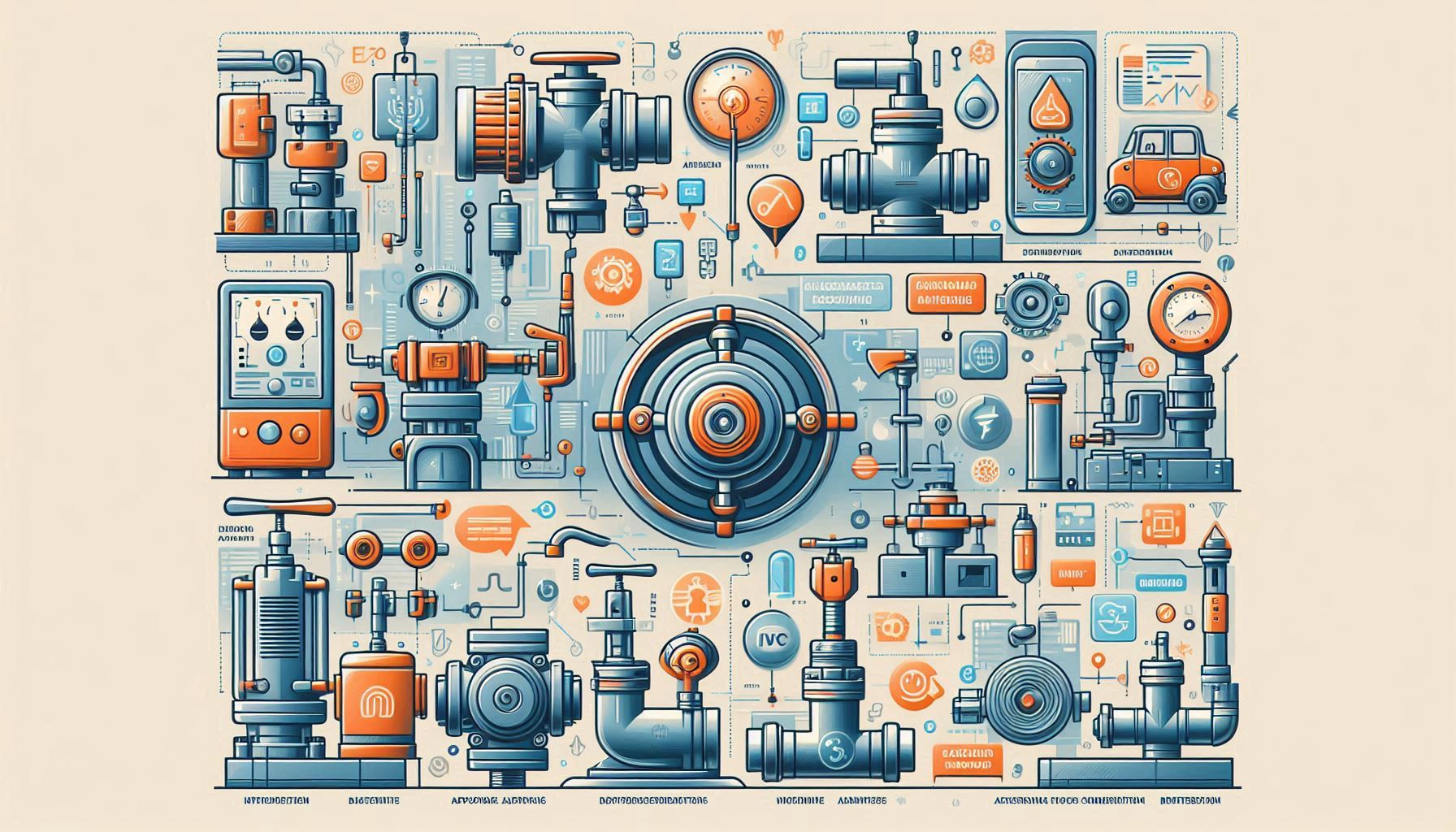
Troubleshooting HVAC valve issues guide with tools and techniques for effective maintenance.

Understanding and troubleshooting the HVAC valves issues are essential for maintaining a well-functioning HVAC system. This guide will help you identify and resolve common valve problems to ensure optimal performance.

What Are Common Symptoms of Faulty HVAC Valves?

Faulty HVAC valves can manifest in several ways. One common symptom is a noticeable drop in system efficiency. If your system struggles to heat or cool as it should, a malfunctioning valve might be the cause. Another indicator is unusual noises like banging or hissing, which suggest that the valve isn’t operating properly.

Inconsistent room temperatures can also signal valve issues. If certain areas of your building are significantly warmer or cooler than others, it could be due to a valve failing to regulate the flow of air or refrigerant effectively. Additionally, an unexplained increase in your energy bills might indicate that your system is overworking due to a faulty valve. Identifying these symptoms early can help prevent more severe problems.

To know more about How to Optimize Vibration Control Click Here

How to Identify Leaking HVAC Valves in a System?

Identifying leaks in HVAC valves is crucial for preventing system damage. Start with a visual inspection to look for signs of moisture or corrosion around the valve. These are often indicators of a leak. Another method is to apply a soapy water solution to the valve’s connections. If bubbles form, it means there is a leak.

Using a refrigerant leak detector is a more precise approach. This tool can detect even minor leaks and is essential for accurate diagnosis. Regularly checking for leaks can help maintain your system’s efficiency and prevent costly repairs.

What Are the Most Frequent Causes of HVAC Valve Failures?

HVAC valve failures often stem from a few common causes. Wear and tear from repeated use is a primary factor. Over time, the components of a valve can degrade, leading to leaks or complete failure. Dirt and debris can also obstruct the valve, affecting its performance.

Incorrect installation is another significant cause. Misalignment during installation can result in premature valve failure. Additionally, extreme temperature fluctuations can cause the valve materials to expand and contract, leading to fatigue and failure. Regular maintenance and correct installation procedures can mitigate these issues.

How to Diagnose HVAC Valve Malfunctions Using Basic Tools?

Diagnosing HVAC valve malfunctions can be done effectively with basic tools. Start by turning off the system for safety. Use a flashlight to inspect the valve for visible damage or debris.

A screwdriver can help open the valve housing to check for internal issues. If the valve is clogged or damaged, it may need cleaning or replacement. Use a multimeter to test the electrical connections for proper voltage and continuity. These basic diagnostic steps can help identify the problem without requiring advanced tools.

What Steps Should Be Taken to Troubleshoot Stuck HVAC Valves?

When dealing with a stuck HVAC valve, start by checking for physical obstructions. Turn off the system and inspect the valve for debris or corrosion that may be causing it to stick. Remove any blockages and clean the valve if needed.

If the valve remains stuck, the actuator might be at fault. Check the actuator’s connections and ensure it’s receiving the correct voltage. If the actuator is malfunctioning, replacing it might be necessary. Regular lubrication of the valve can also prevent sticking issues in the future.

How Can You Address Issues with HVAC Valve Actuators?

HVAC valve actuators are crucial for proper valve operation. To address actuator issues, first check if the actuator is receiving power. Use a multimeter to measure the voltage at the actuator terminals.

Inspect the actuator for physical damage or wear. If the actuator is not functioning correctly despite receiving power, it might need replacement. Regular maintenance, including checking connections and lubrication, can help prolong the life of actuators and prevent issues.

What Are Effective Methods for Fixing Noisy HVAC Valves?

Fixing noisy HVAC valves involves several steps. Start by tightening any loose components around the valve. Noise can also result from air trapped in the system, so bleeding the air out can often help.

If the noise continues, inspect the valve for wear or damage. Replacing worn parts may be necessary. Lubricating the valve with high-quality, manufacturer-recommended lubricants can reduce friction and noise. Regular maintenance and proper lubrication are key to minimizing noise and ensuring smooth valve operation.

How to Resolve HVAC Valve Calibration Problems?

HVAC valve calibration problems can impact system performance. Start by checking the valve settings against the manufacturer’s specifications. Ensure the valve is set correctly for your system’s needs. If adjustments are necessary, follow the manufacturer’s calibration guidelines.

Inspect the actuator and control systems for any issues. Calibration problems can also stem from faulty actuators or control boards. Use diagnostic tools to check electrical signals and adjust control parameters as needed. Regular calibration ensures the valve operates correctly and maintains system efficiency.

What Role Do Control Systems Play in HVAC Valve Troubleshooting?

Control systems are essential for the operation and troubleshooting of HVAC valves. They manage the opening and closing of valves based on system demands. When troubleshooting valve issues, check the control system to ensure it is sending the correct signals to the valve.

Diagnostic tools can help identify software or firmware issues within the control system. Updating or reprogramming the control system may resolve some problems. Properly functioning control systems are critical for maintaining efficient valve operation and overall system performance.

FAQ

What are three common valve failures?

Three common valve failures include leaks due to wear and tear, obstructions from dirt and debris, and issues stemming from incorrect installation.

How to troubleshoot HVAC problems?

To troubleshoot HVAC problems, start with a visual inspection, check for leaks, use basic tools to diagnose issues, and test electrical connections.

To know more about Over Design Issues in HVAC Click Here

What is the common problem in control valve?

A common problem in control valves is improper calibration, which can lead to inefficiency and inconsistent system performance.

How to troubleshoot a solenoid valve?

To troubleshoot a solenoid valve, check for power at the terminals, inspect for physical damage, and ensure the valve is clean and unobstructed.

HVAC valves how to troubleshoot common issues pdf?

Download the “HVAC Valves How to Troubleshoot Common Issues” PDF guide from reputable HVAC websites for detailed troubleshooting steps and maintenance tips.

Symptoms of bad gas valve on furnace?

Symptoms of a bad gas valve on a furnace include difficulty igniting the furnace, inconsistent heating, and unusual noises such as clicking or hissing.

Gas valve Troubleshooting guide?

A gas valve troubleshooting guide will typically include steps for checking for leaks, testing electrical connections, and inspecting for physical damage or wear.

Furnace gas valve not opening?

If a furnace gas valve is not opening, check for electrical issues, inspect the valve for obstructions, and ensure the control system is functioning properly.

New gas valve not working?

If a new gas valve is not working, verify the installation, check for electrical continuity, and ensure that there are no obstructions or leaks.

Is a faulty gas valve dangerous?

Yes, a faulty gas valve can be dangerous as it may lead to gas leaks, posing fire and health risks. Immediate inspection and repair are crucial.

What causes gas valve failure?

Gas valve failure can be caused by wear and tear, dirt and debris, incorrect installation, and extreme temperature fluctuations affecting the valve materials.

Furnace gas valve clicks but no gas?

If a furnace gas valve clicks but no gas flows, the issue could be with the control system, electrical connections, or a blocked valve.

Conclusion

Troubleshooting HVAC valve issues involves identifying symptoms, diagnosing problems, and applying effective solutions. By understanding common valve problems and their causes, you can take proactive steps to maintain your HVAC system. Regular maintenance, timely repairs, and proper calibration are essential for ensuring your HVAC valves function smoothly and efficiently. Implement these practices to enhance system reliability and performance, preventing costly repairs and maintaining comfort in your space.

To know more about Net Zero in HVAC System Click Here

About The Author

Omprakash Ramagiri; as the Founder of HVAC Technocrats, I bring over 18 years of experience as a Mechanical Engineer specializing in HVAC (Central Air-conditioning) for commercial, cleanrooms, data centers, and Petrochemical industries. Throughout my career, I’ve held pivotal roles at companies like TATA Consulting Engineers, MW Zander (for Cleanroom solutions), Bluestar Malaysia, and ETA in Dubai. I’ve managed international HVAC projects and gained valuable exposure in dynamic markets like Dubai and Saudi Arabia. With a passion for excellence and a commitment to innovative solutions, I specialize in designing Class 10K & 100K Cleanrooms for various industries. Connect with me to explore collaborations in HVAC design, project sales, and consultancy. Click to visit the Author’s Linkedin page


Disclaimer: The pictures used are for illustrative purposes only. They may not depict actual products or situations and are meant for educational purposes. Actual products, situations, or outcomes may differ.

Hazardous Area Classification: Innovative HVAC for Petrochemical

Hazardous Area Classification: Innovative HVAC for Petrochemical

Hazardous area classification in petrochemical plants come with unique challenges for HVAC systems. These environments are full of explosive gases, flammable vapors, and volatile chemicals. Specialized HVAC solutions are essential to ensure safety, efficiency, and compliance with regulations. This article explores innovative HVAC solutions tailored for these hazardous areas, focusing on the latest technologies, design considerations, and best practices.

Understanding Hazardous Area Classification in Petrochemical Plants

Hazardous areas in petrochemical plants are classified based on the presence and concentration of explosive gases, vapors, and dust. These classifications guide the design and implementation of HVAC systems to prevent ignition sources and control environmental conditions. Key classifications include:

  • Class I, Division 1: Areas where hazardous concentrations are present under normal operation.
  • Class I, Division 2: Areas where hazardous concentrations are likely only during abnormal conditions.

Understanding these classifications is crucial for developing HVAC solutions that mitigate risks and maintain safety.

Explosion-Proof HVAC Equipment for Hazardous Area Classification

One primary consideration for HVAC systems in hazardous areas is the use of explosion-proof equipment. This equipment is designed to contain any sparks or explosions within the device, preventing them from igniting surrounding hazardous substances. Key components include:

  • Explosion-Proof Air Handling Units (AHUs): These units are built with robust enclosures and sealed to prevent any ignition.
  • Explosion-Proof Motors and Fans: Designed to operate safely in hazardous environments without generating sparks.
  • Explosion-Proof Thermostats and Sensors: Ensuring accurate monitoring and control of environmental conditions without risk.

Specialized Ventilation Systems in Hazardous Area Classification

Positive Pressure Ventilation

Maintaining a higher pressure inside the controlled environment to prevent the ingress of hazardous substances.

Local Exhaust Ventilation (LEV)

Capturing and exhausting contaminants directly from the source to prevent their spread.

Custom Ductwork Design

Using corrosion-resistant materials and specialized sealing techniques to ensure airtightness and durability.

Effective ventilation is critical in hazardous areas to dilute and remove hazardous gases and vapors. Innovative ventilation solutions include:

Advanced Filtration and Air Purification

Filtration and air purification are essential to remove contaminants from the air in hazardous areas. Advanced solutions include:

  • HEPA and ULPA Filters: High-efficiency particulate air filters that capture fine particles and aerosols.
  • Activated Carbon Filters: Effective in adsorbing volatile organic compounds (VOCs) and other hazardous gases.
  • UV-C Air Purification: Using ultraviolet light to neutralize airborne pathogens and reduce microbial contamination.

HVAC Control Systems and Automation

Automation plays a significant role in enhancing the safety and efficiency of HVAC systems in hazardous areas. Advanced control systems offer:

  • Real-Time Monitoring: Continuous monitoring of environmental conditions with immediate alerts for any deviations.
  • Automated Shutdown: Automatic shutdown of HVAC systems in response to hazardous conditions to prevent accidents.
  • Remote Control and Diagnostics: Allowing operators to manage and troubleshoot systems from a safe distance.

Case Study: HVAC Solutions in a Petrochemical Plant

Consider a petrochemical plant that implemented an innovative HVAC solution for its hazardous areas. The plant integrated explosion-proof AHUs, advanced filtration systems, and an automated control system. This combination resulted in:

  • Improved Safety: Enhanced protection against ignition sources and better control of hazardous substances.
  • Increased Efficiency: Optimized energy use and reduced operational costs through automated controls. To know more about How to reduce HVAC energy consumption in petrochemical industry Click Here
  • Regulatory Compliance: Adherence to industry standards and regulations, ensuring safe and legal operation.

Best Practices for HVAC in Hazardous Areas

Implementing HVAC solutions in hazardous areas requires adherence to best practices, including:

  • Regular Maintenance and Inspection: Ensuring all HVAC components are in good working condition and compliant with safety standards.
  • Staff Training: Educating staff on the operation and maintenance of HVAC systems in hazardous environments.
  • Risk Assessment: Conducting thorough risk assessments to identify potential hazards and implement appropriate controls.

FAQ

What is Zone 0, 1, and 2 Hazardous Area Classification?

Zone 0, 1, and 2 are classifications used to describe the level of risk in areas where explosive atmospheres may occur.

  • Zone 0: An area where an explosive atmosphere is present continuously or for long periods. This zone requires the highest level of safety measures.
  • Zone 1: An area where an explosive atmosphere is likely to occur during normal operation. Safety measures are needed but are less stringent than Zone 0.
  • Zone 2: An area where an explosive atmosphere is not likely to occur during normal operation and, if it does, will exist only for a short period. The safety requirements here are less strict compared to Zone 0 and Zone 1.

What is a Hazardous Area Classification IIA, IIB, IIC?

IA, IIB, and IIC classify the types of explosive atmospheres based on their potential for causing explosions.

  • IIA: Atmospheres that are less hazardous. They are associated with gases and vapors that have a lower risk of ignition.
  • IIB: Atmospheres with a higher risk compared to IIA. These include gases and vapors that are more easily ignited.
  • IIC: The most hazardous. It includes the most easily ignitable gases and vapors, such as hydrogen or acetylene, requiring the highest safety standards.

What are Class 1, Class 2, Class 3 Hazardous Locations?

Class 1, Class 2, and Class 3 designations define locations based on the type of hazardous materials present.

  • Class 1: Locations where flammable gases or vapors are present in the air. Examples include petrochemical facilities and oil refineries.
  • Class 2: Areas where combustible dust is present. This can include locations where grain dust or other dusts that can become explosive are generated.
  • Class 3: Locations where easily ignitable fibers or flying materials are present. These include areas where fibers from textiles or other materials might be airborne.

What is IEC Hazardous Area Classification?

IEC Hazardous Area Classification refers to the International Electrotechnical Commission standards used to classify hazardous areas where explosive atmospheres may be present. These standards ensure that electrical equipment used in such areas meets rigorous safety requirements to prevent ignition.

Hazardous Area Classification Innovative HVAC for Petrochemical PPT

A PowerPoint presentation (PPT) on this topic would cover how innovative HVAC solutions address the specific challenges of hazardous areas in petrochemical plants. It might include information on advanced filtration systems, explosion-proof HVAC equipment, and automation technologies to enhance safety and efficiency.

Hazardous Area Classification Innovative HVAC for Petrochemical Slideshare

You can find a SlideShare presentation on this topic that might include visual summaries of the key aspects of innovative HVAC solutions for hazardous areas in petrochemical plants, showcasing various technologies and their benefits.

Hazardous Area Classification Innovative HVAC for Petrochemical Slide

A single slide might summarize how new HVAC technologies improve safety and efficiency in hazardous petrochemical environments. This could highlight specific products or strategies for dealing with explosive atmospheres.

Hazardous Area Classification Innovative HVAC for Petrochemical PDF

A PDF document on this topic would provide a detailed overview of innovative HVAC solutions for hazardous areas in petrochemical plants. It might include case studies, technical specifications, and safety guidelines.

Hazardous Area Classification Chart

A chart for hazardous area classification typically visualizes different zones and their associated safety requirements, helping to quickly understand the level of risk and necessary precautions.

Hazardous Area Classification PDF

A PDF document on hazardous area classification would offer comprehensive details on various classification systems, safety standards, and best practices for managing explosive atmospheres.

Hazardous Area Classification Innovative HVAC for Petrochemical QUI

A questionnaire (QUI) could be used to assess knowledge or gather feedback on how innovative HVAC solutions meet the needs of hazardous areas in petrochemical facilities.

Hazardous Area Classification Zone 0, 1, 2 PDF

A PDF document focused on Zone 0, 1, and 2 would provide detailed descriptions of these zones, including examples and safety measures required for each, relevant to hazardous areas in petrochemical plants.

Conclusion

Innovative HVAC solutions are essential for managing the unique challenges of hazardous areas in petrochemical plants. By incorporating explosion-proof equipment, specialized ventilation systems, advanced filtration, and automation, these solutions enhance safety, efficiency, and compliance. As technology continues to evolve, the petrochemical industry can expect even more advanced HVAC systems that further mitigate risks and improve operational performance.

About The Author

Omprakash Ramagiri; as the Founder of HVAC Technocrats, I bring over 18 years of experience as a Mechanical Engineer specializing in HVAC (Central Air-conditioning) for commercial, cleanrooms, data centers, and Petrochemical industries. Throughout my career, I’ve held pivotal roles at companies like TATA Consulting Engineers, MW Zander (for Cleanroom solutions), Bluestar Malaysia, and ETA in Dubai. I’ve managed international HVAC projects and gained valuable exposure in dynamic markets like Dubai and Saudi Arabia. With a passion for excellence and a commitment to innovative solutions, I specialize in designing Class 10K & 100K Cleanrooms for various industries. Connect with me to explore collaborations in HVAC design, project sales, and consultancy. Click to visit the Author’s Linkedin page


Disclaimer: The pictures used are for illustrative purposes only. They may not depict actual products or situations and are meant for educational purposes. Actual products, situations, or outcomes may differ.

Net Zero Energy Building: How to Achieve High-Performance

Net Zero Energy Building HVAC Systems

As the world faces the pressing challenges of climate change and energy consumption, Net Zero Energy Building (NZEB) have emerged as a crucial solution in the quest for sustainability. These buildings are designed to generate as much energy as they consume over the course of a year, effectively balancing their energy footprint. Achieving this ambitious goal involves the integration of advanced HVAC systems, innovative technologies, and strict adherence to energy efficiency standards. In this article, we will explore the key components, strategies, and future trends that define high-performance HVAC systems within Net Zero Energy Buildings, highlighting their vital role in creating environmentally responsible and energy-efficient built environments.

Understanding Net Zero Energy Building Standards and Requirements

Net Zero Energy Buildings strive to achieve a delicate balance by generating as much energy as they consume annually. This objective hinges on strict standards and requirements that dictate energy efficiency benchmarks. These buildings rely heavily on renewable energy sources like solar and wind power to offset their energy demands, ensuring minimal environmental impact. By adhering to these standards, they contribute to a sustainable future.

Key Components of High-Performance HVAC Systems

High-performance HVAC systems in Net Zero Energy Buildings integrate advanced technologies such as variable refrigerant flow (VRF) and energy recovery ventilation. These components are crucial for optimizing energy usage by dynamically adjusting cooling and heating operations based on real-time needs. By enhancing indoor comfort and reducing energy wastage, these systems play a pivotal role in achieving sustainability goals.

Integrating AI Automation for Optimal HVAC Performance

AI automation is instrumental in maximizing HVAC efficiency within Net Zero Energy Buildings. Utilizing smart sensors and predictive analytics, these systems can pre-emptively adjust temperature and airflow. This proactive approach not only enhances energy efficiency but also reduces operational costs over time. As a result, AI automation has become a cornerstone of modern building management strategies.

Reducing Carbon Footprint: Strategies for Low GWP HVAC Systems

To minimize carbon footprint, Net Zero Energy Buildings adopt HVAC systems with low Global Warming Potential (GWP) refrigerants. These eco-friendly alternatives effectively mitigate greenhouse gas emissions without compromising cooling and heating efficiency. This approach aligns with sustainability objectives, ensuring these buildings contribute positively to environmental conservation.

Innovative Technologies Driving Energy Efficiency in HVAC

Innovative HVAC technologies, such as geothermal heat pumps and advanced insulation materials, significantly enhance energy efficiency in Net Zero Energy Buildings. By harnessing natural energy sources and optimizing thermal performance, these technologies contribute to overall sustainability and operational cost savings. These advancements are crucial for meeting the energy needs of modern buildings.

Sustainability Initiatives in Net Zero Energy Buildings

Sustainability initiatives encompass a holistic approach to building design and operation in Net Zero Energy Buildings. Strategies like passive design principles, green roofs, and rainwater harvesting systems promote environmental responsibility. Additionally, these initiatives enhance building resilience against climate change impacts, ensuring long-term sustainability.

Complying with Energy Efficiency Codes and Standards

Adhering to stringent energy efficiency codes and standards ensures that Net Zero Energy Buildings meet regulatory requirements. This involves rigorous energy modeling, performance testing, and documentation to verify HVAC systems operate at peak efficiency levels throughout their lifecycle. Compliance with these standards is essential for achieving net zero energy goals.

The Role of Renewable Energy in HVAC Systems

Renewable energy sources like solar panels and wind turbines play a critical role in powering HVAC systems within Net Zero Energy Buildings. These onsite energy sources generate clean electricity, reducing reliance on fossil fuels. By supporting sustainable energy practices, these buildings contribute to a greener future.

Optimizing Indoor Air Quality in Net Zero Buildings

Maintaining superior indoor air quality is paramount in Net Zero Energy Buildings. Advanced filtration systems, well-designed ventilation strategies, and low-emission building materials ensure occupants enjoy healthy, comfortable indoor environments. These measures also help minimize energy consumption, contributing to overall building efficiency.

Challenges and Solutions in Net Zero Energy HVAC Design

Designing HVAC systems for Net Zero Energy Buildings presents unique challenges. Balancing energy efficiency with thermal comfort and cost-effectiveness requires innovative solutions. Integrated design approaches, lifecycle assessments, and continuous performance monitoring are essential for optimizing system efficiency and reliability. These strategies ensure that HVAC systems meet the rigorous demands of net zero energy buildings.

Lifecycle Assessment of HVAC Systems: Environmental Impact

Conducting lifecycle assessments evaluates the environmental impact of HVAC systems in Net Zero Energy Buildings. Assessments consider manufacturing, installation, operation, and disposal phases. This comprehensive analysis quantifies carbon footprint, energy use, and resource consumption over the system’s entire lifecycle. Such evaluations are critical for sustainable building practices.

Future Trends in High-Performance HVAC for Net Zero Buildings

Future trends in high-performance HVAC for Net Zero Energy Buildings focus on advancing technology integration. Enhancing system intelligence and promoting circular economy principles are key objectives. These trends aim to further reduce energy consumption, improve system resilience, and support sustainable development goals. As technology evolves, these buildings will continue to set new standards for energy efficiency.

FAQ

How can zero energy building be achieved?

Achieving a zero energy building involves a combination of energy efficiency strategies, renewable energy integration, and smart building practices. This includes using high-performance HVAC systems, advanced insulation, energy-efficient windows, and renewable energy sources such as solar panels and wind turbines. Implementing passive design principles to optimize natural light and ventilation also plays a crucial role. These measures collectively reduce energy consumption and offset the remaining energy use with renewable sources.

How to achieve a net zero building?

To achieve a net zero building, start with a detailed energy audit to identify areas for improvement. Incorporate energy-efficient technologies such as LED lighting, high-efficiency HVAC systems, and smart thermostats. Maximize the use of renewable energy by installing solar panels or wind turbines. Additionally, employ advanced insulation materials and energy-efficient windows to minimize energy loss. Regularly monitor and adjust energy usage to ensure that the building remains net zero over time.

What are three most important features/qualities of a net-zero energy building?

The three most important features of a net-zero energy building are:

  • Energy Efficiency: Utilizing high-performance HVAC systems, advanced insulation, and energy-efficient windows to reduce energy consumption.
  • Renewable Energy Integration: Incorporating renewable energy sources such as solar panels and wind turbines to generate clean energy on-site.
  • Smart Building Technologies: Using smart sensors and automation systems to optimize energy usage and improve building performance.

What is one technique used in zero energy building?

One key technique used in zero energy buildings is the implementation of passive design principles. This involves optimizing the building’s orientation, window placement, and materials to maximize natural light and ventilation, reducing the need for artificial lighting and mechanical cooling or heating. By leveraging natural elements, passive design significantly lowers energy consumption and enhances occupant comfort.

Net zero energy building: How to achieve high performance in HVAC systems?

To achieve high performance in HVAC systems for net zero energy buildings, integrate advanced technologies such as variable refrigerant flow (VRF) and energy recovery ventilation (ERV). These systems dynamically adjust cooling and heating based on real-time needs, optimizing energy usage. Incorporating AI automation for predictive maintenance and energy management further enhances system efficiency. Additionally, use low Global Warming Potential (GWP) refrigerants to minimize environmental impact.

How to achieve net zero energy building?

Achieving a net zero energy building requires a comprehensive approach. Start with energy-efficient design and construction practices, including advanced insulation, high-performance windows, and energy-efficient HVAC systems. Integrate renewable energy sources like solar panels and wind turbines to generate on-site energy. Employ smart building technologies to monitor and manage energy use. Regularly assess and adjust energy strategies to maintain net zero energy balance.

What are the technologies for net-zero energy building?

Technologies for net-zero energy buildings include:

  • Solar panels and wind turbines for renewable energy generation
  • High-efficiency HVAC systems such as VRF and ERV
  • Advanced insulation materials and energy-efficient windows
  • Smart sensors and building automation systems
  • Geothermal heat pumps and energy recovery systems

How does a building achieve net-zero energy?

A building achieves net-zero energy by balancing its total energy consumption with renewable energy production. This involves implementing energy-efficient systems and technologies, reducing overall energy demand, and generating sufficient renewable energy to offset the remaining energy use. Regular monitoring and maintenance ensure the building continues to operate efficiently and sustainably.

What materials are used in net-zero energy buildings?

Materials used in net-zero energy buildings include:

  • High-performance insulation materials to minimize heat loss
  • Energy-efficient windows and doors to enhance thermal performance
  • Renewable energy systems like solar panels and wind turbines
  • Low-emission building materials to improve indoor air quality
  • Recycled and sustainable construction materials

What is a net-zero energy system?

A net-zero energy system is a comprehensive approach to building design and operation that balances energy consumption with renewable energy production. This system integrates energy-efficient technologies, renewable energy sources, and smart building practices to ensure that the building generates as much energy as it uses over the course of a year. The goal is to achieve a sustainable and environmentally friendly energy balance.

Net zero energy building HVAC systems PDF

To find detailed information on net-zero energy building HVAC systems in PDF format, you can refer to industry reports, academic papers, and technical guides available online. Resources from organizations like the U.S. Department of Energy, ASHRAE, and the International Energy Agency often provide comprehensive PDFs on this topic. These documents typically cover best practices, technological advancements, and case studies relevant to high-performance HVAC systems in net-zero energy buildings.

Best net-zero energy building HVAC systems

The best net-zero energy building HVAC systems include those that combine energy efficiency with advanced technology. Systems such as:

  • Variable Refrigerant Flow (VRF) systems for precise temperature control
  • Energy Recovery Ventilation (ERV) for efficient air exchange
  • Geothermal heat pumps for sustainable heating and cooling
  • Smart thermostats and automation systems for optimized energy management

These systems are designed to minimize energy consumption while maximizing indoor comfort and environmental sustainability.

Conclusion

Achieving high-performance HVAC systems in Net Zero Energy Buildings requires a strategic blend of innovative technologies, sustainable design practices, and compliance with stringent energy standards. By integrating renewable energy sources, optimizing system efficiency, and prioritizing indoor air quality, these buildings can set new benchmarks for environmental sustainability and operational excellence. This comprehensive approach paves the way for a greener, more sustainable future in building design and construction.

About The Author

Omprakash Ramagiri; as the Founder of HVAC Technocrats, I bring over 18 years of experience as a Mechanical Engineer specializing in HVAC (Central Air-conditioning) for commercial, cleanrooms, data centers, and Petrochemical industries. Throughout my career, I’ve held pivotal roles at companies like TATA Consulting Engineers, MW Zander (for Cleanroom solutions), Bluestar Malaysia, and ETA in Dubai. I’ve managed international HVAC projects and gained valuable exposure in dynamic markets like Dubai and Saudi Arabia. With a passion for excellence and a commitment to innovative solutions, I specialize in designing Class 10K & 100K Cleanrooms for various industries. Connect with me to explore collaborations in HVAC design, project sales, and consultancy. Click to visit the Author’s Linkedin page


Disclaimer: The pictures used are for illustrative purposes only. They may not depict actual products or situations and are meant for educational purposes. Actual products, situations, or outcomes may differ.

Disinfectant: How to Detect Hidden Problems in Sterile Cleanroom

Sterile cleanroom disinfectant being applied to a laboratory surface.

Sterile cleanroom disinfectant are crucial in maintaining contamination-free environments. However, hidden problems in these disinfectants can undermine their effectiveness. This article will guide you through the process of detecting and addressing these issues, ensuring your cleanroom remains truly sterile.

Understanding the Importance of Effective Cleanroom Disinfectant

Effective disinfectants are the backbone of any sterile cleanroom. They prevent microbial contamination, ensuring product safety and compliance with industry standards. But what happens when these disinfectants harbor hidden problems? Detecting these issues early is key to maintaining a sterile environment.

Identifying Hidden Problems in Cleanroom Disinfectant

Hidden problems in disinfectants can range from ineffective microbial control to harmful residues. Here are some common issues:

  • Microbial Resistance: Over time, microbes can develop resistance to certain disinfectants, reducing their effectiveness.
  • Chemical Residues: Residues left behind can interfere with sensitive equipment and processes.
  • Inconsistent Efficacy: Variations in concentration or application can lead to inconsistent results.
  • Compliance Issues: Disinfectants must meet regulatory standards. Hidden problems can cause compliance failures.
  • Health Risks: Certain disinfectants may pose health risks to personnel if not used correctly.

Steps to Detect Microbial Resistance

Microbial resistance is a significant issue. Regularly test your disinfectants to ensure they remain effective. Here’s how:

  • Conduct Routine Tests: Regular microbial tests help identify resistance early.
  • Rotate Disinfectants: Using different disinfectants can prevent resistance.
  • Monitor Microbial Loads: Keep track of microbial levels in your cleanroom.
  • Review Cleaning Protocols: Ensure protocols are followed accurately.

Assessing for Chemical Residues

Chemical residues can compromise cleanroom operations. Detecting these residues is vital:

  • Visual Inspections: Regularly inspect surfaces for visible residues.
  • Swab Tests: Perform swab tests to detect chemical residues.
  • Review Cleaning Procedures: Ensure proper rinsing after disinfectant use.
  • Test with Sensitive Equipment: Use equipment that can detect minimal residue levels.

Ensuring Consistent Efficacy

Consistency is crucial in disinfectant application. Follow these steps to ensure uniform efficacy:

  • Check Concentration: Always use the correct disinfectant concentration.
  • Standardize Application Methods: Ensure all personnel follow the same application procedures.
  • Regular Training: Train staff on proper disinfectant use and application.
  • Documentation: Keep detailed records of disinfectant usage and application techniques.

Ensuring Compliance with Regulatory Standards

Compliance with regulatory standards is non-negotiable. Detect and address hidden compliance issues by:

  • Regular Audits: Conduct regular internal and external audits.
  • Stay Updated: Keep up with the latest regulatory changes and guidelines.
  • Documentation: Maintain thorough documentation of disinfectant usage and efficacy.
  • Third-Party Testing: Use third-party labs to verify disinfectant efficacy and compliance.

Monitoring for Health Risks against disinfectant

Disinfectants should not pose health risks to personnel. Here’s how to detect potential health hazards:

  • Review Safety Data Sheets (SDS): Always review and follow the safety guidelines provided in the SDS.
  • Monitor for Symptoms: Keep an eye out for any symptoms among staff that could indicate exposure to harmful disinfectants.
  • Proper Ventilation: Ensure the cleanroom has proper ventilation to minimize inhalation risks.
  • Personal Protective Equipment (PPE): Ensure all staff use appropriate PPE when handling disinfectants.

Regular Testing and Monitoring

Regular testing and monitoring are essential for detecting hidden problems in disinfectants. Implement a robust testing schedule:

  • Microbial Testing: Conduct routine microbial testing to detect any resistance issues.
  • Residue Testing: Perform regular tests to ensure no harmful residues remain.
  • Efficacy Testing: Regularly test the efficacy of your disinfectants.
  • Compliance Testing: Ensure your disinfectants comply with all relevant standards and regulations.

Training and Education

Proper training and education are vital for detecting and addressing hidden problems. Educate your staff on the following:

  • Proper Disinfectant Use: Train staff on the correct use of disinfectants.
  • Detection Techniques: Teach staff how to detect potential issues early.
  • Regulatory Compliance: Ensure staff are aware of regulatory standards and requirements.
  • Health and Safety Protocols: Educate staff on health and safety protocols to minimize risks.

Choosing the Right Disinfectant

Selecting the right disinfectant can prevent many hidden problems. Consider these factors when choosing a disinfectant:

  • Efficacy: Ensure the disinfectant is effective against a wide range of microbes.
  • Compatibility: Verify that the disinfectant is compatible with your cleanroom materials and equipment.
  • Safety: Choose disinfectants that pose minimal health risks to personnel.
  • Regulatory Compliance: Ensure the disinfectant meets all relevant regulatory standards.

FAQ

How do you test the effects of disinfectant?

Testing disinfectants involves several methods. Microbial tests measure how effectively the disinfectant kills or inhibits microorganisms. Surface compatibility tests ensure the disinfectant doesn’t damage materials in the cleanroom. Residue analysis checks for any leftover chemicals that might interfere with equipment. Lastly, efficacy over time tests assess if the disinfectant remains effective after repeated use.

What are the disinfectant validation requirements for cleanrooms?

Disinfectant validation for cleanrooms ensures the cleaning agents are effective and safe. It involves several steps, including selecting appropriate disinfectants, validating their efficacy through microbial tests, ensuring they don’t leave harmful residues, and checking their compatibility with cleanroom surfaces. Additionally, regular audits and compliance checks are crucial to maintaining standards.

What is the test for disinfectant efficiency?

Disinfectant efficiency is tested using microbial load reduction tests. These tests involve applying the disinfectant to a contaminated surface and measuring the reduction in microorganisms. Another method is the use-dilution test, which assesses the disinfectant’s effectiveness at various concentrations. Consistent results over time indicate high efficiency.

What are the common hidden problems in sterile cleanroom disinfectant?

Common hidden problems in disinfectants include microbial resistance, chemical residues, inconsistent efficacy, compliance issues, and potential health risks. Microbial resistance can reduce effectiveness. Residues might interfere with processes. Inconsistent application can lead to varying results. Compliance issues arise if the disinfectant doesn’t meet regulatory standards. Health risks occur if the disinfectant is hazardous to personnel.

How can I detect microbial resistance in my disinfectant?

Detecting microbial resistance involves regular microbial testing. These tests identify if microorganisms are becoming resistant to the disinfectant. Rotating disinfectants can prevent resistance. Monitoring microbial loads in the cleanroom and reviewing cleaning protocols also help in early detection of resistance.

What steps can I take to ensure my disinfectants do not leave harmful residues?

To ensure disinfectants do not leave harmful residues, perform visual inspections and swab tests regularly. Proper rinsing procedures should be followed to remove any leftover chemicals. Testing with sensitive equipment can detect minimal residue levels. Reviewing and updating cleaning procedures is also essential to prevent residue buildup.

How can I ensure my disinfectants consistently work effectively?

Consistency in disinfectant efficacy can be maintained by using the correct concentration, standardizing application methods, and providing regular training to staff. Detailed records of disinfectant usage and techniques help track consistency. Periodic efficacy tests ensure the disinfectant remains effective over time.

What should I do to ensure my disinfectants comply with regulatory standards?

Ensure regulatory compliance by conducting regular internal and external audits. Stay updated on the latest regulatory changes and guidelines. Maintain thorough documentation of disinfectant usage and efficacy. Using third-party labs to verify compliance and efficacy can provide an additional layer of assurance.

How can I prevent health risks associated with disinfectant?

Prevent health risks by reviewing Safety Data Sheets (SDS) and following the recommended safety guidelines. Monitor staff for any symptoms indicating exposure to harmful disinfectants. Ensure proper ventilation in the cleanroom to minimize inhalation risks. Provide appropriate personal protective equipment (PPE) for staff handling disinfectants.

Conclusion

Detecting hidden problems in your sterile cleanroom disinfectant is essential for maintaining a sterile environment. Regular testing, proper training, and vigilant monitoring can help you identify and address these issues early. By following these guidelines, you can ensure your cleanroom remains contamination-free and compliant with industry standards.

About The Author

Omprakash Ramagiri; as the Founder of HVAC Technocrats, I bring over 18 years of experience as a Mechanical Engineer specializing in HVAC (Central Air-conditioning) for commercial, cleanrooms, data centers, and Petrochemical industries. Throughout my career, I’ve held pivotal roles at companies like TATA Consulting Engineers, MW Zander (for Cleanroom solutions), Bluestar Malaysia, and ETA in Dubai. I’ve managed international HVAC projects and gained valuable exposure in dynamic markets like Dubai and Saudi Arabia. With a passion for excellence and a commitment to innovative solutions, I specialize in designing Class 10K & 100K Cleanrooms for various industries. Connect with me to explore collaborations in HVAC design, project sales, and consultancy. Click to visit the Author’s Linkedin page


Disclaimer: The pictures used are for illustrative purposes only. They may not depict actual products or situations and are meant for educational purposes. Actual products, situations, or outcomes may differ.

Propane: What You Need to Know The Benefits in HVAC

Propane-based HVAC system with smart home technology controls.

As environmental concerns continue to drive innovations in building technologies, the adoption of propane based HVAC systems and natural ventilation strategies stands out for their significant benefits in energy efficiency and sustainability. These advancements, enhanced further by smart home technology, are reshaping how buildings are designed and operated, aiming to reduce carbon footprints and improve indoor environmental quality.

Propane Based HVAC Systems: Cleaner Energy Solutions

Propane, known for its clean-burning properties, is increasingly favored in HVAC systems over traditional fuels like natural gas or oil. This shift is motivated by its lower greenhouse gas emissions and reduced environmental impact. Unlike fossil fuels that emit pollutants during combustion, it burns cleanly, contributing to better indoor air quality and supporting efforts to combat climate change.

Smart Home Technology: Precision Control for Efficiency

Integrating smart home technology with HVAC systems enables precise control and automation based on real-time data and user preferences. Sensors monitor factors like occupancy and outdoor conditions to adjust heating and cooling accordingly, optimizing energy use and minimizing wastage. This technology not only enhances comfort but also supports energy efficiency goals by ensuring systems operate efficiently only when needed.

Environmental Benefits: Reducing Carbon Footprints

The combined adoption of propane based HVAC, natural ventilation, and smart home technology offers significant environmental advantages. By reducing energy consumption and greenhouse gas emissions, these systems help mitigate climate change impacts associated with building operations. Improved energy efficiency also translates into lower operational costs and promotes a sustainable built environment for future generations.

Energy Efficiency: Optimizing Building Performance using Propane

Efforts to enhance energy efficiency through advanced HVAC systems and natural ventilation strategies are crucial in modern building design. These initiatives not only lower energy bills but also reduce dependence on non-renewable resources. By optimizing building performance, stakeholders can achieve sustainability goals while improving indoor environmental quality and occupant comfort.

Benefits for Building Owners and Occupants

For building owners, adopting propane based HVAC systems combined with natural ventilation and smart home technology can lead to long-term cost savings and improved property value. Reduced energy bills and enhanced comfort contribute to tenant satisfaction and retention, making these technologies attractive investments in both residential and commercial sectors.

Natural Ventilation: Harnessing Nature’s Benefits

Natural ventilation utilizes openings in buildings—such as windows, doors, and vents—to facilitate airflow without relying heavily on mechanical systems. This approach not only lowers energy consumption but also enhances occupant comfort by providing fresh air and maintaining optimal indoor temperatures naturally. By reducing reliance on HVAC equipment, natural ventilation reduces operational costs and promotes sustainable building practices.

Challenges and Considerations

While the benefits of these technologies are clear, their adoption may pose challenges such as initial costs and retrofitting existing buildings. However, incentives and rebates offered by governments and utilities can offset these expenses, making the transition to sustainable HVAC solutions more financially viable.

Future Trends: Innovations in Sustainable Building

The future of building technologies is promising, with ongoing innovations focusing on enhancing the efficiency and sustainability of HVAC systems. Advancements in materials, design, and smart technologies will continue to drive improvements, making sustainable building practices the norm rather than the exception.

FAQs

How is propane good for the environment?

Propane benefits the environment in several ways:

  • Lower Carbon Emissions: Produces fewer carbon emissions compared to gasoline and diesel.
  • Versatile Applications: Efficient in heating, cooking, and transportation.
  • Non-toxic and Safe: Non-toxic and safe in case of leaks or spills.

What are the benefits of propane?

Propane offers various advantages beyond its environmental benefits:

  • Cost-Effective: Often more cost-effective than electricity or heating oil.
  • Reliable Energy Source: Ensures consistent supply even in remote areas.
  • Efficient Energy Production: High efficiency in appliances reduces energy bills.

What are the benefits of renewable propane?

Renewable propane provides additional environmental benefits:

  • Sustainable Production: Produced from renewable sources like biomass.
  • Lower Carbon Footprint: Emits fewer greenhouse gases than conventional propane.
  • Compatibility: Can be used in existing infrastructure without modification.

Which is better for the environment: propane or electric?

Propane vs. electric comparison in environmental impact:

  • Emissions: Propane generally emits fewer greenhouse gases than fossil fuel-generated electricity.
  • Efficiency: More energy-efficient in heating and cooking applications.
  • Resource Use: Resource-efficient compared to electricity production.

How does propane compare to electricity and heating oil in reducing emissions?

Propane’s lower emissions profile:

  • Greenhouse Gases: Emits less per unit of energy compared to heating oil.
  • Air Quality: Produces lower levels of pollutants like particulate matter.
  • Environmental Impact: Reduces overall environmental footprint compared to heating oil.

What air quality benefits does propane offer?

Propane improves air quality through:

  • Lower Emissions: Emits fewer pollutants contributing to smog and health issues.
  • Cleaner Combustion: Burns cleanly, reducing particulate matter in the air.
  • Health Benefits: Mitigates negative health impacts associated with poor air quality.

How does propane reduce global warming as a refrigerant?

Propane’s role in reducing global warming:

  • Low Global Warming Potential (GWP): Significantly lower than traditional refrigerants like HFCs.
  • Energy Efficiency: Highly efficient in refrigeration, reducing indirect emissions.
  • Sustainable Cooling: Minimizes impacts on climate change through sustainable use.

Is propane a green and eco-friendly fuel?

Yes, propane is considered green and eco-friendly because:

  • Reduced Emissions: Emits fewer pollutants and greenhouse gases.
  • Sustainable Sourcing: Renewable propane enhances eco-friendly credentials.
  • Environmental Benefits: Improves air quality and supports climate change mitigation.

Conclusion: Embracing Sustainable HVAC Solutions

In conclusion, the adoption of propane-based HVAC systems, complemented by natural ventilation strategies and smart home technology, represents a significant step towards achieving energy efficiency and sustainability in building design and operation. These innovations not only reduce environmental impacts but also enhance indoor comfort and lower operational costs. As awareness grows and technologies evolve, integrating these solutions becomes imperative for creating healthier, more resilient built environments for current and future generations.

About The Author

Omprakash Ramagiri; as the Founder of HVAC Technocrats, I bring over 18 years of experience as a Mechanical Engineer specializing in HVAC (Central Air-conditioning) for commercial, cleanrooms, data centers, and Petrochemical industries. Throughout my career, I’ve held pivotal roles at companies like TATA Consulting Engineers, MW Zander (for Cleanroom solutions), Bluestar Malaysia, and ETA in Dubai. I’ve managed international HVAC projects and gained valuable exposure in dynamic markets like Dubai and Saudi Arabia. With a passion for excellence and a commitment to innovative solutions, I specialize in designing Class 10K & 100K Cleanrooms for various industries. Connect with me to explore collaborations in HVAC design, project sales, and consultancy. Click to visit the Author’s Linkedin page


Disclaimer: The pictures used are for illustrative purposes only. They may not depict actual products or situations and are meant for educational purposes. Actual products, situations, or outcomes may differ.

Data Center: Maximize Financial Growth with Automated Payments

Construction site with data center integration enhancing payment automation.

The Data Center construction industry faces a significant challenge with slow payment processes, causing financial strain and operational inefficiencies. The complex payment chain and lack of financial expertise among small- and medium-sized businesses (SMBs) further exacerbate this issue. To address these challenges, a company has emerged with innovative back-office automation tools, aiming to revolutionize the construction payment landscape.

Revolutionizing Financial Management in Data Center

This company provides a suite of financial management tools tailored for general contractors. These tools include budgeting, expense tracking, and electronic payments. By integrating artificial intelligence (AI), the platform automates bookkeeping workflows, reducing manual tasks and minimizing errors. This automation is crucial for SMBs, which often struggle with complex financial management. Additionally, the company’s data center integration ensures robust and secure data handling, further enhancing the reliability and efficiency of their financial management system.

User-Friendly Interface in Data Center

The platform’s user-friendly interface ensures accessibility for users with limited financial knowledge. Simplifying the process empowers contractors to manage their finances more efficiently. As a result, payment cycles become quicker, and cash flow improves. This benefits not only the contractors but also the entire supply chain, fostering a healthier financial ecosystem. The data center integration also provides real-time access to financial data, making it easier for contractors to stay informed and make timely decisions.

Data Center Growth and Expansion Strategy

The company’s growth strategy focuses on customer acquisition and workforce expansion. Targeting subcontractor clients, they aim to extend their reach within the construction industry. By attracting top talent, they ensure continuous improvement of their platform, staying at the forefront of technological advancements. The incorporation of advanced data center technologies supports their scalable growth, providing the necessary infrastructure to handle an expanding customer base and increasing data volumes.

Integrated Financial Services

Exploring additional revenue streams through integrated financial services, the company provides a holistic solution for financial management. This approach addresses various aspects of financial management, offering a comprehensive platform that meets the evolving needs of the industry. Data center integration enhances these services by ensuring secure and efficient data processing, crucial for maintaining trust and reliability in financial transactions.

Impact on the Data Center Construction Industry

As the company grows, its impact on the construction industry becomes evident. Adoption of the platform leads to faster payment cycles, improved financial management, and greater operational efficiency for contractors and subcontractors. This drives productivity and growth, creating a ripple effect that benefits all stakeholders. The integration of data center technology ensures that these benefits are delivered consistently, with reliable and secure data handling at the core of their operations.

Understanding Industry Challenges

The company’s approach goes beyond technology. It involves understanding the unique challenges faced by the construction industry and providing tailored solutions. By combining advanced technology with industry-specific insights, they have created a platform that truly meets the needs of its users. The data center integration plays a key role in this approach, enabling the company to manage and process large volumes of financial data efficiently, which is critical for addressing the industry’s complexities.

Commitment to Innovation in Data Center

The company remains committed to innovation and excellence. They continuously refine and enhance their product offerings to meet the evolving needs of the industry. This commitment ensures that their platform remains an indispensable tool for contractors and subcontractors. The integration of cutting-edge data center technologies supports their innovative efforts, providing a robust infrastructure for ongoing development and improvement.

Driving Positive Change

The company’s journey from inception to industry leader is a testament to the power of innovation. By addressing the critical issue of payment delays, they are paving the way for a more efficient and financially healthy construction sector. Their platform drives positive change across the industry, benefiting all stakeholders involved. The inclusion of data center integration is a pivotal aspect of their success, ensuring that their solutions are scalable, reliable, and secure.

Ensuring Data Center Security and Efficiency

Data security is a paramount concern in financial management. The company’s integration of advanced data center technologies ensures that all financial data is handled securely. This not only protects sensitive information but also enhances the efficiency of financial transactions. Secure data handling instills confidence among users, encouraging widespread adoption of the platform. Efficient data processing further supports the platform’s performance, ensuring that users experience minimal downtime and maximum reliability.

Conclusion

This company’s innovative approach to back-office automation and data center integration is transforming the construction payment landscape. Their user-friendly, AI-integrated platform simplifies financial management, ensuring quicker payment cycles and improved cash flow. With a focus on growth, innovation, and understanding industry challenges, the company is driving positive change in the construction industry. Their journey is a testament to the impact of targeted solutions and the potential for meaningful transformation in the sector. The integration of data center technologies ensures that these benefits are delivered reliably and securely, making the company’s platform an indispensable tool for modern construction financial management.

About The Author

Omprakash Ramagiri; as the Founder of HVAC Technocrats, I bring over 18 years of experience as a Mechanical Engineer specializing in HVAC (Central Air-conditioning) for commercial, cleanrooms, data centers, and Petrochemical industries. Throughout my career, I’ve held pivotal roles at companies like TATA Consulting Engineers, MW Zander (for Cleanroom solutions), Bluestar Malaysia, and ETA in Dubai. I’ve managed international HVAC projects and gained valuable exposure in dynamic markets like Dubai and Saudi Arabia. With a passion for excellence and a commitment to innovative solutions, I specialize in designing Class 10K & 100K Cleanrooms for various industries. Connect with me to explore collaborations in HVAC design, project sales, and consultancy. Click to visit the Author’s Linkedin page


Disclaimer: The pictures used are for illustrative purposes only. They may not depict actual products or situations and are meant for educational purposes. Actual products, situations, or outcomes may differ.

Cleanroom Technology: How Are Automation and Sustainability Reshaping?

Innovations in Cleanroom Technology: Transforming Design, Build, and Operations.

In the realm of cleanroom technology, advancements in automation and sustainability are driving transformative changes. From pharmaceuticals to electronics manufacturing, industries reliant on sterile environments are increasingly integrating automated systems and sustainable practices. This evolution not only enhances operational efficiency but also addresses environmental impacts. By exploring the intersection of automation and sustainability, we uncover the innovative solutions shaping the future of cleanroom technology.

Revolutionizing Cleanroom Technology, Design and Construction

Cleanroom technology has evolved significantly, emphasizing modular and flexible structures. Modern cleanrooms are designed with sustainability in mind, incorporating energy-efficient systems and materials. These innovations reduce environmental impact and improve efficiency.

Advanced materials resistant to microbial growth ensure a cleaner and safer environment. Imaging technologies for airflow visualization have become a game-changer. These allow precise mapping of airflow patterns, identifying contamination risks, and enabling better air distribution control.

Automation and Real-Time Monitoring

Automation has revolutionized cleanroom operations, offering unparalleled precision and control. Automated systems for monitoring activities within cleanrooms have become indispensable. These systems use advanced sensors and IoT devices to continuously monitor environmental parameters like temperature, humidity, and particle counts.

Real-time data collection enables immediate detection of deviations and prompt corrective actions. Imaging technologies for real-time airflow visualization provide a dynamic view of airflow patterns. This innovation helps operators monitor and adjust airflows, preventing contamination and ensuring critical areas are protected.

Enhancing Contamination Control and Microbial Air Sampling

Contamination control remains a cornerstone of cleanroom technology. Advanced microbial air sampling techniques have been developed to provide accurate and reliable data on airborne microorganisms. These techniques utilize cutting-edge sensors and analytical tools to detect even the smallest traces of contamination.

Zero-carbon cleanrooms have emerged as a significant advancement. Designed to minimize environmental impact, these cleanrooms reduce carbon emissions and use renewable energy sources. This development reflects a growing commitment to sustainability in the industry.

Advancements in Cleanroom Standards and Microbial Detection

Continuous improvement of cleanroom standards is essential for maintaining safety and performance. Recent advancements have introduced stricter requirements for contamination control and environmental monitoring. These standards ensure that cleanrooms operate at optimal levels, providing a safe environment for sensitive processes.

New microbial detection technologies offer higher sensitivity and specificity. These methods enable the identification of a broader range of microorganisms, ensuring the sterility of cleanrooms. This is particularly crucial in industries like pharmaceutical manufacturing, where contamination can have serious consequences.

Sustainable Design and Zero-Carbon Cleanrooms

Sustainable design principles are increasingly being incorporated into cleanroom technology. The focus on sustainability aims to reduce the environmental footprint while maintaining high performance standards. Zero-carbon cleanrooms represent a major leap forward, designed to operate without producing carbon emissions and utilizing energy-efficient systems and renewable energy sources.

Advanced materials used in cleanroom construction are durable, easy to clean, and resistant to microbial growth. These materials contribute to a cleaner environment and reduce the need for frequent maintenance and replacement, enhancing sustainability further.

The Role of Big Data Analytics

Big data analytics has emerged as a powerful tool for enhancing cleanroom performance. The ability to collect, analyze, and interpret large volumes of data from cleanroom operations provides valuable insights. Predictive maintenance is one key application of big data analytics. By analyzing data on equipment performance and environmental conditions, it is possible to predict maintenance needs, preventing unexpected failures and reducing downtime.

Real-time monitoring is another critical application. Continuous monitoring of environmental parameters and process conditions allows for immediate detection of deviations and corrective actions. This ensures cleanrooms operate within specified limits and maintain high performance.

Optimizing Cleanroom Operations for Pharmaceutical Manufacturing

Pharmaceutical manufacturing benefits greatly from advancements in cleanroom technology. The stringent requirements for sterility and contamination control make cleanrooms essential. Innovations in design, automation, and microbial detection have significantly enhanced efficiency and safety in pharmaceutical manufacturing processes.

Real-time monitoring and predictive maintenance enabled by big data analytics optimize cleanroom operations. These innovations ensure pharmaceutical products are manufactured in a controlled and sterile environment. This contributes to higher product quality, reduced contamination risk, and improved efficiency.

Networking and Future Innovations

The cleanroom industry is poised for further innovations driven by advances in technology and increasing demands for sustainability and performance. Networking and collaboration among industry stakeholders play a crucial role in driving these innovations. Sharing knowledge, best practices, and research findings accelerates the development and adoption of new technologies.

Future innovations in cleanroom technology are likely to focus on enhancing automation, improving contamination control, and further reducing environmental impact. Integrating artificial intelligence and machine learning into cleanroom operations is expected to provide greater precision and control. These technologies will enable more advanced predictive maintenance, real-time monitoring, and optimization of cleanroom performance.

FAQ

What is the future of cleanrooms?

The future of cleanrooms looks promising with advancements in automation, real-time monitoring, and sustainable design. Emerging technologies like artificial intelligence and machine learning are expected to enhance precision and control. These innovations will drive improvements in contamination control, energy efficiency, and overall performance. Additionally, the integration of big data analytics will enable predictive maintenance and optimization of cleanroom operations.

What are cleanroom technologies?

Cleanroom technologies refer to the specialized equipment, systems, and processes used to maintain a controlled environment. These include advanced HVAC systems, HEPA and ULPA filters, contamination control measures, and real-time monitoring systems. Cleanroom technologies ensure the air quality, temperature, humidity, and particle counts meet stringent standards required for sensitive processes in industries like pharmaceuticals, biotechnology, and electronics.

What is a cleanroom in VLSI technology?

A cleanroom in VLSI (Very-Large-Scale Integration) technology is a controlled environment where semiconductor devices are manufactured. These cleanrooms maintain low levels of airborne particles, and temperature, and humidity to prevent contamination of semiconductor wafers. The stringent control of the environment is crucial for the precision and quality required in VLSI manufacturing, ensuring the reliability and performance of electronic components.

What are the concepts of cleanroom design?

Cleanroom design involves several key concepts to ensure a controlled environment. These include airflow patterns, filtration systems, contamination control, and materials selection. The design must ensure unidirectional airflow to sweep away contaminants, while HEPA and ULPA filters remove particles from the air. The choice of materials for walls, floors, and equipment should minimize particle generation and be easy to clean. Proper zoning and pressure differentials help contain contaminants within specific areas.

Cleanroom Technology Conference 2024

The Cleanroom Technology Conference 2024 is an upcoming event where industry professionals gather to discuss the latest advancements, trends, and best practices in cleanroom technology. Attendees can expect presentations, workshops, and networking opportunities with experts in the field. The conference covers topics such as contamination control, sustainable design, and the integration of new technologies.

Cleanroom technology advertising

Cleanroom technology advertising focuses on promoting products, services, and solutions related to cleanroom environments. This includes advertising for advanced HVAC systems, filtration units, monitoring systems, and contamination control equipment. Effective advertising highlights the benefits, features, and innovations of these technologies, targeting industries that rely on cleanroom environments such as pharmaceuticals, biotechnology, and electronics.

Cleanroom Technology PDF

A Cleanroom Technology PDF is a detailed document providing comprehensive information on the principles, design, and operation of cleanrooms. These PDFs are often used for educational purposes, training, and reference by industry professionals. They typically include guidelines, standards, case studies, and technical specifications to help users understand and implement cleanroom technologies effectively.

Cleanroom Technology Magazine

The Cleanroom Technology magazine is a specialized publication that delivers the latest news, research, and insights on cleanroom technology. It covers a wide range of topics, including the design, construction, operation, and maintenance of cleanrooms. The magazine features articles from industry experts, case studies, and updates on new products and innovations in the field, making it an invaluable resource for professionals in the industry.

Cleanroom Technology Conference

The Cleanroom Technology Conference is an annual event that brings together professionals from various industries to discuss advancements in cleanroom technologies. The conference includes presentations, workshops, and networking opportunities focused on the latest trends and innovations. Topics covered range from contamination control and sustainable design to the integration of automation and real-time monitoring systems.

Cleanroom Technology PPT

A Cleanroom Technology PPT is a PowerPoint presentation used to educate and inform audiences about cleanroom principles, design, and operations. These presentations are commonly used in training sessions, conferences, and academic settings. They typically include slides on airflow patterns, filtration systems, contamination control measures, and the latest technological advancements in cleanroom environments.

Cleanroom Conference

The Cleanroom Conference is a significant event where industry professionals gather to share knowledge and discuss the latest advancements in cleanroom technology. This conference provides a platform for networking, learning, and exploring new trends and innovations. Attendees can participate in presentations, panel discussions, and workshops on various aspects of cleanroom design, construction, and operation, gaining valuable insights and best practices from experts in the field.

Conclusion

The evolution of cleanroom technology is marked by significant innovations that have transformed design, construction, and operations. From automation and real-time monitoring to sustainable design and big data analytics, these advancements ensure cleanrooms meet the highest standards of performance and safety. The ongoing commitment to innovation and collaboration among industry stakeholders will continue to drive progress, ensuring cleanroom technology remains at the forefront of environmental control and contamination prevention.

About The Author

Omprakash Ramagiri; as the Founder of HVAC Technocrats, I bring over 18 years of experience as a Mechanical Engineer specializing in HVAC (Central Air-conditioning) for commercial, cleanrooms, data centers, and Petrochemical industries. Throughout my career, I’ve held pivotal roles at companies like TATA Consulting Engineers, MW Zander (for Cleanroom solutions), Bluestar Malaysia, and ETA in Dubai. I’ve managed international HVAC projects and gained valuable exposure in dynamic markets like Dubai and Saudi Arabia. With a passion for excellence and a commitment to innovative solutions, I specialize in designing Class 10K & 100K Cleanrooms for various industries. Connect with me to explore collaborations in HVAC design, project sales, and consultancy. Click to visit the Author’s Linkedin page


Disclaimer: The pictures used are for illustrative purposes only. They may not depict actual products or situations and are meant for educational purposes. Actual products, situations, or outcomes may differ.

HVAC Systems: What are Hidden Impacts of Overdesigning

Diagram showing the hidden environmental and economic impacts of overdesigned HVAC systems.

Overdesigning HVAC systems is a common yet overlooked practice that can have significant environmental and economic consequences. While a small safety margin is necessary for reliability, excessive overdesign can lead to systems that are vastly oversized, wasting energy and resources. This article explores the impacts of HVAC system overdesign, focusing on the environmental footprint, operational inefficiencies, and the broader implications for sustainable engineering.

The Concept of HVAC Systems Overdesign

Overdesign in HVAC systems refers to the practice of installing equipment that is larger or more powerful than necessary. This often stems from a desire to ensure reliability and accommodate unexpected load increases. However, when overdesign results in systems that are 50% larger than needed, the negative impacts can far outweigh the intended benefits.

Safety Margin in HVAC Systems: A Double-Edged Sword

While a safety margin of 8-10% during heat load estimation is prudent, pushing this boundary too far can be detrimental. The initial step in overdesign often starts with these conservative estimates, which are then compounded by selecting equipment and motors with higher capacities. This can lead to significant inefficiencies.

HVAC Systems Energy Consumption and Carbon Footprint

Oversized HVAC systems consume more energy than properly sized ones. The increased energy demand directly translates into higher carbon emissions. These emissions contribute to the building’s overall carbon footprint, exacerbating global warming and climate change. The environmental impact of this excessive energy use is a pressing concern that needs addressing.

HVAC Systems Impact on Ozone Layer

The manufacturing and disposal processes of larger HVAC equipment involve the release of various pollutants. Many refrigerants used in these systems are potent greenhouse gases that harm the ozone layer. Despite advances in refrigerant technology, the sheer volume required for oversized systems poses a significant environmental threat.

Operational Inefficiencies

Overdesigned HVAC systems are not only energy-inefficient but also operationally inefficient. These systems tend to cycle on and off more frequently, which reduces their lifespan and increases maintenance needs. The frequent cycling can lead to higher operational costs and more frequent replacements, further straining resources and the environment.

HVAC Systems Economic Costs

The economic impact of overdesign is substantial. Higher energy consumption leads to increased utility bills. Additionally, the costs associated with frequent maintenance and equipment replacement can be significant. Building owners and operators need to consider these long-term costs when opting for larger systems.

The Role of Proper Sizing

Properly sizing HVAC systems is crucial for energy efficiency and cost-effectiveness. Accurate load calculations and appropriate equipment selection can prevent the pitfalls of overdesign. This practice not only ensures optimal performance but also minimizes environmental impact.

Sustainable HVAC Systems Practice

Adopting sustainable HVAC practices involves more than just avoiding overdesign. It includes selecting energy-efficient equipment, regular maintenance, and considering alternative cooling methods. Sustainable practices help in reducing energy consumption, lowering operational costs, and minimizing the environmental footprint.

Future of HVAC Design

The future of HVAC design lies in balancing reliability with sustainability. Innovations in HVAC technology, such as variable speed drives and smart thermostats, can help achieve this balance. These advancements allow for more precise control of HVAC systems, reducing the need for excessive overdesign.

FAQs

What is HVAC overdesign?

Overdesign in HVAC refers to installing systems that are larger than necessary, often to ensure reliability.

Why is a safety margin used in HVAC design?

A safety margin of 8-10% is used to account for unexpected load increases and ensure reliability.

How does overdesign affect energy consumption?

Overdesign leads to higher energy consumption and increased carbon emissions.

What are the environmental impacts of overdesign?

Overdesign contributes to ozone depletion and climate change due to increased refrigerant use and energy consumption.

How does overdesign impact operational efficiency?

Overdesign causes frequent cycling of HVAC systems, reducing lifespan and increasing maintenance needs.

What are the economic costs of HVAC overdesign?

Higher energy bills and increased maintenance costs are significant economic impacts of overdesign.

What are sustainable HVAC practices?

Sustainable practices include proper sizing, selecting energy-efficient equipment, and regular maintenance.

What is the future of HVAC design?

The future involves balancing reliability with sustainability through innovations like variable speed drives and smart thermostats.

Conclusion

Overdesigning HVAC systems may seem like a cautious approach, but the long-term environmental and economic impacts are profound. By understanding the implications of overdesign and adopting sustainable practices, we can ensure that HVAC systems are both efficient and environmentally friendly. Proper sizing, regular maintenance, and innovative technologies are key to achieving this balance.

About The Author

Omprakash Ramagiri; as the Founder of HVAC Technocrats, I bring over 18 years of experience as a Mechanical Engineer specializing in HVAC (Central Air-conditioning) for commercial, cleanrooms, data centers, and Petrochemical industries. Throughout my career, I’ve held pivotal roles at companies like TATA Consulting Engineers, MW Zander (for Cleanroom solutions), Bluestar Malaysia, and ETA in Dubai. I’ve managed international HVAC projects and gained valuable exposure in dynamic markets like Dubai and Saudi Arabia. With a passion for excellence and a commitment to innovative solutions, I specialize in designing Class 10K & 100K Cleanrooms for various industries. Connect with me to explore collaborations in HVAC design, project sales, and consultancy. Click to visit the Author’s Linkedin page


Disclaimer: The pictures used are for illustrative purposes only. They may not depict actual products or situations and are meant for educational purposes. Actual products, situations, or outcomes may differ.

Chiller Plant: Do AI Optimize Energy Efficiency in Data Center?

AI-powered Chiller Plant HVAC system for data centers

In the digital age, data centers serve as vital hubs for storing, processing, and distributing vast amounts of information. Efficient operation of these centers relies heavily on robust HVAC systems, particularly chiller plant that maintain optimal temperature conditions. Recent advancements in artificial intelligence (AI) have profoundly impacted these systems, leading to enhanced efficiency, reliability, and sustainability.

Role of AI in Chiller Plant

AI technologies have revolutionized traditional chiller plants by introducing predictive analytics and adaptive control mechanisms. These systems analyze real-time data from sensors embedded within the infrastructure. By interpreting data patterns and predicting cooling demands, AI algorithms optimize chiller operations dynamically. This proactive approach ensures that cooling output aligns precisely with data center requirements, minimizing energy consumption and operational costs.

Applications in Data Centers

Data centers benefit significantly from AI-powered chiller plants due to their predictive capabilities. These systems can anticipate variations in server loads, environmental conditions, and energy demands. By adjusting cooling operations in real-time, AI ensures consistent temperature control and operational stability. This capability is crucial for maintaining optimal conditions to prevent overheating and equipment failures, thereby reducing downtime risks.

Advantages & Disadvantages

AI-driven chiller plants offer several advantages:

  • Improved Energy Efficiency: AI algorithms optimize energy use based on real-time data, reducing consumption by 10-30% compared to conventional systems.
  • Enhanced Reliability: Predictive analytics minimize the risk of equipment failures and downtime, ensuring uninterrupted data center operations.
  • Predictive Maintenance: AI-enabled systems identify potential issues before they escalate, facilitating proactive maintenance and extending equipment lifespan.

However, implementing AI in chiller plants also presents challenges:

  • Initial Costs: High upfront investment required for AI integration and infrastructure upgrades.
  • Data Accuracy: Dependence on accurate data inputs and continuous monitoring to maintain AI effectiveness.
  • Complex Integration: Integrating AI with existing HVAC systems may pose technical challenges and require specialized expertise.

Technical Data Sheet

Key technical specifications of AI-powered chiller plants include:

  • Capacity: Variable based on data center size and cooling requirements.
  • Energy Consumption: AI optimization typically reduces energy use by 10-30% compared to traditional systems.
  • Maintenance: Regular monitoring and data analysis required to ensure AI algorithms perform effectively.

Components and Design Parameters

AI-powered chiller plants consist of:

  • Sensors: Collect real-time data on temperature, humidity, and environmental conditions.
  • AI Software: Analyzes data patterns and adjusts cooling operations based on predictive analytics.
  • Chiller Units: Responsible for cooling the data center environment efficiently.
  • Data Analytics Platform: Processes and interprets data to optimize system performance.

Design parameters include:

  • Load Forecasting Models: Predict server load variations and cooling demands.
  • Adaptive Control Algorithms: Adjust chiller operations in real-time based on AI insights.
  • Data Integration Protocols: Ensure seamless communication between AI systems and existing infrastructure.

Installation and Maintenance Procedures

Implementing AI in chiller plants involves:

  • Installation: Detailed planning and integration to ensure compatibility with existing HVAC infrastructure.
  • Maintenance: Regular updates to AI algorithms, sensor calibration, and system audits to maintain peak performance.

Performance Monitoring and Lifecycle Analysis

AI-powered systems enable:

  • Performance Monitoring: Real-time dashboards track energy consumption, temperature variations, and system efficiency.
  • Lifecycle Analysis: Predictive maintenance schedules optimize equipment lifespan and resource allocation.

Environmental Impact and Safety Considerations

Key considerations include:

  • Environmental Impact: AI optimization reduces carbon footprint by optimizing energy use and resource allocation.
  • Safety: Fail-safe mechanisms ensure system stability and prevent overheating or equipment failures.

Conclusion

AI-powered chiller plants represent a transformative advancement in data center HVAC technology. By leveraging AI’s predictive capabilities, these systems enhance energy efficiency, reliability, and sustainability. As data centers continue to expand globally, AI-driven solutions will play a critical role in optimizing operations and ensuring uninterrupted performance.

For more insights into AI’s impact on data center HVAC systems, visit HVAC Technocrats.

How to get the most energy efficiency from a chiller plant?

To achieve maximum energy efficiency from a chiller plant, consider these strategies:

  • Regular Maintenance: Ensure chiller units are properly maintained, including cleaning tubes, checking refrigerant levels, and calibrating controls.
  • Optimal Set Points: Adjust chiller set points to match actual cooling demands, avoiding unnecessary energy consumption.
  • Use of Variable Speed Drives (VSDs): Install VSDs to adjust compressor and pump speeds based on load requirements, improving energy efficiency at part loads.
  • Chilled Water Temperature: Increase chilled water supply temperature to reduce chiller workload and improve overall efficiency.
  • Integration with Building Management Systems (BMS): Implement smart controls and integrate with BMS for automated monitoring, analysis, and optimization of chiller operations.

FAQ

How can chiller efficiency be improved?

Improving chiller efficiency involves several key steps:

  • Upgrade to High-Efficiency Chillers: Replace older units with modern, energy-efficient models that meet current standards.
  • Optimize Water Flow: Maintain proper water flow rates through the chiller system to enhance heat transfer efficiency.
  • Regular Cleaning and Maintenance: Clean heat exchanger surfaces, inspect insulation, and ensure all components are functioning optimally.
  • Utilize Free Cooling: Implement free cooling systems where possible, using ambient air or water to cool the chiller during favorable conditions.
  • Chiller Sequencing: Implement a sequencing strategy to operate chillers efficiently based on load and demand.

How do you optimize a chiller plant?

Optimizing a chiller plant involves:

  • System Audits: Conduct regular audits to identify inefficiencies and opportunities for improvement.
  • Performance Monitoring: Use data analytics to monitor chiller performance and identify areas for optimization.
  • Load Matching: Match chiller capacity to actual cooling demand through careful sizing and control adjustments.
  • Energy Recovery: Implement heat recovery systems to capture waste heat for other building uses.
  • Employee Training: Train operators on optimal chiller plant operation and maintenance practices.

How do you optimize cooling in a data center?

To optimize cooling in a data center:

  • Hot Aisle/Cold Aisle Configuration: Arrange server racks to optimize airflow and minimize hot spots.
  • Containment Systems: Implement hot or cold aisle containment to separate hot and cold air streams, improving efficiency.
  • Use of Economizers: Integrate economizer systems to use outside air for cooling during favorable weather conditions.
  • Precision Air Conditioning: Install precision air conditioning units for targeted cooling in sensitive areas.
  • Data Center Layout: Optimize layout to minimize airflow obstructions and ensure efficient air distribution.

Chiller plant optimize energy efficiency in data center ppt

For presentations on optimizing energy efficiency in chiller plants for data centers, consider including:

  • Overview of Chiller Plant Operations
  • Energy Efficiency Strategies
  • Case Studies and Success Stories
  • Technological Advancements in Chiller Systems
  • Recommendations for Data Center Cooling Optimization

For detailed insights, you can visit relevant resources or industry publications on HVAC and data center management.

Chiller plant optimize energy efficiency in data center pdf

To explore detailed strategies for optimizing energy efficiency in chiller plants for data centers, consider downloading PDF resources that cover:

  • Best Practices in Chiller Plant Design
  • Energy-Saving Technologies and Innovations
  • Regulatory Compliance and Standards
  • Case Studies and Performance Metrics
  • Implementation Guidelines for Efficient Operations

Look for reputable sources and publications that specialize in HVAC systems and data center operations.

Chiller plant optimization software

Chiller plant optimization software helps in:

  • Predictive Analytics: Analyzing data to predict cooling demands and optimize chiller operations.
  • Energy Management: Monitoring energy use and implementing strategies to reduce consumption.
  • System Integration: Integrating with BMS and other HVAC systems for centralized control and management.
  • Performance Monitoring: Real-time monitoring of chiller performance and efficiency metrics.
  • Reporting and Analysis: Generating reports and insights for continuous improvement and decision-making.

Chiller efficiency formula

The formula for calculating chiller efficiency typically includes:

  • Chiller Efficiency = (Cooling Output / Energy Input) × 100%
  • Factors such as COP (Coefficient of Performance) and EER (Energy Efficiency Ratio) are used to determine efficiency based on cooling capacity and power consumption.
  • Consult manufacturer specifications and industry standards for specific formulas and calculation methods.

Chiller optimisation to save energy

To optimize chillers for energy savings, consider:

  • Variable Speed Drives (VSDs): Adjusting compressor and pump speeds based on load requirements.
  • Temperature Set Points: Optimizing chilled water supply temperatures to reduce energy consumption.
  • Heat Recovery: Utilizing waste heat for heating purposes through heat recovery systems.
  • Regular Maintenance: Ensuring equipment is well-maintained for optimal efficiency.
  • Data-Driven Insights: Using analytics and monitoring tools to identify opportunities for improvement.

Chiller part load efficiency

Chillers operate efficiently at part loads by:

  • Variable Capacity Control: Adjusting compressor capacity to match cooling demand.
  • Economizer Modes: Using economizer modes to enhance efficiency during low load conditions.
  • Optimized Controls: Implementing advanced control algorithms for precise load management.
  • Efficient Component Design: Utilizing components designed to operate efficiently across various load conditions.

Chilled water system control strategy

To optimize chilled water systems, consider:

  • Flow Optimization: Balancing water flow rates to maximize heat transfer efficiency.
  • Temperature Control: Adjusting chilled water supply temperatures based on load and environmental conditions.
  • System Sequencing: Implementing a sequencing strategy to operate chillers efficiently.
  • Integration with BMS: Using building management systems for centralized control and optimization.
  • Monitoring and Adjustment: Regularly monitoring system performance and adjusting controls for optimal operation.

Increasing chilled water supply temperature

Raising chilled water supply temperatures can improve efficiency by:

  • Reducing Chiller Workload: Lowering the temperature differential between chilled water and return water.
  • Enhancing Compressor Efficiency: Operating chillers closer to their optimal design conditions.
  • Minimizing Heat Losses: Reducing losses associated with chilled water distribution.
  • Optimizing System Operation: Adjusting controls to maintain comfort and operational requirements.

About The Author

Omprakash Ramagiri; as the Founder of HVAC Technocrats, I bring over 18 years of experience as a Mechanical Engineer specializing in HVAC (Central Air-conditioning) for commercial, cleanrooms, data centers, and Petrochemical industries. Throughout my career, I’ve held pivotal roles at companies like TATA Consulting Engineers, MW Zander (for Cleanroom solutions), Bluestar Malaysia, and ETA in Dubai. I’ve managed international HVAC projects and gained valuable exposure in dynamic markets like Dubai and Saudi Arabia. With a passion for excellence and a commitment to innovative solutions, I specialize in designing Class 10K & 100K Cleanrooms for various industries. Connect with me to explore collaborations in HVAC design, project sales, and consultancy. Click to visit the Author’s Linkedin page


Disclaimer: The pictures used are for illustrative purposes only. They may not depict actual products or situations and are meant for educational purposes. Actual products, situations, or outcomes may differ.

HVAC System: Why Sustainability is Important for Green Building

Illustration of sustainable HVAC system in a green building.

Sustainable HVAC system is revolutionizing green building design by providing energy-efficient, eco-friendly solutions that enhance indoor air quality and reduce environmental impact. These systems integrate advanced technologies and renewable energy sources, playing a crucial role in achieving sustainable and resilient buildings. Their benefits extend from reducing greenhouse gas emissions to lowering operational costs, benefiting building owners, occupants, and the broader community. In this article, we will explore the importance, benefits, and key technologies of sustainable HVAC systems, as well as their impact on green building certifications and energy efficiency.

Why Is Sustainability Important in HVAC Systems for Green Building Design?

Sustainability in HVAC systems is crucial for green building design because it reduces energy consumption, lowers greenhouse gas emissions, and promotes environmental conservation. Incorporating sustainable practices in HVAC systems ensures that buildings operate efficiently, minimizing their impact on the planet. This approach not only helps in mitigating climate change but also enhances the overall health and well-being of building occupants. By prioritizing sustainability, we contribute to a more resilient and eco-friendly built environment.

When Should Sustainable Practices Be Integrated into HVAC System Planning for Green Buildings?

Sustainable practices should be integrated into HVAC system planning from the very beginning of the design phase. Early integration allows for the consideration of energy-efficient technologies, renewable energy sources, and innovative design strategies that optimize system performance. By incorporating sustainability from the outset, designers can ensure that the HVAC systems are tailored to the specific needs of the building, leading to better energy management and reduced operational costs over the building’s lifespan.

Where Can Sustainable HVAC Systems Make the Most Impact in Green Buildings?

Sustainable HVAC systems can make the most impact in areas with high energy demand, such as commercial buildings, schools, and hospitals. These buildings often require extensive heating, cooling, and ventilation, making them prime candidates for energy-efficient and eco-friendly HVAC solutions. By implementing sustainable HVAC systems in these environments, we can achieve significant reductions in energy use and operational costs while improving indoor air quality and occupant comfort.

Who Benefits from Implementing Sustainable HVAC Systems in Green Buildings?

Implementing sustainable HVAC systems in green buildings benefits a wide range of stakeholders. Building owners and operators experience lower energy bills and reduced maintenance costs. Occupants enjoy enhanced indoor air quality, thermal comfort, and a healthier living or working environment. Additionally, the broader community benefits from reduced greenhouse gas emissions and the promotion of environmental stewardship. Ultimately, sustainable HVAC systems contribute to the well-being of both people and the planet.

What Are the Key Sustainable Technologies in Modern HVAC Systems for Green Buildings?

Modern HVAC systems for green buildings incorporate several key sustainable technologies, including variable refrigerant flow (VRF) systems, geothermal heat pumps, and energy recovery ventilators (ERVs). These technologies enhance energy efficiency by optimizing the use of heating and cooling resources. Additionally, smart thermostats and building automation systems (BAS) enable precise control of HVAC operations, further reducing energy consumption. Renewable energy integration, such as solar-powered HVAC systems, also plays a crucial role in achieving sustainability in green buildings.

How Do Sustainable HVAC Systems Contribute to Green Building Certifications?

Sustainable HVAC systems play a vital role in achieving green building certifications such as LEED (Leadership in Energy and Environmental Design) and BREEAM (Building Research Establishment Environmental Assessment Method). These certifications evaluate buildings based on their environmental performance and sustainability. Energy-efficient HVAC systems contribute significantly to the energy performance criteria, helping buildings score higher in certification assessments. Additionally, sustainable HVAC systems often incorporate eco-friendly materials and technologies, further enhancing a building’s overall sustainability profile.

Why Should Energy Efficiency Be a Priority in HVAC Systems for Green Buildings?

Energy efficiency should be a priority in HVAC systems for green buildings because it directly impacts operational costs, environmental footprint, and occupant comfort. Efficient HVAC systems use less energy to achieve the desired indoor conditions, resulting in lower utility bills and reduced greenhouse gas emissions. Moreover, energy-efficient systems tend to have longer lifespans and require less maintenance, providing long-term cost savings. Prioritizing energy efficiency in HVAC design and operation is a fundamental step towards achieving sustainable and resilient green buildings.

When Is It Best to Upgrade to Sustainable HVAC Systems in Existing Green Buildings?

Upgrading to sustainable HVAC systems in existing green buildings is best done during major renovations or when the existing HVAC systems are nearing the end of their lifespan. This timing allows for a comprehensive assessment of the building’s needs and the integration of modern, energy-efficient technologies. Additionally, building owners can take advantage of available incentives and rebates for sustainable upgrades. By upgrading at these opportune moments, building owners can improve energy efficiency, reduce operational costs, and enhance indoor air quality without disrupting daily operations.

Where Are the Most Cost-Effective Areas for Implementing Sustainable HVAC Solutions in Green Buildings?

The most cost-effective areas for implementing sustainable HVAC solutions in green buildings include the installation of high-efficiency heat pumps, energy recovery ventilators (ERVs), and smart thermostats. Retrofitting insulation and improving the building envelope can also enhance HVAC efficiency by reducing the load on heating and cooling systems. Additionally, incorporating renewable energy sources, such as solar panels, can provide sustainable power for HVAC operations, leading to significant long-term savings. Focusing on these areas allows building owners to achieve substantial energy and cost savings while promoting sustainability.

Who Are the Leading Innovators in Sustainable HVAC Systems for Green Buildings?

Leading innovators in sustainable HVAC systems for green buildings include companies such as Carrier, Trane, and Daikin. These companies are at the forefront of developing advanced, energy-efficient HVAC technologies that reduce environmental impact. Additionally, organizations like the U.S. Green Building Council (USGBC) and the American Society of Heating, Refrigerating and Air-Conditioning Engineers (ASHRAE) play a crucial role in promoting sustainable HVAC practices through research, standards development, and advocacy. These innovators continuously push the boundaries of what is possible in sustainable HVAC design and operation.

What Are the Benefits of Sustainable HVAC Systems for Occupants of Green Buildings?

Occupants of green buildings benefit from sustainable HVAC systems in several ways. Improved indoor air quality reduces the risk of respiratory issues and enhances overall health and well-being. Energy-efficient systems provide consistent thermal comfort, ensuring a pleasant living or working environment. Additionally, sustainable HVAC systems often operate more quietly than traditional systems, reducing noise pollution. These benefits contribute to a higher quality of life for building occupants, making green buildings an attractive option for both residential and commercial purposes.

How Can Green Building Projects Maximize Efficiency with Sustainable HVAC Systems?

Green building projects can maximize efficiency with sustainable HVAC systems by implementing integrated design strategies that consider the building’s orientation, insulation, and natural ventilation. Utilizing advanced technologies such as variable refrigerant flow (VRF) systems, energy recovery ventilators (ERVs), and smart controls can further enhance efficiency. Regular maintenance and performance monitoring are also essential to ensure that HVAC systems operate at peak efficiency. By adopting these practices, green building projects can achieve significant energy savings and reduce their environmental impact.

Why Is the Use of Renewable Energy in HVAC Systems Crucial for Green Buildings?

The use of renewable energy in HVAC systems is crucial for green buildings because it significantly reduces reliance on fossil fuels and lowers greenhouse gas emissions. Renewable energy sources such as solar, wind, and geothermal provide clean, sustainable power for heating, cooling, and ventilation. Incorporating renewable energy into HVAC systems not only enhances energy efficiency but also contributes to the overall sustainability goals of green buildings. This approach aligns with global efforts to combat climate change and promote a more sustainable future.

When to Consider Retrofitting HVAC Systems for Enhanced Sustainability in Green Buildings?

Retrofitting HVAC systems for enhanced sustainability in green buildings should be considered when the existing systems are outdated, inefficient, or require frequent repairs. Additionally, if energy costs are rising or if there are opportunities to take advantage of financial incentives for sustainable upgrades, it may be the right time to retrofit. Retrofitting provides an opportunity to incorporate modern, energy-efficient technologies that improve performance and reduce environmental impact. By carefully planning and timing these upgrades, building owners can achieve significant energy savings and enhance the sustainability of their properties.

Where to Find Resources and Guidelines for Sustainable HVAC System Design in Green Buildings?

Resources and guidelines for sustainable HVAC system design in green buildings can be found through organizations such as the U.S. Green Building Council (USGBC), the American Society of Heating, Refrigerating and Air-Conditioning Engineers (ASHRAE), and the International WELL Building Institute (IWBI). These organizations provide comprehensive resources, including standards, best practices, and case studies, to guide the design and implementation of sustainable HVAC systems. Additionally, industry publications, webinars, and professional development courses offer valuable insights and up-to-date information on sustainable HVAC technologies and practices.

Who Should Be Involved in the Design and Implementation of Sustainable HVAC Systems for Green Buildings?

The design and implementation of sustainable HVAC systems for green buildings should involve a multidisciplinary team, including architects, HVAC engineers, sustainability consultants, and building owners. Collaboration between these stakeholders ensures that all aspects of sustainability are considered and that the HVAC system is optimized for energy efficiency, performance, and occupant comfort. Additionally, involving contractors and facility managers early in the process can help identify practical solutions and streamline the implementation of sustainable HVAC systems. This collaborative approach is essential for achieving the best outcomes in green building projects.

What Are the Challenges in Integrating Sustainable HVAC Systems into Green Buildings?

Integrating sustainable HVAC systems into green buildings can present several challenges. These include higher initial costs, the need for specialized knowledge and skills, and potential compatibility issues with existing building infrastructure. Additionally, navigating regulatory requirements and obtaining necessary certifications can be complex and time-consuming. However, these challenges can be mitigated through careful planning, stakeholder collaboration, and leveraging available resources and incentives. Overcoming these challenges is crucial to realizing the full benefits of sustainable HVAC systems and advancing the goals of green building design.

How Do Sustainable HVAC Systems Improve Indoor Air Quality in Green Buildings ?

Sustainable HVAC systems improve indoor air quality in green buildings by using advanced filtration, ventilation, and humidity control technologies. These systems remove pollutants, allergens, and excess moisture from indoor air, creating a healthier environment for occupants. Energy recovery wheels (ERWs) and demand-controlled ventilation (DCV) systems optimize fresh air intake, ensuring that indoor air is continuously refreshed without compromising energy efficiency. By maintaining optimal indoor air quality, sustainable HVAC systems contribute to the health and well-being of building occupants and enhance overall comfort.

Why Is Lifecycle Analysis Important for Sustainable HVAC Systems in Green Buildings?

Lifecycle analysis is important for sustainable HVAC systems in green buildings because it evaluates the environmental impact of the system over its entire lifespan. This analysis considers factors such as energy consumption, maintenance requirements, and disposal impacts. By conducting a lifecycle analysis, designers and building owners can make informed decisions about the most sustainable and cost-effective HVAC solutions. This approach ensures that the chosen systems deliver long-term benefits in terms of energy efficiency, environmental conservation, and operational savings, aligning with the overall goals of green building design.

When to Incorporate Smart Technology in Sustainable HVAC Systems for Green Buildings?

Incorporating smart technology in sustainable HVAC systems for green buildings is best done during the initial design phase or when upgrading existing systems. Smart technologies, such as programmable thermostats, advanced sensors, and building automation systems (BAS), provide precise control over HVAC operations, enhancing energy efficiency and performance. By integrating smart technology early in the design process, building owners can optimize system configuration and ensure seamless operation. Additionally, incorporating smart technology during upgrades allows for the modernization of existing systems, improving their sustainability and efficiency.

FAQ

What is sustainable HVAC?

Sustainable HVAC refers to heating, ventilation, and air conditioning systems designed to minimize energy consumption, reduce environmental impact, and enhance indoor air quality. These systems use energy-efficient technologies, renewable energy sources, and eco-friendly materials to achieve sustainability goals. Sustainable HVAC systems are integral to green building design and contribute to the overall efficiency and resilience of buildings.

What is the most eco-friendly HVAC system?

The most eco-friendly HVAC system is typically a geothermal heat pump. Geothermal systems use the stable temperature of the earth to provide heating and cooling, making them highly efficient and environmentally friendly. They have a lower carbon footprint compared to traditional HVAC systems and can significantly reduce energy consumption and greenhouse gas emissions.

What is considered a green HVAC technology?

Green HVAC technology includes systems and components that enhance energy efficiency, reduce environmental impact, and improve indoor air quality. Examples include variable refrigerant flow (VRF) systems, energy recovery ventilators (ERVs), geothermal heat pumps, and smart thermostats. These technologies help achieve sustainability goals by optimizing HVAC performance and minimizing energy use.

What is HVAC system in green building?

An HVAC system in a green building is designed to provide heating, cooling, and ventilation in an energy-efficient and environmentally friendly manner. These systems incorporate sustainable technologies and practices to reduce energy consumption, lower greenhouse gas emissions, and improve indoor air quality. Green building HVAC systems contribute to the overall sustainability and resilience of the built environment.

Sustainable HVAC systems in commercial buildings

Sustainable HVAC systems in commercial buildings utilize advanced technologies to optimize energy use and enhance indoor air quality. These systems often include high-efficiency heat pumps, energy recovery ventilators (ERVs), and building automation systems (BAS) for precise control. By implementing sustainable HVAC solutions, commercial buildings can achieve significant energy savings, reduce operational costs, and create healthier indoor environments for occupants.

Sustainable HVAC systems examples

Examples of sustainable HVAC systems include geothermal heat pumps, variable refrigerant flow (VRF) systems, energy recovery ventilators (ERVs), and solar-powered HVAC systems. These systems use innovative technologies and renewable energy sources to enhance energy efficiency and reduce environmental impact. Sustainable HVAC systems are integral to green building design and contribute to overall building performance and occupant comfort.

Sustainable HVAC systems companies

Leading companies in sustainable HVAC systems include Carrier, Trane, and Daikin. These companies develop advanced, energy-efficient HVAC technologies that reduce environmental impact and enhance system performance. Additionally, organizations like the U.S. Green Building Council USGBC and the American Society of Heating, Refrigerating and Air-Conditioning Engineers (ASHRAE) promote sustainable HVAC practices through research, standards development, and advocacy.

Green HVAC systems

Green HVAC systems are designed to minimize energy consumption, reduce greenhouse gas emissions, and improve indoor air quality. These systems use energy-efficient technologies, renewable energy sources, and eco-friendly materials to achieve sustainability goals. Green HVAC systems are integral to green building design and contribute to the overall efficiency and resilience of buildings.

Best sustainable HVAC systems

The best sustainable HVAC systems include geothermal heat pumps, variable refrigerant flow (VRF) systems, and energy recovery ventilators (ERVs). These systems are highly efficient, environmentally friendly, and enhance indoor air quality. Sustainable HVAC systems provide long-term benefits in terms of energy savings, reduced environmental impact, and improved occupant comfort.

Sustainable cooling systems in buildings

Sustainable cooling systems in buildings include high-efficiency air conditioning units, evaporative coolers, and chilled beam systems. These systems use advanced technologies to optimize cooling performance and reduce energy consumption. By implementing sustainable cooling solutions, buildings can achieve significant energy savings, lower operational costs, and create comfortable indoor environments for occupants.

Green HVAC companies

Leading green HVAC companies include Carrier, Trane, and Daikin. These companies develop advanced, energy-efficient HVAC technologies that reduce environmental impact and enhance system performance. Additionally, organizations like the USGBC and the ASHRAE promote sustainable HVAC practices through research, standards development, and advocacy.

Geothermal heating systems

Geothermal heating systems use the stable temperature of the earth to provide heating and cooling. These systems are highly efficient, environmentally friendly, and have a lower carbon footprint compared to traditional HVAC systems. Geothermal heating systems can significantly reduce energy consumption and greenhouse gas emissions, making them an excellent choice for sustainable building design.

Conclusion

Sustainable HVAC systems are essential for green building design, offering numerous benefits in terms of energy efficiency, environmental impact, and occupant comfort. By integrating sustainable practices and advanced technologies, we can create buildings that are not only efficient and cost-effective but also contribute to a healthier and more sustainable future. From geothermal heat pumps to energy recovery ventilators, the array of sustainable HVAC solutions available today provides ample opportunities for innovation and improvement in the built environment. As we continue to prioritize sustainability in building design, the role of sustainable HVAC systems will only become more critical in achieving our environmental and energy goals.

About The Author

Omprakash Ramagiri; as the Founder of HVAC Technocrats, I bring over 18 years of experience as a Mechanical Engineer specializing in HVAC (Central Air-conditioning) for commercial, cleanrooms, data centers, and Petrochemical industries. Throughout my career, I’ve held pivotal roles at companies like TATA Consulting Engineers, MW Zander (for Cleanroom solutions), Bluestar Malaysia, and ETA in Dubai. I’ve managed international HVAC projects and gained valuable exposure in dynamic markets like Dubai and Saudi Arabia. With a passion for excellence and a commitment to innovative solutions, I specialize in designing Class 10K & 100K Cleanrooms for various industries. Connect with me to explore collaborations in HVAC design, project sales, and consultancy. Click to visit the Author’s Linkedin page


Disclaimer: The pictures used are for illustrative purposes only. They may not depict actual products or situations and are meant for educational purposes. Actual products, situations, or outcomes may differ.