Pharma Cleanroom: Top Trends in Technology for 2025

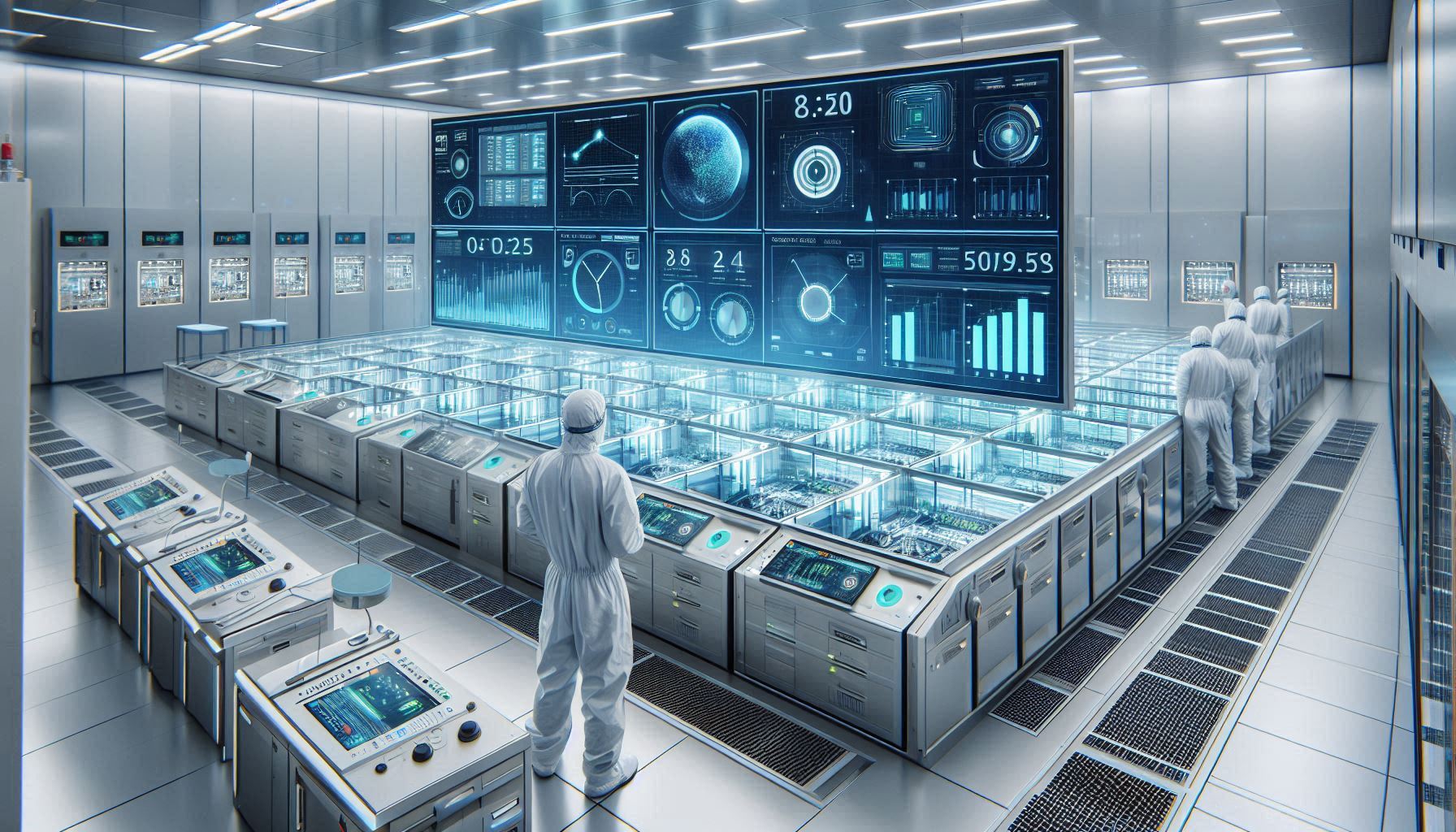
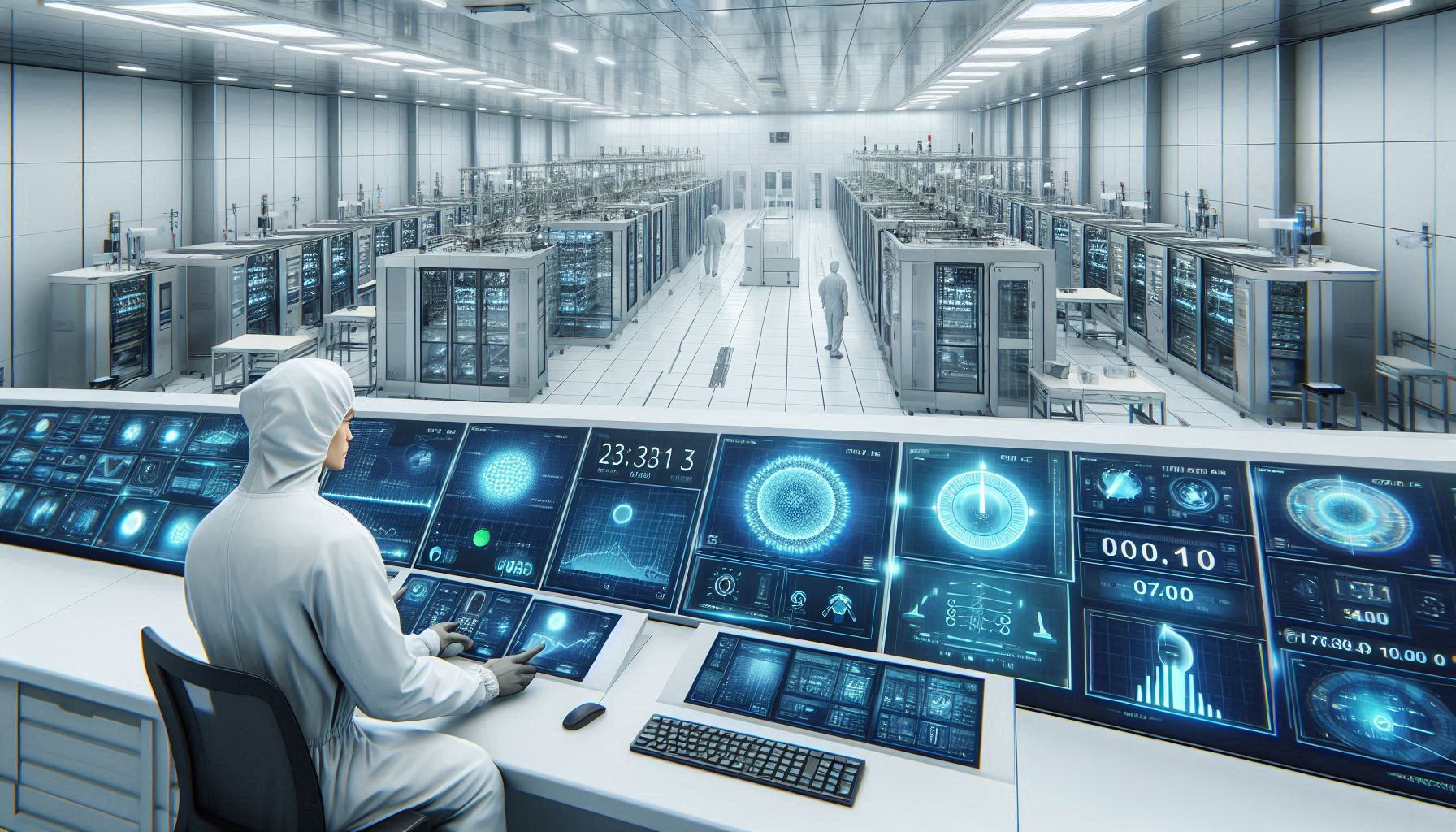
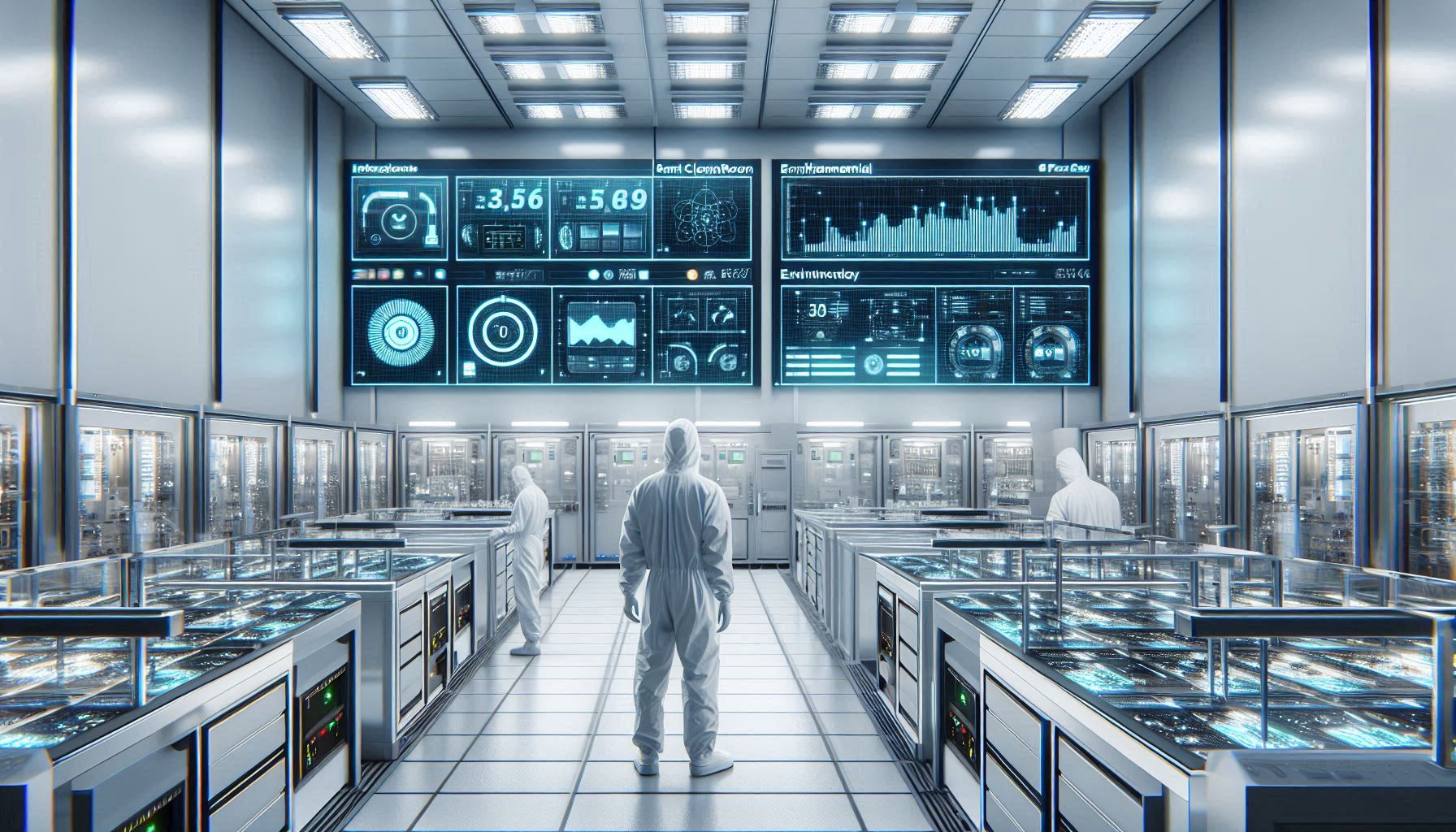
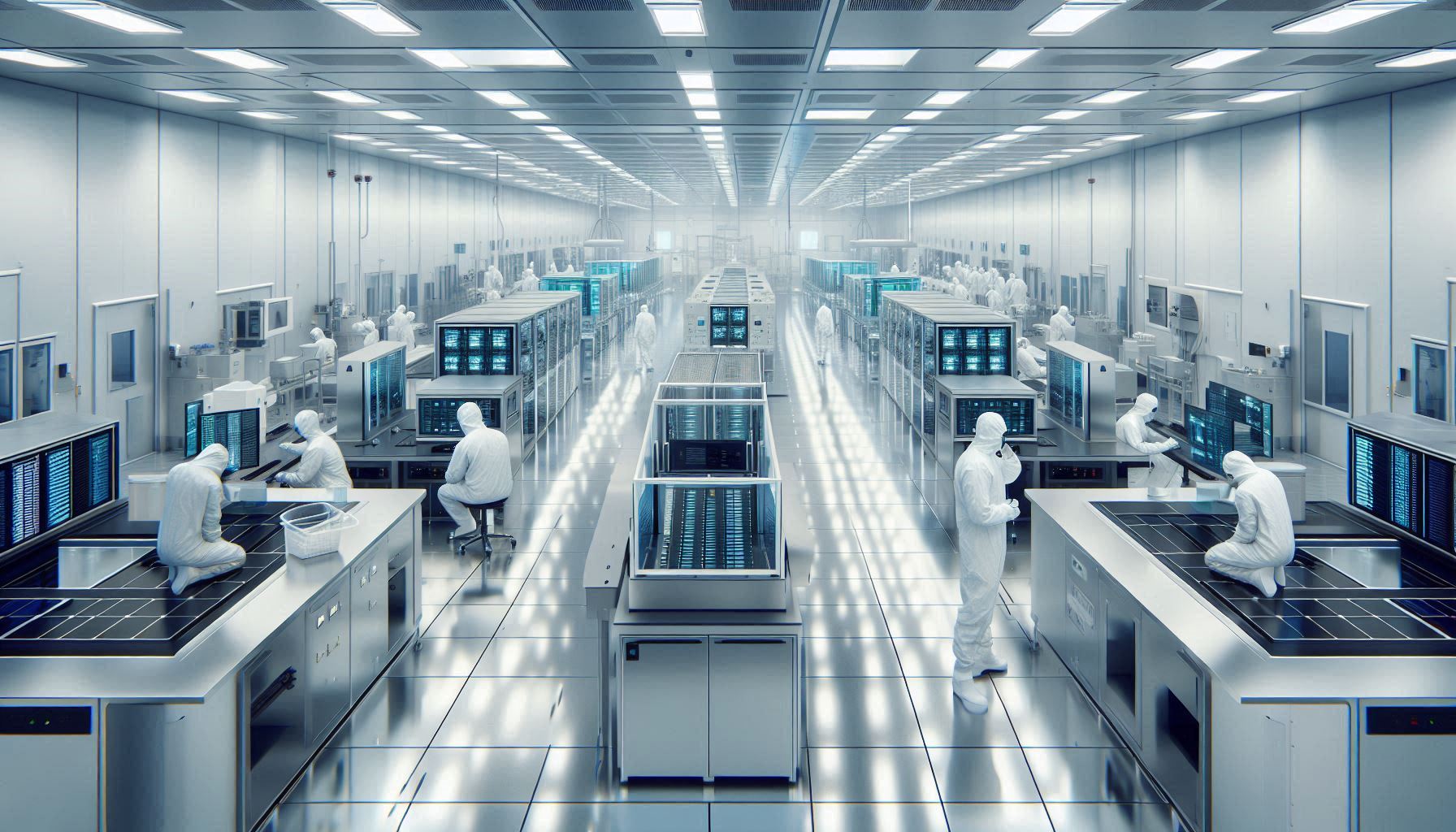
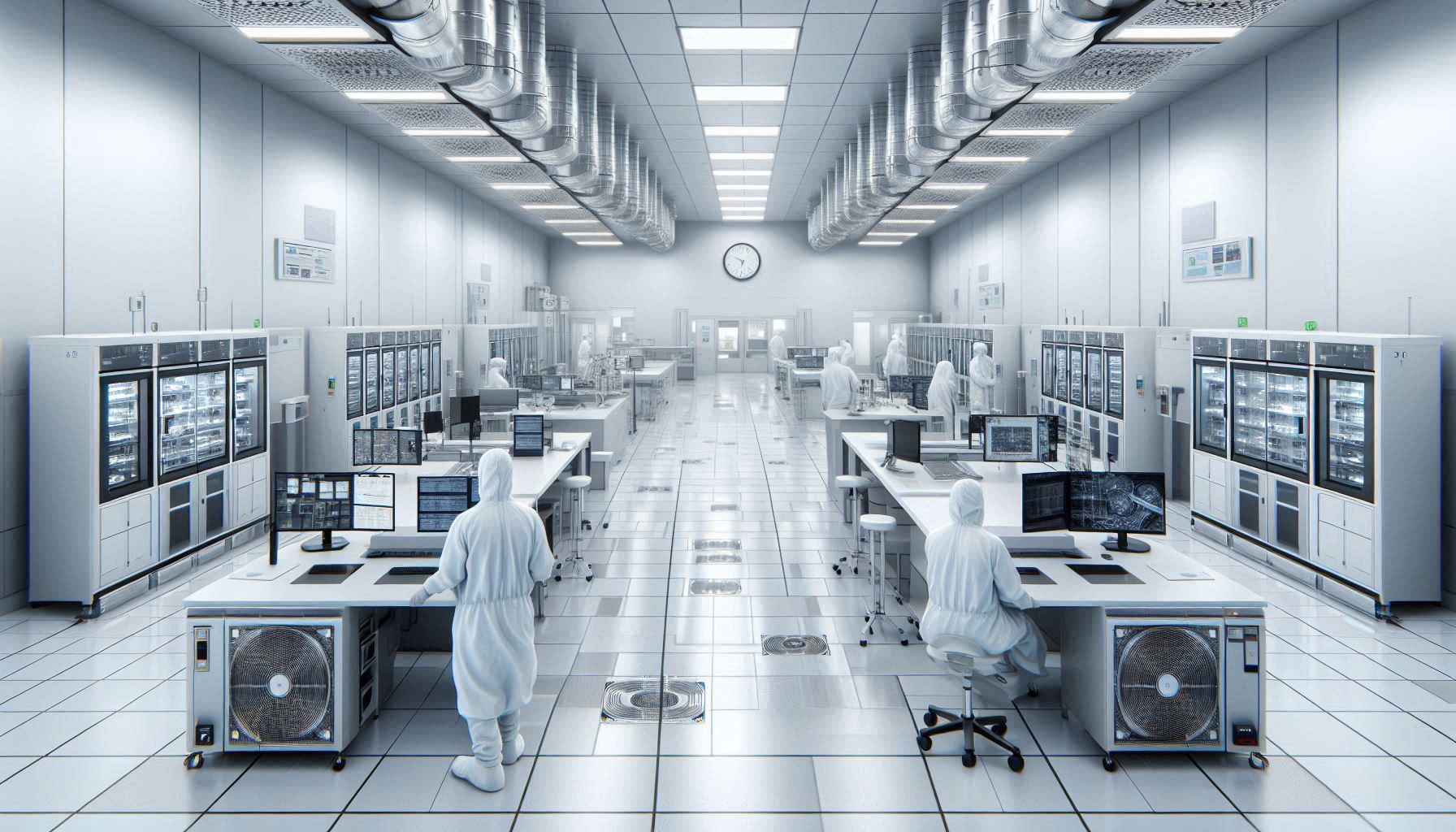
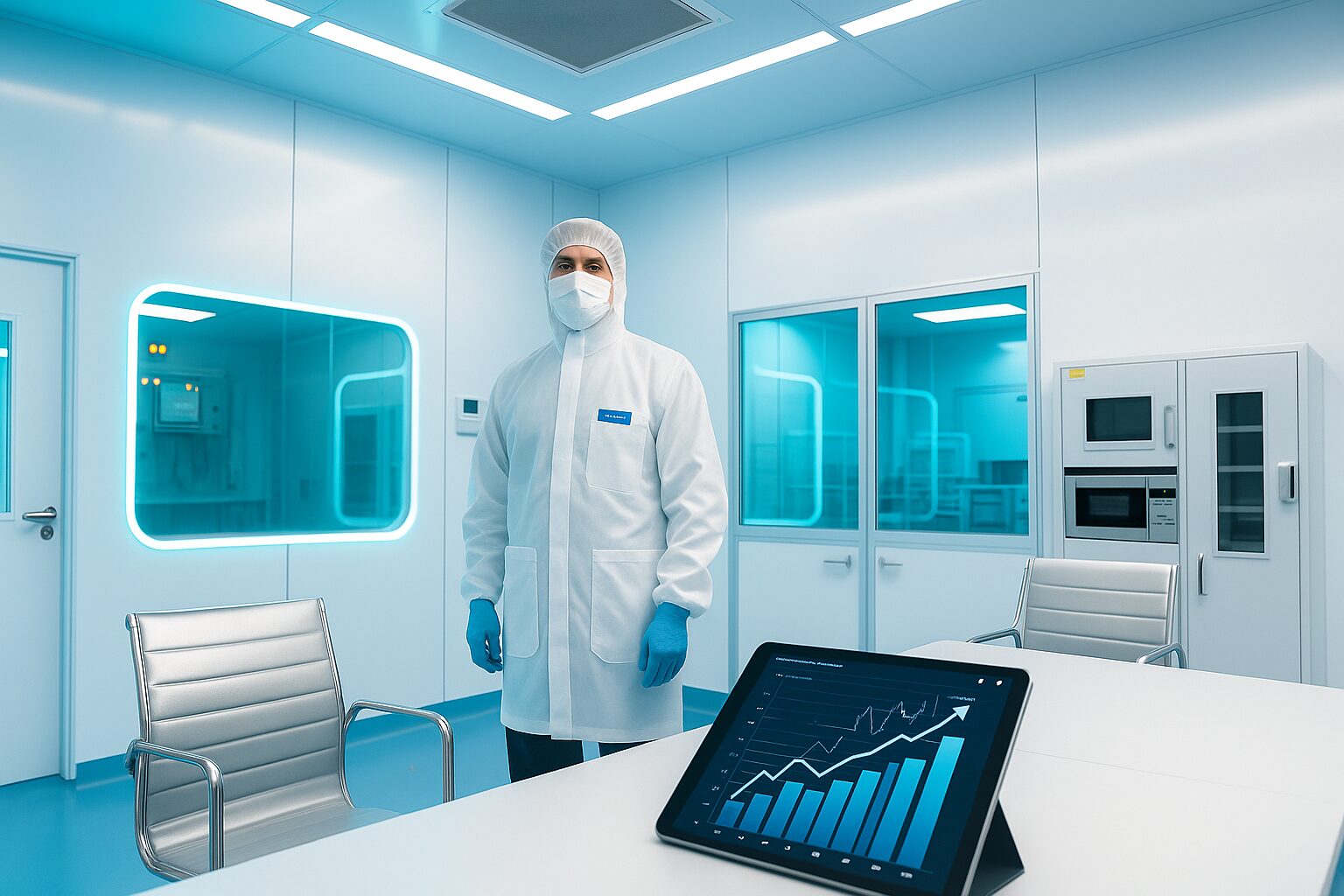
A modern pharma cleanroom with advanced monitoring systems.

The pharmaceutical industry is evolving rapidly, and pharma cleanrooms are at the forefront of this transformation. As we approach 2025, advancements in technology are reshaping how cleanrooms are designed, operated, and maintained to ensure compliance with stringent standards like ISO Class 5, ASHRAE, and ISHRAE. These innovations not only enhance efficiency but also improve product quality and safety. In this article, we’ll explore the top trends in pharma cleanroom technology for 2025, offering insights into how these advancements can benefit your operations.

Understanding the Role of Pharma Cleanroom

A pharmaceutical cleanroom is a carefully controlled space designed to limit contaminants such as dust, airborne microbes, and aerosol particles. This environment is crucial for producing safe, high-quality medications that meet strict industry standards. These environments are critical for processes such as drug formulation, packaging, and sterile manufacturing. For instance, maintaining precise temperature and humidity levels in a cleanroom ensures the stability of sensitive compounds, while advanced filtration systems prevent contamination.

Learn more about cleanroom classifications and their importance in our detailed guide on cleanroom technology.

Emerging Technologies in Pharma Cleanroom

As we look toward 2025, several technological trends are set to revolutionize pharma cleanrooms:

AI-Driven Monitoring Systems

Artificial intelligence (AI) is transforming cleanroom operations by enabling real-time monitoring and predictive maintenance. AI-powered sensors can detect anomalies in air quality, temperature, and humidity, alerting operators before issues escalate. For example, a pharmaceutical facility in Hyderabad reduced contamination risks by 40% after implementing AI-driven monitoring systems. Explore how AI optimizes HVAC systems in data centers here.

Automation and Robotics

Automation is becoming increasingly prevalent in pharma cleanrooms, with robotic systems handling repetitive tasks like material handling and equipment sterilization. This minimizes human intervention, reducing the risk of contamination. For instance, a leading biotech company in Pune integrated robotic arms for packaging, achieving a 25% increase in operational efficiency.

Advanced Filtration Systems

HEPA and ULPA filters remain staples in cleanroom design, but innovations such as electrostatic filtration and UV-C disinfection are gaining traction. These technologies ensure superior air quality by trapping submicron particles and neutralizing pathogens. Discover more about indoor air quality solutions here.

Sustainable Cleanroom Design

Sustainability is a growing priority in cleanroom design. Energy-efficient HVAC systems, renewable energy sources, and eco-friendly materials are being incorporated to reduce carbon footprints. For example, a pharma plant in Bengaluru achieved LEED certification by integrating solar-powered HVAC units. Learn more about sustainable HVAC systems here.

Challenges in Pharma Cleanroom Technology

While modern technologies bring impressive advantages, they also come with their own set of challenges:

High Initial Costs

Implementing cutting-edge technologies like AI and robotics requires substantial investment. However, the long-term savings in energy efficiency and reduced contamination risks often justify the expense.

Regulatory Compliance

Meeting national and international standards such as ISO Class 5, BIS, and ECBC is non-negotiable. Regular audits and certifications ensure adherence to these guidelines.

Skilled Workforce Shortage

Operating advanced cleanroom technologies demands specialized skills. Training programs and workshops are essential to equip workers with the necessary expertise.

Case Studies: Real-World Applications

To better understand the impact of these trends, let’s look at some real-world examples:

Data-Driven Cleanroom Optimization

For example, a pharmaceutical company in Mumbai adopted IoT-enabled sensors to track air quality and monitor pressure differences in real time, ensuring tighter control over cleanroom conditions. This proactive approach reduced contamination incidents by 35%, ensuring consistent product quality.

Green Cleanroom Initiatives

A Chennai-based facility adopted geothermal HVAC systems to achieve energy savings of up to 30%. By leveraging renewable energy, they not only reduced operational costs but also contributed to environmental sustainability. Explore geothermal HVAC options here.

Future Trends in Pharma Cleanroom

Looking ahead, several trends are expected to shape the future of pharma cleanrooms:

Integration of Blockchain Technology

Blockchain can enhance traceability and transparency in pharmaceutical manufacturing. By recording every step of the production process, it ensures compliance and reduces the risk of counterfeit drugs entering the supply chain.

Augmented Reality (AR) for Training

AR is being used to train cleanroom operators in a virtual environment, allowing them to practice procedures without risking contamination. This immersive approach improves learning outcomes and reduces training time.

Smart Materials in Construction

Innovative materials like antimicrobial coatings and self-healing surfaces are being used in cleanroom construction to minimize contamination risks and extend the lifespan of equipment.

Tips for Implementing Advanced Technologies in Pharma Cleanroom

To stay competitive in 2025, here are a few smart moves:

Adopt AI and IoT technologies to boost real-time system monitoring and support predictive maintenance for smoother operations. Look into renewable energy options, like solar-powered HVAC systems, to help lower operating costs and support sustainability goals. Prioritize staff training to ensure smooth adoption of new technologies.

FAQ: Pharma Cleanroom

What is a pharma cleanroom?
A pharma cleanroom is a controlled environment designed to minimize contaminants during pharmaceutical production, ensuring product safety and quality.

Why is temperature control important in a pharma cleanroom?
Temperature control is critical to maintaining the stability of sensitive compounds and preventing degradation during manufacturing.

How do HEPA filters work in cleanrooms?
HEPA filters trap particles as small as 0.3 microns, ensuring superior air quality in cleanroom environments.

What are the latest trends in pharma cleanroom technology?
Emerging trends include AI-driven monitoring, automation, advanced filtration systems, and sustainable design practices.

How can I ensure regulatory compliance in my cleanroom?
Regular audits, staff training, and adherence to standards like ISO Class 5 and ECBC are essential for maintaining compliance.

What role does sustainability play in cleanroom design?
Sustainability reduces energy consumption and environmental impact, aligning with global green building initiatives like IGBC and LEED.

Disclaimer

Some links in this article are affiliate links, such as those for Amazon products. These may generate a small commission at no extra cost to you, supporting our work. We never compromise editorial integrity for partnerships.

About the Author

Mr. Om Prakash, with over 18 years of hands-on experience in the HVAC industry, brings unmatched expertise in cleanroom, pharmaceutical, semiconductor, data center, commercial, and industrial HVAC systems. As the founder of HVAC Technocrat, he specializes in customized HVAC design, energy efficiency audits, retrofit planning, and turnkey consultancy services across India. His deep understanding of critical environments and complex building needs ensures every solution is efficient, reliable, and future-ready. Through his writings, he simplifies HVAC concepts and shares real-world insights to support professionals, facility managers, and decision-makers. For any enquiries or project support, feel free to call or WhatsApp at +91 9908091942, email at hvactechnocrats@gmail.com, or visit www.hvactechnocrat.com.

HVAC Design Engineer: How to Become Successful

An HVAC design engineer analyzing a blueprint

Becoming a successful HVAC Design Engineer requires a unique combination of technical expertise, creativity, and adaptability. From designing efficient climate control systems for residential spaces to ensuring precise environmental conditions in critical environments like cleanrooms and data centers, HVAC design engineers play a pivotal role in shaping modern infrastructure. This article explores the essential steps, emerging trends, and real-world insights that can help you thrive as an HVAC Design Engineer, whether you’re just starting your career or looking to refine your skills.

Understanding the Role of an HVAC Design Engineer

An HVAC Design Engineer is responsible for creating detailed plans and specifications for heating, ventilation, and air conditioning systems that regulate temperature, humidity, and air quality in various settings. These professionals collaborate closely with architects, contractors, and facility managers to ensure systems are not only functional but also energy-efficient and sustainable. For instance, designing HVAC systems for pharmaceutical cleanrooms demands precise temperature and humidity control, while systems for data centers focus on cooling efficiency and redundancy.

A strong foundation in psychrometry (the study of air properties) and heat load calculations is crucial for success. Learn more about these concepts in our detailed guide on heat load calculation.

The Educational Pathway to Becoming an HVAC Design Engineer

The journey to becoming a successful HVAC Design Engineer begins with formal education and hands-on experience. Here’s how you can build a strong foundation:

Pursue Relevant Degrees

Most employers prefer candidates with a bachelor’s degree in mechanical engineering, HVAC technology, or a related field. Courses in thermodynamics, fluid mechanics, and refrigeration systems provide a solid grounding in the principles of HVAC design.

Gain Practical Experience

Internships and apprenticeships are invaluable for gaining hands-on skills. For example, working alongside seasoned professionals on projects like geothermal HVAC systems installation can deepen your understanding of sustainable technologies. Explore tips on selecting eco-friendly systems in our blog on geothermal HVAC systems.

Obtain Certifications

Certifications from recognized bodies such as ASHRAE or ISHRAE enhance credibility. Specialized certifications in areas like BIM (Building Information Modeling) or energy auditing can further set you apart in the competitive job market.

Skills Every HVAC Design Engineer Should Master

Success as an HVAC Design Engineer hinges on mastering a mix of technical and soft skills:

Technical Proficiency

CFD Analysis: Computer-based airflow simulations help predict system performance before implementation.
Energy Efficiency Audits: Conducting audits ensures systems operate optimally while reducing energy costs. Discover more about audits in our article on energy efficiency audits.

Problem-Solving Abilities

An HVAC design engineer must troubleshoot issues effectively. For instance, identifying the root cause of inconsistent airflow in a building could involve checking ductwork design or recalibrating dampers.

Communication Skills

Clear communication with clients and team members is crucial. Explaining complex HVAC concepts in simple terms builds trust and fosters collaboration.

Emerging Trends Shaping the HVAC Design Industry

Staying updated with the latest trends is vital for any aspiring HVAC Design Engineer:

AI-Driven Optimization

Artificial intelligence is revolutionizing HVAC systems by enabling predictive maintenance and real-time performance monitoring. Smart HVAC systems like these use machine learning algorithms to optimize energy consumption.

Sustainable Solutions

With growing emphasis on green buildings, HVAC design engineers are increasingly incorporating renewable energy sources. Solar-powered air conditioners are gaining traction, especially in regions like India. Learn more in our solar AC buying guide.

Advanced Filtration Systems

Indoor air quality has become a priority post-pandemic. Technologies like HEPA filters and UV-C disinfection are now standard in many HVAC designs.

Challenges Faced by HVAC Design Engineers

While rewarding, the path to success as an HVAC Design Engineer comes with its share of challenges:

Adapting to Climate Change

Rising global temperatures necessitate rethinking traditional cooling methods. Engineers must design systems capable of handling extreme heat waves without excessive energy usage.

Navigating Complex Codes

Compliance with local and international codes, such as ECBC (Energy Conservation Building Code), requires meticulous attention to detail.

Balancing Cost and Efficiency

Clients often demand cost-effective yet high-performing systems. Achieving this balance calls for innovative thinking and thorough planning.

Real-World Case Studies

Case studies offer valuable lessons for budding HVAC Design Engineers:

Data Center Cooling: A Mumbai-based data center reduced energy consumption by 25% after implementing AI-driven chiller plants. Read more about this trend in our article on AI-powered chiller plants.
Cleanroom Design: A pharmaceutical facility in Hyderabad achieved ISO Class 5 certification thanks to precise HVAC design. Dive deeper into cleanroom standards here.

Expert Insights: Lessons from 18 Years in the Field

With over 18 years of hands-on experience in the HVAC industry, it’s clear that success as an HVAC design engineer requires meticulous groundwork and a proactive approach. Even after nearly two decades, preparing CAD drawings, conducting detailed heat load calculations, and sizing ducts and pipes using precise charts remain essential practices. These foundational steps ensure accuracy and efficiency in system design.

Additionally, tasks like static pressure calculations, sectional drawing preparations, and site visits are non-negotiable for achieving perfection. For instance, checking ceiling height availability during site visits can prevent costly redesigns later, while proactive visualization helps anticipate challenges before they arise. Thoughtful planning extends to plant room layouts, where optimizing space and accessibility is critical for seamless operations. By embracing these practices, HVAC design engineers not only deliver high-quality results but also build trust with clients and stakeholders.

Job Opportunities in HVAC Industry

If you’re an aspiring professional looking to build a rewarding career in the HVAC industry, we’re here to help! Whether you’re a fresh graduate or an experienced, there are countless opportunities in areas like HVAC design, planning, installation, maintenance, and consultancy. To assist you in finding the right role within my network, please send me your updated CV at hvactechnocrats@gmail.com for my records. This will enable me to recommend you for suitable openings in my circle and support your career growth in the dynamic HVAC field. Reach out today to take the next step toward success!

Tips for Career Growth as an HVAC Design Engineer

Continuous learning and networking are key to advancing your career:

Attend industry conferences and workshops to stay updated on innovations.
Join professional organizations like ISHRAE or ASHRAE to connect with peers.
Leverage online platforms like LinkedIn to showcase your expertise and engage with thought leaders.

FAQs

What qualifications do I need to become an HVAC design engineer?
A bachelor’s degree in mechanical engineering or HVAC technology is typically required, along with relevant certifications.

How long does it take to become an HVAC design engineer?
It usually takes four years to complete a bachelor’s degree, followed by additional time for certifications and hands-on experience.

Is programming knowledge necessary for HVAC design engineers?
While not mandatory, familiarity with programming languages like Python can be beneficial for working with AI-driven systems.

Can HVAC design engineers work internationally?
Yes, HVAC design engineers can find opportunities worldwide, provided they meet regional licensing requirements.

What industries hire HVAC design engineers?
HVAC design engineers are employed in sectors like construction, healthcare, manufacturing, and IT infrastructure.

How important is sustainability in HVAC design engineering?
Sustainability is critical, as energy-efficient systems reduce operational costs and environmental impact.

Disclaimer

Some links in this article are affiliate links, such as those for Amazon products. These may generate a small commission at no extra cost to you, supporting our work. We never compromise editorial integrity for partnerships.

About the Author

Mr. Om Prakash, with over 18 years of hands-on experience in the HVAC industry, brings unmatched expertise in cleanroom, pharmaceutical, semiconductor, data center, commercial, and industrial HVAC systems. As the founder of HVAC Technocrat, he specializes in customized HVAC design, energy efficiency audits, retrofit planning, and turnkey consultancy services across India. His deep understanding of critical environments and complex building needs ensures every solution is efficient, reliable, and future-ready. Through his writings, he simplifies HVAC concepts and shares real-world insights to support professionals, facility managers, and decision-makers. For any enquiries or project support, feel free to call or WhatsApp at +91 9908091942, email at hvactechnocrats@gmail.com, or visit www.hvactechnocrat.com.

Cleanroom Design: Challenges and How to Overcome

Advanced cleanroom design featuring HEPA filters and automated monitoring systems.

Cleanroom design is a cornerstone for industries that demand precision, sterility, and contamination control. From pharmaceuticals to biotechnology, cleanrooms are meticulously engineered environments where even the smallest oversight can compromise product quality or safety. However, designing and maintaining a cleanroom comes with its own set of challenges, ranging from real-time differential pressure maintenance to meeting high air change requirements as per ISO standards. This article delves into these critical challenges, offering insights and practical solutions based on real-world experiences.

Understanding the Basics of Cleanroom Design

At its core, cleanroom design focuses on creating an environment with minimal contamination. These spaces are classified based on ISO standards, which dictate allowable particle counts per cubic meter. For instance, an ISO Class 5 cleanroom permits fewer than 3,520 particles (0.5 microns or larger) per cubic meter, making it suitable for highly sensitive operations like semiconductor fabrication.

The key components of cleanroom design include high-efficiency particulate air (HEPA) filters, precise temperature and humidity controls, and specialized airflow systems. While these elements are essential, they also introduce unique challenges that require innovative solutions.

Let’s explore some of the most common challenges in cleanroom design and how they can be addressed effectively.

Cleanroom Design Requires Differential Pressure Maintenance in Real-Time

One of the most daunting challenges in cleanroom operation is maintaining differential pressure in real-time. Differential pressure ensures that air flows from cleaner areas to less clean areas, preventing contaminants from entering critical zones.

For example, during a defense project in Hyderabad, maintaining consistent differential pressure across multiple zones proved to be a significant challenge. The solution involved integrating advanced monitoring systems with IoT-enabled sensors that provided real-time data on pressure levels. Automated dampers were used to adjust airflow dynamically, ensuring compliance with required pressure gradients.

Such technologies not only simplify real-time maintenance but also reduce the risk of human error, making them indispensable for modern cleanroom designs.

High Air Change Requirements and Larger AHUs Makes Complex Cleanroom Design

ISO standards often mandate high air change rates to maintain cleanliness levels. For instance, an ISO Class 7 cleanroom may require 60-90 air changes per hour, necessitating larger air handling units (AHUs).

This requirement posed a significant challenge during the Hyderabad defense project. The sheer size of the AHUs required additional space and energy, complicating the design process. To address this, modular AHUs were employed, allowing for scalability and efficient use of space. Additionally, energy recovery systems were integrated to offset the increased energy consumption.

These strategies highlight the importance of balancing performance with practicality when designing cleanrooms with high air change requirements.

HEPA Ceiling Coverage is An Other challenge in Cleanroom Design

Another critical aspect of cleanroom design is achieving adequate HEPA ceiling coverage. HEPA filters play a vital role in removing airborne particles, but ensuring uniform coverage across the entire ceiling can be challenging.

In one pharmaceutical project, uneven HEPA coverage led to inconsistent particle counts in certain areas. The solution involved using computational fluid dynamics (CFD) analysis to optimize filter placement and airflow patterns. By simulating different configurations, engineers identified the most effective layout, ensuring uniform particle removal.

This case underscores the value of leveraging advanced tools like CFD analysis to overcome design challenges.

How to Handle Low Humidity Levels in Cleanroom Design

Certain applications, such as semiconductor manufacturing, require extremely low humidity levels to prevent issues like static electricity. Achieving and maintaining these conditions can be particularly difficult.

A project in Chennai highlighted this challenge when the facility struggled to maintain humidity below 30%. Desiccant wheels were introduced to address the issue, providing precise humidity control without compromising energy efficiency. This innovation not only resolved the problem but also improved overall system performance.

Desiccant wheels have since become a go-to solution for projects requiring stringent humidity control. Learn more about their benefits here.

Negative Pressure Systems for Biotech Applications

Designing negative pressure systems for biotechnology facilities, especially those handling viruses, presents unique challenges. A virology lab in Delhi required a robust negative pressure setup to ensure containment and prevent cross-contamination.

The solution involved installing specialized exhaust systems with redundant backups to maintain consistent negative pressure. Additionally, real-time monitoring systems were implemented to detect any deviations immediately. This approach not only ensured compliance with safety standards but also enhanced operational reliability.

This case study demonstrates the importance of redundancy and real-time monitoring in critical applications.

Case Study: Overcoming Multiple Challenges in a Single Project

A recent cleanroom project in Pune faced a combination of the above challenges. The facility required high air change rates, precise humidity control, and strict differential pressure maintenance. By integrating modular AHUs, desiccant wheels, and IoT-enabled monitoring systems, the team successfully addressed all requirements.

The result? A 20% reduction in energy consumption and a significant improvement in operational efficiency. This project serves as a testament to the power of innovative design and technology integration.

Best Practices for Cleanroom Maintenance

Maintaining a cleanroom requires a proactive approach. Here are some best practices:

  • Regular Filter Replacement: HEPA filters should be replaced periodically to ensure optimal performance.
  • Employee Training: Staff working in cleanrooms must follow strict protocols, such as wearing appropriate attire and adhering to hygiene standards.
  • Continuous Monitoring: Use IoT-enabled sensors to monitor environmental parameters and detect anomalies early.
  • Scheduled Audits: Conduct regular audits to ensure compliance with industry standards and identify areas for improvement.
  • Standard Operating Procedures: Establish a clear standard SOPs for men & material movement for easy maintenance avoiding cross contamination.

For more insights into cleanroom maintenance, check out HVAC Technocrat’s guide to cleanroom technology.

Emerging Trends in Cleanroom Design

AI and machine learning are reshaping cleanroom design by enabling predictive maintenance and optimizing energy efficiency. For example, AI-powered systems can predict HVAC failures before they occur, minimizing downtime and repair costs.

Another emerging trend is the use of modular cleanroom designs, which offer scalability and cost-effectiveness. Learn more about this innovation here.

FAQs

1. What is cleanroom design?

Cleanroom design involves creating controlled environments with minimal contamination, tailored to specific industry needs.

2. Why is differential pressure important in cleanrooms?

Differential pressure ensures that air flows from cleaner areas to less clean areas, preventing contaminants from entering critical zones.

3. How can automation improve cleanroom efficiency?

Automation enables real-time monitoring and predictive maintenance, reducing energy consumption and enhancing operational efficiency.

4. What are the challenges in cleanroom design?

Common challenges include maintaining differential pressure, meeting high air change requirements, and controlling humidity levels.

5. How can sustainability be integrated into cleanroom design?

Sustainability can be achieved through energy-efficient HVAC systems, renewable energy sources, and smart monitoring technologies.

6. What industries benefit from cleanroom design?

Industries such as pharmaceuticals, semiconductors, biotechnology, and healthcare rely heavily on cleanroom design.

Disclaimer

Disclosure: Some links in this article are affiliate links, such as those for Amazon products. These may generate a small commission at no extra cost to you, supporting our research. We never compromise editorial integrity for partnerships.

About the Author

About the Author: Mr. Om Prakash, with over 18 years of hands-on experience in the HVAC industry, brings unmatched expertise in cleanroom, pharmaceutical, semiconductor, data center, commercial, and industrial HVAC systems. As the founder of HVAC Technocrat, he specializes in customized HVAC design, energy efficiency audits, retrofit planning, and turnkey consultancy services across India. His deep understanding of critical environments and complex building needs ensures every solution is efficient, reliable, and future-ready. Through his writings, he simplifies HVAC concepts and shares real-world insights to support professionals, facility managers, and decision-makers.

For any enquiries or project support, feel free to call or WhatsApp at +91 9908091942, email at hvactechnocrats@gmail.com or visit www.hvactechnocrat.com

Cleanroom: Best Practices What You Need to Know

Cleanroom technology with HEPA filters and automated monitoring systems.

Cleanroom technology has become a cornerstone for industries where contamination control is paramount. From pharmaceuticals to semiconductor manufacturing, cleanrooms ensure that products meet stringent quality standards by maintaining an environment free from airborne particles, microbes, and other contaminants. In this article, we’ll explore the best practices in cleanroom technology, emerging trends, and how industries are leveraging these innovations to achieve operational excellence. Whether you’re new to cleanroom design or looking to optimize your existing setup, this guide will equip you with actionable insights.

Understanding Cleanroom

Fundamentally, cleanroom technology focuses on designing environments where contamination is kept to a minimum. These spaces are classified based on ISO standards (such as ISO Class 5 or Class 7), which dictate the allowable particle count per cubic meter. For instance, a semiconductor manufacturing facility might require an ISO Class 5 cleanroom to ensure precision in chip fabrication.

The key components of cleanroom technology include high-efficiency particulate air (HEPA) filters, precise temperature and humidity controls, and specialized airflow systems. Together, these elements work to maintain the desired level of cleanliness.

The Importance of Airflow Design in Cleanroom

One of the most critical aspects of cleanroom technology is airflow design. Proper airflow ensures that contaminants are continuously removed from the environment. This can be achieved through laminar flow systems, where air moves in parallel streams, or turbulent flow systems, which create a mixing effect to disperse particles.

For example, a leading pharmaceutical company in India implemented a laminar flow system in their ISO Class 7 cleanroom, reducing particle counts by 40% within six months. Such case studies underscore the importance of tailoring airflow solutions to specific industry needs.

Automation and Sustainability: The Future of Cleanroom

The integration of automation is transforming cleanroom technology, boosting efficiency while promoting sustainability. Automated monitoring systems can track parameters like temperature, humidity, and particle levels in real time, alerting operators to any deviations. In addition to improving operational performance, this approach also cuts down on energy usage..

Sustainability is another growing trend in cleanroom design. By integrating energy-efficient HVAC systems and renewable energy sources, facilities can significantly lower their carbon footprint. For instance, a data center in Bangalore recently adopted solar-powered HVAC units, cutting energy costs by 25%.

Challenges in Cleanroom Implementation

Despite its benefits, implementing cleanroom technology comes with challenges. One common issue is overdesigning, where facilities invest in systems that exceed their actual requirements. This not only inflates costs but also leads to unnecessary energy consumption.

Another challenge is maintaining compliance with national and international standards. Organizations must adhere to guidelines such as ASHRAE, IGBC, and ISHRAE to ensure their cleanrooms meet regulatory requirements. Regular audits and energy audits can help address these issues effectively.

Case Study: Semiconductor Manufacturing in India

India’s semiconductor industry is rapidly adopting advanced cleanroom technologies to support its growth. A recent project involved the construction of a state-of-the-art ISO Class 5 cleanroom equipped with desiccant wheels for humidity control and AI-driven HVAC optimization. The result? A 30% reduction in energy use and a significant improvement in product yield.

This case study highlights how integrating innovative technologies can transform traditional cleanroom setups into future-ready facilities.

Best Practices for Cleanroom Maintenance

Maintaining a cleanroom requires a proactive approach. Here are some best practices:

  • Regular Filter Replacement: HEPA filters should be replaced periodically to ensure optimal performance.
  • Employee Training: Staff working in cleanrooms must follow strict protocols, such as wearing appropriate attire and adhering to hygiene standards.
  • Continuous Monitoring: Use IoT-enabled sensors to monitor environmental parameters and detect anomalies early.
  • Scheduled Audits: Conduct regular audits to ensure compliance with industry standards and identify areas for improvement.

For more insights into cleanroom technology, check out HVAC Technocrat’s guide to cleanroom technology.

Emerging Trends in Cleanroom Technology

AI and machine learning are reshaping cleanroom technology by enabling predictive maintenance and optimizing energy efficiency. For example, AI-powered systems can predict HVAC failures before they occur, minimizing downtime and repair costs.

Another emerging trend is the use of 3D-printed ductwork, which offers greater design flexibility and faster installation times. Learn more about this innovation here.

FAQs

1. What is cleanroom technology?

Cleanroom technology refers to the systems and processes used to create controlled environments with minimal contamination.

2. Why is airflow important in cleanrooms?

Effective airflow systems work to consistently eliminate impurities, ensuring the environment remains at the required cleanliness standard.

3. How can automation improve cleanroom efficiency?

Automation enables real-time monitoring and predictive maintenance, reducing energy consumption and enhancing operational efficiency.

4. What are the challenges in implementing cleanroom?

Common challenges include overdesigning, maintaining compliance with standards, and managing energy costs.

5. How can sustainability be integrated into cleanroom design?

Sustainability can be achieved through energy-efficient HVAC systems, renewable energy sources, and smart monitoring technologies.

6. What industries benefit from cleanroom technology?

Industries such as pharmaceuticals, semiconductors, data centers, and healthcare rely heavily on cleanroom technology.

Disclaimer

Some links in this article are affiliate links, such as those for Amazon products. Such links might earn a modest commission without any additional expense to you, aiding in funding our research efforts. We never compromise editorial integrity for partnerships.

About the Author

Mr. Om Prakash, with over 18 years of hands-on experience in the HVAC industry, brings unmatched expertise in cleanroom, pharmaceutical, semiconductor, data center, commercial, and industrial HVAC systems. As the founder of HVAC Technocrat, he specializes in customized HVAC design, energy efficiency audits, retrofit planning, and turnkey consultancy services across India. His deep understanding of critical environments and complex building needs ensures every solution is efficient, reliable, and future-ready. Through his writings, he simplifies HVAC concepts and shares real-world insights to support professionals, facility managers, and decision-makers.

For any enquiries or project support, feel free to call or WhatsApp at +91 9908091942, email at hvactechnocrats@gmail.com, or visit www.hvactechnocrat.com.

HVAC Consultant: How they Can Save You Money and Energy

HVAC consultant analyzing building energy performance on a blueprint layout.

In today’s competitive industrial and commercial landscape, optimizing HVAC systems isn’t just about comfort—it’s about cost savings, energy efficiency, and sustainability. Whether you manage a pharmaceutical cleanroom, a semiconductor facility, a data center, or a large commercial building, an experienced HVAC consultant can help you cut operational costs, enhance performance, and meet regulatory standards.

This article explores how an HVAC consultant add value, the key services they offer, and real-world examples of energy and cost savings that can transform your HVAC systems for maximum efficiency and sustainability.

Why Hire an HVAC Consultant?

HVAC systems account for 40-60% of a building’s energy consumption. However, poor design can lead to skyrocketing bills, while frequent breakdowns drive up maintenance costs. Additionally, non-compliance with energy codes may result in penalties. Moreover, Poor indoor air quality (IAQ) affecting health & productivity. For these reasons, professional intervention is critical.

    An HVAC consultant identifies inefficiencies, recommends upgrades, and ensures systems run at peak performance with minimal waste.

    Key Services Offered by an HVAC Consultant

    1. Value Engineering: Optimizing Costs Without Compromising Quality

    Instead of overspending on oversized equipment or unnecessary features, consultants perform value engineering—analyzing system requirements and suggesting cost-effective alternatives.

    ✅ Case Study: A Hyderabad-based IT park reduced HVAC installation costs by ₹58 lakhs after a consultant optimized chiller capacity, piping sizing and ductwork routing layout.

    2. Energy Audits: Pinpointing Waste & Recommending Solutions

    Energy audits assess how efficiently your HVAC system operates and identify:

    • Overcooling/overheating zones
    • Air leaks in ducts
    • Inefficient equipment (old chillers, pumps, fans)
    • Opportunities for heat recovery

    ✅ For Instance: A pharmaceutical plant in Bengaluru cut energy bills by 25% after an audit revealed excessive fan power usage—solved by switching to EC motors.

    3. Retrofit Design Analysis: Upgrading Old Systems for Better Efficiency

    Many facilities run on decades-old HVAC systems that guzzle energy. Consultants analyze:

    • Replacement vs. repair economics
    • New tech options (VRF, inverter chillers, smart controls)
    • ROI on energy-efficient retrofits

    ✅ In another Example: A commercial complex in Mumbai replaced its 20-year-old chillers with magnetic-bearing models, reducing energy consumption by 40%—payback in 33 months.

    4. Greenfield Projects: Designing Efficient HVAC from Scratch

    For new constructions (data centers, cleanrooms, industrial plants), consultants ensure:

    • Right-sizing equipment (avoiding over/under-capacity)
    • Sustainable design (solar-assisted cooling, efficient motors options)
    • Compliance with ASHRAE, ISHRAE, ECBC, and LEED standards

    ✅ Similarly: A semiconductor facility in Chennai saved ₹1.2 crore/year by integrating adiabatic cooling instead of traditional DX systems.

    5. Planning, Estimation & Tendering: Avoiding Costly Mistakes

    A poorly planned HVAC project can lead to budget overruns and delays. Consultants help with:

    • Accurate load calculations
    • Equipment selection (chillers, AHUs, pumps)
    • Bid evaluation & contractor selection

    ✅ Another Case Study: A hospital in Bangalore avoided ₹25 lakhs in rework after a consultant corrected incorrect duct sizing in initial plans.

    HVAC Sustainability & Energy Efficiency Solutions

    With rising electricity costs and stricter environmental regulations, businesses must adopt sustainable HVAC practices. Consultants recommend:

    • Heat recovery systems (waste heat reuse)
    • Mag-Lev bearing chillers
    • Solar-powered motors for AHUs and Fans
    • AI-driven predictive maintenance
    • Thermal energy storage
    • Building automation systems (BAS) for smart controls

    ✅ Case Study: A Hyderabad mall installed IoT-based HVAC controls, reducing energy use by 25% while maintaining optimal comfort.

    Why Choose Mr. Om Prakash – HVAC Consultant at www.hvactechnocrat.com?

    With 18+ years of expertiseMr. Om Prakash has helped pharmaceutical plants, data centers, semiconductor facilities, and commercial buildings across India and abroad optimize their HVAC systems for energy efficiency and cost savings.

    What Sets Him Apart?

    ✔ Deep Technical Knowledge – Specializes in cleanrooms, data centers, industrial HVAC, and green building compliance.
    ✔ Hands-On Experience – Successfully executed 100+ projects in design, audits, retrofits, and energy optimization.
    ✔ Cost-Saving Strategies – Expertise in value engineering to reduce capital and operational expenses.
    ✔ Sustainability Focus – Designs systems aligned with ECBC, LEED, ISHRAE and ASHRAE standards for long-term efficiency.

    Services Offered:

    🔹 HVAC Design & Planning for commercial buildings
    🔹 Energy Efficiency Audits
    🔹 Retrofit & Modernization Studies
    🔹 Cleanroom, Pharma and Semiconductor HVAC Solutions
    🔹 Data Center Cooling Optimization
    🔹 Tender Documentation & Bid Evaluation

    Real-World Impact:

    🏭 A Hyderabad pharma company saved ₹42 lakhs/year after Mr. Om Prakash redesigned their HVAC system’s capacity, airflow & filtration system.
    🏢 A commercial tower reduced HVAC energy use by 30% through AI-based load optimization.

    📞 For Expert HVAC Consulting in Hyderabad & Across India:
    📱 Call/WhatsApp: +91 9908091942
    📧 Email: hvactechnocrats@gmail.com
    🌐 Visit: www.hvactechnocrat.com

    FAQs

    1. How much can an HVAC consultant save me?

    Savings depend on system inefficiencies—typically 20-40% on energy bills and 10-30% on maintenance costs.

    2. Is hiring a HVAC consultant worth it for small businesses?

    Yes! Even small facilities can save lakhs annually with proper HVAC optimization.

    3. How long does an energy audit take?

    Usually 2-5 days, depending on facility size.

    4. Can HVAC consultant help with green building certifications?

    Absolutely! They ensure compliance with LEED, IGBC, and ECBC norms.

    5. What’s the ROI on HVAC retrofits?

    Most projects pay back in 2-4 years through energy savings.

    6. Do HVAC consultant handle contractor coordination?

    Yes, they oversee design, installation, and commissioning to avoid errors.

    Final Thoughts

    An HVAC consultant isn’t an expense—it’s an investment that pays off in lower bills, fewer breakdowns, and better compliance. Whether you need energy audits, retrofit designs, or greenfield project planningMr. Om Prakash at www.hvactechnocrat.com brings 18+ years of expertise to deliver cost-effective, sustainable HVAC solutions.

    📞 Contact today for a consultation!
    📱 +91 9908091942 | 📧 hvactechnocrats@gmail.com

    Disclosure: Some links may be affiliate-based, supporting our research at no extra cost to you. We maintain strict editorial independence.

    3D Printed Ductwork is the Next Big Thing in HVAC

    3D printed ductwork installation in a commercial building.

    3D Printed Ductwork is the Next Big Thing in HVAC

    The HVAC industry is on the brink of a quiet revolution, and it’s being shaped layer by layer—literally. 3D printed ductwork, once a niche concept, is now emerging as a game-changer for commercial, industrial, and even residential projects. By combining design flexibility, material efficiency, and faster installation, this technology addresses long-standing challenges in ductwork fabrication. From Mumbai’s high-rises to Berlin’s green buildings, engineers are leveraging additive manufacturing to create custom ducts that slash waste, reduce labor costs, and optimize airflow. This article explores how 3D printing is redefining ductwork, backed by global case studies, technical insights, and actionable strategies for HVAC professionals.

    The Limitations of Traditional Ductwork

    Conventional ductwork fabrication relies on sheet metal, fiberglass, or flexible ducts, which often involve time-consuming cutting, welding, and assembly. These methods struggle with complex geometries, leading to inefficient airflow, pressure drops, and energy losses. In India, where space constraints in urban buildings demand compact designs, rigid rectangular ducts dominate, but they rarely align perfectly with dynamic architectural layouts. A 2022 ASHRAE report noted that 25–30% of HVAC energy losses in commercial buildings stem from poorly designed or leaky duct systems.

    For example, a Chennai-based hospital retrofit faced delays when pre-fabricated ducts couldn’t navigate around existing electrical conduits. The team resorted to on-site modifications, increasing labor costs by 40%. Such inefficiencies underscore the importance of adopting a more intelligent strategy.

    How 3D Printing Works for Ductwork

    3D printing, or additive manufacturing, builds ducts layer by layer using materials like polymers, composites, or even metal alloys. Unlike traditional methods, it allows for:

    • Custom geometries: Spiral, oval, or branching ducts that minimize turbulence.
    • Integrated features: Built-in dampers, sensors, or insulation layers.
    • On-demand production: Print ducts onsite or in modular sections, reducing transport costs.

    A German engineering firm recently printed a fractal-inspired duct system for a Leipzig office tower. The design reduced airflow resistance by 22% compared to standard rectangular ducts, cutting energy use by 15%. Similarly, a pilot project in Pune used recycled PETG plastic to print lightweight ducts for a retail complex, achieving a 30% faster installation.

    Key Benefits of 3D Printed Duct

    1. Material Efficiency: Traditional methods waste up to 20% of sheet metal due to cutting errors. 3D printing uses only the material needed, aligning with India’s Zero Defect, Zero Effect (ZED) manufacturing goals.
    2. Labor Savings: A Mumbai commercial project cut ductwork labor hours by 50% by printing complex junctions onsite, avoiding manual assembly.
    3. Performance Optimization: Computational fluid dynamics (CFD) simulations can inform duct designs that traditional workshops can’t replicate. A Seoul data center used 3D-printed tapered ducts to balance airflow across server racks, eliminating hotspots.

    Case Study: Bengaluru’s Green Office Tower

    A LEED Platinum-certified office in Bengaluru adopted 3D printed ducts to meet tight sustainability targets. Key steps included:

    • Scanning the building’s structure with BIM (Building Information Modeling) to design ducts that fit around beams and pipes.
    • Printing ducts with recycled polycarbonate, reducing material costs by ₹8 lakh.
    • Integrating airflow sensors directly into duct walls for real-time monitoring.

    The result? A 25% reduction in HVAC energy use and a 3-month shorter construction timeline. The project adhered to India’s ECBC standards and received recognition under the IGBC Green New Building rating system.

    Challenges and Solutions

    While promising, 3D printed ductwork faces hurdles:

    • Material Limitations: Most polymers can’t withstand temperatures above 80°C. Solution: Metal 3D printing (e.g., aluminum alloys) for high-heat applications.
    • Regulatory Gaps: India’s National Building Code (NBC) lacks specific guidelines for 3D ducts. Solution: Collaborate with BIS to draft additive manufacturing standards, as seen in Singapore’s SS 674 certification.
    • Cost of Printers: Industrial 3D printers can cost ₹50 lakh–₹2 crore. Solution: Partner with local startups offering printing-as-a-service, like a Delhi-based firm charging ₹1,500 per kg of printed duct.

    Global Innovations Shaping the Future

    1. Self-Healing Materials: Dutch researchers are testing ducts embedded with microcapsules that seal minor leaks automatically.
    2. Solar-Absorbing Ducts: A Sydney project used carbon-fiber ducts that harness waste heat for water preheating, saving AU$12,000 annually.
    3. Hybrid Systems: In Japan, ducts are printed with grooves for modular insulation panels, simplifying retrofits.

    The Indian Context: Opportunities and Adaptations

    India’s HVAC market, projected to grow at 15% CAGR, is ripe for 3D disruption. Startups like 3D Housing (anonymized) are partnering with builders to print ducts for affordable housing projects. The Swachh Bharat Mission’s focus on sustainable construction further incentivizes waste-reducing technologies.

    For instance, a Surat school used 3D-printed PLA (polylactic acid) ducts in its new science wing. The biodegradable material, priced 20% lower than GI sheet, withstood Gujarat’s humidity and reduced installation time by 60%.

    Cost Analysis: 3D vs. Traditional Ductwork

    FactorTraditional Ducts3D Printed Ducts
    Material Waste15–20%<5%
    Labor Costs (per sq. ft.)₹180–₹250₹90–₹150
    Lead Time4–6 weeks1–2 weeks
    CustomizationLimitedHigh

    Note: Costs based on Indian market surveys (2023).

    Future Trends to Watch

    1. On-Site Mobile Printers: Truck-mounted printers for large-scale projects, piloted in Dubai’s Expo 2020 site.
    2. AI-Driven Design: Generative AI tools like Autodesk’s Fusion 360 create optimized duct shapes in minutes.
    3. Circular Economy Models: Mumbai’s first 3D printing recycling hub grinds old ducts into feedstock for new prints.

    FAQs: Demystifying 3D Printed Ductwork

    Q1: Are 3D printed ducts fire-resistant?
    A: Yes, if printed with fire-retardant materials like UL-listed ABS or metal. Always check NBC and local fire codes.

    Q2: Can existing HVAC systems integrate 3D ducts?
    A: Absolutely! Use adapters to connect printed ducts to traditional systems. A Nagpur hospital did this during phased retrofits.

    Q3: How durable are polymer ducts in tropical climates?
    A: UV-stabilized polymers (e.g., ASA) last 15+ years. A Kochi hotel reported zero degradation after 5 years.

    Q4: Is 3D printing viable for residential projects?
    A: Yes, for compact homes. A Pune villa saved ₹2.4 lakh using printed spiral ducts instead of custom metal ones.

    Q5: What software is used for duct design?
    A: Tools like SolidWorks, Revit, or open-source FreeCAD. Some firms use CFD plugins for airflow simulation.

    Q6: How to handle maintenance?
    A: Printed ducts are seamless, reducing leak risks. For cleaning, use robotic brushes [like these] designed for smooth interiors.

    Disclosure: Some links in this article are affiliate links. These may generate a small commission at no extra cost to you, supporting our research. We never compromise editorial integrity for partnerships.

    India Semiconductor: Innovative for Cleanroom Tech for Growth

    Semiconductor Cleanroom Zoning layout in a semiconductor manufacturing facility to control contamination.

    India’s semiconductor industry is surging, driven by global demand for electronics and government initiatives like the Production-Linked Incentive (PLI) scheme. At the heart of this growth lies cleanroom technology—a field where Indian engineers and startups are breaking barriers to meet the ultra-sterile standards required for chip fabrication. From cost-effective modular designs to AI-driven contamination control, India’s innovations are reshaping how cleanrooms operate in resource-constrained environments. This article explores the strategies, challenges, and breakthroughs positioning India as a key player in India Semiconductor manufacturing.

    Government Policies Fueling Cleanroom Innovation

    India semiconductor ambitions hinge on creating world-class fabrication facilities (fabs), which demand Class 1 to Class 100 cleanrooms. Traditional cleanrooms consume massive energy and capital, making them impractical for India’s cost-sensitive market. To address this, the Indian Semiconductor Mission (ISM) has partnered with research institutes like IIT Bombay and the Centre for Materials for Electronics Technology (C-MET) to develop localized solutions.

    One breakthrough is the Modular Cleanroom Pod, a prefabricated system reducing installation time by 60% compared to conventional builds. These pods use indigenous HEPA filters made from recycled materials, cutting costs by 35%. For instance, a startup in Bengaluru deployed these pods for a chip-packaging unit, achieving ISO Class 5 standards at half the price of imported systems.

    Startups Redefining Contamination Control

    Indian startups are leveraging AI and IoT to tackle cleanroom challenges. Pune-based CleanAir Tech developed a real-time particulate monitoring system using machine learning. Sensors track airborne particles as small as 0.1 microns, while predictive algorithms alert staff before contamination breaches occur. During a trial at a Gujarat semiconductor plant, the system reduced defect rates by 22% in three months.

    Another innovator, NanoShield Solutions, created a graphene-coated air filtration membrane that lasts 3x longer than traditional filters. This material, patented by IISc researchers, neutralizes volatile organic compounds (VOCs) common in chemical-heavy semiconductor processes.

    Case Study: Tata’s Dholera Fab and Sustainable Design

    Tata Group’s upcoming $11 billion semiconductor fab in Dholera, Gujarat, exemplifies India’s cleanroom evolution. The facility will use a closed-loop water recycling system to minimize waste—a critical feature in water-scarce regions. Its cleanrooms integrate solar-powered air handling units (AHUs), reducing energy consumption by 40%.

    Collaborating with Israeli firm PBS Veltek, Tata engineers designed vibration-resistant floors using recycled steel slag, a byproduct from local industries. This approach cuts construction costs while meeting the strict vibration tolerances (<2 microns/sec) needed for lithography machines.

    Overcoming Humidity Challenges in Tropical Climates

    High humidity in India’s coastal regions poses a major hurdle for cleanrooms, as moisture corrodes delicate equipment. To combat this, Hindustan Semiconductor partnered with Chennai’s CLRI to develop hydrophobic nanocoating for walls and ceilings. The coating repels moisture, maintaining relative humidity below 45% even during monsoon seasons.

    In Kerala, a chip-testing facility uses dehumidifiers powered by biogas from agricultural waste—a dual solution for humidity control and rural energy access.

    Training the Workforce: Skill Meets India Semiconductor Demands

    Building cleanrooms is futile without skilled technicians. India’s Semicon India FutureSkills program trains over 10,000 technicians annually in cleanroom protocols, gowning procedures, and contamination control. Hybrid labs combine VR simulations (for gowning practice) with hands-on filter replacement drills.

    A notable success is Mysuru’s SITAR Cleanroom Academy, which collaborates with Applied Materials Graduates receive globally recognized certifications, with 87% securing jobs at fabs like Micron’s Sanand unit.

    The Road Ahead: AI and Quantum Leaps

    Future Indian cleanrooms will rely on AI-driven “digital twins”—virtual replicas predicting airflow patterns or equipment failures. For example, Wipro’s Cleanroom 4.0 prototype uses digital twins to optimize air changes per hour (ACH), balancing sterility and energy use.

    Quantum computing could revolutionize contamination modeling. Researchers at TIFR Mumbai are simulating particle dispersion at atomic levels, aiming to design cleanrooms with 99.9999% contamination-free zones.

    Disinfectant: How to Detect Hidden Problems in Sterile Cleanroom

    Sterile cleanroom disinfectant being applied to a laboratory surface.

    Sterile cleanroom disinfectant are crucial in maintaining contamination-free environments. However, hidden problems in these disinfectants can undermine their effectiveness. This article will guide you through the process of detecting and addressing these issues, ensuring your cleanroom remains truly sterile.

    Understanding the Importance of Effective Cleanroom Disinfectant

    Effective disinfectants are the backbone of any sterile cleanroom. They prevent microbial contamination, ensuring product safety and compliance with industry standards. But what happens when these disinfectants harbor hidden problems? Detecting these issues early is key to maintaining a sterile environment.

    Identifying Hidden Problems in Cleanroom Disinfectant

    Hidden problems in disinfectants can range from ineffective microbial control to harmful residues. Here are some common issues:

    • Microbial Resistance: Over time, microbes can develop resistance to certain disinfectants, reducing their effectiveness.
    • Chemical Residues: Residues left behind can interfere with sensitive equipment and processes.
    • Inconsistent Efficacy: Variations in concentration or application can lead to inconsistent results.
    • Compliance Issues: Disinfectants must meet regulatory standards. Hidden problems can cause compliance failures.
    • Health Risks: Certain disinfectants may pose health risks to personnel if not used correctly.

    Steps to Detect Microbial Resistance

    Microbial resistance is a significant issue. Regularly test your disinfectants to ensure they remain effective. Here’s how:

    • Conduct Routine Tests: Regular microbial tests help identify resistance early.
    • Rotate Disinfectants: Using different disinfectants can prevent resistance.
    • Monitor Microbial Loads: Keep track of microbial levels in your cleanroom.
    • Review Cleaning Protocols: Ensure protocols are followed accurately.

    Assessing for Chemical Residues

    Chemical residues can compromise cleanroom operations. Detecting these residues is vital:

    • Visual Inspections: Regularly inspect surfaces for visible residues.
    • Swab Tests: Perform swab tests to detect chemical residues.
    • Review Cleaning Procedures: Ensure proper rinsing after disinfectant use.
    • Test with Sensitive Equipment: Use equipment that can detect minimal residue levels.

    Ensuring Consistent Efficacy

    Consistency is crucial in disinfectant application. Follow these steps to ensure uniform efficacy:

    • Check Concentration: Always use the correct disinfectant concentration.
    • Standardize Application Methods: Ensure all personnel follow the same application procedures.
    • Regular Training: Train staff on proper disinfectant use and application.
    • Documentation: Keep detailed records of disinfectant usage and application techniques.

    Ensuring Compliance with Regulatory Standards

    Compliance with regulatory standards is non-negotiable. Detect and address hidden compliance issues by:

    • Regular Audits: Conduct regular internal and external audits.
    • Stay Updated: Keep up with the latest regulatory changes and guidelines.
    • Documentation: Maintain thorough documentation of disinfectant usage and efficacy.
    • Third-Party Testing: Use third-party labs to verify disinfectant efficacy and compliance.

    Monitoring for Health Risks against disinfectant

    Disinfectants should not pose health risks to personnel. Here’s how to detect potential health hazards:

    • Review Safety Data Sheets (SDS): Always review and follow the safety guidelines provided in the SDS.
    • Monitor for Symptoms: Keep an eye out for any symptoms among staff that could indicate exposure to harmful disinfectants.
    • Proper Ventilation: Ensure the cleanroom has proper ventilation to minimize inhalation risks.
    • Personal Protective Equipment (PPE): Ensure all staff use appropriate PPE when handling disinfectants.

    Regular Testing and Monitoring

    Regular testing and monitoring are essential for detecting hidden problems in disinfectants. Implement a robust testing schedule:

    • Microbial Testing: Conduct routine microbial testing to detect any resistance issues.
    • Residue Testing: Perform regular tests to ensure no harmful residues remain.
    • Efficacy Testing: Regularly test the efficacy of your disinfectants.
    • Compliance Testing: Ensure your disinfectants comply with all relevant standards and regulations.

    Training and Education

    Proper training and education are vital for detecting and addressing hidden problems. Educate your staff on the following:

    • Proper Disinfectant Use: Train staff on the correct use of disinfectants.
    • Detection Techniques: Teach staff how to detect potential issues early.
    • Regulatory Compliance: Ensure staff are aware of regulatory standards and requirements.
    • Health and Safety Protocols: Educate staff on health and safety protocols to minimize risks.

    Choosing the Right Disinfectant

    Selecting the right disinfectant can prevent many hidden problems. Consider these factors when choosing a disinfectant:

    • Efficacy: Ensure the disinfectant is effective against a wide range of microbes.
    • Compatibility: Verify that the disinfectant is compatible with your cleanroom materials and equipment.
    • Safety: Choose disinfectants that pose minimal health risks to personnel.
    • Regulatory Compliance: Ensure the disinfectant meets all relevant regulatory standards.

    FAQ

    How do you test the effects of disinfectant?

    Testing disinfectants involves several methods. Microbial tests measure how effectively the disinfectant kills or inhibits microorganisms. Surface compatibility tests ensure the disinfectant doesn’t damage materials in the cleanroom. Residue analysis checks for any leftover chemicals that might interfere with equipment. Lastly, efficacy over time tests assess if the disinfectant remains effective after repeated use.

    What are the disinfectant validation requirements for cleanrooms?

    Disinfectant validation for cleanrooms ensures the cleaning agents are effective and safe. It involves several steps, including selecting appropriate disinfectants, validating their efficacy through microbial tests, ensuring they don’t leave harmful residues, and checking their compatibility with cleanroom surfaces. Additionally, regular audits and compliance checks are crucial to maintaining standards.

    What is the test for disinfectant efficiency?

    Disinfectant efficiency is tested using microbial load reduction tests. These tests involve applying the disinfectant to a contaminated surface and measuring the reduction in microorganisms. Another method is the use-dilution test, which assesses the disinfectant’s effectiveness at various concentrations. Consistent results over time indicate high efficiency.

    What are the common hidden problems in sterile cleanroom disinfectant?

    Common hidden problems in disinfectants include microbial resistance, chemical residues, inconsistent efficacy, compliance issues, and potential health risks. Microbial resistance can reduce effectiveness. Residues might interfere with processes. Inconsistent application can lead to varying results. Compliance issues arise if the disinfectant doesn’t meet regulatory standards. Health risks occur if the disinfectant is hazardous to personnel.

    How can I detect microbial resistance in my disinfectant?

    Detecting microbial resistance involves regular microbial testing. These tests identify if microorganisms are becoming resistant to the disinfectant. Rotating disinfectants can prevent resistance. Monitoring microbial loads in the cleanroom and reviewing cleaning protocols also help in early detection of resistance.

    What steps can I take to ensure my disinfectants do not leave harmful residues?

    To ensure disinfectants do not leave harmful residues, perform visual inspections and swab tests regularly. Proper rinsing procedures should be followed to remove any leftover chemicals. Testing with sensitive equipment can detect minimal residue levels. Reviewing and updating cleaning procedures is also essential to prevent residue buildup.

    How can I ensure my disinfectants consistently work effectively?

    Consistency in disinfectant efficacy can be maintained by using the correct concentration, standardizing application methods, and providing regular training to staff. Detailed records of disinfectant usage and techniques help track consistency. Periodic efficacy tests ensure the disinfectant remains effective over time.

    What should I do to ensure my disinfectants comply with regulatory standards?

    Ensure regulatory compliance by conducting regular internal and external audits. Stay updated on the latest regulatory changes and guidelines. Maintain thorough documentation of disinfectant usage and efficacy. Using third-party labs to verify compliance and efficacy can provide an additional layer of assurance.

    How can I prevent health risks associated with disinfectant?

    Prevent health risks by reviewing Safety Data Sheets (SDS) and following the recommended safety guidelines. Monitor staff for any symptoms indicating exposure to harmful disinfectants. Ensure proper ventilation in the cleanroom to minimize inhalation risks. Provide appropriate personal protective equipment (PPE) for staff handling disinfectants.

    Conclusion

    Detecting hidden problems in your sterile cleanroom disinfectant is essential for maintaining a sterile environment. Regular testing, proper training, and vigilant monitoring can help you identify and address these issues early. By following these guidelines, you can ensure your cleanroom remains contamination-free and compliant with industry standards.

    About The Author

    Omprakash Ramagiri; as the Founder of HVAC Technocrats, I bring over 18 years of experience as a Mechanical Engineer specializing in HVAC (Central Air-conditioning) for commercial, cleanrooms, data centers, and Petrochemical industries. Throughout my career, I’ve held pivotal roles at companies like TATA Consulting Engineers, MW Zander (for Cleanroom solutions), Bluestar Malaysia, and ETA in Dubai. I’ve managed international HVAC projects and gained valuable exposure in dynamic markets like Dubai and Saudi Arabia. With a passion for excellence and a commitment to innovative solutions, I specialize in designing Class 10K & 100K Cleanrooms for various industries. Connect with me to explore collaborations in HVAC design, project sales, and consultancy. Click to visit the Author’s Linkedin page


    Disclaimer: The pictures used are for illustrative purposes only. They may not depict actual products or situations and are meant for educational purposes. Actual products, situations, or outcomes may differ.

    Cleanroom Technology: How Are Automation and Sustainability Reshaping?

    Innovations in Cleanroom Technology: Transforming Design, Build, and Operations.

    In the realm of cleanroom technology, advancements in automation and sustainability are driving transformative changes. From pharmaceuticals to electronics manufacturing, industries reliant on sterile environments are increasingly integrating automated systems and sustainable practices. This evolution not only enhances operational efficiency but also addresses environmental impacts. By exploring the intersection of automation and sustainability, we uncover the innovative solutions shaping the future of cleanroom technology.

    Revolutionizing Cleanroom Technology, Design and Construction

    Cleanroom technology has evolved significantly, emphasizing modular and flexible structures. Modern cleanrooms are designed with sustainability in mind, incorporating energy-efficient systems and materials. These innovations reduce environmental impact and improve efficiency.

    Advanced materials resistant to microbial growth ensure a cleaner and safer environment. Imaging technologies for airflow visualization have become a game-changer. These allow precise mapping of airflow patterns, identifying contamination risks, and enabling better air distribution control.

    Automation and Real-Time Monitoring

    Automation has revolutionized cleanroom operations, offering unparalleled precision and control. Automated systems for monitoring activities within cleanrooms have become indispensable. These systems use advanced sensors and IoT devices to continuously monitor environmental parameters like temperature, humidity, and particle counts.

    Real-time data collection enables immediate detection of deviations and prompt corrective actions. Imaging technologies for real-time airflow visualization provide a dynamic view of airflow patterns. This innovation helps operators monitor and adjust airflows, preventing contamination and ensuring critical areas are protected.

    Enhancing Contamination Control and Microbial Air Sampling

    Contamination control remains a cornerstone of cleanroom technology. Advanced microbial air sampling techniques have been developed to provide accurate and reliable data on airborne microorganisms. These techniques utilize cutting-edge sensors and analytical tools to detect even the smallest traces of contamination.

    Zero-carbon cleanrooms have emerged as a significant advancement. Designed to minimize environmental impact, these cleanrooms reduce carbon emissions and use renewable energy sources. This development reflects a growing commitment to sustainability in the industry.

    Advancements in Cleanroom Standards and Microbial Detection

    Continuous improvement of cleanroom standards is essential for maintaining safety and performance. Recent advancements have introduced stricter requirements for contamination control and environmental monitoring. These standards ensure that cleanrooms operate at optimal levels, providing a safe environment for sensitive processes.

    New microbial detection technologies offer higher sensitivity and specificity. These methods enable the identification of a broader range of microorganisms, ensuring the sterility of cleanrooms. This is particularly crucial in industries like pharmaceutical manufacturing, where contamination can have serious consequences.

    Sustainable Design and Zero-Carbon Cleanrooms

    Sustainable design principles are increasingly being incorporated into cleanroom technology. The focus on sustainability aims to reduce the environmental footprint while maintaining high performance standards. Zero-carbon cleanrooms represent a major leap forward, designed to operate without producing carbon emissions and utilizing energy-efficient systems and renewable energy sources.

    Advanced materials used in cleanroom construction are durable, easy to clean, and resistant to microbial growth. These materials contribute to a cleaner environment and reduce the need for frequent maintenance and replacement, enhancing sustainability further.

    The Role of Big Data Analytics

    Big data analytics has emerged as a powerful tool for enhancing cleanroom performance. The ability to collect, analyze, and interpret large volumes of data from cleanroom operations provides valuable insights. Predictive maintenance is one key application of big data analytics. By analyzing data on equipment performance and environmental conditions, it is possible to predict maintenance needs, preventing unexpected failures and reducing downtime.

    Real-time monitoring is another critical application. Continuous monitoring of environmental parameters and process conditions allows for immediate detection of deviations and corrective actions. This ensures cleanrooms operate within specified limits and maintain high performance.

    Optimizing Cleanroom Operations for Pharmaceutical Manufacturing

    Pharmaceutical manufacturing benefits greatly from advancements in cleanroom technology. The stringent requirements for sterility and contamination control make cleanrooms essential. Innovations in design, automation, and microbial detection have significantly enhanced efficiency and safety in pharmaceutical manufacturing processes.

    Real-time monitoring and predictive maintenance enabled by big data analytics optimize cleanroom operations. These innovations ensure pharmaceutical products are manufactured in a controlled and sterile environment. This contributes to higher product quality, reduced contamination risk, and improved efficiency.

    Networking and Future Innovations

    The cleanroom industry is poised for further innovations driven by advances in technology and increasing demands for sustainability and performance. Networking and collaboration among industry stakeholders play a crucial role in driving these innovations. Sharing knowledge, best practices, and research findings accelerates the development and adoption of new technologies.

    Future innovations in cleanroom technology are likely to focus on enhancing automation, improving contamination control, and further reducing environmental impact. Integrating artificial intelligence and machine learning into cleanroom operations is expected to provide greater precision and control. These technologies will enable more advanced predictive maintenance, real-time monitoring, and optimization of cleanroom performance.

    FAQ

    What is the future of cleanrooms?

    The future of cleanrooms looks promising with advancements in automation, real-time monitoring, and sustainable design. Emerging technologies like artificial intelligence and machine learning are expected to enhance precision and control. These innovations will drive improvements in contamination control, energy efficiency, and overall performance. Additionally, the integration of big data analytics will enable predictive maintenance and optimization of cleanroom operations.

    What are cleanroom technologies?

    Cleanroom technologies refer to the specialized equipment, systems, and processes used to maintain a controlled environment. These include advanced HVAC systems, HEPA and ULPA filters, contamination control measures, and real-time monitoring systems. Cleanroom technologies ensure the air quality, temperature, humidity, and particle counts meet stringent standards required for sensitive processes in industries like pharmaceuticals, biotechnology, and electronics.

    What is a cleanroom in VLSI technology?

    A cleanroom in VLSI (Very-Large-Scale Integration) technology is a controlled environment where semiconductor devices are manufactured. These cleanrooms maintain low levels of airborne particles, and temperature, and humidity to prevent contamination of semiconductor wafers. The stringent control of the environment is crucial for the precision and quality required in VLSI manufacturing, ensuring the reliability and performance of electronic components.

    What are the concepts of cleanroom design?

    Cleanroom design involves several key concepts to ensure a controlled environment. These include airflow patterns, filtration systems, contamination control, and materials selection. The design must ensure unidirectional airflow to sweep away contaminants, while HEPA and ULPA filters remove particles from the air. The choice of materials for walls, floors, and equipment should minimize particle generation and be easy to clean. Proper zoning and pressure differentials help contain contaminants within specific areas.

    Cleanroom Technology Conference 2024

    The Cleanroom Technology Conference 2024 is an upcoming event where industry professionals gather to discuss the latest advancements, trends, and best practices in cleanroom technology. Attendees can expect presentations, workshops, and networking opportunities with experts in the field. The conference covers topics such as contamination control, sustainable design, and the integration of new technologies.

    Cleanroom technology advertising

    Cleanroom technology advertising focuses on promoting products, services, and solutions related to cleanroom environments. This includes advertising for advanced HVAC systems, filtration units, monitoring systems, and contamination control equipment. Effective advertising highlights the benefits, features, and innovations of these technologies, targeting industries that rely on cleanroom environments such as pharmaceuticals, biotechnology, and electronics.

    Cleanroom Technology PDF

    A Cleanroom Technology PDF is a detailed document providing comprehensive information on the principles, design, and operation of cleanrooms. These PDFs are often used for educational purposes, training, and reference by industry professionals. They typically include guidelines, standards, case studies, and technical specifications to help users understand and implement cleanroom technologies effectively.

    Cleanroom Technology Magazine

    The Cleanroom Technology magazine is a specialized publication that delivers the latest news, research, and insights on cleanroom technology. It covers a wide range of topics, including the design, construction, operation, and maintenance of cleanrooms. The magazine features articles from industry experts, case studies, and updates on new products and innovations in the field, making it an invaluable resource for professionals in the industry.

    Cleanroom Technology Conference

    The Cleanroom Technology Conference is an annual event that brings together professionals from various industries to discuss advancements in cleanroom technologies. The conference includes presentations, workshops, and networking opportunities focused on the latest trends and innovations. Topics covered range from contamination control and sustainable design to the integration of automation and real-time monitoring systems.

    Cleanroom Technology PPT

    A Cleanroom Technology PPT is a PowerPoint presentation used to educate and inform audiences about cleanroom principles, design, and operations. These presentations are commonly used in training sessions, conferences, and academic settings. They typically include slides on airflow patterns, filtration systems, contamination control measures, and the latest technological advancements in cleanroom environments.

    Cleanroom Conference

    The Cleanroom Conference is a significant event where industry professionals gather to share knowledge and discuss the latest advancements in cleanroom technology. This conference provides a platform for networking, learning, and exploring new trends and innovations. Attendees can participate in presentations, panel discussions, and workshops on various aspects of cleanroom design, construction, and operation, gaining valuable insights and best practices from experts in the field.

    Conclusion

    The evolution of cleanroom technology is marked by significant innovations that have transformed design, construction, and operations. From automation and real-time monitoring to sustainable design and big data analytics, these advancements ensure cleanrooms meet the highest standards of performance and safety. The ongoing commitment to innovation and collaboration among industry stakeholders will continue to drive progress, ensuring cleanroom technology remains at the forefront of environmental control and contamination prevention.

    About The Author

    Omprakash Ramagiri; as the Founder of HVAC Technocrats, I bring over 18 years of experience as a Mechanical Engineer specializing in HVAC (Central Air-conditioning) for commercial, cleanrooms, data centers, and Petrochemical industries. Throughout my career, I’ve held pivotal roles at companies like TATA Consulting Engineers, MW Zander (for Cleanroom solutions), Bluestar Malaysia, and ETA in Dubai. I’ve managed international HVAC projects and gained valuable exposure in dynamic markets like Dubai and Saudi Arabia. With a passion for excellence and a commitment to innovative solutions, I specialize in designing Class 10K & 100K Cleanrooms for various industries. Connect with me to explore collaborations in HVAC design, project sales, and consultancy. Click to visit the Author’s Linkedin page


    Disclaimer: The pictures used are for illustrative purposes only. They may not depict actual products or situations and are meant for educational purposes. Actual products, situations, or outcomes may differ.

    Psychrometry: Unlocking the Secrets for HVAC Systems

    Psychrometry guide for HVAC systems with a detailed analysis of air properties and processes.

    In the world of HVAC (Heating, Ventilation, and Air Conditioning) systems, Psychrometry plays a crucial role. It involves the study of air properties and their interactions with moisture, which is fundamental in designing and operating HVAC systems efficiently. This article delves into the basics of Psychrometry, its role in HVAC, various Psychrometric processes, applications, specifications, and much more.

    What are the Basics of Psychrometry in HVAC?

    Psychrometry, a branch of science dealing with the properties of air-water vapor mixtures, plays a critical role in HVAC (Heating, Ventilation, and Air Conditioning) systems. Understanding psychrometry helps engineers and technicians design, analyze, and optimize HVAC systems to ensure efficient and effective climate control. The fundamental elements of psychrometry include parameters such as temperature, humidity, enthalpy, and dew point, which collectively describe the thermodynamic properties of moist air. In HVAC applications, psychrometry allows for precise control of air quality and comfort levels, which are essential for both residential and commercial environments.

    What is the Role of Psychrometry in HVAC Systems?

    The role of psychrometry in HVAC systems is multifaceted. It involves the measurement and Humidity Control and Temperature control to achieve desired indoor air conditions. By using psychrometric principles, HVAC professionals can predict how air will behave under various conditions, enabling them to design systems that maintain optimal indoor climates. This includes ensuring proper humidity levels to prevent mold growth, maintaining comfortable temperatures, and ensuring efficient energy use. Psychrometry also helps in diagnosing system issues and optimizing performance by analyzing air properties and their changes through HVAC processes.

    What Types of Psychrometric Processes are Used in HVAC?

    Several psychrometric processes are integral to HVAC systems. These include sensible heating and cooling, where the air temperature is changed without altering its moisture content. Latent heating and cooling involve changes in the moisture content of the air without affecting its temperature. Other processes include humidification, dehumidification, mixing of air streams, and adiabatic cooling. Each process can be plotted and analyzed on a psychrometric chart, providing a visual representation of the air’s condition and helping to determine the necessary changes to achieve desired outcomes in HVAC systems.

    Why psychrometry chart in used in HVAC?

    The psychrometric chart is essential in HVAC engineering for several reasons:

    Understanding Air Properties: It graphically represents thermodynamic properties of moist air, including dry bulb temperature, wet bulb temperature, relative humidity, specific humidity, dew point temperature, and enthalpy. This visualization helps professionals analyze and predict air behavior in various conditions.
    Design and Analysis of HVAC Systems: The chart is crucial for designing and analyzing HVAC systems. It allows engineers to determine the conditions for air treatment processes like cooling, heating, humidification, and dehumidification. This aids in accurately assessing air property changes and selecting the right equipment and settings for optimal indoor air quality and thermal comfort.
    Energy Efficiency and Optimization: Psychrometric charts help identify opportunities for energy efficiency. By understanding the interactions between temperature and humidity, professionals can optimize heat exchange and moisture control processes, reducing energy consumption and improving system performance.
    In summary, the psychrometric chart is vital for visualizing air properties, designing HVAC systems, and enhancing energy efficiency.

    What key processes can be marked on a psychrometric chart?

    A psychrometric chart visually represents the thermodynamic properties of moist air and illustrates key processes. Sensible heating and cooling processes are depicted as horizontal lines, while humidification and dehumidification are shown as vertical lines. The chart also highlights processes like evaporative cooling and adiabatic mixing, helping engineers to analyze and design HVAC systems effectively. The key processes can be marked on a psychrometric chart, each representing different changes in the air properties. Here is a list of these processes:

    1. Sensible Heating
    2. Sensible Cooling
    3. Humidification
    4. Dehumidification
    5. Cooling and Dehumidification
    6. Heating and Humidification
    7. Adiabatic Mixing of Two Air Streams
    8. Evaporative Cooling
    9. Chemical Dehumidification
    10. Cooling with Air Washer
    11. Heating with Steam Injection
    12. Cooling with Dehumidifier
    13. Condensation
    14. Heating and Dehumidification
    15. Air Mixing (Mixing of Two Air Streams at Different Conditions)
    These processes help in understanding and visualizing the changes in air properties such as temperature, humidity, and enthalpy during various HVAC operations.

    What are the Applications of Psychrometry in HVAC Design?

    Psychrometry has numerous applications in HVAC design. It is used to:

    By understanding and applying psychrometric principles, HVAC engineers can create systems that are both efficient and effective, providing optimal indoor environments.

    What are the Specifications for Psychrometric Analysis in HVAC?

    Psychrometric analysis in HVAC involves several specifications, including:

    • Accurate measurement of air properties
    • Proper selection of psychrometric charts
    • Use of precise calculation methods
    • Consideration of environmental factors
    • Adherence to industry standards and guidelines

    These specifications ensure that psychrometric analysis is reliable and effective, leading to well-designed HVAC systems that meet the desired performance criteria.

    What are the Advantages and Disadvantages of Using Psychrometry in HVAC?

    Psychrometry offers several advantages in HVAC, including:

    • Precise control of indoor climates
    • Improved energy efficiency
    • Enhanced occupant comfort
    • Better air quality management
    • Effective troubleshooting and system optimization

    However, there are also some disadvantages, such as:

    • Complexity in understanding and applying psychrometric principles
    • Need for accurate measurements and calculations
    • Potential for errors if not properly executed

    Despite these challenges, the benefits of using psychrometry in HVAC systems far outweigh the drawbacks, making it an essential aspect of modern HVAC design and operation.

    What Information is Typically Included in a Psychrometric Chart?

    A psychrometric chart typically includes information on:

    • Dry-bulb temperature
    • Wet-bulb temperature
    • Relative humidity
    • Specific humidity
    • Dew point temperature
    • Enthalpy
    • Volume of moist air

    This information allows engineers to analyze air properties and make informed decisions about HVAC system design and operation.

    What are the Main Parameters Involved in Psychrometric Processes?

    The main parameters involved in psychrometric processes include:

    • Dry-bulb temperature
    • Wet-bulb temperature
    • Relative humidity
    • Specific humidity
    • Dew point temperature
    • Enthalpy

    These parameters describe the thermodynamic properties of air and are essential for understanding and controlling HVAC systems.

    What Inputs are Essential for Psychrometric Analysis in HVAC?

    Essential inputs for psychrometric analysis in HVAC include:

    • Initial and desired air conditions
    • Environmental factors (e.g., outdoor temperature and humidity)
    • System specifications (e.g., airflow rates and equipment capacities)
    • Load requirements (e.g., heating and cooling loads)

    These inputs help engineers accurately analyze and design HVAC systems to meet specific performance criteria.

    What Design Considerations are Critical for Psychrometric Processes?

    Critical design considerations for psychrometric processes include:

    • Accurate measurement of air properties
    • Proper selection of psychrometric charts and tools
    • Consideration of environmental and load factors
    • Adherence to industry standards and guidelines

    These considerations ensure that psychrometric analysis is reliable and effective, leading to well-designed HVAC systems.

    What Design Parameters are Influenced by Psychrometry?

    Design parameters influenced by psychrometry include:

    • Heating and cooling loads
    • Ventilation rates
    • Humidity control requirements
    • Energy efficiency measures
    • Equipment selection and sizing

    By understanding and applying psychrometric principles, HVAC engineers can optimize these parameters to achieve desired performance outcomes.

    How are Unit Conversions Handled in Psychrometric Calculations?

    Unit conversions in psychrometric calculations are typically handled using conversion factors and formulas. Engineers must ensure that all units are consistent and accurately converted to maintain the integrity of the analysis. Common conversions include temperature (Celsius to Fahrenheit), pressure (Pascals to psi), and energy (Joules to BTUs).

    How is Capacity Calculation Performed Using Psychrometric Charts?

    Capacity calculation using psychrometric charts involves determining the amount of heating or cooling required to achieve desired air conditions. This is done by plotting the initial and desired air states on the chart and analyzing the processes needed to transition between these states. The chart provides a visual representation of the energy changes involved, allowing engineers to calculate the necessary capacity for HVAC equipment.

    What Codes and Standards Govern Psychrometric Analysis in HVAC?

    Several codes and standards govern psychrometric analysis in HVAC, including:

    • ASHRAE (American Society of Heating, Refrigerating, and Air-Conditioning Engineers) standards
    • ISO (International Organization for Standardization) standards
    • Local and national building codes

    These standards ensure that psychrometric analysis is conducted in a consistent and reliable manner, leading to safe and effective HVAC system design and operation.

    What is Included in a Psychrometry Chart?

    A psychrometry chart includes :

    • Dry-bulb temperature lines
    • Wet-bulb temperature lines
    • Relative humidity curves
    • Specific humidity lines
    • Dew point temperature lines
    • Enthalpy lines
    • Volume of moist air lines

    This comprehensive representation of air properties helps engineers analyze and design HVAC systems.

    How is a Psychrometric Chart Created?

    A psychrometric chart is created by plotting the relationships between various air properties on a graph. This involves drawing lines for dry-bulb temperature, wet-bulb temperature, relative humidity, specific humidity, dew point temperature, enthalpy, and volume of moist air. The chart is typically developed using empirical data and mathematical models to accurately represent the thermodynamic properties of moist air.

    What are the Leading Software Tools Available for Psychrometric Analysis?

    Leading software tools for psychrometric analysis include:

    • ASHRAE’s Psychrometric Analysis Tool
    • Carrier’s HVAC System Design Software
    • Trane’s TRACE 700
    • Elite Software’s PsyChart

    These tools provide advanced features for analyzing air properties, designing HVAC systems, and optimizing performance based on psychrometric principles.

    What Should be Included in Design Checklists for Psychrometric Calculation?

    Design checklists for psychrometric calculation should include:

    • Accurate measurement of air properties
    • Selection of appropriate psychrometric charts and tools
    • Consideration of environmental and load factors
    • Adherence to industry standards and guidelines
    • Documentation of all calculations and assumptions

    These checklists ensure that psychrometric analysis is conducted accurately and reliably, leading to effective HVAC system design.

    What Supporting Details are Necessary for Accurate Psychrometric Analysis?

    Supporting details necessary for accurate psychrometric analysis include:

    • Accurate measurements of air properties
    • Detailed information on environmental conditions
    • Comprehensive data on system specifications and load requirements
    • Use of reliable psychrometric charts and tools

    These details ensure that psychrometric analysis is precise and reliable, leading to effective HVAC system design and operation.

    What Procedures are Recommended for Psychrometric Systems?

    Recommended procedures for psychrometric systems include:

    • Regular calibration and maintenance of measurement instruments
    • Accurate measurement and documentation of air properties
    • Use of standardized psychrometric charts and tools
    • Adherence to industry standards and guidelines
    • Continuous monitoring and optimization of system performance

    These procedures ensure that psychrometric systems operate efficiently and effectively, maintaining desired indoor climates and energy efficiency.

    How is Performance Monitoring Carried Out in Systems Utilizing Psychrometry?

    Performance monitoring in systems utilizing psychrometry involves:

    • Regular measurement of air properties
    • Continuous comparison of measured values with desired conditions
    • Use of sensors and data logging equipment
    • Analysis of system performance data
    • Implementation of corrective actions as needed

    By monitoring performance, engineers can ensure that HVAC systems operate efficiently and effectively, maintaining optimal indoor climates.

    How is Lifecycle Analysis Performed for Systems Involving Psychrometry?

    Lifecycle analysis for systems involving psychrometry includes:

    • Evaluation of system performance over time
    • Assessment of energy consumption and efficiency
    • Analysis of maintenance and operational costs
    • Consideration of environmental impacts
    • Identification of opportunities for improvement

    By conducting lifecycle analysis, engineers can optimize HVAC systems for long-term performance and sustainability.

    What Energy Efficiency Measures are Relevant to Psychrometric Processes?

    Energy efficiency measures relevant to psychrometric processes include:

    • Optimizing system design to reduce energy consumption
    • Implementing advanced control strategies
    • Regular maintenance and calibration of equipment
    • Use of energy-efficient components and materials
    • Monitoring and optimizing system performance

    These measures help to reduce energy consumption and enhance the efficiency of HVAC systems, contributing to sustainability and cost savings.

    How Can Systems be Upgraded or Retrofitted to Improve Psychrometric Performance?

    Systems can be upgraded or retrofitted to improve psychrometric performance by:

    • Replacing outdated components with energy-efficient alternatives
    • Implementing advanced control strategies
    • Enhancing insulation and sealing to reduce energy losses
    • Regular maintenance and calibration of equipment
    • Monitoring and optimizing system performance

    These upgrades and retrofits can significantly improve the efficiency and effectiveness of HVAC systems, ensuring optimal indoor climates and energy savings.

    What is the Environmental Impact of Using Psychrometric Analysis in HVAC?

    The environmental impact of using psychrometric analysis in HVAC includes:

    By optimizing HVAC systems using psychrometric analysis, engineers can contribute to environmental sustainability and reduce the overall impact of building operations.

    What Safety Factor Considerations are Necessary for Psychrometric Processes?

    Safety factor considerations for psychrometric processes include:

    • Ensuring accurate measurement and calculation of air properties
    • Adherence to industry standards and guidelines
    • Regular maintenance and calibration of equipment
    • Monitoring system performance and implementing corrective actions as needed
    • Consideration of environmental and load factors

    These considerations ensure that psychrometric processes are safe and reliable, leading to well-designed and effective HVAC systems.

    FAQ

    What do you mean by psychrometry?

    Psychrometry is the study of the properties of air-water vapor mixtures, crucial for understanding and controlling indoor climates in HVAC systems. It involves parameters like temperature, humidity, enthalpy, and dew point.

    What is the psychometric process?

    The psychrometric process involves analyzing and manipulating the properties of air, such as temperature and humidity, to achieve desired indoor conditions. This includes processes like heating, cooling, humidification, and dehumidification.

    What is the use of a psychrometer?

    A psychrometer is an instrument used to measure the moisture content in the air, typically involving dry-bulb and wet-bulb thermometers. It helps determine relative humidity and other psychrometric properties.

    What are the applications of psychrometry?

    Applications of psychrometry include HVAC system design, environmental control in industrial processes, agricultural applications, and ensuring indoor air quality and comfort in residential and commercial buildings.

    Psychrometry ppt

    A psychrometry PowerPoint presentation typically includes an overview of psychrometric principles, applications in HVAC systems, and examples of psychrometric charts and processes. It serves as an educational tool for understanding psychrometry in HVAC design.

    Psychrometric chart

    A psychrometric chart is a graphical representation of the thermodynamic properties of moist air, used to analyze air conditioning processes. It includes parameters like temperature, humidity, and enthalpy, helping engineers design and optimize HVAC systems.

    Psychrometry properties

    Psychrometric properties include dry-bulb temperature, wet-bulb temperature, relative humidity, specific humidity, dew point temperature, and enthalpy. These properties describe the state of air-water vapor mixtures and are essential for HVAC analysis.

    Psychrometric calculator

    A psychrometric calculator is a tool, often software-based, that calculates the properties of air-water vapor mixtures. It helps engineers determine parameters like relative humidity, dew point, and enthalpy based on input conditions.

    Psychrometry pronunciation

    Psychrometry is pronounced as “sy-krom-i-tree,” with emphasis on the second syllable. It combines the Greek words “psyche” (air) and “metron” (measure).

    Psychrometric chart meaning

    The psychrometric chart represents the properties of moist air and their relationships . It helps visualize and analyze processes like heating, cooling, humidification, and dehumidification in HVAC systems.

    Psychrometric chart metric

    A psychrometric chart in metric units uses Celsius for temperature and grams of water per kilogram of dry air for specific humidity. It is used internationally for HVAC analysis and design.

    Psychrometric chart download

    Psychrometric charts can be downloaded from various sources, including HVAC software providers and industry organizations like ASHRAE. These charts are available in both metric and imperial units.

    Psychrometric chart online

    Online psychrometric charts are interactive tools available on websites and software platforms. They allow users to input conditions and visualize air properties and processes dynamically.

    Printable Psychrometric chart

    Printable psychrometric charts are static versions available for download and printing. They provide a handy reference for engineers and technicians working on HVAC systems, helping with on-site analysis and design.

    Conclusion

    Psychrometry is a fundamental aspect of HVAC system design and operation, providing essential insights into the properties of air-water vapor mixtures. By understanding and applying psychrometric principles, engineers can design efficient and effective HVAC systems that ensure optimal indoor climates, energy efficiency, and occupant comfort. The use of psychrometric charts, advanced software tools, and adherence to industry standards and guidelines are crucial for accurate psychrometric analysis. Despite the complexities involved, the benefits of psychrometry in HVAC far outweigh the challenges, making it an indispensable tool for modern climate control and environmental management.

    About The Author

    Omprakash Ramagiri; as the Founder of HVAC Technocrats, I bring over 18 years of experience as a Mechanical Engineer specializing in HVAC (Central Air-conditioning) for commercial, cleanrooms, data centers, and Petrochemical industries. Throughout my career, I’ve held pivotal roles at companies like TATA Consulting Engineers, MW Zander (for Cleanroom solutions), Bluestar Malaysia, and ETA in Dubai. I’ve managed international HVAC projects and gained valuable exposure in dynamic markets like Dubai and Saudi Arabia. With a passion for excellence and a commitment to innovative solutions, I specialize in designing Class 10K & 100K Cleanrooms for various industries. Connect with me to explore collaborations in HVAC design, project sales, and consultancy. Click to visit the Author’s Linkedin page


    Disclaimer: The pictures used are for illustrative purposes only. They may not depict actual products or situations and are meant for educational purposes. Actual products, situations, or outcomes may differ.