Heat Load Calculation: Everything You Need to Know

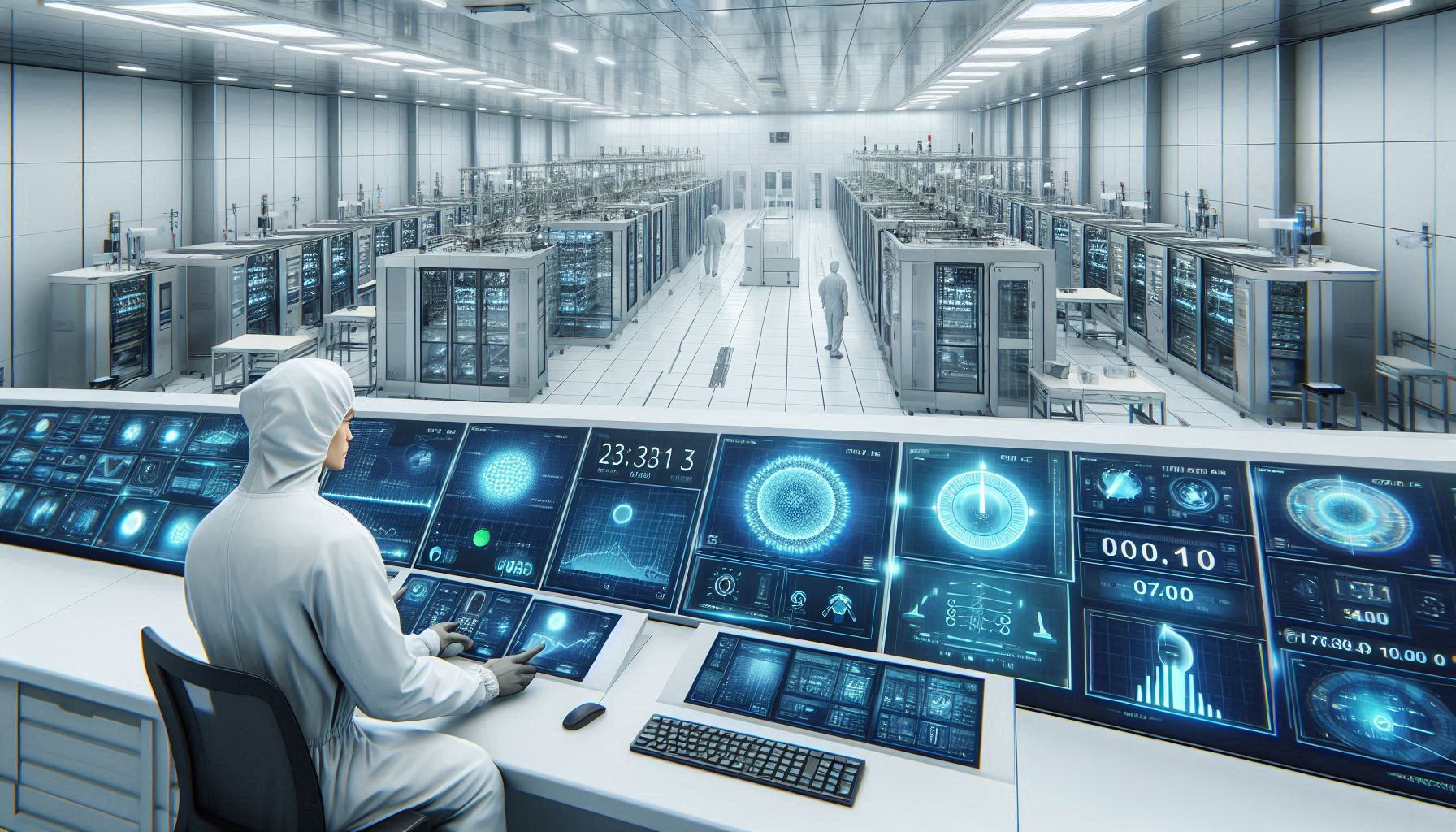
Professionals working on heat load calculation and estimation in HVAC systems

Heat load calculation, a fundamental aspect of HVAC system design, involves calculating the heat energy required to maintain desired indoor temperatures. This process starts by understanding the space’s dimensions, occupancy levels, and usage patterns. Factors like heat transfer coefficients, building orientation, sunlight exposure, insulation quality, and local climate also play a crucial role. Accurate heat load estimation ensures optimal HVAC system performance, energy efficiency, and occupant comfort. The goal is to size the HVAC system correctly, avoiding over or under-sizing, which can lead to inefficiency and increased costs.

What role does heat load estimation play in HVAC?

Heat load estimation is pivotal in HVAC system design and operation. It determines the capacity required to effectively heat or cool a space. Proper estimation helps in selecting the appropriate HVAC equipment, ensuring it operates efficiently. It also impacts energy consumption, operational costs, and indoor comfort levels. Incorrect heat load calculations can lead to overburdened systems, frequent breakdowns, and increased energy bills. Therefore, accurate heat load estimation, considering factors like the heat transfer coefficient and building orientation, is essential for achieving optimal performance, prolonging equipment lifespan, and maintaining a comfortable indoor environment.

What types of heat loads need to be considered?

During HVAC system design, various heat loads must be considered, including internal sources like occupants, lighting, and equipment, as well as external factors such as sunlight, ambient temperature, and wind. Sensible heat load refers to the temperature changes, while latent heat load involves humidity control. The specific humidity, fresh air quantity, and dehumidified air quantity are also critical factors. Both types affect the overall HVAC system performance. Understanding these different heat loads is crucial for precise heat load estimation, ensuring the system can handle both temperature and humidity variations efficiently.

What are the applications of heat load estimation in various projects?

Heat load estimation is applied in diverse projects, from residential buildings to commercial spaces and industrial facilities. In residential settings, it ensures home comfort and energy efficiency. In commercial projects, accurate estimation supports optimal HVAC performance in offices, retail spaces, and hospitality venues. Industrial applications involve precise control of environmental conditions to maintain product quality and safety. Each project type has unique requirements, making tailored heat load estimation essential for effective HVAC system design and operation. Factors like room dimensions, fresh air changes, and specific humidity levels are particularly critical in these applications.

What specifications are required for accurate heat load estimation?

Accurate heat load estimation requires detailed specifications, including building dimensions, materials, insulation levels, and occupancy patterns. Additionally, information on internal heat gains from equipment, lighting, and people is essential. External factors like local climate, sunlight exposure, and wind impact must be considered. Advanced software and tools, such as Carrier E-20, facilitate precise calculations. Key parameters like the heat transfer coefficient, bypass factor for cooling coils, and apparatus dew point must be included. Adhering to industry standards and guidelines ensures consistency and reliability in the estimation process, leading to optimal HVAC system performance.

What are the advantages and disadvantages of precise heat load estimation?

Precise heat load estimation offers several advantages. It ensures the HVAC system is correctly sized, enhancing energy efficiency and reducing operational costs. Accurate calculations improve indoor comfort by maintaining consistent temperature and humidity levels. However, the process can be complex, requiring detailed data and advanced tools. Inaccurate estimation can lead to over or under-sizing, resulting in inefficiency, higher costs, and discomfort. Despite these challenges, the benefits of precise heat load estimation, including factors like dry bulb and wet bulb temperatures, outweigh the drawbacks, making it a critical aspect of HVAC system design.

What inputs are required for heat load estimation?

Heat load estimation requires several inputs, including building dimensions, construction materials, and insulation quality. Occupancy levels, usage patterns, and internal heat gains from equipment and lighting are also crucial. External factors like local climate, sunlight exposure, and wind direction impact the calculations. Parameters like relative humidity, specific humidity, and fresh air quantity must be included. Advanced tools and software help process these inputs accurately. Adhering to industry standards and guidelines ensures consistency and reliability in the estimation process, leading to optimal HVAC system design and performance.

What are the main parameters involved in heat load estimation?

Main parameters in heat load estimation include building dimensions, occupancy levels, and internal heat gains. External factors like local climate, sunlight exposure, and wind impact also play a role. Sensible heat load pertains to temperature changes, while latent heat load involves humidity control. Key parameters like the bypass factor for cooling coils, apparatus dew point, and specific humidity must be considered. Accurate data on these parameters is essential for precise calculations. Using advanced tools and adhering to industry standards ensures reliability and consistency in the estimation process, leading to efficient HVAC system design and operation.

What is Carrier E-20 calculation sheet for heat load estimation?

The Carrier E-20 calculation sheet is a widely-used tool for heat load estimation. It helps HVAC professionals accurately calculate the amount of heat energy required to maintain desired indoor conditions. The sheet includes inputs for building dimensions, materials, insulation levels, occupancy, and internal heat gains. External factors like local climate and sunlight exposure are also considered. Parameters like dry bulb and wet bulb temperatures, relative humidity, and specific humidity are included. By processing these inputs, the Carrier E-20 sheet provides precise heat load calculations, ensuring optimal HVAC system design and performance.

What design considerations are essential for accurate heat load estimation?

Accurate heat load estimation requires several design considerations. These include building dimensions, materials, and insulation levels. Occupancy patterns and internal heat gains from equipment and lighting are also crucial. External factors like local climate, sunlight exposure, and wind direction impact the calculations. Parameters like sensible heat ratio, apparatus dew point, and specific humidity must be considered. Advanced tools and software help process these inputs accurately. Adhering to industry standards and guidelines ensures reliability and consistency in the estimation process, leading to efficient HVAC system design and operation.

What design parameters should be factored in during heat load estimation?

Design parameters essential for heat load estimation include building dimensions, materials, and insulation quality. Occupancy levels, usage patterns, and internal heat gains from equipment and lighting are crucial. External factors like local climate, sunlight exposure, and wind direction impact the calculations. Sensible heat load pertains to temperature changes, while latent heat load involves humidity control. Key parameters like specific humidity, fresh air quantity, and dehumidified air quantity must be considered. Accurate data on these parameters ensures precise calculations, leading to optimal HVAC system design and performance.

What unit conversions are necessary for heat load estimation?

Unit conversions play a critical role in heat load estimation. Converting between units like BTU, kW, and tons of refrigeration ensures accurate calculations. For instance, 1 BTU/hr equals 0.000293 kW. Understanding these conversions is essential for professionals using different measurement systems. Advanced tools and software often include built-in conversion features, simplifying the process. Accurate unit conversions ensure reliability in heat load calculations, leading to efficient HVAC system design and operation. Parameters like dry bulb and wet bulb temperatures, relative humidity, and specific humidity may also require unit conversions.

What methods are used for capacity calculation in heat load estimation?

Several methods are employed for capacity calculation in heat load estimation. The degree-day method estimates heating and cooling requirements based on historical weather data. The load factor method considers internal and external heat gains. Advanced software tools, like Carrier E-20, facilitate precise calculations by processing detailed inputs. Each method has its advantages and applications, ensuring accurate heat load estimation for various project types. Key parameters like dry bulb and wet bulb temperatures, specific humidity, and fresh air changes must be included. Using the appropriate method enhances HVAC system performance and energy efficiency.

What codes and standards govern heat load estimation?

Heat load estimation is governed by various codes and standards. The American Society of Heating, Refrigerating and Air-Conditioning Engineers (ASHRAE) and the Indian Society of Heating, Refrigerating and Air Conditioning Engineers (ISHRAE) provide guidelines for accurate calculations. These standards ensure consistency, reliability, and safety in HVAC system design. Adhering to these codes helps professionals achieve precise heat load estimations, leading to efficient and compliant HVAC installations. Key parameters like dry bulb and wet bulb temperatures, specific humidity, and fresh air changes are included in these guidelines. Access more information on ASHRAE and ISHRAE.

What are the electrical parameters involved in heat load estimation?

Electrical parameters are crucial in heat load estimation. These include power consumption of HVAC equipment, lighting, and other electrical devices. Understanding the electrical load helps in selecting appropriate HVAC equipment and ensuring it operates efficiently. Parameters like power factor, voltage, and current ratings are essential. Accurate estimation of these parameters ensures optimal system performance and energy efficiency. Additionally, factors like the total connected load and peak demand must be considered. Using advanced tools and adhering to industry standards help in precise electrical parameter calculations, contributing to effective HVAC system design.

What software tools are available for heat load estimation?

Several software tools are available for heat load estimation, streamlining the process and enhancing accuracy. Tools like Carrier E-20, Trane TRACE 700, and HAP (Hourly Analysis Program) are widely used. These tools process detailed inputs, including building dimensions, occupancy patterns, and internal heat gains. They also consider external factors like climate and sunlight exposure. Advanced software often includes built-in unit conversions and adherence to industry standards. Using these tools simplifies the estimation process, ensuring reliable and precise heat load calculations for efficient HVAC system design and operation.

What are the typical challenges in heat load estimation?

Heat load estimation can present several challenges. Inaccurate data on building dimensions, occupancy levels, and internal heat gains can lead to incorrect calculations. External factors like local climate and sunlight exposure also add complexity. Ensuring the accuracy of parameters like specific humidity, dry bulb, and wet bulb temperatures is crucial. Additionally, using outdated or incorrect software tools can affect results. Overcoming these challenges requires careful data collection, adherence to industry standards, and the use of advanced estimation tools. Addressing these challenges ensures precise heat load calculations, leading to effective HVAC system design and operation.

What best practices should be followed for accurate heat load estimation?

To achieve accurate heat load estimation, several best practices should be followed. Begin with precise data collection on building dimensions, materials, and insulation levels. Consider all internal and external heat gains, including equipment, lighting, and sunlight exposure. Use reliable software tools like Carrier E-20 and adhere to industry standards set by ASHRAE and ISHRAE. Ensure accurate unit conversions and consider all relevant parameters, including specific humidity and fresh air changes. Regularly update software and tools to reflect the latest standards and technologies. Following these best practices leads to reliable heat load calculations, ensuring optimal HVAC system performance.

Conclusion

Accurate heat load estimation is essential for efficient HVAC system design and operation. It involves calculating the necessary heat energy to maintain desired indoor conditions, considering various internal and external factors. Precise estimation ensures optimal system performance, energy efficiency, and occupant comfort. By understanding the different heat loads, using advanced tools, and adhering to industry standards, professionals can achieve reliable results. Despite the challenges, following best practices and using appropriate methods ensures successful heat load calculations, contributing to effective and efficient HVAC systems.

AHU: Exploring Specifications Which You Need to Know

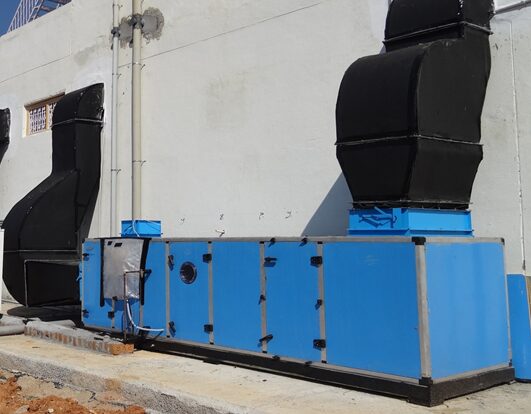
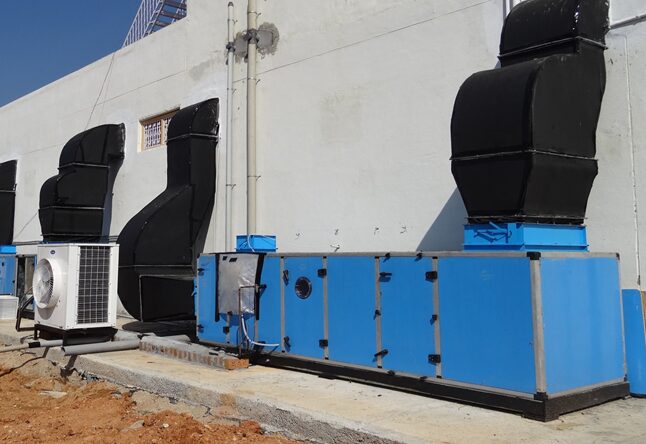
Illustration of an AHU in a commercial HVAC system.

An Air Handling Unit (AHU) is a critical component in HVAC systems, designed to regulate and circulate air. It houses essential elements like fans, filters, heating and cooling coils, and dampers. AHUs are typically used in commercial and industrial settings. They ensure that indoor air quality is maintained by managing temperature, humidity, and air cleanliness. In HVAC systems, AHUs are central to the efficient delivery of conditioned air throughout a building. Therefore, understanding their functionality and role is crucial for optimal HVAC system performance.

How does an AHU contribute to the overall performance of an HVAC system?

An AHU significantly enhances the overall performance of an HVAC system by ensuring effective air circulation and quality control. It maintains desired indoor conditions by managing airflow, filtering pollutants, and adjusting temperature and humidity levels. The integration of advanced controls and sensors within AHUs allows precise monitoring and adjustment, leading to energy efficiency and cost savings. Moreover, AHUs support the system’s adaptability to varying external conditions, ensuring comfort and safety for occupants. Therefore, a well-designed AHU is indispensable for maintaining optimal HVAC system performance and energy efficiency.

What are the different types of AHU available for HVAC systems?

Several types of AHUs cater to different HVAC system requirements. The main types include packaged AHUs, modular AHUs, and custom-built AHUs. Packaged AHUs are pre-engineered and suitable for standard applications. Modular AHUs offer flexibility with various sections that can be configured as needed. Custom-built AHUs are tailored for specific needs, often used in specialized environments like cleanrooms or laboratories. Additionally, AHUs can be categorized based on their location, such as rooftop units or indoor units. Each type serves distinct purposes, providing versatility in HVAC system design and application.

Where are AHU commonly used in various industries?

AHUs are widely used across multiple industries due to their versatility in managing indoor air quality. In commercial buildings like offices and shopping malls, AHUs maintain a comfortable environment for occupants. In healthcare settings, they ensure sterile and clean air, essential for patient safety. AHUs are also crucial in manufacturing plants, especially in cleanrooms and pharmaceutical production, where air purity is paramount. Additionally, they play a significant role in data centers, preserving the optimal temperature for equipment. Thus, AHUs are integral in diverse industries, ensuring environmental control and operational efficiency.

What key specifications should be considered when selecting an AHU?

Selecting an AHU involves evaluating several key specifications to ensure optimal performance and compatibility with the HVAC system. Important factors include the unit’s airflow capacity, measured in cubic feet per minute (CFM), and the static pressure it can handle. Additionally, the efficiency of filters, the type and capacity of heating and cooling coils, and the energy efficiency ratio (EER) are critical considerations. Noise levels, ease of maintenance, and the integration of control systems also play a vital role. These specifications help in choosing an AHU that meets the specific requirements of the building and its occupants.

What are the advantages and disadvantages of using an AHU in an HVAC system?

Using an AHU in an HVAC system offers several advantages. It provides precise control over air quality, temperature, and humidity, enhancing occupant comfort. AHUs are energy-efficient, contributing to reduced operational costs. They also support modularity and scalability, allowing customization for specific needs. However, there are some disadvantages. AHUs can be complex and expensive to install and maintain. They require regular servicing to ensure optimal performance. Additionally, improperly sized or poorly maintained AHUs can lead to inefficiencies and increased energy consumption. Therefore, a balanced approach is necessary to maximize the benefits of AHUs.

What information is typically included in an AHU technical data sheet?

An AHU technical data sheet provides comprehensive details about the unit’s specifications and performance characteristics. Key information includes the airflow rate, static pressure, heating and cooling capacities, and filter efficiency. It also outlines the electrical requirements, including voltage, power consumption, and control options. The data sheet includes dimensions, weight, and installation guidelines. Performance curves, noise levels, and maintenance schedules are also detailed. This information is crucial for selecting, installing, and maintaining the AHU, ensuring it meets the specific needs of the HVAC system and the building it serves.

What are the main components of an AHU?

An AHU comprises several main components essential for its operation. The primary components include fans, which drive the airflow, and filters, which remove particulates from the air. Heating and cooling coils adjust the temperature and humidity levels. Dampers control the airflow and pressure within the unit. Additionally, humidifiers add moisture to the air when needed. Sensors and control systems monitor and regulate the performance of these components. Each part plays a critical role in ensuring the AHU functions efficiently, providing a comfortable and healthy indoor environment.

What are the critical sub-components within an AHU?

Within an AHU, several critical sub-components ensure its efficient operation. These include the fan motor, which powers the fans, and the belt drive system that transmits this power. Heat exchangers are crucial for transferring thermal energy between the air and the coils. Air filters, including pre-filters and high-efficiency particulate air (HEPA) filters, are essential for removing contaminants. Additionally, dampers and actuators control airflow and pressure. Control systems and sensors monitor and adjust the unit’s performance. Each sub-component plays a vital role in maintaining the AHU’s functionality and efficiency.

What are the essential design considerations for an AHU?

Designing an AHU involves several essential considerations to ensure optimal performance and compatibility with the HVAC system. These include determining the required airflow rate and static pressure, selecting appropriate filters, and choosing the right type and capacity of heating and cooling coils. The design must also consider noise levels, energy efficiency, and ease of maintenance. Additionally, the integration of control systems and sensors is crucial for monitoring and adjusting performance. Properly addressing these factors ensures the AHU meets the specific needs of the building and its occupants, providing a comfortable and healthy indoor environment.

What design parameters must be considered when planning an AHU?

When planning an AHU, several design parameters are critical to ensure optimal performance. These include the airflow rate, static pressure, and temperature and humidity control requirements. The type and efficiency of filters, the capacity of heating and cooling coils, and the energy efficiency ratio (EER) are also important. Noise levels, ease of maintenance, and the integration of control systems and sensors are crucial considerations. Properly addressing these parameters ensures the AHU meets the specific needs of the building and its occupants, providing a comfortable and healthy indoor environment.

What unit conversions are necessary for AHU design and specification?

Designing and specifying an AHU requires several unit conversions to ensure accuracy. Common conversions include airflow rate from cubic feet per minute (CFM) to cubic meters per hour (m³/h) and static pressure from inches of water column (in. w.c.) to Pascals (Pa). Temperature conversions between Fahrenheit (°F) and Celsius (°C) are often necessary. Additionally, energy efficiency ratios (EER) may need to be converted to coefficient of performance (COP). These conversions ensure that the AHU specifications align with industry standards and meet the specific needs of the building and its occupants.

What methods are used to calculate the capacity of an AHU?

Calculating the capacity of an AHU involves several methods to ensure accurate sizing and performance. One common method is the heat load calculation, which considers the building’s thermal requirements based on factors like occupancy, equipment, and insulation. The airflow rate is determined by calculating the volume of air needed to maintain desired indoor conditions. Additionally, the cooling and heating capacities are calculated based on the temperature and humidity control requirements. These calculations ensure the AHU is appropriately sized and capable of meeting the specific needs of the building and its occupants.

What codes and standards govern the use of AHU in HVAC systems?

The use of AHUs in HVAC systems is governed by several codes and standards to ensure safety, efficiency, and performance. Key standards include those set by the American Society of Heating, Refrigerating, and Air-Conditioning Engineers (ASHRAE) and the Indian Society of Heating, Refrigerating, and Air Conditioning Engineers (ISHRAE). These standards provide guidelines for design, installation, and maintenance. Additionally, building codes like the International Building Code (IBC) and local regulations may apply. Adhering to these codes and standards ensures that AHUs meet the necessary safety and performance requirements, providing a comfortable and healthy indoor environment.

What is a general arrangement drawing for an AHU?

A general arrangement drawing for an AHU provides a detailed visual representation of the unit’s layout and components. It includes dimensions, placement of filters, motor, fans, coils, drain pan, limit switch, lamp, motor base channels, dampers and other elements. The drawing shows the overall configuration, including duct connections, access doors, and control panels. It also indicates service and maintenance areas, ensuring ease of access. This drawing is crucial for the proper installation and integration of the AHU within the HVAC system. It helps ensure that all components are correctly placed and that the unit functions efficiently, providing a comfortable and healthy indoor environment.

What information is conveyed in an AHU schematic drawing?

An AHU schematic drawing provides a detailed representation of the unit’s internal components and their connections. It includes diagrams of fans, filters, heating and cooling coils, dampers, and control systems. The schematic shows the airflow path, indicating how air moves through the unit. It also details electrical connections, including power supply and control wiring. This drawing is essential for understanding the AHU’s operation and for troubleshooting any issues. It ensures that all components are correctly connected and functioning as intended, contributing to the overall performance of the HVAC system.

What is included in the electrical scope of works for an AHU?

The electrical scope of works for an AHU outlines the necessary electrical requirements and connections. It includes details on power supply, such as voltage and phase, and the unit’s electrical load. The scope also specifies the wiring connections for fans, motors, control panels, and sensors. It includes requirements for grounding, circuit protection, and emergency shutdown systems. This document ensures that the AHU is correctly wired and complies with electrical codes and standards. Properly addressing the electrical scope of works is crucial for the safe and efficient operation of the AHU within the HVAC system.

Who are the leading manufacturers of AHU?

Several leading manufacturers specialize in producing high-quality AHUs for various HVAC applications. Notable names include

  • Carrier
  • Trane
  • Daikin
  • Johnson Controls
  • York
known for their advanced technology and reliable performance and are also prominent manufacturers, offering a range of AHUs tailored for different industries. Other key players include
  • Zeco
  • Greenheck
  • McQuay
  • Bluestar
  • Voltas
  • Systemair
each providing innovative solutions to meet specific air handling needs. These manufacturers are renowned for their commitment to quality, energy efficiency, and sustainability, ensuring that their AHUs deliver optimal performance and reliability in diverse applications.

What is a bill of material for an AHU?

A bill of material (BOM) for an AHU lists all the components and materials required for its construction and installation. It includes detailed descriptions and quantities of parts like panels, fans, motors, filters, coils, and control systems. The BOM also specifies the necessary hardware, such as bolts, brackets, and duct connections. This document is crucial for ensuring that all components are accounted for and available during the assembly and installation process. A comprehensive BOM helps streamline procurement, minimize delays, and ensure the AHU is built and installed correctly, providing efficient and reliable operation.

What is the purpose of a shop drawing for an AHU?

A shop drawing for an AHU provides detailed instructions for its fabrication and assembly. It includes precise dimensions, materials, and construction techniques. The drawing outlines the placement of components, such as fans, coils, and filters, and specifies the necessary connections and alignments. Shop drawings ensure that the AHU is built according to the design specifications and meets the required performance standards. They are used by manufacturers and contractors to guide the construction process, ensuring accuracy and consistency. Properly executed shop drawings are essential for delivering a high-quality AHU that functions efficiently.

What are the steps involved in the installation of an AHU?

The installation of an AHU involves several critical steps to ensure proper setup and operation. First, the unit is positioned and anchored in the designated location. Duct connections are made, ensuring airtight seals. Electrical wiring is completed according to the electrical scope of works. Next, the fans, coils, filters, and control systems are installed and connected. The unit is then tested for leaks, airflow, and operational functionality. Finally, adjustments are made to optimize performance, and the AHU is commissioned for use. Following these steps ensures that the AHU operates efficiently and meets the HVAC system’s requirements.

What should be included in an AHU installation checklist?

An AHU installation checklist ensures all critical tasks are completed for a successful setup. Key items include verifying the correct placement and securing the unit, checking duct connections for airtight seals, and completing electrical wiring according to the scope of works. The checklist also includes installing and connecting fans, coils, filters, and control systems, testing for leaks and airflow, and verifying operational functionality. Finally, adjustments are made to optimize performance, and the unit is commissioned for use. This comprehensive checklist helps ensure that the AHU operates efficiently and meets the HVAC system’s requirements.

What supporting details are necessary for AHU installation?

Supporting details for AHU installation include site-specific information such as the unit’s location, mounting requirements, and available space. Detailed diagrams of duct connections, electrical wiring, and control system interfaces are essential. Information on necessary tools, equipment, and materials, including dimensions and quantities, is crucial. Additionally, guidelines for safety procedures, maintenance access, and operational testing are necessary. These details ensure that the AHU installation is carried out accurately and efficiently, minimizing the risk of errors and ensuring optimal performance within the HVAC system.

What procedures are involved in testing, adjusting, and balancing an AHU?

Testing, adjusting, and balancing (TAB) an AHU involves several procedures to ensure optimal performance. First, airflow measurements are taken to verify the unit’s output matches the design specifications. Adjustments are made to fan speeds, dampers, and control settings to achieve the desired airflow and pressure. The temperature and humidity levels are checked and adjusted as needed. Filters and coils are inspected for proper installation and functionality. Finally, the entire system is tested under various operating conditions to ensure consistent performance. These procedures help maintain the AHU’s efficiency and reliability within the HVAC system.

What techniques are used to control noise and vibration in AHU?

Controlling noise and vibration in AHUs involves several techniques to enhance comfort and efficiency. Acoustic insulation materials are used to line the unit’s casing, reducing noise transmission. Vibration isolation mounts are installed to minimize the transfer of vibrations to the building structure. Additionally, flexible duct connectors help absorb vibrations from the unit’s fans and motors. Properly balancing the fans and ensuring all components are securely fastened also reduces noise and vibration. These techniques are essential for maintaining a quiet and comfortable indoor environment, enhancing the overall performance of the HVAC system.

What are the recommended maintenance procedures for an AHU?

Regular maintenance is essential for ensuring the optimal performance and longevity of an AHU. Key procedures include inspecting and cleaning filters, coils, and fans to prevent the buildup of dust and debris. Checking and adjusting belts and pulleys ensures proper alignment and tension. Lubricating moving parts, such as fan bearings and motor shafts, reduces wear and tear. Additionally, verifying the functionality of control systems and sensors is crucial for maintaining accurate performance. Periodic testing and calibration of the unit’s components help identify potential issues early, ensuring reliable operation and energy efficiency.

What are common troubleshooting and diagnostic techniques for AHUs?

Troubleshooting and diagnosing AHU issues involve several techniques to identify and resolve problems. Visual inspections are conducted to check for obvious signs of damage or wear. Measuring airflow and static pressure helps detect blockages or leaks in the ductwork. Temperature and humidity readings indicate issues with heating or cooling coils. Electrical tests verify the functionality of motors, fans, and control systems. Additionally, listening for unusual noises and checking vibration levels can reveal mechanical issues. These techniques help pinpoint the cause of problems, allowing for timely repairs and ensuring the AHU operates efficiently.

What methods are used to monitor the performance of an AHU?

Monitoring the performance of an AHU involves several methods to ensure it operates efficiently. Sensors and control systems provide real-time data on airflow, temperature, humidity, and pressure. Regular inspections and maintenance checks help identify potential issues early. Performance metrics, such as energy consumption and runtime, are tracked to detect changes in efficiency. Additionally, advanced monitoring systems can alert operators to deviations from normal operating conditions. These methods help maintain the AHU’s performance, ensuring it meets the HVAC system’s requirements and provides a comfortable and healthy indoor environment.

What is involved in the lifecycle analysis of an AHU?

Lifecycle analysis of an AHU involves evaluating its performance, costs, and environmental impact from installation to decommissioning. Key factors include the unit’s initial purchase and installation costs, operational and maintenance expenses, and energy consumption. Environmental considerations, such as the materials used and the unit’s efficiency, are also analyzed. The expected lifespan and potential for upgrades or retrofits are evaluated. This comprehensive analysis helps determine the overall value and sustainability of the AHU, guiding decisions on its selection, operation, and replacement within the HVAC system.

What features of an AHU contribute to energy efficiency?

Several features of an AHU contribute to its energy efficiency. High-efficiency fans and motors reduce energy consumption while maintaining optimal airflow. Variable speed drives (VSDs) adjust fan speeds based on demand, minimizing energy use. Advanced control systems monitor and regulate the unit’s performance, optimizing energy efficiency. High-efficiency filters reduce pressure drop, decreasing the workload on fans. Additionally, heat recovery systems capture and reuse waste heat, further enhancing energy efficiency. These features help reduce operational costs and environmental impact, ensuring the AHU provides sustainable and efficient performance within the HVAC system.

What are the benefits of upgrading or retrofitting an AHU?

Upgrading or retrofitting an AHU offers several benefits, enhancing performance and efficiency. Newer components, such as high-efficiency fans, motors, and filters, reduce energy consumption and operational costs. Advanced control systems improve the unit’s responsiveness and accuracy, ensuring optimal indoor conditions. Retrofitting can also address specific issues, such as noise and vibration control, improving occupant comfort. Additionally, upgrades extend the unit’s lifespan, delaying the need for a complete replacement. These benefits contribute to a more efficient, reliable, and sustainable HVAC system, providing long-term value and improved performance.

What warranty information should you look for when purchasing an AHU?

When purchasing an AHU, it is important to consider the warranty information provided by the manufacturer. Look for warranties that cover key components, such as fans, motors, coils, and control systems, for an extended period. Ensure the warranty includes coverage for defects in materials and workmanship. Additionally, check if the warranty provides for labor costs associated with repairs or replacements. Understanding the warranty terms, conditions, and exclusions is crucial for ensuring long-term protection and support. A comprehensive warranty offers peace of mind and safeguards your investment in the AHU, ensuring reliable performance and customer satisfaction.

What is the environmental impact of using an AHU?

The environmental impact of using an AHU depends on several factors, including its energy efficiency, materials used, and emissions. High-efficiency units consume less energy, reducing greenhouse gas emissions and lowering operational costs. Sustainable materials, such as recyclable components and environmentally friendly refrigerants, minimize environmental harm. Proper maintenance and regular servicing ensure optimal performance, reducing the unit’s overall impact. Additionally, advanced technologies, such as heat recovery systems, further enhance sustainability. By choosing energy-efficient and environmentally conscious AHUs, you can significantly reduce the environmental footprint of your HVAC system, contributing to a healthier planet.

What safety considerations must be taken into account when installing an AHU?

Safety considerations are crucial when installing an AHU to ensure the protection of personnel and equipment. Proper grounding and electrical connections prevent electrical hazards. Adequate clearance around the unit allows for safe access during maintenance and servicing. Using appropriate lifting equipment and techniques ensures safe handling and installation of heavy components. Additionally, following manufacturer guidelines and local codes and standards, such as those set by ASHRAE and ISHRAE, ensures compliance with safety regulations. Implementing safety measures during installation helps prevent accidents, ensuring a safe and efficient operation of the AHU within the HVAC system.

What spare parts are typically required for AHU maintenance?

AHU maintenance requires several spare parts to ensure continued performance and reliability. Commonly needed parts include filters, belts, and bearings, which wear out over time. Replacement fans and motors are essential for addressing mechanical failures. Coils and heat exchangers may also need replacement due to corrosion or damage. Control components, such as sensors and actuators, ensure accurate system operation and may require periodic replacement. Keeping a stock of these spare parts enables timely repairs and minimizes downtime, ensuring the AHU operates efficiently and maintains the desired indoor air quality and comfort levels.

FAQ

What is the AHU in HVAC?

The AHU, or Air Handling Unit, in HVAC systems, is a device that conditions and circulates air as part of the heating, ventilation, and air conditioning system. It ensures proper air filtration, temperature control, and humidity regulation to maintain indoor air quality and comfort in buildings.

What is AHU vs FCU in HVAC?

AHU (Air Handling Unit) and FCU (Fan Coil Unit) serve different purposes in HVAC systems. AHUs are larger units that handle air conditioning and ventilation for entire buildings, while FCUs are smaller units that condition air for specific spaces or rooms.

What are the main parts of the AHU?

The main parts of an AHU include:

  • Fan: Moves air through the unit.
  • Coils: Heat or cool the air.
  • Filters: Remove particles from the air.
  • Dampers: Control airflow.
  • Mixing Chamber: Mixes air for temperature control.
  • Control Panel: Manages the unit’s operation.

Types of AHU in HVAC systems

There are several types of AHUs used in HVAC systems:

  • Rooftop Units: Installed on the roof, suitable for large spaces.
  • Modular Units: Flexible and customizable for various applications.
  • Make-up Air Units: Provide fresh air to replace exhaust air.
  • Packaged Units: Contain all components in a single enclosure.

Role of AHU in HVAC systems

The AHU plays a crucial role in HVAC systems by conditioning and distributing air throughout the building. It ensures the air is clean, at the right temperature, and maintains proper humidity levels, contributing to occupant comfort and indoor air quality.

AHU in HVAC systems Wikipedia

AHU in HVAC systems is extensively covered on Wikipedia, describing its function, components, and various types used in different applications. It provides an in-depth overview of how AHUs integrate into HVAC systems to maintain air quality and comfort in buildings.

Types of AHU

Different types of AHUs include:

  • Single Zone Units: Serve specific areas with consistent requirements.
  • Multi-Zone Units: Serve multiple areas with varying needs.
  • Heat Recovery Units: Recover energy from exhaust air.
  • Custom-Built Units: Designed for unique applications or specifications.

Air handling unit diagram

An air handling unit diagram illustrates the internal components and airflow path within the unit. It typically includes fans, coils, filters, dampers, and control systems, helping to understand how air moves through the system for effective operation and maintenance.

Air handling unit working principle

The working principle of an air handling unit involves drawing air in, conditioning it by heating, cooling, filtering, and regulating humidity, and then distributing it throughout the building. This process ensures consistent indoor air quality and comfort.

AHU full form in HVAC

AHU in HVAC stands for Air Handling Unit. It refers to the equipment responsible for air conditioning and ventilation within buildings, ensuring proper air quality and comfort.

Air handling unit for home

An air handling unit for home use is designed to provide efficient air conditioning and ventilation specifically for residential spaces. It helps maintain optimal indoor air quality and comfort levels within homes.

Conclusion

AHUs are integral components of HVAC systems, providing essential air handling functions for various applications. Understanding their types, specifications, components, and installation requirements is crucial for optimizing performance and efficiency. Proper maintenance, troubleshooting, and monitoring ensure reliable operation and longevity. Upgrading or retrofitting AHUs can enhance energy efficiency, reduce operational costs, and improve indoor air quality. By following industry standards and guidelines, such as those from ASHRAE and ISHRAE, you can ensure safe and compliant AHU installations. Investing in high-quality AHUs with comprehensive warranties and minimal environmental impact contributes to a sustainable and efficient HVAC system.

About the Author

Omprakash Ramagiri; as the Founder of HVAC Technocrats, I bring over 18 years of experience as a Mechanical Engineer specializing in HVAC (Central Air-conditioning) for commercial, cleanrooms, data centers, and Petrochemical industries. Throughout my career, I’ve held pivotal roles at companies like TATA Consulting Engineers, MW Zander (for Cleanroom solutions), Bluestar Malaysia, and ETA in Dubai. I’ve managed international HVAC projects and gained valuable exposure in dynamic markets like Dubai and Saudi Arabia. With a passion for excellence and a commitment to innovative solutions, I specialize in designing Class 10K & 100K Cleanrooms for various industries. Connect with me to explore collaborations in HVAC design, project sales, and consultancy. Click to visit the Author’s Linkedin page


Disclaimer: The pictures used are for illustrative purposes only. They may not depict actual products or situations and are meant for educational purposes. Actual products, situations, or outcomes may differ.

Cooling Tower: How to Enhance Energy Efficiency in Buildings

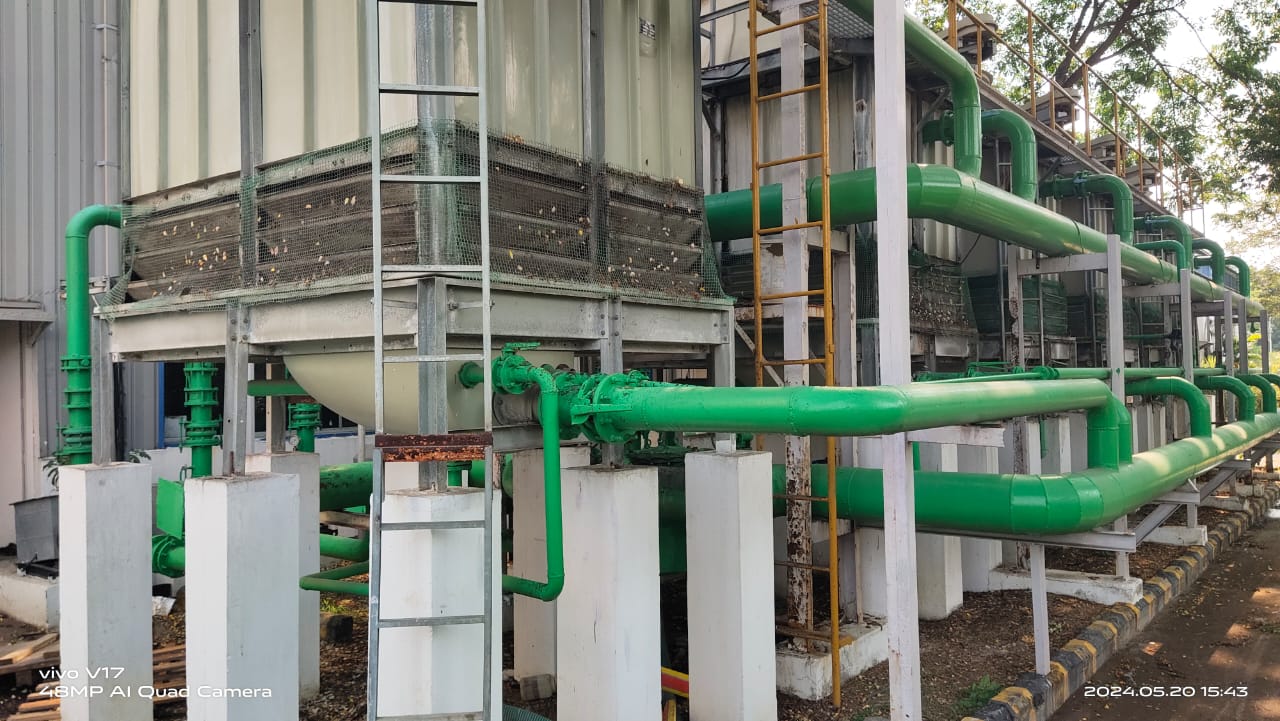
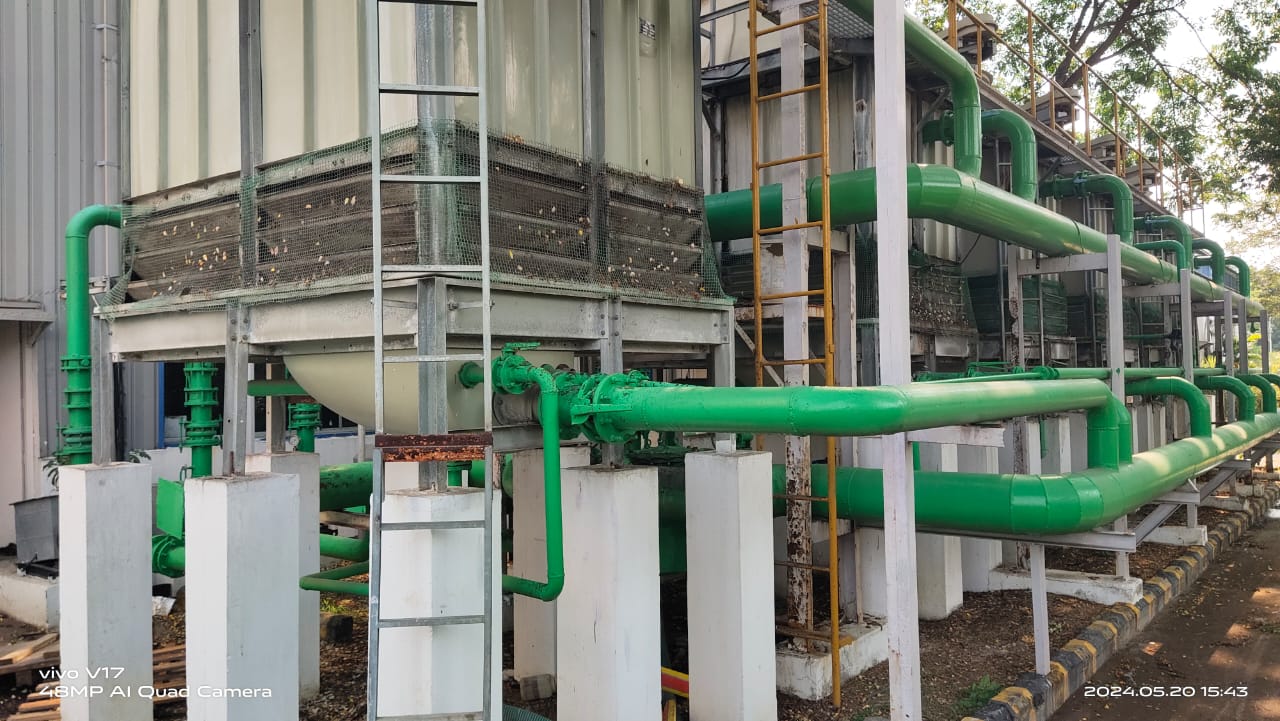
Cooling Tower in Industrial Setting

What is Cooling Tower in HVAC Systems

A cooling tower is a specialized heat rejection device that extracts waste heat to the atmosphere through the cooling of a water stream to a lower temperature. It plays a crucial role in HVAC (Heating, Ventilation, and Air Conditioning) systems and industrial processes where large amounts of heat need to be dissipated efficiently.

Cooling towers work on the principle of evaporation, where warm water from industrial processes or air conditioning systems is pumped to the top of the tower and distributed over the tower fill or packing. As this water cascades down through the fill material, it comes into contact with a stream of air moving upward through the tower. This air, usually induced by a fan, causes a small portion of the water to evaporate, which removes heat from the remaining water. The cooled water is then collected at the bottom of the tower and recirculated back into the system.

Cooling towers are classified into various types based on their design and application, such as crossflow, counterflow, and hybrid configurations, each offering specific advantages in different industrial and HVAC settings.

Basics of Cooling Tower

A cooling tower is an essential component in HVAC and industrial processes for dissipating heat from water to the atmosphere. It operates on the principle of evaporative cooling, where warm water from processes or air conditioning systems is circulated to the top of the tower and distributed over a packing material. As this water flows down, it comes into contact with a rising air stream induced by fans. Some of the water evaporates, absorbing heat and cooling the rest of the water. The cooled water collects at the bottom of the tower and is recirculated back into the system.

Cooling towers vary in design, including crossflow and counterflow configurations. Crossflow towers direct the water flow horizontally across the vertical air flow, while counterflow towers direct water vertically downward against the upward air flow, maximizing heat transfer efficiency. These towers are crucial for maintaining optimal temperatures in industrial processes and HVAC systems, enhancing efficiency and reducing energy consumption.

Role and Importance of Cooling Towers in HVAC Systems

Cooling towers play a crucial role in HVAC systems, providing essential heat removal for industrial and commercial applications. By understanding their function and impact, we can appreciate how they enhance energy efficiency and maintain optimal temperatures. This article delves into various aspects of cooling towers, addressing common questions and providing a comprehensive overview for HVAC professionals and enthusiasts.

What is the role of a cooling tower in HVAC systems?

Cooling towers in HVAC systems serve to remove excess heat from a building or industrial process by using water to transfer heat to the atmosphere. This process is essential in maintaining efficient operation and optimal temperatures within HVAC systems. By cooling the water that circulates through the HVAC system, cooling towers help to dissipate heat generated by air conditioning units, industrial equipment, or processes. This not only prevents overheating but also ensures that the HVAC system operates efficiently, reducing energy consumption and operational costs. Cooling towers are integral in managing heat load, making them indispensable in various applications, from commercial buildings to industrial facilities.

Why are cooling towers essential for HVAC applications?

Cooling towers are essential for HVAC applications because they significantly enhance energy efficiency and cooling performance. They achieve this by using the natural process of evaporation to dissipate heat from the water, which is more energy-efficient compared to other cooling methods. Cooling towers are particularly effective in large-scale HVAC applications, where traditional air-cooled systems might struggle to manage the heat load. By reducing the temperature of the water used in the HVAC system, cooling towers ensure that air conditioning units and other components can operate more efficiently, leading to lower energy consumption and costs. This makes them vital for maintaining comfortable indoor environments in commercial and industrial settings.

How do cooling towers contribute to energy efficiency in buildings?

Cooling towers contribute to energy efficiency in buildings by leveraging the evaporative cooling process to remove heat from the water used in HVAC systems. This process requires less energy compared to traditional air-cooled systems, resulting in significant energy savings. By maintaining lower water temperatures, cooling towers ensure that HVAC components, such as chillers and air conditioning units, operate more efficiently. This reduces the overall energy consumption of the building’s cooling system. Additionally, cooling towers can be integrated with energy management systems to optimize their performance, further enhancing energy efficiency and reducing operational costs. Their ability to effectively manage heat load makes them a key component in sustainable building design.

When should you consider using a cooling tower in HVAC designs?

Consider using a cooling tower in HVAC designs when dealing with large-scale applications that require efficient heat removal, such as commercial buildings, industrial facilities, or data centers. Cooling towers are particularly beneficial in environments with high cooling loads, where traditional air-cooled systems may be insufficient. They are also ideal for applications where energy efficiency is a priority, as they can significantly reduce energy consumption compared to other cooling methods. Additionally, cooling towers are suitable for locations with abundant water supply, as they rely on water for the evaporative cooling process. When planning HVAC designs, evaluate the specific cooling requirements and environmental factors to determine if a cooling tower is the best solution.

Where are cooling towers typically located within HVAC systems?

Cooling towers are typically located outside the main building structure, often on the rooftop or in a designated mechanical yard. Their placement is strategic to facilitate the release of heat into the atmosphere and to minimize the impact of noise and water vapor plumes on the building’s occupants. The location should also allow for easy access for maintenance and inspections. In some cases, cooling towers can be installed at ground level or in a central utility plant, depending on the layout and space constraints of the facility. Proper placement is crucial to ensure efficient operation and integration with the overall HVAC system, including the water circulation network and supporting infrastructure.

What are the different types of cooling towers used in HVAC applications?

Several types of cooling towers are used in HVAC applications, each with distinct features and benefits. The main types include:

  • Natural Draft Cooling Towers: These rely on the natural convection of air to move through the tower and cool the water.
  • Mechanical Draft Cooling Towers: These use fans to force air through the tower, providing more control over airflow and cooling efficiency. Mechanical draft towers are further categorized into forced draft and induced draft.
  • Crossflow Cooling Towers: In these towers, water flows vertically while air flows horizontally through the fill media, providing efficient heat transfer.
  • Counterflow Cooling Towers: In these towers, water flows downward while air flows upward, maximizing contact time for heat transfer.
  • Hybrid Cooling Towers: These combine features of both wet and dry cooling towers to optimize performance and energy efficiency in varying conditions.
Each type has specific applications and advantages, making them suitable for different HVAC needs and environmental conditions.

How do evaporative cooling towers compare to dry cooling towers?

Evaporative cooling towers and dry cooling towers differ primarily in their cooling mechanisms and efficiency. Evaporative cooling towers use water evaporation to remove heat from the circulating water, which is highly efficient and effective in cooling large volumes of water. This method is energy-efficient and ideal for applications requiring significant cooling capacity. However, it does require a consistent water supply and regular maintenance to manage water quality and scaling.

Dry cooling towers, on the other hand, use air to cool the water without evaporation, relying on heat exchange through finned tubes or coils. While dry cooling towers are less efficient than evaporative towers, they have the advantage of not requiring water, making them suitable for areas with water scarcity or where water conservation is a priority. They also have lower maintenance requirements related to water treatment. The choice between the two depends on specific cooling needs, environmental conditions, and resource availability.

Why choose a crossflow cooling tower over a counterflow design?

Choosing a crossflow cooling tower over a counterflow design depends on several factors, including space constraints, efficiency requirements, and maintenance considerations. Crossflow cooling towers have a horizontal air flow that crosses the downward flow of water, allowing for easy access to internal components and simplified maintenance. This design typically requires less fan power and is quieter, making it suitable for applications where noise levels are a concern.

Counterflow cooling towers, with their upward air flow against the downward water flow, offer higher efficiency due to increased contact time between air and water. However, they can be more challenging to maintain because of the compact design and less accessible internal components. Crossflow towers are often preferred in situations where ease of maintenance and lower noise levels are priorities, while counterflow towers are chosen for applications requiring maximum cooling efficiency and where space is not a significant constraint.

When is it suitable to use a hybrid cooling tower in industrial settings?

Hybrid cooling towers are suitable for industrial settings that experience varying cooling loads and environmental conditions. These towers combine the benefits of both wet and dry cooling, allowing them to operate efficiently in diverse climates. They are particularly advantageous in regions with significant seasonal temperature variations, as they can switch between wet and dry modes to optimize performance and energy efficiency.

Hybrid cooling towers are also ideal for industrial processes that generate high heat loads but require flexible cooling solutions to manage water usage and operational costs. By utilizing dry cooling during cooler periods and evaporative cooling during hotter periods, hybrid towers reduce water consumption and maintain high cooling efficiency year-round. This makes them a valuable option for industries prioritizing sustainability and operational adaptability.

Where are induced draft cooling towers commonly installed in HVAC systems?

Induced draft cooling towers are commonly installed in HVAC systems for large commercial buildings, industrial facilities, and power plants. These towers use a fan located at the top to draw air through the system, ensuring efficient heat transfer and cooling performance. Their design allows for better control of air flow and cooling capacity, making them suitable for applications with high cooling demands.

In HVAC systems, induced draft cooling towers are typically installed on rooftops or in mechanical yards, where they can efficiently release heat into the atmosphere. Their placement is strategic to minimize noise and water vapor impact on the building and its occupants. Induced draft towers are also preferred in installations where space is limited, as their vertical design requires a smaller footprint compared to other cooling tower types.

What are the key applications of cooling towers in industrial processes?

Cooling towers play a vital role in various industrial processes, providing essential heat dissipation to maintain optimal operating conditions. Key applications include:

  • Power Generation: Cooling towers are used in power plants to remove excess heat from steam condensers, ensuring efficient electricity production.
  • Chemical Manufacturing: In chemical plants, cooling towers dissipate heat generated by exothermic reactions and equipment, maintaining safe and efficient operations.
  • Oil and Gas Refining: Cooling towers help manage heat loads in refineries, ensuring efficient processing and preventing equipment overheating.
  • Food and Beverage Production: Cooling towers are used to control temperatures in food processing, fermentation, and refrigeration systems.
  • HVAC Systems: In large commercial buildings and data centers, cooling towers provide critical cooling for air conditioning systems and IT equipment.
These applications highlight the versatility and importance of cooling towers in maintaining efficient and safe industrial operations.

How are cooling towers used in power plants and manufacturing facilities?

Cooling towers in power plants and manufacturing facilities are used to manage heat loads and maintain optimal operating temperatures for various processes and equipment. In power plants, cooling towers remove excess heat from steam condensers, allowing efficient electricity generation and preventing equipment damage from overheating. This process involves circulating water through the condenser, where it absorbs heat, and then passing it through the cooling tower to dissipate the heat into the atmosphere.

In manufacturing facilities, cooling towers are used to cool machinery, processes, and products, ensuring efficient operation and product quality. They manage heat loads generated by industrial processes, such as chemical reactions, metalworking, and food processing. By maintaining proper cooling, these facilities can operate safely and efficiently, reducing energy consumption and operational costs. The use of cooling towers in these settings highlights their critical role in industrial and power generation applications.

Why are fiberglass cooling towers preferred in corrosive environments?

Fiberglass cooling towers are preferred in corrosive environments due to their excellent resistance to chemical corrosion, which ensures long-term durability and reliability. Unlike traditional cooling towers made of metal, fiberglass towers are impervious to rust and corrosion caused by harsh chemicals, saltwater, and other corrosive substances commonly found in industrial settings. This makes them ideal for use in chemical plants, coastal areas, and other environments where corrosion is a significant concern.

Additionally, fiberglass cooling towers are lightweight, easy to install, and require minimal maintenance compared to their metal counterparts. Their non-corrosive nature reduces the need for frequent repairs and replacements, resulting in lower maintenance costs and extended service life. The durability and corrosion resistance of fiberglass cooling towers make them a cost-effective and reliable choice for challenging environments where traditional materials may fail.

What are the specifications to consider when selecting a cooling tower?

When selecting a cooling tower, several key specifications should be considered to ensure optimal performance and suitability for the application. These include:

  • Cooling Capacity: Determine the cooling load and select a tower that can handle the required heat rejection.
  • Flow Rate: Consider the water flow rate needed to achieve the desired cooling effect.
  • Temperature Range: Assess the entering and leaving water temperatures to ensure the tower can meet the cooling requirements.
  • Ambient Wet Bulb Temperature: The lowest temperature air can reach by evaporating water, crucial for determining cooling efficiency and tower performance.
  • Energy Efficiency: Look for towers with high energy efficiency ratings to reduce operational costs.
  • Material: Choose materials that are resistant to corrosion and suitable for the specific environmental conditions.
  • Noise Levels: Consider the noise output, especially in residential or noise-sensitive areas.
  • Footprint: Evaluate the available space for installation and select a tower with an appropriate size and design.
These specifications help ensure that the selected cooling tower meets the operational needs and environmental constraints of the application.

How does the capacity of a cooling tower affect its performance?

The capacity of a cooling tower directly affects its performance by determining the amount of heat it can dissipate. Cooling tower capacity is typically measured in tons or BTUs per hour, representing the amount of heat removed from the water. A higher-capacity cooling tower can handle larger heat loads, making it suitable for applications with significant cooling demands, such as industrial processes, power plants, and large commercial buildings.

If a cooling tower is undersized for the application, it will struggle to maintain the desired water temperature, leading to inefficient operation and potential overheating of equipment. Conversely, an oversized cooling tower may result in higher initial costs and unnecessary energy consumption. Therefore, accurately calculating the cooling load and selecting a tower with the appropriate capacity is crucial for efficient performance and cost-effective operation. Proper capacity selection ensures optimal cooling, energy efficiency, and system reliability.

Why is drift loss a critical specification in cooling tower selection?

Drift loss is a critical specification in cooling tower selection because it represents the amount of water that escapes the tower as droplets carried by the airflow. This water loss can lead to increased water consumption and potential environmental concerns, especially in areas with water scarcity or strict environmental regulations. Minimizing drift loss is essential to conserve water and reduce operational costs associated with water treatment and replenishment.

Cooling towers are designed with drift eliminators to capture and return the water droplets, reducing drift loss to acceptable levels. When selecting a cooling tower, it is important to consider the efficiency of these drift eliminators and ensure that the tower complies with industry standards for drift loss. Lower drift loss not only conserves water but also minimizes the impact on surrounding areas, preventing potential issues related to water damage and contamination. Therefore, evaluating and selecting a cooling tower with minimal drift loss is crucial for sustainable and efficient operation.

When should you consider the noise level rating of a cooling tower?

Consider the noise level rating of a cooling tower when it is installed in or near residential areas, office buildings, or noise-sensitive environments. Cooling towers can generate significant noise due to the operation of fans, water flow, and other mechanical components. Excessive noise can disrupt the surrounding environment, leading to complaints and potential regulatory issues.

To address this, manufacturers provide noise level ratings for their cooling towers, measured in decibels (dB). When selecting a cooling tower, it is important to choose one with an appropriate noise level rating that meets local noise regulations and minimizes disturbance to occupants and neighbors. Additionally, noise reduction features such as sound attenuators, quieter fan designs, and vibration dampening measures can be implemented to further reduce noise levels. Considering noise level ratings is essential for maintaining a harmonious and compliant installation, particularly in urban or densely populated areas.

Where can you find technical data sheets for different cooling tower models?

Technical data sheets for different cooling tower models can be found on the manufacturers’ websites, where they provide detailed information about the specifications, performance, and features of their products. These data sheets typically include key parameters such as cooling capacity, water flow rates, temperature ranges, dimensions, and materials of construction. They also provide information on energy efficiency, noise levels, and compliance with industry standards.

In addition to manufacturers’ websites, technical data sheets can be obtained from industry associations and organizations such as ASHRAE (https://ashrae.org/) and ISHRAE (https://ishrae.in/), which often publish guidelines and standards for cooling tower performance and selection. Consulting these resources ensures that you have accurate and comprehensive information to make informed decisions when selecting and designing cooling tower systems for specific applications.

What information is typically included in a cooling tower’s technical data sheet?

A cooling tower’s technical data sheet typically includes comprehensive information about the tower’s specifications, performance, and operational parameters. Key information often includes:

  • Cooling Capacity: The amount of heat the tower can dissipate, usually measured in tons or BTUs per hour.
  • Water Flow Rate: The rate at which water circulates through the tower, measured in gallons per minute (GPM).
  • Temperature Range: The entering and leaving water temperatures.
  • Dimensions: Physical dimensions of the tower, including height, width, and footprint.
  • Materials: Materials of construction for the tower components, such as fill media, basin, and casing.
  • Energy Efficiency: Efficiency ratings, including power consumption and performance metrics.
  • Noise Levels: Noise output, typically measured in decibels (dB).
  • Compliance: Compliance with industry standards and certifications.
This detailed information helps engineers and designers select the appropriate cooling tower for their specific application, ensuring optimal performance and efficiency.

How can you interpret performance data from a cooling tower’s specifications?

Interpreting performance data from a cooling tower’s specifications involves understanding key parameters and how they relate to the tower’s efficiency and suitability for a given application. Performance data typically includes cooling capacity, water flow rate, temperature range, and energy efficiency ratings.

  • Cooling Capacity: Indicates the heat dissipation capability, measured in tons or BTUs per hour. Ensure the capacity matches the cooling load requirements.
  • Water Flow Rate: The volume of water circulating through the tower, measured in GPM. Adequate flow rates are necessary for efficient heat transfer.
  • Temperature Range: Specifies the entering and leaving water temperatures. Ensure the tower can achieve the desired cooling performance.
  • Energy Efficiency: Efficiency ratings, such as Coefficient of Performance (COP) or Energy Efficiency Ratio (EER), indicate the tower’s energy consumption relative to its cooling output.
By analyzing these parameters, engineers can determine if the cooling tower meets the application’s requirements, ensuring efficient and effective cooling performance.

Why is compliance with codes and standards crucial for cooling tower installations?

Compliance with codes and standards is crucial for cooling tower installations to ensure safety, reliability, and environmental responsibility. Industry standards, such as those from ASHRAE (https://ashrae.org/) and ISHRAE (https://ishrae.in/), provide guidelines for design, construction, and performance, helping to maintain consistent quality and operational efficiency.

Compliance with these standards ensures that cooling towers meet specific requirements for structural integrity, energy efficiency, water usage, and environmental impact. Adhering to codes and standards also reduces the risk of operational failures, accidents, and legal issues, as it ensures that the installation follows best practices and regulatory requirements. By prioritizing compliance, engineers and facility managers can achieve safe, efficient, and sustainable cooling tower operations.

When should you consult with a professional regarding cooling tower codes and standards?

Consult with a professional regarding cooling tower codes and standards during the design, installation, and maintenance phases of a cooling tower project. Professional engineers and consultants can provide expert guidance on selecting the appropriate cooling tower type, ensuring compliance with industry standards, and addressing specific operational requirements.

During the design phase, professionals can help determine the cooling load, select suitable materials, and ensure the cooling tower meets energy efficiency and environmental regulations. During installation, they can oversee the process to ensure proper integration with the HVAC system and adherence to safety codes. Regular consultation with professionals during maintenance helps identify potential issues, ensure continued compliance, and optimize performance. Engaging with experts at these critical stages ensures a successful and compliant cooling tower installation.

What are the general arrangement drawings for cooling tower installations?

General arrangement drawings for cooling tower installations provide detailed visual representations of the tower’s placement, components, and connections within the HVAC system. These drawings include top views, side views, and sectional views, illustrating the spatial relationships between the cooling tower, piping, pumps, valves, and other system components.

These drawings help engineers and contractors understand the layout and ensure proper installation and integration with the overall HVAC system. They also provide critical information on dimensions, clearances, and access points, facilitating efficient construction and maintenance. General arrangement drawings serve as essential tools for planning, communication, and execution of cooling tower projects, ensuring accurate and effective installation.

How do schematic drawings assist in understanding cooling tower systems?

Schematic drawings assist in understanding cooling tower systems by providing simplified, symbolic representations of the system’s components and their connections. These drawings highlight the flow of water, air, and energy through the cooling tower, illustrating how each element interacts to achieve the desired cooling effect.

By focusing on the functional aspects rather than detailed physical attributes, schematic drawings help engineers and technicians grasp the overall system operation, identify key components, and understand the relationships between different parts. They are particularly useful for troubleshooting, maintenance, and training, as they offer a clear and concise overview of the system’s operation. Schematic drawings play a vital role in effective system design, analysis, and communication, ensuring that all stakeholders have a common understanding of the cooling tower’s functionality.

When should you review the electrical scope of works for cooling tower installations?

Review the electrical scope of works for cooling tower installations during the design and planning stages to ensure that all electrical requirements and specifications are clearly defined and integrated into the project. The electrical scope of works outlines the electrical components, wiring, control systems, and power supply requirements necessary for the cooling tower’s operation.

During the design phase, reviewing the electrical scope helps identify the power needs, control strategies, and safety measures required for the installation. This ensures that the electrical infrastructure is adequately designed and that all components are compatible and properly coordinated. Reviewing the electrical scope during planning also helps prevent potential issues during installation and commissioning, ensuring a smooth and efficient process. Regular review and coordination with electrical engineers and contractors are essential for successful cooling tower installations.

Where can you find detailed installation checklists for cooling towers?

Detailed installation checklists for cooling towers can be found in manufacturers’ installation manuals, which provide step-by-step guidelines for proper assembly and integration. These manuals include comprehensive checklists that cover all aspects of the installation process, from site preparation and foundation requirements to component assembly, piping connections, and electrical wiring.

Industry associations and organizations such as ASHRAE (https://ashrae.org/) and ISHRAE (https://ishrae.in/) also offer installation guides and checklists as part of their best practice resources. Consulting these checklists ensures that all critical steps are followed, reducing the risk of errors and ensuring a successful installation. Detailed installation checklists help maintain consistency, quality, and compliance, leading to reliable and efficient cooling tower operations.

What supporting details are necessary for the proper installation of a cooling tower?

Proper installation of a cooling tower requires several supporting details to ensure optimal performance and reliability. Key supporting details include:

  • Site Preparation: Ensure a stable and level foundation, adequate drainage, and sufficient space for the tower and associated equipment.
  • Structural Support: Verify that the structure can support the weight and dynamic loads of the cooling tower.
  • Piping and Valves: Install appropriate piping, valves, and connections to facilitate water flow and system integration.
  • Electrical Connections: Ensure proper wiring, control systems, and power supply for safe and efficient operation.
  • Water Treatment: Implement water treatment measures to prevent scaling, corrosion, and biological growth.
  • Access and Safety: Provide access points for maintenance and safety features such as ladders, platforms, and safety railings.
These supporting details are essential for a successful installation, ensuring that the cooling tower operates efficiently and safely.

Why is regular maintenance crucial for cooling tower performance?

Regular maintenance is crucial for cooling tower performance because it ensures the system operates efficiently, reliably, and safely. Maintenance activities include cleaning, inspecting, and servicing components such as fill media, fans, pumps, and drift eliminators. Regular cleaning prevents the buildup of scale, algae, and debris, which can obstruct water flow and reduce heat transfer efficiency.

Inspection and servicing help identify and address potential issues such as corrosion, leaks, and mechanical wear before they escalate into major problems. Proper maintenance also extends the lifespan of the cooling tower, reduces energy consumption, and minimizes downtime. By maintaining optimal performance, regular maintenance helps prevent costly repairs and replacements, ensuring continuous and effective cooling tower operation. Implementing a comprehensive maintenance program is essential for achieving long-term reliability and efficiency.

How can troubleshooting and diagnostics enhance cooling tower efficiency?

Troubleshooting and diagnostics enhance cooling tower efficiency by identifying and resolving operational issues that can compromise performance. Diagnostic tools and techniques, such as thermal imaging, vibration analysis, and water quality testing, help detect problems such as blockages, imbalances, and chemical imbalances that can affect heat transfer and energy efficiency.

Effective troubleshooting involves systematically analyzing the system to pinpoint the root causes of issues, whether they are mechanical, electrical, or chemical. By addressing these issues promptly, maintenance teams can restore optimal performance, prevent further damage, and reduce energy consumption. Regular diagnostics and proactive troubleshooting ensure that the cooling tower operates at peak efficiency, maintaining the desired cooling capacity and extending the system’s lifespan. These practices are essential for achieving energy savings and reliable operation.

What are the environmental impacts associated with cooling tower operations?

Cooling tower operations can have several environmental impacts, including water consumption, chemical usage, and drift emissions. Cooling towers use large volumes of water for evaporative cooling, which can strain local water resources, especially in arid regions. Implementing water conservation measures, such as recycling and efficient water management practices, can mitigate this impact.

Chemical usage for water treatment can lead to the discharge of harmful substances into the environment if not properly managed. Using environmentally friendly treatment methods and adhering to regulatory guidelines can minimize chemical pollution. Drift emissions, or the release of water droplets into the atmosphere, can carry dissolved chemicals and contaminants, impacting air and water quality. Employing efficient drift eliminators can reduce drift loss and its associated environmental effects. By addressing these impacts, cooling tower operations can be more sustainable and environmentally responsible.

FAQ

What is the purpose of a cooling tower?

A cooling tower removes heat from water by evaporative cooling, reducing the water temperature for reuse in HVAC and industrial processes. It dissipates heat into the atmosphere, ensuring efficient system operation.

What is a cooling tower vs chiller?

A cooling tower uses evaporative cooling to lower water temperature, while a chiller uses refrigeration cycles to cool water. Cooling towers are often part of chiller systems, enhancing their efficiency.

What is the difference between cooling tower and HVAC?

HVAC systems provide heating, ventilation, and air conditioning for buildings. A cooling tower is a component within HVAC systems, specifically used to dissipate heat from the water used in cooling processes.

What are the four types of cooling tower?

The four main types of cooling towers are crossflow, counterflow, forced draft, and induced draft. Each type has unique design features and operational principles, suited for different applications.

Cooling tower name

Common cooling tower names include crossflow, counterflow, induced draft, and forced draft towers. These names reflect the design and airflow direction within the tower.

Cooling tower pdf

Cooling tower PDFs provide detailed information on specifications, performance data, and installation guidelines. Manufacturers and industry associations often offer these resources for reference and education.

Cooling tower working principle

Cooling towers work on the principle of evaporative cooling, where water is cooled by evaporation as it circulates through the tower. Airflow aids evaporation, dissipating heat and reducing water temperature.

Cooling tower in power plant

In power plants, cooling towers dissipate heat from the steam used in electricity generation. They condense steam back into water, ensuring continuous and efficient power production.

Cooling tower diagram

A cooling tower diagram illustrates the components and flow paths within the tower, including water distribution, fill media, fans, and drift eliminators. It helps visualize the cooling process and system layout.

Water cooling tower

A water cooling tower is a structure that removes heat from water through evaporation. It is widely used in HVAC systems, industrial processes, and power plants to maintain efficient cooling and temperature control.

Types of cooling tower

Types of cooling towers include crossflow, counterflow, induced draft, forced draft, and hybrid towers. Each type offers unique advantages and is chosen based on specific cooling needs and environmental conditions.

Cooling tower price

Cooling tower prices vary based on size, type, materials, and additional features. Costs range from a few thousand to several hundred thousand dollars, depending on the complexity and capacity requirements.

Conclusion

Cooling towers play a vital role in HVAC and industrial systems, providing efficient heat dissipation and enhancing system performance. By understanding their types, specifications, and maintenance requirements, engineers can select and manage cooling towers effectively, ensuring optimal operation and sustainability. Regular maintenance, compliance with codes and standards, and proactive troubleshooting are essential for achieving long-term efficiency and reliability. As environmental concerns grow, adopting sustainable practices and technologies in cooling tower operations becomes increasingly important, ensuring responsible resource use and minimal environmental impact.

Related Links

For more information on related topics, you can visit the following links:

HVAC Related Affiliated Products

About The Author

As the Founder of HVAC Technocrats, I bring over 18 years of experience as a Mechanical Engineer specializing in HVAC (Central Air-conditioning) for commercial, cleanrooms, data centers, and Petrochemical industries. Throughout my career, I’ve held pivotal roles at companies like TATA Consulting Engineers, MW Zander (for Cleanroom solutions), Bluestar Malaysia, and ETA in Dubai. I’ve managed international HVAC projects and gained valuable exposure in dynamic markets like Dubai and Saudi Arabia. With a passion for excellence and a commitment to innovative solutions, I specialize in designing Class 10K & 100K Cleanrooms for various industries. Connect with me to explore collaborations in HVAC design, project sales, and consultancy.


Disclaimer: The pictures used are for illustrative purposes only. They may not depict actual products or situations and are meant for educational purposes. Actual products, situations, or outcomes may differ.

HVAC Chiller: The Ultimate Guide on Applications, and Benefits

HVAC chiller system diagram showing components and operation.

An HVAC chiller is a vital component in heating, ventilation, and air conditioning (HVAC) systems designed to provide cooling by removing heat from a fluid via a refrigeration cycle. It operates on the principle of compression and phase change, typically using refrigerants like R-134a or R-410A.

Chillers are essential in large buildings and industrial facilities where centralized cooling is required. They come in various types, including air-cooled and water-cooled variants, each suited to different applications based on factors like space constraints, cooling load, and environmental considerations. Chillers consist of components such as compressors, condensers, evaporators, and expansion valves, all integrated to efficiently transfer heat from the building to the outside environment.

Modern chillers prioritize energy efficiency and environmental sustainability, using technologies like variable speed drives and eco-friendly refrigerants to minimize electricity consumption and reduce greenhouse gas emissions. Regular maintenance and adherence to safety standards are crucial to ensuring optimal performance and longevity of HVAC chillers.

Basics of HVAC chiller

An HVAC chiller is a key component of heating, ventilation, and air conditioning (HVAC) systems used primarily for cooling large spaces or industrial processes. It works by removing heat from a liquid, typically water or a water-glycol mixture, through a vapor-compression or absorption refrigeration cycle.

Chillers are categorized into air-cooled and water-cooled types. Air-cooled chillers dissipate heat directly to the air using fans, while water-cooled chillers transfer heat to a separate water loop that then dissipates it through a cooling tower. Chillers consist of several essential components: a compressor, condenser, evaporator, expansion valve, and often a control unit.

These systems are crucial in maintaining comfortable indoor temperatures in buildings, as well as cooling equipment in industrial settings. Chillers are selected based on factors such as cooling capacity (measured in tons of refrigeration), energy efficiency, noise levels, and environmental impact. Regular maintenance, including cleaning condenser coils and checking refrigerant levels, is essential to ensure efficient operation and longevity of HVAC chillers.

What is the role of an HVAC chiller in building systems?

HVAC chillers play a crucial role in maintaining optimal indoor temperatures by removing excess heat from the building. They function as part of a central cooling system, typically found in large commercial buildings, hospitals, and industrial facilities. The primary role of an HVAC chiller is to circulate chilled water throughout the building, which absorbs heat from the interior spaces and releases it outside. This process ensures that the indoor environment remains comfortable, which is essential for the well-being and productivity of occupants. By regulating temperature and humidity levels, HVAC chillers help maintain the integrity of building structures and the proper functioning of equipment.

Why are HVAC chillers essential in commercial HVAC applications?

In commercial HVAC applications, HVAC chillers are vital due to their efficiency in managing the cooling needs of large spaces. These systems are designed to handle substantial thermal loads, ensuring consistent and reliable cooling. The use of HVAC chillers in commercial settings allows for centralized cooling, which can be more energy-efficient and cost-effective than using multiple smaller air conditioning units. Additionally, HVAC chillers are capable of providing precise temperature control, which is crucial for environments such as data centers, laboratories, and hospitals. Their ability to maintain stable indoor climates contributes significantly to the comfort and productivity of building occupants.

To know more about How AI-Powered Chiller Plants Are Revolutionizing Data Centers Click Here

How do HVAC chillers contribute to temperature control in buildings?

HVAC chillers contribute to temperature control by continuously circulating chilled water or refrigerant through a network of pipes and coils within the building. This chilled medium absorbs heat from the air or equipment, which is then carried away and released outside. The process of heat absorption and rejection ensures that indoor temperatures remain within the desired range, regardless of external weather conditions. HVAC chillers can be adjusted to provide precise cooling based on the specific needs of different zones within a building, allowing for optimal comfort and efficiency. Their ability to maintain consistent temperatures is essential for environments that require strict climate control.

When should you consider using an HVAC chiller in HVAC designs?

Considering an HVAC chiller in your HVAC design is essential when dealing with large buildings or facilities that have high cooling demands. HVAC chillers are ideal for applications where maintaining precise temperature control is critical, such as data centers, hospitals, and manufacturing plants. If your project involves extensive interior spaces or multiple floors, an HVAC chiller can provide efficient and centralized cooling. Additionally, when energy efficiency and long-term operational costs are priorities, HVAC chillers offer significant advantages. They are particularly beneficial in regions with hot climates, where consistent cooling is necessary to ensure comfort and functionality.

Where are HVAC chillers typically installed within a building structure?

HVAC chillers are typically installed in mechanical rooms, basements, or rooftops of buildings. The specific location depends on the building design and the type of chiller system being used. For instance, air-cooled HVAC chillers are often placed on rooftops to facilitate the rejection of heat into the outdoor air. Water-cooled chillers, on the other hand, are usually located in basements or mechanical rooms, where they can connect to cooling towers. The placement of HVAC chillers should ensure easy access for maintenance and repairs while minimizing noise and vibration impact on building occupants. Proper installation is crucial for efficient operation and longevity of the chiller system.

To know more about How Cooling Towers Enhance Energy Efficiency in Buildings Click Here

What are the different types of HVAC chillers used in building systems?

HVAC chillers come in various types, including air-cooled, water-cooled, and absorption chillers. Air-cooled chillers use air to dissipate heat and are typically installed outdoors. They are easier to install and maintain but can be less efficient in hot climates. Water-cooled chillers use water to remove heat and require a cooling tower. They are more energy-efficient, especially in large applications, but involve higher installation and maintenance costs. Absorption chillers use heat sources like natural gas or steam instead of electricity. They are suitable for facilities with access to waste heat or where electricity costs are high. Each type has its specific applications and advantages, depending on the building’s cooling needs and local conditions.

How do air-cooled HVAC chillers compare to water-cooled ones?

Air-cooled and water-cooled HVAC chillers have distinct differences in terms of efficiency, installation, and maintenance. Air-cooled chillers are generally easier and less expensive to install since they do not require cooling towers or extensive water piping. They are ideal for smaller buildings or locations with limited water resources. However, air-cooled chillers tend to be less energy-efficient than water-cooled chillers, especially in hot climates where air temperatures are high. Water-cooled chillers, on the other hand, are more efficient and can handle larger cooling loads, making them suitable for large commercial and industrial applications. They require a cooling tower and a steady water supply, which can increase installation and maintenance costs.

Why choose a centrifugal HVAC chiller over other types in certain applications?

Centrifugal HVAC chillers are often chosen for their efficiency, reliability, and ability to handle large cooling loads. These chillers use a centrifugal compressor to compress refrigerant, which is then used to cool water or air. They are known for their high energy efficiency, especially in large-scale applications, making them suitable for facilities like office buildings, shopping centers, and hospitals. Centrifugal chillers also have a longer lifespan and lower maintenance requirements compared to other chiller types. Their ability to operate efficiently at varying loads makes them ideal for buildings with fluctuating cooling demands. When energy efficiency, reliability, and long-term operational costs are priorities, centrifugal chillers are a preferred choice.

When is it suitable to use absorption HVAC chillers instead of conventional ones?

Absorption HVAC chillers are suitable in situations where there is an abundance of waste heat or where electricity costs are high. These chillers use heat sources such as natural gas, steam, or hot water to drive the refrigeration cycle, making them ideal for facilities with access to industrial waste heat or cogeneration plants. Absorption chillers are also beneficial in regions with high electricity rates, as they can significantly reduce electrical consumption. Additionally, they are preferred in applications where minimizing electrical infrastructure is essential, such as in remote locations or areas with limited power supply. The use of absorption chillers can provide energy savings and reduce greenhouse gas emissions when integrated with appropriate heat sources.

Where are scroll compressors commonly used in HVAC chiller units?

Scroll compressors are commonly used in smaller HVAC chiller units and packaged systems due to their compact size, reliability, and efficiency. They are ideal for residential and light commercial applications where space is limited, and quiet operation is desired. Scroll compressors are often found in rooftop units, split systems, and small to medium-sized chiller systems. Their design allows for smooth and continuous compression, reducing noise and vibration levels. Additionally, scroll compressors are known for their energy efficiency and durability, making them a popular choice for HVAC systems in retail stores, office buildings, and small manufacturing facilities. Their ability to operate efficiently in varying load conditions further enhances their suitability for these applications.

Where are HVAC chillers most commonly used in building HVAC systems?

HVAC chillers are most commonly used in large commercial buildings, hospitals, data centers, and industrial facilities where there is a need for substantial and reliable cooling. In commercial buildings, chillers are essential for maintaining comfortable indoor temperatures across multiple floors and extensive interior spaces. Hospitals rely on chillers to provide precise temperature and humidity control, ensuring a safe and comfortable environment for patients and staff. Data centers use chillers to manage the significant heat generated by servers and other electronic equipment, ensuring optimal performance and preventing overheating. In industrial settings, chillers are crucial for process cooling, maintaining the required temperatures for various manufacturing processes and equipment.

What are the applications of HVAC chillers in industrial settings?

In industrial settings, HVAC chillers are used for a variety of applications, including process cooling, equipment cooling, and maintaining environmental conditions. Process cooling involves removing heat generated during manufacturing processes, which is essential for maintaining product quality and preventing equipment damage. HVAC chillers are also used to cool machinery and equipment, ensuring they operate within safe temperature ranges and enhancing their lifespan. Additionally, chillers help maintain controlled environments in industries such as pharmaceuticals, food and beverage, and electronics manufacturing, where precise temperature and humidity levels are critical. The versatility and efficiency of HVAC chillers make them indispensable in diverse industrial applications.

How are HVAC chillers used in data centers for cooling purposes?

In data centers, HVAC chillers play a critical role in managing the substantial heat generated by servers and other electronic equipment. These chillers provide reliable and efficient cooling, ensuring that data center temperatures remain within optimal ranges to prevent overheating and equipment failure. HVAC chillers circulate chilled water or refrigerant through cooling coils, which absorb heat from the air and equipment. This heat is then transported away and dissipated outside. By maintaining consistent and precise temperatures, HVAC chillers help enhance the performance and longevity of data center equipment. Their ability to handle high thermal loads makes them essential for the efficient operation of data centers.

Why are HVAC chillers preferred for process cooling in manufacturing plants?

HVAC chillers are preferred for process cooling in manufacturing plants due to their ability to provide precise and reliable temperature control. Maintaining the correct temperature is crucial for various manufacturing processes, as it ensures product quality and consistency. HVAC chillers can handle high thermal loads and operate efficiently under varying conditions, making them suitable for diverse industrial applications . They help prevent equipment overheating and improve operational efficiency by keeping machinery within optimal temperature ranges. Additionally, HVAC chillers contribute to energy savings and reduced operational costs, making them a cost-effective solution for process cooling in manufacturing environments.

When are HVAC chillers used in large-scale commercial buildings?

HVAC chillers are used in large-scale commercial buildings when there is a need for centralized cooling to manage extensive interior spaces and multiple floors. These buildings, such as office complexes, shopping centers, and hotels, require reliable and efficient cooling systems to maintain comfortable indoor environments for occupants. HVAC chillers provide the capacity to handle substantial cooling loads, ensuring consistent temperature control throughout the building. They are particularly beneficial in buildings with complex HVAC requirements, where precise climate control and energy efficiency are priorities. The use of HVAC chillers in large-scale commercial buildings helps enhance occupant comfort, productivity, and overall building performance.

What are the key specifications to consider when selecting an HVAC chiller?

When selecting an HVAC chiller, several key specifications must be considered to ensure optimal performance and efficiency. Capacity and tonnage are critical factors, as they determine the chiller’s ability to handle the cooling load of the building. The type of refrigerant used is also important, as it affects the chiller’s efficiency and environmental impact. Energy efficiency ratings, such as the coefficient of performance (COP) and energy efficiency ratio (EER), provide insights into the chiller’s operational costs and sustainability. Other specifications to consider include the chiller’s noise level, maintenance requirements, and compatibility with the existing HVAC system. By evaluating these factors, you can select an HVAC chiller that meets the specific needs of your building.

How do capacity and tonnage affect HVAC chiller performance?

Capacity and tonnage are crucial factors that directly impact the performance of an HVAC chiller. Capacity refers to the amount of heat the chiller can remove from a building, usually measured in British Thermal Units (BTUs) per hour or tons. One ton of cooling capacity equals the ability to remove 12,000 BTUs of heat per hour. Selecting the right capacity and tonnage ensures that the chiller can handle the building’s cooling load efficiently. An undersized chiller will struggle to maintain desired temperatures, leading to increased wear and higher energy consumption. Conversely, an oversized chiller can result in short cycling, reduced efficiency, and higher operational costs. Proper sizing is essential for optimal chiller performance and energy efficiency.

Why is refrigerant type an important specification for HVAC chillers?

The type of refrigerant used in an HVAC chiller is a critical specification that affects the system’s efficiency, environmental impact, and compliance with regulations. Refrigerants are substances that absorb and release heat during the refrigeration cycle. The choice of refrigerant influences the chiller’s cooling capacity, energy efficiency, and operating conditions. Additionally, environmental considerations, such as ozone depletion potential (ODP) and global warming potential (GWP), play a significant role in refrigerant selection. Regulations and standards, like those set by ASHRAE and ISHRAE, often dictate acceptable refrigerants to minimize environmental harm. Selecting the appropriate refrigerant ensures optimal chiller performance while adhering to environmental and regulatory requirements.

Which refrigerant is most eco-friendly for HVAC chillers?

When it comes to eco-friendly refrigerants for chillers, the focus is on those with low global warming potential (GWP) and minimal impact on the environment. Here are some of the commonly recognized eco-friendly refrigerants used in chillers today:

  • R-134a (1,1,1,2-Tetrafluoroethane): While not the lowest in GWP, it is still considered eco-friendly compared to older refrigerants like R-22 due to its non-toxicity and non-flammability. It has been widely used in air conditioning and medium-temperature refrigeration systems.
  • R-1234ze (Trans-1,3,3,3-Tetrafluoropropene): This refrigerant has a very low GWP (less than 1), making it an excellent eco-friendly alternative. It is used in chillers and commercial air conditioning systems where reducing environmental impact is a priority.
  • R-1234yf (2,3,3,3-Tetrafluoropropene): Another hydrofluoroolefin (HFO) with a low GWP, R-1234yf is gaining popularity in various chiller applications due to its environmental benefits compared to traditional HFCs.
  • R-717 (Ammonia): Ammonia has zero ODP (Ozone Depletion Potential) and zero GWP in the atmosphere. It is a natural refrigerant that is highly efficient and widely used in industrial applications, including some larger chiller systems.
  • R-744 (Carbon Dioxide): CO2 is another natural refrigerant with a GWP of 1. It is used in transcritical CO2 refrigeration systems and is gaining attention in chiller applications due to its minimal environmental impact and energy efficiency.
  • HFO Blends (e.g., R-513A, R-450A): These are blends of hydrofluoroolefins (HFOs) designed to replace high-GWP HFCs. They offer reduced environmental impact while maintaining performance and safety standards required for chiller applications.

When should you consider the noise level rating of an HVAC chiller?

Considering the noise level rating of an HVAC chiller is essential when the system is installed in or near noise-sensitive areas. These areas may include residential neighborhoods, hospitals, schools, or office buildings where excessive noise can disrupt occupants’ activities and comfort. The noise level rating, typically measured in decibels (dB), indicates the sound produced by the chiller during operation. Selecting a chiller with a low noise level rating helps minimize disturbances and maintain a peaceful environment. Additionally, noise reduction features, such as sound insulation or vibration dampening, can further enhance the chiller’s suitability for noise-sensitive applications. Addressing noise concerns ensures a harmonious and comfortable setting for building occupants.

Where can you find detailed technical specifications for different HVAC chiller models?

Detailed technical specifications for various HVAC chiller models can be found in manufacturers’ catalogs, product brochures, and official websites. Leading HVAC chiller manufacturers provide comprehensive data sheets that include information on capacity, energy efficiency, refrigerant type, operating conditions, and maintenance requirements. These specifications help you compare different models and select the most suitable chiller for your application. Industry organizations, such as ASHRAE and ISHRAE, also offer valuable resources and guidelines on HVAC chiller performance and standards. Consulting with HVAC professionals and engineers can provide additional insights and recommendations based on your specific needs and project requirements.

What are the advantages of using an HVAC chiller in building HVAC systems?

Using an HVAC chiller in building HVAC systems offers several advantages, including improved energy efficiency, centralized cooling, and enhanced temperature control. HVAC chillers can handle large cooling loads, making them ideal for extensive commercial and industrial applications. Their ability to provide precise temperature regulation ensures comfortable indoor environments and protects sensitive equipment. HVAC chillers also contribute to energy savings by operating efficiently under varying load conditions. Additionally, they can be integrated with other HVAC components to create a cohesive and reliable cooling system. The versatility and performance benefits of HVAC chillers make them a valuable asset in maintaining optimal indoor climates in diverse building types.

How do HVAC chillers compare to other cooling systems in terms of efficiency?

HVAC chillers generally offer higher efficiency compared to other cooling systems, especially in large-scale commercial and industrial applications. Chillers can achieve significant energy savings due to their ability to handle substantial cooling loads and operate efficiently under varying conditions. Water-cooled chillers, in particular, are known for their superior energy efficiency, as they use water as a heat transfer medium, which has higher thermal conductivity than air. This allows for more effective heat rejection and lower energy consumption. While other cooling systems, such as split units and packaged systems, may be suitable for smaller spaces, HVAC chillers provide the scalability and efficiency needed for larger buildings and facilities.

Why might a water-cooled HVAC chiller be preferred over an air-cooled one?

A water-cooled HVAC chiller may be preferred over an air-cooled chiller due to its higher energy efficiency and ability to handle larger cooling loads. Water-cooled chillers use water as a heat transfer medium, which is more effective at absorbing and dissipating heat compared to air. This results in lower energy consumption and operating costs, making water-cooled chillers ideal for large commercial and industrial applications. Additionally, water-cooled chillers are less affected by high ambient temperatures, ensuring consistent performance even in hot climates. Their ability to achieve greater cooling capacity and efficiency makes them a preferred choice for facilities that require reliable and cost-effective cooling solutions.

When should you be cautious about the potential disadvantages of HVAC chillers?

It is important to be cautious about the potential disadvantages of HVAC chillers when considering factors such as installation costs, maintenance requirements, and environmental impact. HVAC chillers, especially water-cooled ones, can involve significant upfront costs due to the need for cooling towers, water treatment systems, and extensive piping. Regular maintenance is also crucial to ensure optimal performance and prevent issues such as scaling and corrosion in water-cooled chillers. Additionally, the choice of refrigerant and the chiller’s energy consumption can impact its environmental footprint. Evaluating these potential drawbacks and considering the specific needs and constraints of your project can help you make an informed decision.

To know more about How to Enhance HVAC Systems Through Chilled Water Piping and Specialties Click Here

Where can you learn about the environmental impact of different HVAC chiller types?

You can learn about the environmental impact of different HVAC chiller types through resources provided by industry organizations, manufacturers, and environmental agencies. Organizations like ASHRAE and ISHRAE offer guidelines and publications on sustainable HVAC practices and the environmental performance of various chiller types. Manufacturers often include information on refrigerants, energy efficiency, and environmental ratings in their product literature. Additionally, environmental agencies and certification bodies, such as the Environmental Protection Agency (EPA) and LEED, provide valuable insights into the environmental impact of HVAC systems. Consulting these sources can help you make environmentally responsible choices when selecting HVAC chillers for your projects.

What information is typically included in an HVAC chiller’s technical data sheet?

An HVAC chiller’s technical data sheet typically includes detailed information on the chiller’s performance, specifications, and operational requirements. Key data points include cooling capacity, energy efficiency ratings (such as COP and EER), refrigerant type, and compressor type. The data sheet also provides information on the chiller’s physical dimensions, weight, and installation requirements. Additional details may include operating temperature ranges, electrical specifications, noise levels, and maintenance recommendations. This comprehensive information helps engineers and HVAC professionals evaluate the suitability of a chiller for specific applications and ensures that the selected chiller meets the performance and efficiency requirements of the project.

How can you interpret performance data from an HVAC chiller’s technical specifications?

Interpreting performance data from an HVAC chiller’s technical specifications involves understanding key metrics such as cooling capacity, energy efficiency, and operating conditions. Cooling capacity, measured in tons or BTUs, indicates the chiller’s ability to remove heat. Energy efficiency ratings, like COP and EER, provide insights into the chiller’s performance relative to energy consumption. Higher values indicate better efficiency. Additionally, understanding the chiller’s operating temperature range and refrigerant type helps determine its suitability for specific applications. Analyzing noise levels and maintenance requirements further informs the decision-making process. By thoroughly reviewing these specifications, you can select an HVAC chiller that meets the project’s cooling needs and efficiency goals.

Why is it important to review an HVAC chiller’s operating conditions in the data sheet?

Reviewing an HVAC chiller’s operating conditions in the data sheet is crucial to ensure the chiller’s compatibility with the intended application and environment. Operating conditions include factors such as ambient temperature range, water flow rates, and pressure requirements. These conditions impact the chiller’s performance, efficiency, and longevity. Understanding the operating conditions helps you determine if the chiller can maintain optimal performance under the specific circumstances of your project. Additionally, it ensures that the chiller operates within safe and efficient parameters, preventing potential issues such as overheating or mechanical failure. Thoroughly reviewing operating conditions ensures a successful and reliable chiller installation.

When should you consult a technical data sheet before selecting an HVAC chiller?

Consulting a technical data sheet before selecting an HVAC chiller is essential when evaluating the chiller’s suitability for a specific application. The data sheet provides comprehensive information on the chiller’s performance, specifications, and operating conditions, enabling you to make an informed decision. It is particularly important to review the data sheet when comparing different chiller models, as it helps identify key differences in capacity, energy efficiency, and compatibility with existing systems. Additionally, consulting the data sheet ensures that the selected chiller meets regulatory requirements and industry standards. This thorough evaluation helps you choose an HVAC chiller that delivers optimal performance and efficiency for your project.

Where can you find technical data sheets for various HVAC chiller brands and models?

Technical data sheets for various HVAC chiller brands and models can be found on manufacturers’ websites, product catalogs, and through HVAC suppliers. Leading manufacturers provide detailed data sheets for their chiller products, which can be accessed online or requested from sales representatives. Industry organizations such as ASHRAE and ISHRAE also offer resources and guidelines that include technical information on HVAC chillers. Additionally, consulting with HVAC professionals and engineers can provide access to data sheets and valuable insights into the performance and suitability of different chiller models. These resources help you make well-informed decisions when selecting HVAC chillers for your projects.

What are the relevant codes and standards for installing HVAC chillers in building systems?

Relevant codes and standards for installing HVAC chillers in building systems include guidelines set by organizations such as ASHRAE and ISHRAE. These standards cover various aspects of chiller installation, including safety, performance, and environmental impact. Key standards include ASHRAE Standard 90.1, which addresses energy efficiency in building systems, and ASHRAE Standard 15, which focuses on the safety of refrigeration systems. ISHRAE also provides standards and guidelines specific to the Indian market. Compliance with these codes ensures that HVAC chillers are installed and operated safely, efficiently, and in an environmentally responsible manner. Adhering to industry standards helps achieve optimal chiller performance and regulatory compliance.

How do codes and standards impact the selection and installation of HVAC chillers?

Codes and standards impact the selection and installation of HVAC chillers by establishing guidelines for safety, performance, and environmental responsibility. Adhering to these standards ensures that chillers are installed and operated in a manner that protects occupants, meets energy efficiency requirements, and minimizes environmental impact. For example, ASHRAE standards provide criteria for energy-efficient design, refrigerant management, and system safety, influencing the choice of chiller models and installation practices. Compliance with these standards helps avoid legal and regulatory issues, enhances system performance, and promotes sustainability. By following industry codes and standards, HVAC professionals can ensure the successful implementation of chiller systems in building projects.

Why is compliance with codes and standards crucial for HVAC chiller operation?

Compliance with codes and standards is crucial for HVAC chiller operation as it ensures the safety, efficiency, and reliability of the system. Adhering to established guidelines, such as those set by ASHRAE and ISHRAE, helps prevent accidents, system failures, and environmental harm. These standards provide specific requirements for refrigerant management, energy efficiency, and installation practices, ensuring that chillers operate within safe and optimal parameters. Compliance also helps avoid legal and regulatory penalties, promotes sustainability, and enhances the overall performance of the HVAC system. By following industry standards, HVAC professionals can deliver high-quality, reliable, and environmentally responsible chiller solutions.

Where can you find updates and revisions to HVAC chiller-related codes and standards?

Updates and revisions to HVAC chiller-related codes and standards can be found through industry organizations such as ASHRAE and ISHRAE. These organizations regularly publish updated standards, guidelines, and technical bulletins that reflect the latest advancements and regulatory changes in the HVAC industry. Manufacturers also provide information on compliance with updated standards in their product documentation and official websites. Additionally, subscribing to industry publications, attending conferences, and participating in professional networks can help stay informed about the latest updates and revisions. Keeping up-to-date with codes and standards ensures that HVAC chiller installations meet current requirements and best practices.

When should you consult with a professional regarding codes and standards for HVAC chillers?

Consulting with a professional regarding codes and standards for HVAC chillers is recommended during the planning and design phases of a project. HVAC professionals, such as engineers and consultants, have the expertise to ensure that chiller selections and installations comply with relevant codes and standards. Their guidance is particularly valuable when dealing with complex projects, large-scale installations, or unique site conditions. Professionals can provide insights into regulatory requirements, best practices, and potential challenges, helping to avoid costly mistakes and ensure successful project outcomes. Engaging with experts early in the process promotes compliance, safety, and optimal performance of HVAC chiller systems.

Who are the top manufacturers of HVAC chillers for building HVAC applications?

Top manufacturers of HVAC chillers for building HVAC applications include companies such as Trane, Carrier, Daikin, Johnson Controls, Hitachi, Climaveneta, Dunham Bush, York, Voltas and Bluestar. These manufacturers are known for their innovative designs, high-performance products, and commitment to energy efficiency and sustainability. They offer a wide range of chiller models, including air-cooled, water-cooled, and absorption chillers, catering to various commercial and industrial applications. Leading manufacturers also provide comprehensive support services, including installation, maintenance, and technical assistance, ensuring reliable and efficient operation of their chiller systems. Choosing a reputable manufacturer helps ensure access to advanced technologies, high-quality products, and expert support for your HVAC chiller needs.

What factors differentiate leading HVAC chiller manufacturers in the market?

Leading HVAC chiller manufacturers differentiate themselves through factors such as technological innovation, product quality, energy efficiency, and customer support. Technological innovation includes advancements in chiller design, refrigerant use, and control systems, enhancing performance and sustainability. Product quality is demonstrated through reliable, durable, and high-performing chillers that meet industry standards and customer expectations. Energy efficiency is a key differentiator, with manufacturers offering chillers that minimize energy consumption and reduce operating costs. Comprehensive customer support, including installation services, maintenance programs, and technical assistance, further distinguishes top manufacturers. These factors collectively contribute to the reputation and success of leading HVAC chiller manufacturers in the market.

To know more about Innovations and Trends in HVAC Industry Click Here

Why is it important to choose a reputable manufacturer for HVAC chiller systems?

Choosing a reputable manufacturer for HVAC chiller systems is important to ensure the reliability, performance, and longevity of the equipment. Reputable manufacturers have a proven track record of producing high-quality, efficient, and durable chillers that meet industry standards and customer expectations. They offer advanced technologies and innovative solutions that enhance system performance and energy efficiency. Additionally, reputable manufacturers provide comprehensive support services, including installation, maintenance, and technical assistance, ensuring optimal operation and minimizing downtime. Selecting a reputable manufacturer helps avoid potential issues, reduces maintenance costs, and ensures a successful and cost-effective HVAC chiller installation.

When should you consider brand reputation when selecting an HVAC chiller?

Considering brand reputation when selecting an HVAC chiller is crucial during the evaluation and decision-making process. A reputable brand is indicative of high-quality products, reliable performance, and comprehensive support services. When assessing chiller options, take into account the manufacturer’s track record, customer reviews, and industry reputation. Reputable brands are more likely to provide advanced technologies, energy-efficient solutions, and durable equipment that meets industry standards. Additionally, established manufacturers often offer better warranties, maintenance programs, and technical support. Evaluating brand reputation helps ensure that you choose an HVAC chiller that delivers optimal performance, longevity, and overall value for your project.

Where can you find reviews and comparisons of HVAC chiller manufacturers?

Reviews and comparisons of HVAC chiller manufacturers can be found through industry publications, online forums, and professional networks. Websites such as Consumer Reports, HVAC industry blogs, and trade publications often provide reviews, ratings, and comparisons of different chiller brands and models. Additionally, consulting with HVAC professionals, engineers, and consultants can offer valuable insights and recommendations based on their experiences and expertise. Manufacturer websites and product documentation also provide detailed information on chiller specifications, features, and performance. Utilizing these resources helps you make informed decisions when selecting an HVAC chiller and ensures that you choose a manufacturer that meets your project’s requirements and expectations.

FAQ

What is HVAC chiller?

An HVAC chiller is a machine that cools water or another fluid to provide cooling for buildings and industrial processes.

What is the meaning of HVAC chiller?

An HVAC chiller refers to a system that removes heat from a liquid through a vapor-compression or absorption refrigeration cycle.

What is chiller types?

Chiller types include air-cooled, water-cooled, and absorption chillers, each using different methods for heat rejection and cooling in HVAC systems.

What are chiller types?

Chillers come in various types including air-cooled, water-cooled, screw, centrifugal, and absorption chillers.

Is a chiller the same as an air conditioner?

No, while both provide cooling, chillers are used for larger spaces and industrial applications, cooling water for circulation.

What is in a chiller?

A chiller typically consists of a compressor, condenser, evaporator, expansion valve, and sometimes a pump and control system.

What is the working principle of an HVAC chiller?

Chillers use refrigerant or water to absorb heat from the process fluid and then reject it to the environment, cooling the fluid in the process.

What is the importance of refrigerants in chillers?

Refrigerants are crucial in chillers as they absorb and transfer heat, enabling the cooling process and ensuring efficient temperature control.

What are the types of HVAC chillers?

Common types include air-cooled chillers, water-cooled chillers, screw chillers, centrifugal chillers, and absorption chillers.

What is the price range for HVAC chillers?

HVAC chiller prices vary widely based on type, capacity, and efficiency, ranging from several thousand to millions of dollars.

What does an HVAC chiller diagram show?

An HVAC chiller diagram illustrates the components and flow of refrigerant or water through the chiller system.

Where can I find chiller technical data sheets?

Technical data sheets for chillers can be found on manufacturers’ websites, HVAC suppliers, and industry organizations like ASHRAE.

How can a chiller AC system benefit home cooling?

A chiller AC system for homes can provide efficient and quiet cooling by circulating chilled water through coils in air handlers.

Conclusion

In conclusion, HVAC chillers play a vital role in maintaining comfortable and controlled environments in buildings and industrial processes. Understanding their purpose, components, and operation is crucial for selecting the right chiller system. Technical data sheets provide essential information for informed decision-making, while compliance with codes and standards ensures safe and efficient operation. Reputable manufacturers offer advanced technologies, high-quality products, and comprehensive support services, making them the preferred choice for HVAC chiller systems. By staying informed about industry developments and consulting with professionals, you can ensure the successful implementation and optimal performance of your HVAC chiller systems.

Related Links

For more information on related topics, you can visit the following links:

HVAC Related Affiliated Products

About The Author

As the Founder of HVAC Technocrats, I bring over 18 years of experience as a Mechanical Engineer specializing in HVAC (Central Air-conditioning) for commercial, cleanrooms, data centers, and Petrochemical industries. Throughout my career, I’ve held pivotal roles at companies like TATA Consulting Engineers, MW Zander (for Cleanroom solutions), Bluestar Malaysia, and ETA in Dubai. I’ve managed international HVAC projects and gained valuable exposure in dynamic markets like Dubai and Saudi Arabia. With a passion for excellence and a commitment to innovative solutions, I specialize in designing Class 10K & 100K Cleanrooms for various industries. Connect with me to explore collaborations in HVAC design, project sales, and consultancy.


Disclaimer: The pictures used are for illustrative purposes only. They may not depict actual products or situations and are meant for educational purposes. Actual products, situations, or outcomes may differ.

Chilled Water Pipe: How to Enhance HVAC Systems

Illustration of HVAC Chilled Water Piping and Specifications

In the modern world of construction and industrial processes, the proper functioning of heating, ventilation and air conditioning (HVAC) systems is critical to maintaining comfort, productivity and environmental sustainability. The critical components of HVAC systems include chilled water pipe and associated specifications. This article examines the importance of chilled water piping and specifications, components and quality assurance aspects, highlighting their role in achieving optimal HVAC performance.

Understanding chilled water pipe and specifications

Chilled water pipe serves as a critical conduit in HVAC systems, facilitating the circulation of chilled water to achieve effective temperature control. Working alongside the piping, various features including air vents, relief valves, and strainers contribute to the seamless operation and overall efficiency of these systems.

Components and their functions

Air vents & drains: These components play a vital role in removing air from the system and preventing water hammer, thus ensuring the longevity and efficiency of the system.

Relief valves: Relief valves are integral to maintaining safe pressure levels in the system by releasing excess pressure, thereby protecting against potential hazards.

Strainers: Strainers are important components that filter debris and particles, preventing blockages and blockages that compromise the performance of the system.

Pressure gauge: Pressure gauges provide real-time pressure data, aiding in continuous monitoring and maintenance of optimal system conditions.

Thermometers: Thermometers provide insights into temperature, a key factor for system control and accurate performance assessment.

Anti vibration coupling: The anti-vibration coupling is designed to reduce component vibrations, effectively reducing wear and tear on the system and extending its operational lifetime.

Chilled water expansion tank: A chilled water expansion tank ensures consistency in terms of water expansion and is critical to maintaining the system’s water volume within the correct range.

Quality assurance in chilled water pipe systems

Strict adherence to local codes and regulations, as well as ASME, ANSI, ASTM, IEC and U.L., is paramount to ensuring the safety and efficiency of chilled water systems. Submission of manufacturer’s data, shop drawings, and equipment approval are critical steps that help assure system quality.

Installation and Execution Guidelines

A proper installation includes the integration of automatic air vents, drain cocks, adequate drain cocks, as well as strategically placed thermometers and pressure gauges for effective monitoring. Strainers prevent debris build-up and anti-vibration couplings reduce wear. Incorporating chilled water expansion tanks is critical to maintaining the system’s water volume within optimal ranges.

Ensuring optimal system performance

Regular maintenance, thorough cleaning, and consistent commitment to design specifications are critical to achieving and maintaining the efficiency and longevity of chilled water systems. Collaboration with experienced professionals ensures proper installation and adherence to industry best practices.

FAQ

What are the components of a chilled water system?

The components of a chilled water system usually include chillers, pumps, chilled water pipes, air handling units, cooling towers and various control devices. These components work together to circulate chilled water and control temperature in HVAC systems.

What is a chilled water piping system?

A chilled water piping system is a network of pipes that circulate chilled water from a chiller to various cooling loads such as air handling units, fan coil units and process equipment. It plays a vital role in distributing chilled water throughout a building or industrial facility for cooling purposes.

Which type of pipe is typically used for transporting chilled water?

Commonly used pipes for chilled water systems include steel, copper, and plastic (such as PVC or CPVC). Pipe material selection depends on factors such as system design, cost, corrosion resistance, and local building codes.

What is a chilled water pipe?

A chilled water pipe is a conduit through which chilled water flows to provide cooling to various parts of a building or industrial setup. These tubes are designed to maintain the temperature of the water as it circulates through the system.

What are chilled water pipe fittings?

Chilled water pipe fittings are essential components that facilitate the connection and junction of chilled water pipe sections. These fittings include elbows, tees, reducers and couplings that ensure a secure and leak-free connection between pipes.

What is a chilled water pipe system?

A chilled water piping system consists of pipes, fittings, valves, pumps and other accessories that collectively transport and control the flow of chilled water throughout a building’s HVAC infrastructure.

How is chilled water piping used in HVAC systems?

Chilled water piping is a central component of HVAC systems. It carries chilled water from the chiller to various cooling loads, where the chilled water absorbs heat and returns to the chiller to cool again. This process ensures a consistently comfortable indoor temperature.

What advantages does a chilled water system offer?

A chilled water system provides energy-efficient cooling, precise temperature control and the ability to cool large spaces. It can be integrated with various HVAC components for optimum indoor comfort.

Why are relief valves important in chilled water systems?

Relief valves are critical safety devices in chilled water systems. They prevent excessive pressure build-up, ensure the integrity of the system and protect against potential hazards such as burst pipes or equipment damage.

What is the specification for cooling water piping?

The specification for cooling water piping describes requirements for the material, size, installation and testing of pipes used to circulate cooling water. This specification ensures that the cooling water system operates efficiently and safely.

Conclusion

Chilled water piping and specifications are integral to the functionality, efficiency and longevity of HVAC systems. Understanding their roles, components and installation guidelines is critical to ensure optimal performance, energy efficiency and occupant comfort. Adhering to quality standards and best practices,

For more information on related topics, visit these articles:

Vibration Isolation: How to Optimize HVAC Performance

A professional HVAC technician installing vibration isolation equipment in a commercial building.

This article on vibration isolation covers the supply, delivery, installation, and testing of noise and vibration control equipment used to isolate various mechanical devices in HVAC systems.

The purpose of this specification is to ensure that noise levels from mechanical equipment and related services meet the design objectives in all occupied areas specified. The requirements outlined are the minimum necessary precautions to achieve these objectives. The entire installation must operate without objectionable noise and vibration, as determined by the Engineer.

This specification includes the supply, delivery to site, installation, commissioning, and a two-year warranty for noise and vibration control equipment, as detailed in the specification, including schedules of vibration control equipment and drawings.

Vibration Isolation: Sub-Contractor Responsibilities

The Sub-Contractor shall select and provide all mechanical equipment according to the specification, focusing particularly on balancing equipment, aligning driving and driven units, and operating speed.

The Sub-Contractor is responsible for installing all mechanical plant and services in accordance with the specified installation practices and additional precautions necessary to ensure the plant operates without exceeding noise levels or vibration amplitudes specified.

Before starting work on the Project, the Sub-Contractor must review all drawings and specifications and report any features or characteristics that may impact achieving the design objectives to the Engineer.

The Sub-Contractor shall warrant that the complete plant and installation, when performed within design standards, will meet the noise standards specified in this section.

During construction or after completing the works, the Sub-Contractor is responsible for any corrective actions needed to meet all design objectives.

Design Objectives

The octave band sound pressure levels at various parts of the building and specific locations outside the building, due to equipment operation, shall not exceed the noise level ratings specified in the schedule below.

In case of disputes regarding the classification of areas per the schedule, the area classification determined by the architect shall be final:

SPACE/AREA NOISE CRITERIA (NC) dBA
Food Court, Hawkers Areas, Atrium, Lobbies, Corridors 45 53
Supermarket, Shop Lots, Retail Departmental Stores 45 53
General Office and Clerical Areas 40 49
Toilets 50 58
Car Parks, Kitchens 55 62
Exterior Areas at Property Boundaries 60 dBA daytime, 55 dBA nighttime 62
Hotel Guest Rooms 27 32
Hotel Guest Bathrooms 35
Hotel Public Rooms 35-40
Hotel Meeting/Board/Ball Rooms 35
Private Offices 35

Vibration Isolation: Space/Area Noise Standards (NC) dBA

The specified noise level limits apply to locations 1 m to 2 m above the floor and not closer than 1.5 m from any air outlet or equipment.

Environmental external noise limits are imposed on all equipment operations to control noise disturbance from outside equipment.

Standards for environmental vibration levels should be nearly imperceptible to most people, with reradiated structure-borne noise levels not exceeding approximately NC 35 to minimize contribution to airborne noise in the audible range.

Vibration levels should be below minus 60 dB Re 1G from 2 Hz to 10 Hz and minus 55 dB Re 1G from 10 Hz to 31.5 Hz.

Vibration Isolation: Anti-Vibration Equipment/Techniques

The following summarizes the types and methods of noise and vibration control equipment used to isolate various mechanical equipment:

Steel Springs in Series with Neoprene Pads

Unless otherwise specified, the spring type isolator shall be non-housing, laterally fixed with leveling bolts firmly bolted to the inertia blocks/base frames. The diameter should be comparable to the compressed height at rated load, with horizontal spring stiffness equal to vertical stiffness.

The spring should have a minimum excess travel per solid equal to 50% of the rated deflection, ensuring the elastic limit is not exceeded.

All springs must be mounted with adequate clearance from the brackets and must be visible or subject to critical inspection.

Examples of spring types include:

  • Mason Type SLFH
  • Vibron Engineering (M) Sdn Bhd 86B, 2nd Floor, Jalan SS 15/4 47500 Petaling Jaya, Selangor
  • Kinetics Type S (preferably Type FDS)
  • Mecomb Malaysia Sdn Bhd Lot 20, Jalan 225 PO Box 24, 46700 Petaling Jaya, Selangor

Other makes/types of isolators with known load/deflection curves may be used with the Engineer’s approval.

For restricted mounts, use housing with vertical limit stops, maintaining a clearance of at least 10 mm around bolts and between housing and spring to prevent interference. Mounts used outdoors should be hot-dipped galvanized.

Common choices include: Kinetics FLS Corefund WSCL, Mason SLR, WMC, AWR.

All steel springs must be installed in series with two layers of neoprene ribbed or waffle pattern pads (minimum 8 mm thickness).

Springs should support calculated loads with specified minimum spring deflections without exceeding the manufacturer’s maximum rated loads.

The mechanical contractor must consider the weight distribution of equipment, unsupported pipes/vessels, and dynamic forces from fluid movement, torque reaction, and starting/stopping. Shop drawings, make, and model numbers of selected isolators, and their calculated loads must be submitted.

Inertia Blocks

Inertia blocks are installed as specified. Mechanical devices must be bolted directly to integral concrete inertia blocks. The concrete should have a minimum density of 2240-2400 kg/cu m (140-150 lb/cuft).

Generally, the length and width of the inertia block should be at least 50% greater than the supported equipment. The inertia is determined by the block’s weight and thickness.

The base consists of a concrete slab on a welded steel base frame assembly. Frames should be welded steel channels with a minimum thickness of 150 mm (6″) or equivalent, reinforced with 12 mm (½”) steel reinforcing rods or angles welded at 150 mm (6″) centers. Anchor bolts should allow minor location adjustments. Bolts are placed in sleeves or pockets cast into the block for later insertion.

Provide a minimum 10 mm plywood or equivalent to form the slab. Steel channel isolator brackets must be welded to the channel frames and adjusted to the height of the deflected springs and inertia block clearance with the plinth.

Ensure sufficient clearance (min. 20 mm) across the spring to avoid contact with any part of the mounted assembly. Clearance between inertia block and floor/plinth should be at least 75 mm (3”).

The Sub-Contractor shall supply and install all required welded structural steel and reinforcement for inertia blocks and coordinate with the main contractor for concrete supply. Installation works are included in this sub-contract.

Ribbed or Waffle Pattern Neoprene Pads

Use 40 durometer pads 8 mm (5/16″) – 9.5 mm (3/8″) thick as supplied by the manufacturer.

For typical applications, 40 durometer neoprene pads should support a surface weight of approximately 35,000 kg/sq.m (7150 lb/sq ft).

When using multiple layers of neoprene pads, separate individual layers with 1 mm (20 g) thick steel shims.

Vibration Isolation: Resilient Hangers

Elastic hangers are used for the suspension of pipes and ducts where specified. For deflections above 6 mm (¼”), the hangers should be multi-disked or coil spring, allowing vertical movement of 6 mm (¼”) without generating excess noise or vibration.

Ensure hangers are suitable for the installation, including dynamic vibration loads from moving parts, and meet the specified isolation criteria.

Acoustic Mufflers

Install acoustic mufflers to reduce noise levels in ductwork. Mufflers should be constructed with sound-absorbing materials and installed as specified to meet the desired noise reduction levels.

Ensure mufflers are tested and rated according to standards and comply with specified noise criteria.

Testing and Acceptance

Following installation, conduct vibration testing to ensure compliance with specified limits. Testing should include vibration amplitude measurements and verification against the provided standards. The Contractor must correct any deviations and retest as necessary to meet requirements.

All equipment, installation practices, and control measures must be validated to ensure that the completed work meets the noise and vibration criteria specified. The Engineer’s approval is required before final acceptance.

Conclusion

Effective vibration isolation is crucial for maintaining a quiet and comfortable environment in buildings. By following the specifications for the supply, installation, and testing of noise and vibration control equipment, and ensuring all components meet the specified standards, the Sub-Contractor ensures that the mechanical systems operate smoothly and quietly, meeting the design objectives and enhancing overall building performance.

About The Author

Omprakash Ramagiri; as the Founder of HVAC Technocrats, I bring over 18 years of experience as a Mechanical Engineer specializing in HVAC (Central Air-conditioning) for commercial, cleanrooms, data centers, and Petrochemical industries. Throughout my career, I’ve held pivotal roles at companies like TATA Consulting Engineers, MW Zander (for Cleanroom solutions), Bluestar Malaysia, and ETA in Dubai. I’ve managed international HVAC projects and gained valuable exposure in dynamic markets like Dubai and Saudi Arabia. With a passion for excellence and a commitment to innovative solutions, I specialize in designing Class 10K & 100K Cleanrooms for various industries. Connect with me to explore collaborations in HVAC design, project sales, and consultancy. Click to visit the Author’s Linkedin page


Disclaimer: The content and images are for educational purposes and knowledge enhancement only. They may not depict actual products or situations. Outcomes may vary. Content is generated by AI and reviewed by industry experts, including Author.

Air Handling Unit: Key and Best Practices of Technical Submittals

Packaged Air Handling Unit with Blowers, Cooling Coil, and Filters

The packaged air handling unit (AHU) shall be factory assembled units in factory fabricated casings. Each unit shall be complete with aerofoil centrifugal blowers, motors, drives and guards, cooling coil and drain pans, air filters, structural mountings, vibration isolators and all other necessary accessories. The units shall be tested, rated and constructed in accordance with relevant ARI standard, ASHRAE Standard and America Safety Code B91. The blowers and cooling coils of the units shall have the specifications and capacity ratings as states in the technical schedule.

Air Handling Unit

AHU Casing

The casing shall be fabricated from the best quality corrosion resistance electron-galvanized sheet steel and finished externally with oven-baked-on paint. It shall be properly reinforced and braced for rigidly with steel angle. The casing shall be made up in sections to accommodate the fan, the coil, condensate tray and the filters. Mating joints shall be flanged and bolted together with 1/8” thick gaskets to form a continuous air tight seal. Housing shall be supported from floor or ceiling as indicated in the drawings. The casing shall be double-skinned lined internally with corrosion resistance GI sheet to prevent condensation and control noise emission. Insulation material sandwiched between the doubled skinned panel shall be either 2 inches, 24 kg/m3 fibreglass or equivalent injected (thermal and acoustically) foam having a spread of flame index not greater than 0 and a smoked developed index not greater than 3 when tested on exposed face in accordance with AS 1530.3. Prior to the fixing of insulation all casing shall be treated with an approved anti-corrosive treatment. Condensation on any external parts of the casings will not be permitted. Install insulation in such a manner as not to be disturbed if panels are removed. Secure insulation to the casing surfaces and framework with adhesive over the entire surface. Cover insulation with inner casing wall. Neoprene coated fabric shall be used to connect the unit to the ductwork. Each unit shall be mounted on spring isolators. Ceiling hung units shall be mounted on a rigid steel channel or angle frame with shall then be suspended from hanger rods through spring isolators. External galvanised sheet steel shall be of 1.6mm (16 gauge) thick and the internal wall shall be constructed of galvanised sheet steel of 0.6mm (24 gauge) thickness. Fully gasket individual unit sections between flanged joints and fasten together with lock boilers, nuts and bolts to produce an airtight assembly.

Blower and Blower Sections of Air Handling Unit

The blowers of each air-handling unit shall be double width, double inlet and of centrifugal airfoil type. The whole blower, shaft and motor assembly shall be statically and dynamically balanced to ISO quality grade G6.3 and complete with matching housing, Bearings shall be heavy duty self-aligning ball type amply sized for the loads with factory-sealed lubrication and with provisions for re-lubrication externally thru grease nipples. The ball bearing shall be designed for a life not less than 50,000 hours. (ISO B10, 90 survival). The blowers shall be vee-belt driven (minimum 2 belts) by a squirrel-cage type high efficiency A.C induction motor. The vee-belt shall be able to withstand 1.5 times the duty requirement. Motors must be constructed with totally enclosed fan cooling. Motors shall be suitable for 415 volts, 3-phase, 50 cycle supply and 1450 rpm designed for continuous operation. Appropriate starter to comply with TNB Regulation shall be used to limit the in-rush starting current. A method of motor mounting giving full belt adjustment shall be incorporated. The maximum outlet velocity of the blowers shall not exceed 2200 fpm. The blower section shall be manufactured of heavy gauge galvanised steel or aluminium angle members securely bolted and braced with galvanised steel panels. The panels shall be double-skinned insulated with 50mm minimum thickness of neoprene coated fibreglass insulation with a density of not less than 2.0 1b/ft3 and faced with perforated mate face. The casing and all accessories shall be given a protective enamel finish. All metal parts of the units shall be chemically cleaned, phosphatised and coated with oven-baked enamel finish.

Cooling Coils and Coil Sections

The cooling coils of each air-handling unit shall be of cartridge type, removable from either side of casing and supported the entire length in tracks. All coils of more than one row deep should be provided with staggered tube pattern. The coils shall constructed of copper tubes and have a minimum outside diameter of 5/8 ins. tubing shall be individually finned with corrugated aluminium or copper ins warrant under tension and having not less than fins per inch and not more than 12 fin per inch. There shall be minimum of 6 rows of interlaced copper tube to cool and dehumidify the total air-flow. Fin design shall be suitable for operation up to 600 fpm face velocities without moisture carrying over. The maximum design face velocity shall be 550 fpm or less. The coils fitted with the headers shall have a suitable distribution network designed to provide uniform distribution of chilled water over the face of the coils. All coil tube joints must utilize high-temperature brazing alloys. The coils shall be designed for a maximum working condition of 300 psig for cooling. Coil section shall be manufactured the same as the fan section. Coil section with cooling coils shall have drain pan constructed of heavy gauge stainless steel sloped towards centre and with drain connection on the side. The exterior of pan shall be adequately insulated to prevent condensation being formed on the outside.

Face and Bypass Damper

Face and bypass dampers shall be fitted to the all Cinemas AHUs. The damper blades shall be opposed acting type with damper contact rod rotating on nylon bushes and mounted in a rigid galvanised steel damper frame. Each of the Face and Bypass damper shall consist of two sets of dampers, the face damper and the bypass damper. The face damper shall be located directly in front of the cooling coil and the bypass damper shall be located above the coil. This arrangement permits air to bypass the cooling coil for part load control. When one of the dampers is fully opened the other should be fully closed. The bypass arrangement reduces the capacity of the coil by decreasing the amount of air passing over the coil. However, as air flow through the coil is decreased, the remaining fan CFM passes through the bypass to maintain a constant air volume to the air distribution system. This face and bypass damper shall be from the AHU manufacturer. Dampers assembly must be approved by the Consultant before manufacturer to ensure they air of heavy duty type and withstand the operating condition. On application employing face and bypass section, the fan selection and air distribution system must be designed for an air quantity 10% above design dehumidified air volume. This additional air quantity compensates for leakage through a fully closed bypass damper and for air quantity variations when the dampers are in intermediate positions. Dependable heavy duty motorized damper motor shall be installed which shall be activated by a temperature controller installed at the returned end. An off-coil temperature sensor shall be installed after the coil to maintain a constant off-coil temperate by modulating the proposed two-way control valve. The operation shall be Proportional and Integral for optimum control of room temperature and humidity.

Air Handling Unit Filters

Pre-filters and secondary filters shall have an A.F.I dust extraction efficiency of not less than 75% and 95% respectively. Pre-filters shall be of the washable type while secondary filters may be of the disposable or washable type. They shall be arranged in sufficient numbers to operate at the correct manufacturer’s rating. The filters shall be supported on both sides by 12 gauge wire mesh or not more than 4 ins. square in a filter frame of rust proof construction of 18 gauge steel. The filter frame shall consist of an outer section and a quick release removable gate section from which the filter only can be removed for changeover and/or washing. Each A.H.U. shall have 2 stage filter located before the coil.

Vibration Isolators

Factory engineered spring isolators shall be provided with neoprene in double deflection with the optimum deflection for the loading. Suitable mounting channels shall be provided for floor mounting use with the vibration isolators.

Insulation

The blower and cooling coil sections shall be internally insulated and vapour sealed with mastic compound or equivalent.

Condensate – Drip Tray

A suitable designed durable rust proof stainless steel drip tray shall be provided with each air-handling unit. It shall be insulated with sufficiency designed thick PE insulated sheet to prevent condensation and sweating. The drip tray shall be graded to a drain pipe extended throw the unit casing. The drain pipe shall be minimum 32 mm the trapped drain design shall ensure correct condensate drainage and maintain a water seal during unit start-up and operation. Calculation shall be submitted to substantiate the water seal properties.

Technical Submittal Requirements

The following information is to be included and shall form the basis of the shop drawing submittal.

The listed information is to be provided for each unit type and size:

  • Detailed construction specification sheets.
  • Manufacturer’s latest published data for dimensions, materials, accessories and installation details.
  • Full technical rating data based on tests in accordance with current AMCA standards. Include manufacturer’s certified fan performance curves, and certified sound power ratings. Correct all ratings and curves for altitude and temperature.
  • Factory test reports initiated by technician who performed test.
  • Certified fan performance curves indicating volume- pressure-speed-horsepower characteristics from shut off the free delivery.
  • Certified sound power ratings with octave band analysis.
  • The type and size of fans being provided.
  • The fan motor kW and electrical power characteristics.
  • The fan brake kW per unit at:
    • 100% flow
    • Specified conditions
    • 80% flow (maintaining external static)
    • 60% flow (maintaining external static)
    • Minimum flow (state minimum air flow as % of specified flow)
  • Technical data for the motor, including manufacturer’s name and location.
  • Plans, elevations and sections of the unit, dimensioned in inches and in millimetres showing clearance required on each side and top of unit as well as the location and access to the following components:
    • Fan motor drive, belts, bearings
    • Cooling coils
    • Filters
    • Construction of access panels and method of fastening.
  • Unit control diagrams.
  • Operating, maintenance, and service instruction and manuals.
  • Single line electrical diagrams of all wiring internal to unit.

Quality Assurance

Construct units in compliance with all requirements of the latest edition of the Air Movement and Control Association’s (AMCA) certified rating standards for air moving equipment.

Test, rate and certify unit’s performance characteristics, including cooling coils.

Filters shall be U.L. listed.

Rate filter efficiency, as measured by the Atmospheric Dust Spot Efficiency Test, weight arrestance and dust holding capacity in accordance with the test procedures of ASHRAE Standard 52.

All components shall comply with Fire for flame spread and smoke develop characteristics.

To know more about Net Zero Energy Building HVAC Systems Click Here

Site Execution of Air Handling Unit

Installation

Install as per manufacturer’s recommendations and as shown on drawings. Follow SMACNA recommended procedures.

Manufacturer shall provide supervisory, testing, and start-up personnel as required.

Provide flexible connections to prevent separation of equipment from ductwork and to prevent metal to metal contact.

Install air handling units with proper support and vibration isolation as specified in section entitled ‘Vibration Isolation’.

Provide sufficient clearance around equipment for access and servicing of equipment and its components. Install equipment such that fans, coils, valves, access doors, filter, electrical components, etc. are readily accessible and unobstructed.

Bump start fans to check that fan wheel rotation is correct. For fans not rotating in proper direction, correct them.

Tighten and align belts, taking into account design of drive. Do not over tension belts.

Check all belts and fasteners to ensure proper tightness.

Check bearings and motor for lubrication; do not over lubricate. Use lubricants recommended by manufacturer.

Connect all chilled water and drain piping to unit in approved way and in accordance with drawings.

Acoustical Acceptance Test

General

Air handling unit shall be subject to a full scale mock-up test demonstration, witnessed by Employer’s representatives. The Manufacturer must demonstrate, as per the following specification, that the specified sound level as defined in the ‘Schedule of the Noise level of the Designated Room’ is achieved.

The test set-up shall be conducted at the manufacturer plant or at the project building, which will be constructed by the Contractor. Delivery and set up of the AHU, including ductwork construction inside of the fan room, electrical connections, and any other necessary work, shall be conducted by the Manufacturer or its designated representatives.

Air Handling Unit

The test unit shall be standard manufactured equipment, able to deliver the design air flow against the design external static pressure and shall be shown in the schedules in the design drawings, satisfying all specified requirements explained elsewhere in this specification. The unit must be tested with a temporary 50Hz power source, 415 Volts, arranged by the Contractor.

The variable speed control device, fan motor, and all related electrical components, shall be identical models, and shall be mounted in the cabinet exactly as units shall be sent for the project. Substitution or remote placement of any such components for the purpose of the test shall not be acceptable. Provide 19mm thick waffled neoprene pad isolators to be installed beneath the structural supports.

To know more about AHU Specifications Exploring What You Need to Know Click Here

Ductwork Construction Inside of Fan Room

The Contractor shall supply ductwork connection from the AHU discharge to the point where the duct exist the fan room. Supply ductwork out of the fan room shall be constructed and shall be shown on the design drawing, to provide optimum airflow conditions and sound attenuation. The supply ductwork shall be constructed per SMACNA standards.

Internal acoustical lining should be provided in ductwork. In the AHU supply plenum, acoustical duct lining as specified in “Casings” should be used; and the remainder of the ductwork is to be lined with 25mm thick, mat faced, 24 kg/m3 (1½ lb/ft3) fibreglass duct liner. The manufacturer shall submit drawings showing the fan room layout, with the intended AHU and ductwork configuration, for review by the Employer and the Consultant.

Test Procedures for Air Handling Unit

  1. The manufacturer shall furnish qualified technicians and the approved Acoustical Consultant appointed by the Contractor to assist the Employer and the E.R Acoustical performance tests shall be conducted as follows:-
  2. Test unit shall be balanced to deliver design air quantities at design discharge pressures.
  3. Air quantities shall be verified by taking air velocity traverses across ductwork.
  4. Motor amperage draw and fan RPM shall be recorded for verification of fan performance with the fan curve.
  5. Noise measurements in the test rooms shall be performed by the approved Acoustical Consultant appointed by the Contractor who will search for the peak sound pressure levels and establish a reasonable average at each octave bank frequency.
  6. The test air handling unit will then the throttled back by means of the unit’s variable volume control device to deliver 80% and 60% of full air flow. While maintaining the same discharge duct static pressure. (Downstream damper positions will be varied to provide the necessary resistance at the various airflow conditions). Intermediate steps in the fan speed will be subjectively evaluated to verify that the fan noise does not exhibit any “tonal” characteristics at any fan operating speed.
  7. Repeat steps (2) through (4) at each air quantity setting.
  8. Test measurements will be plotted on Noise Criterion curves to establish the test unit’s acoustical performance based on Noise Criterion ratings.

Acceptance Criteria for Air Handling Unit

Manufacturers are encouraged to design and construct their equipment to perform with the lowest Noise Criterion levels, when tested in accordance with procedures specified herein. Suitable internal design features and optimum discharge duct configuration should be incorporated to minimise noise transmitted to the test rooms.

If the manufacturer’s unit performs with noise levels measured in the test room exceeding the designed sound level pressure levels for the office area served.

Conclusion

In conclusion, the specified packaged air handling unit (AHUs) are designed for optimal performance, durability, and efficiency. Each unit is factory-assembled with high-quality materials, including corrosion-resistant steel and advanced insulation, to prevent condensation and reduce noise. Components such as centrifugal blowers and cooling coils are meticulously tested and rated to meet industry standards. The inclusion of face and bypass dampers, high-efficiency filters, vibration isolators, and condensate drip trays ensures effective air control and high air quality. The detailed technical and quality assurance requirements, along with rigorous acoustical testing, guarantee that the AHUs will perform reliably while maintaining compliance with all operational and safety standards, making them a valuable addition to any HVAC system.

About The Author

Omprakash Ramagiri; as the Founder of HVAC Technocrats, I bring over 18 years of experience as a Mechanical Engineer specializing in HVAC (Central Air-conditioning) for commercial, cleanrooms, data centers, and Petrochemical industries. Throughout my career, I’ve held pivotal roles at companies like TATA Consulting Engineers, MW Zander (for Cleanroom solutions), Bluestar Malaysia, and ETA in Dubai. I’ve managed international HVAC projects and gained valuable exposure in dynamic markets like Dubai and Saudi Arabia. With a passion for excellence and a commitment to innovative solutions, I specialize in designing Class 10K & 100K Cleanrooms for various industries. Connect with me to explore collaborations in HVAC design, project sales, and consultancy. Click to visit the Author’s Linkedin page


Disclaimer: The content and images are for educational purposes and knowledge enhancement only. They may not depict actual products or situations. Outcomes may vary. Content is generated by AI and reviewed by industry experts, including Author.

What Makes Precision AC the Best Choice for Data Center?

Diagram of a precision AC system highlighting its benefits for data centers.

Precision AC units are required to maintain optimal environmental conditions in critical settings such as data centers and laboratories. These units provide precise Temperature Control , Humidity Control , and air quality, ensuring reliable performance and longevity of sensitive equipment. Understanding the key features of precision air conditioning units is crucial for businesses aiming to improve operational efficiency and reduce downtime due to environmental fluctuations

Data Center Precision AC Units Key Features

Precision AC units represent a unique category in the HVAC industry that is specifically designed to provide precise and consistent environmental control. In environments where even slight fluctuations in temperature or humidity can lead to equipment failures or compromised processes, these units serve as indispensable assets. They are engineered to handle conditions within the tightest tolerance levels, ensuring consistent performance and reliability for sensitive electronic equipment and high-precision manufacturing processes.

Variable Speed Technology for Precision AC

Variable speed technology is a unique feature of precision AC units. These units dynamically adjust cooling capacity based on real-time environmental conditions and load demands. By operating at optimal speeds rather than fixed settings, variable speed compressors and fans increase energy efficiency and reduce operational costs over time. This feature is particularly beneficial in environments with fluctuating cooling requirements, ensuring precise temperature control while reducing energy consumption and operational costs.

High Sensitivity Temperature and Humidity Control in Precision AC

Precision AC units excel in maintaining extremely fine control over temperature and humidity levels. Equipped with advanced sensors and controllers, these units continuously monitor and adjust environmental conditions to exact tolerances. This capability is critical for environments where stability is critical, such as server rooms, clean rooms, and research laboratories. By maintaining optimal conditions, precision air conditioning units protect the integrity and reliability of sensitive equipment, ensuring uninterrupted operation and reducing the risk of costly downtime.

Redundancy and Fault Tolerance System in Precision AC

Reliability is a cornerstone feature of precision AC units, highlighted by their built-in redundancy and fault tolerance mechanisms. Designed with duplicate components and fail-safe systems, these units can continue to operate smoothly even if a component or subsystem fails. Redundancy ensures continuity of cooling operations in critical environments, reducing the risk of equipment overheating or failure due to unexpected technical problems. This feature is essential for businesses and organizations that cannot afford disruptions to their operations due to environmental control failures.

Advanced Air Filtration and Purification

Precision AC units contribute significantly to indoor air quality management. Equipped with advanced filtration systems, these units effectively capture and remove airborne particles, dust, allergens, and pollutants. By improving indoor air quality, precision air conditioning units not only protect sensitive equipment from dust but also create a healthier and more comfortable environment for occupants. This feature is particularly beneficial in settings where maintaining clean air is critical, such as medical facilities, research laboratories, and manufacturing clean rooms.

Beauty of Precision AC for Scalability and Modular Design

Scalability is a key benefit that precision air conditioning units offer. Designed with modular components, these units facilitate easy customization and expansion to suit cooling needs. The modular design allows businesses and organizations to efficiently scale their cooling infrastructure without extensive retrofitting or disruption to operations. Expanding capacity to accommodate growth or technological advancements, precision air conditioning units offer flexibility and future-proofing capabilities, ensuring long-term operational efficiency and reliability.

Precision AC having in-built Remote Monitoring and Control

Remote monitoring and control capabilities are an integral part of modern precision air conditioning systems. Advanced monitoring systems enable facility managers and technicians to remotely monitor operational parameters and make real-time adjustments as needed. This capability improves proactive maintenance practices and troubleshooting, enabling potential problems to be addressed before they affect operations. Remote monitoring not only improves operational efficiency by reducing on-site interventions but also ensures continuous optimization of cooling performance, contributing to overall energy savings and environmental sustainability.

Precision AC are Energy Efficienct

Energy efficiency is a primary consideration in the design and operation of precision air conditioning units. These units feature innovative technologies such as electronically commutated (EC) fans and inverter-driven compressors that optimize energy consumption based on actual cooling demands. By reducing energy consumption during periods of low cooling demand and operating at maximum efficiency during periods of high demand, precision air conditioning units help organizations reduce their carbon footprint and reduce overall operating costs. Energy-efficient design supports sustainability goals and regulatory compliance in various industries, ensuring environmental responsibility while maintaining operational excellence.

Low Noise Operation

Precision air conditioning units are designed for quiet operation, making them suitable for noise-sensitive environments such as offices, hospitals, and research facilities. Advanced sound-dampening technologies and optimized fan designs ensure minimal noise levels during operation, creating a comfortable and productive indoor environment for occupants. Low noise operation is critical in environments that require concentration, communication, and patient care, allowing businesses and organizations to operate optimally without interruptions or distractions.

Conforming to Industry Standards

Adherence to industry standards and certifications is vital to ensure the quality and reliability of precision air conditioning units. These units undergo rigorous testing and meet standards set by organizations such as ASHRAE, ensuring performance excellence, energy efficiency, and environmental responsibility. Compliance with industry standards provides assurance to businesses and organizations investing in precision air conditioning systems, verifying their ability to effectively meet operational requirements and regulatory obligations.

User-Friendly Interface

User-friendly interfaces improve the usability and accessibility of precision air conditioning units. Equipped with intuitive controls and interfaces, these units simplify system management and operation for facility managers and operators. Features such as touchscreen displays, intuitive menus, and remote accessibility enable easy navigation, monitoring, and adjustment of operational settings. User-friendly interfaces empower users to optimize cooling performance, respond instantly to changing environmental conditions, and ensure seamless integration into facility management practices.

Codes & Standards

Precision air conditioning units adhere to strict industry standards and certifications to ensure performance, reliability, and safety in critical environments. Compliance with these standards is critical for businesses and organizations that want to maintain optimal conditions and operational continuity. The main criteria that precision air conditioning units usually meet are:

  • ASHRAE Standards: Developed by the American Society of Heating, Refrigerating and Air-Conditioning Engineers, ASHRAE standards define best practices for HVAC design, operation, and maintenance. Compliance ensures that units meet efficiency and performance standards to suit various applications.
  • ISO 14644 (Cleanrooms and associated controlled environments): This international standard specifies cleanliness levels for cleanrooms and controlled environments. Precision air conditioning units designed for cleanroom applications adhere to these standards to maintain specified air quality and cleanliness.
  • UL Certification: Offered by Underwriters Laboratories, UL certification certifies product safety and compliance with industry-specific standards. Precision air conditioning units with UL certification meet strict safety requirements, ensuring reliability and operational safety.
  • EU directives (CE marking): In Europe, precision air conditioning units must comply with the applicable EU directives and bear the CE marking. This marking indicates compliance with health, safety, and environmental protection standards, allowing units to be sold in the European Economic Area.
  • NEBS (Network Equipment Building System): NEBS standards are specific to telecommunication equipment and define environmental and durability requirements. Precision air conditioning units deployed in telecommunication facilities meet NEBS standards to ensure robust performance and reliability in telecommunication environments.
  • Energy Star: Units bearing the Energy Star label meet energy efficiency guidelines set by the Environmental Protection Agency (EPA) in the United States. ENERGY STAR-certified precision air conditioning units use less energy, reduce greenhouse gas emissions, and have lower operating costs compared to standard models.

Pros & Cons

Advantages:

  • Accurate Temperature Control and Humidity Control

  • Energy-efficient operation with variable speed technology

  • High reliability and fault tolerance with redundancy

  • Advanced air filtration and purification for improved indoor air quality

  • Scalable design allows for easy expansion and customization

  • Remote monitoring and control capabilities improve operational efficiency

  • Low noise operation suitable for noise-sensitive environments

  • Ensures quality and reliability in accordance with industry standards

  • User-friendly interface facilitates maintenance and operation

Disadvantages:

  • Higher initial investment compared to standard HVAC systems

  • Requires specialized management and technical expertise

FAQ

What makes precision AC units different from regular HVAC systems?

Precision air conditioning units provide precise control of temperature, humidity, and air quality, suitable for sensitive environments such as data centers and laboratories.

How do precision AC units contribute to energy efficiency?

They employ advanced technologies such as variable speed compressors and EC fans to optimize energy consumption based on real-time demands.

What are the primary applications of precision AC units?

They are used in critical environments that require stable conditions, including server rooms, clean rooms, and medical facilities.

How important is redundancy in precision AC units?

Redundancy ensures continued operation even if a component fails, reducing downtime and preserving equipment reliability.

Are precision air conditioning units suitable for noise-sensitive environments?

Yes, they are designed for low noise operation, making them ideal for environments where noise levels need to be reduced.

Conclusion

Precision AC units play a vital role in maintaining stable and controlled environmental conditions in critical settings such as data centers, laboratories, and clean rooms. Their advanced features including variable speed technology, high sensitivity temperature control, redundancy, advanced filtration, scalability, remote monitoring, energy efficiency, low noise operation, conformance to industry standards, and user-friendly interfaces ensure reliability, efficiency, and stability. Understanding these key attributes empowers organizations to make informed decisions that enhance operational efficiency, equipment reliability, and environmental stewardship across their facilities.

About The Author

Omprakash Ramagiri; as the Founder of HVAC Technocrats, I bring over 18 years of experience as a Mechanical Engineer specializing in HVAC (Central Air-conditioning) for commercial, cleanrooms, data centers, and Petrochemical industries. Throughout my career, I’ve held pivotal roles at companies like TATA Consulting Engineers, MW Zander (for Cleanroom solutions), Bluestar Malaysia, and ETA in Dubai. I’ve managed international HVAC projects and gained valuable exposure in dynamic markets like Dubai and Saudi Arabia. With a passion for excellence and a commitment to innovative solutions, I specialize in designing Class 10K & 100K Cleanrooms for various industries. Connect with me to explore collaborations in HVAC design, project sales, and consultancy. Click to visit the Author’s Linkedin page


Disclaimer: The pictures used are for illustrative purposes only. They may not depict actual products or situations and are meant for educational purposes. Actual products, situations, or outcomes may differ.

How to Use AI to Predict HVAC System Failures in Data Centers

Discover the transformative potential of AI in predicting HVAC system failures in data centers. Learn how AI technology can improve reliability, reduce downtime and optimize energy efficiency.

Using AI to Predict HVAC Failures in Data Centers

Using AI to predict HVAC system failures in data centers will revolutionize management and operational efficiency. This article explores the integration of AI, highlighting its benefits, applications and steps to implement it effectively.

What is AI in HVAC Systems?

AI in HVAC systems involves using advanced algorithms and machine learning techniques to monitor and analyze system performance data. This technology predicts potential failures, optimizes maintenance schedules, and increases overall system efficiency. AI-driven HVAC systems are becoming essential in data centers due to their ability to process large amounts of data in real time.

What is the role of AI in predicting HVAC failures?

AI plays a key role in predicting HVAC failures by analyzing data from sensors and historical performance records. Machine learning algorithms identify patterns and anomalies that indicate impending problems. This proactive approach enables timely maintenance interventions, avoiding system breakdowns and ensuring continuous data center operations.

Why Use AI for HVAC Failure Prediction?

Using AI for HVAC failure prediction provides several benefits:

  • Downtime is reduced: AI provides early warnings, enabling proactive maintenance.
  • Cost savings: Preventive maintenance reduces repair costs and extends equipment life.
  • Energy efficiency: AI optimizes HVAC operations, reducing energy consumption.
  • Reliability: Continuous monitoring and predictive analytics improve system reliability.

Where should AI be applied in data center HVAC systems?

AI can be applied to various components of data center HVAC systems, including:

  • Air Handling Units (AHUs): Monitoring air flow and temperature to ensure optimal conditions.
  • Chillers: Assessing cooling performance and potential failures.
  • Cooling Towers: Analyzing water flow and temperature for efficient cooling.
  • Air Distribution Systems: To evenly distribute the cooled air.
  • Monitoring and control systems: Integrating AI for centralized control and real-time monitoring.

How to Implement AI for HVAC Failure Prediction?

Implementing AI for HVAC failure prediction involves several steps:

  • Install IoT sensors: Collect real-time data on temperature, humidity, airflow and device performance.
  • Use machine learning algorithms: Analyze data to identify patterns and predict failures.
  • Integrate AI software: Seamlessly integrate AI with existing HVAC systems for real-time monitoring.
  • Continuous monitoring: Regularly update AI models with new data to maintain accuracy.
  • Collaborate with experts: Work with AI and HVAC experts to improve and optimize the system.

What are the latest AI technologies in HVAC?

Latest AI Technologies in HVAC:

  • Predictive maintenance software uses advanced algorithms to predict equipment failures and recommend optimal maintenance schedules. Machine learning is used to detect anomalies in system performance and detect differences.
  • Machine Learning for Anomaly Detection: Detects anomalies in system performance.
  • AI-based energy management systems: Optimize energy use and efficiency.
  • IoT sensors: Provide real-time data for AI analysis.
  • Cloud-based AI platforms: Enable remote monitoring and control of HVAC systems.

What are the advantages & disadvantages of using AI in HVAC?

Benefits:

  • Improved reliability: Early maintenance reduces unexpected failures.
  • Cost efficiency: Low maintenance and repair costs.
  • Improved energy efficiency: AI optimizes system performance, reducing energy consumption.
  • Proactive maintenance: Early detection of problems prevents major breakdowns.

Disadvantages:

  • High initial cost: AI systems are expensive to implement.
  • Complex integration: Integrating AI with existing systems may require significant effort.
  • Ongoing Monitoring: Continuous updates and adjustments are required for optimal performance.

How to optimize AI for HVAC systems?

Optimizing AI for HVAC systems includes:

  • Regular updates: Continuously update AI models with new data.
  • Accurate data collection: Use high-quality sensors for accurate data.
  • Continuous Training: Train AI algorithms to improve prediction accuracy.
  • Expert collaboration: Work with AI and HVAC experts to improve system performance.

FAQ

What is the benefit of using AI in HVAC systems?

Using AI in HVAC systems increases operational efficiency and reliability. AI enables predictive maintenance, reduces downtime and optimizes energy consumption. This leads to significant cost savings and more stable operation in data centers.

How does AI predict HVAC failures?

AI predicts HVAC failures by analyzing data from sensors and historical performance records. Machine learning algorithms identify patterns and anomalies that indicate potential problems. This enables early warnings and preventive maintenance, reducing the risk of system breakdowns.

What are the challenges of implementing AI in HVAC systems?

Implementing AI in HVAC systems presents challenges such as high initial costs, complex integration, and the need for continuous monitoring and adjustments. Despite these challenges, the long-term benefits of improved efficiency and reliability often outweigh the initial hurdles.

How can AI improve energy efficiency in data centers?

AI improves energy efficiency in data centers by optimizing HVAC operations. It analyzes real-time data to adjust cooling levels, reducing unnecessary energy consumption. Predictive maintenance also keeps systems running efficiently without unexpected failures, further saving energy.

What are the future trends in AI for HVAC systems?

Future trends in AI for HVAC systems include the use of cloud-based AI platforms, advanced predictive maintenance software, and more advanced machine learning algorithms. These trends aim to further improve efficiency, reliability and stability in HVAC operations.

Conclusion

Incorporating AI to predict HVAC system failures in data centers provides significant benefits such as reduced downtime, lower maintenance costs and improved energy efficiency. By using advanced AI technologies, data centers can ensure optimal HVAC performance and stability. As AI continues to evolve, its role in HVAC systems will become more complex, driving innovation and efficiencies across the industry.

Data center sustainability through Innovative collaboration in India

IT Sustainability Services – Announced an exciting collaboration to introduce Data Center Heat Recovery, a heat recovery module designed to help organizations in India manage and utilize excess heat.

Transforming Data Centers: Enhanced Cooling Efficiency and Heat Recovery Solutions

Rapid adoption of AI technologies across various sectors in India is significantly increasing power demand and utilization of AI-optimized IT infrastructure. According to the International Energy Agency, the AI ​​industry is expected to use at least ten times more energy by 2026 compared to 2023 and increase its electricity consumption exponentially. To address these challenges, IT leaders and data center operators in India are implementing strategies to reduce energy consumption, improve energy efficiency, and improve cooling systems.

Using excess heat for constant power

Excess heat in the EU alone is estimated at 2,860 TWh per year, which almost matches the total energy demand for heating and hot water in residential and service sector buildings. This concept can be applied in India, where the continuous flow of excess heat from data centers represents a reliable source of clean energy.

To address these issues, the new energy-efficient data center solution offers the following:

• Modular Data Center (MDC): This scalable solution, consisting of compact, high-density (kW/rack) containers, can be deployed almost anywhere. It features direct liquid cooling technology, reducing overall energy consumption by 20%.

• Innovative Heat Reuse Solutions: Along with oil-free compressors that increase cooling efficiency by up to 30%, these modules capture excess heat from data centers to provide renewable heating onsite and to neighboring buildings and industries.

Strategic partnership and benefits

This partnership will revolutionize building and decarbonizing the data center industry in India, creating a blueprint for the next generation of sustainable data centers using existing technologies.

Advantages of Modular Data Centers

The MDC design includes Direct Liquid Cooling (DLC) technologies, improving fuel efficiency by over 20% and optimizing power generation and distribution resulting in significant energy savings. The compact design minimizes energy loss and maximizes temperature differences, promoting additional heat capture. Agility and exclusion of heavy industrial equipment reduces the need for expensive construction materials and shortens deployment time from 18 months to 6 months.

The flexibility of MDCs allows data to be placed near production sites, reducing energy impacts and data transfer barriers while improving data governance and security.

Transitional solutions and energy efficiency

Using commonly unused resources such as waste heat is an example of the future of efficient and intelligent energy use. Modular data centers deliver an impressive Power Consumption Effectiveness (PUE) of 1.14, compared to 1.3 to 1.4 PUE of traditional designs. These centers can handle power-demanding architectures and are suitable for supercomputing and generative AI workloads, delivering faster results to scientists, universities and organizations in India.

Driving innovation in decarbonisation

To leverage one of the largest untapped energy resources, excess heat, this strategic partnership will leverage an extensive product portfolio of energy-efficient solutions to drive innovation, support decarbonization and create a blueprint for sustainable modular data centers in India.

The IT Sustainability Services – Data Center Heat Recovery Initiative is inspired by the heat reuse technology already in use on the headquarters campus, where heat recovered from the onsite data center is boosted by a heat pump and reused in surrounding buildings or fed to the local district. A heating network to provide renewable heat to local residents. This approach is a key part of achieving carbon neutrality in the energy system of the 250,000m² campus.

Efficient cooling and heat recovery solutions

The scalable modular data center offering includes technologies such as heat pumps and chillers, heat exchangers, heat reuse modules, drives and compressors for pump skids, cooling data centers up to 30% more efficiently, while recovering and reusing excess heat. This modular solution consists of components that work seamlessly together and offers two technology stack options with a heat recovery system including a hydronic heat recovery heat exchanger and a water-to-water heat pump.

Circular Economy and Asset Upcycling

As part of a holistic “reduce, reuse, resource” approach, the partnership also focuses on retiring end-of-use IT assets through an asset upcycling service. This circular economy solution enables technology recovery and reuse, while recovering economic value from those assets.

FAQ

How can we make data centers more sustainable?

Making data centers more sustainable involves implementing several strategies:

Energy efficiency: using energy-efficient hardware and optimizing cooling systems.

Renewable Energy: Shifting to renewable energy sources such as solar and wind energy.

Heat Recovery: Capturing and reusing excess heat generated by data center operations.

Modular Data Centers: Implementing scalable, modular data centers that minimize energy loss and maximize resource utilization.

What are Green Data Centers?

Green data centers are facilities designed with a focus on environmental sustainability. They incorporate energy-efficient technologies, renewable energy sources and practices that reduce carbon footprints and reduce environmental impact. This includes using advanced cooling techniques, energy-efficient servers and heat recovery systems.

What are some current trends in data center sustainability?

Current Trends in Data Center Sustainability:

Liquid Cooling: Direct liquid cooling systems for improved energy efficiency.

AI Optimization: Using AI to optimize energy consumption and cooling processes.

Integration of renewable energy: Expanding the use of renewable energy sources.

Modular and Edge Data Centers: Deploying modular data centers close to data production sites to reduce energy consumption and improve data transfer efficiency.

What are the best practices and trends in enterprise data center sustainability?

Best practices and trends in enterprise data center sustainability:

Energy Audits: Regular energy audits to identify inefficiencies and opportunities for improvement.

Green Building Standards: Adherence to green building standards such as LEED.

Efficient Cooling Solutions: Implementing state-of-the-art cooling solutions like liquid cooling and heat recovery systems.

Server Virtualization: Reducing the number of physical servers through virtualization to save energy and space.

What is the carbon footprint of data centers?

The carbon footprint of data centers refers to the total greenhouse gas emissions caused by their operations, including energy consumption for servers, cooling systems and other infrastructure. As data centers expand to meet increasing demand, their carbon footprint increases, adopting sustainable practices and technologies to reduce their environmental impact is critical.

What are the sustainability goals for data centers?

Sustainability objectives for data centers typically include:

Reducing Energy Consumption: Reducing overall energy consumption through efficient technologies and practices.

Carbon Neutrality: Achieving zero net carbon emissions by balancing the carbon emitted with an equivalent carbon offset.

Water Conservation: Minimizing water consumption in cooling processes.

Waste reduction: Reducing end-of-use IT assets through recycling and upcycling. Renewable Energy Use: Increasing the proportion of energy available from renewable sources

Conclusion

The path to sustainable data centers involves a multifaceted approach such as energy efficiency, renewable energy integration, advanced cooling solutions and efficient waste management. By adopting these practices and using innovative technologies, organizations can significantly reduce the environmental impact of their data centers. The collaboration in promoting sustainable data centers in India exemplifies the potential of combining strategic partnerships and cutting-edge solutions to create a more sustainable and energy-efficient future. As demand for data continues to grow, it is imperative that data center operators and IT leaders prioritize sustainability goals, ensuring that growth in digital infrastructure is matched by environmental stewardship and carbon reduction commitments.