HVAC Consultant: How they Can Save You Money and Energy

HVAC consultant analyzing building energy performance on a blueprint layout.

In today’s competitive industrial and commercial landscape, optimizing HVAC systems isn’t just about comfort—it’s about cost savings, energy efficiency, and sustainability. Whether you manage a pharmaceutical cleanroom, a semiconductor facility, a data center, or a large commercial building, an experienced HVAC consultant can help you cut operational costs, enhance performance, and meet regulatory standards.

This article explores how an HVAC consultant add value, the key services they offer, and real-world examples of energy and cost savings that can transform your HVAC systems for maximum efficiency and sustainability.

Why Hire an HVAC Consultant?

HVAC systems account for 40-60% of a building’s energy consumption. However, poor design can lead to skyrocketing bills, while frequent breakdowns drive up maintenance costs. Additionally, non-compliance with energy codes may result in penalties. Moreover, Poor indoor air quality (IAQ) affecting health & productivity. For these reasons, professional intervention is critical.

    An HVAC consultant identifies inefficiencies, recommends upgrades, and ensures systems run at peak performance with minimal waste.

    Key Services Offered by an HVAC Consultant

    1. Value Engineering: Optimizing Costs Without Compromising Quality

    Instead of overspending on oversized equipment or unnecessary features, consultants perform value engineering—analyzing system requirements and suggesting cost-effective alternatives.

    ✅ Case Study: A Hyderabad-based IT park reduced HVAC installation costs by ₹58 lakhs after a consultant optimized chiller capacity, piping sizing and ductwork routing layout.

    2. Energy Audits: Pinpointing Waste & Recommending Solutions

    Energy audits assess how efficiently your HVAC system operates and identify:

    • Overcooling/overheating zones
    • Air leaks in ducts
    • Inefficient equipment (old chillers, pumps, fans)
    • Opportunities for heat recovery

    ✅ For Instance: A pharmaceutical plant in Bengaluru cut energy bills by 25% after an audit revealed excessive fan power usage—solved by switching to EC motors.

    3. Retrofit Design Analysis: Upgrading Old Systems for Better Efficiency

    Many facilities run on decades-old HVAC systems that guzzle energy. Consultants analyze:

    • Replacement vs. repair economics
    • New tech options (VRF, inverter chillers, smart controls)
    • ROI on energy-efficient retrofits

    ✅ In another Example: A commercial complex in Mumbai replaced its 20-year-old chillers with magnetic-bearing models, reducing energy consumption by 40%—payback in 33 months.

    4. Greenfield Projects: Designing Efficient HVAC from Scratch

    For new constructions (data centers, cleanrooms, industrial plants), consultants ensure:

    • Right-sizing equipment (avoiding over/under-capacity)
    • Sustainable design (solar-assisted cooling, efficient motors options)
    • Compliance with ASHRAE, ISHRAE, ECBC, and LEED standards

    ✅ Similarly: A semiconductor facility in Chennai saved ₹1.2 crore/year by integrating adiabatic cooling instead of traditional DX systems.

    5. Planning, Estimation & Tendering: Avoiding Costly Mistakes

    A poorly planned HVAC project can lead to budget overruns and delays. Consultants help with:

    • Accurate load calculations
    • Equipment selection (chillers, AHUs, pumps)
    • Bid evaluation & contractor selection

    ✅ Another Case Study: A hospital in Bangalore avoided ₹25 lakhs in rework after a consultant corrected incorrect duct sizing in initial plans.

    HVAC Sustainability & Energy Efficiency Solutions

    With rising electricity costs and stricter environmental regulations, businesses must adopt sustainable HVAC practices. Consultants recommend:

    • Heat recovery systems (waste heat reuse)
    • Mag-Lev bearing chillers
    • Solar-powered motors for AHUs and Fans
    • AI-driven predictive maintenance
    • Thermal energy storage
    • Building automation systems (BAS) for smart controls

    ✅ Case Study: A Hyderabad mall installed IoT-based HVAC controls, reducing energy use by 25% while maintaining optimal comfort.

    Why Choose Mr. Om Prakash – HVAC Consultant at www.hvactechnocrat.com?

    With 18+ years of expertiseMr. Om Prakash has helped pharmaceutical plants, data centers, semiconductor facilities, and commercial buildings across India and abroad optimize their HVAC systems for energy efficiency and cost savings.

    What Sets Him Apart?

    ✔ Deep Technical Knowledge – Specializes in cleanrooms, data centers, industrial HVAC, and green building compliance.
    ✔ Hands-On Experience – Successfully executed 100+ projects in design, audits, retrofits, and energy optimization.
    ✔ Cost-Saving Strategies – Expertise in value engineering to reduce capital and operational expenses.
    ✔ Sustainability Focus – Designs systems aligned with ECBC, LEED, ISHRAE and ASHRAE standards for long-term efficiency.

    Services Offered:

    🔹 HVAC Design & Planning for commercial buildings
    🔹 Energy Efficiency Audits
    🔹 Retrofit & Modernization Studies
    🔹 Cleanroom, Pharma and Semiconductor HVAC Solutions
    🔹 Data Center Cooling Optimization
    🔹 Tender Documentation & Bid Evaluation

    Real-World Impact:

    🏭 A Hyderabad pharma company saved ₹42 lakhs/year after Mr. Om Prakash redesigned their HVAC system’s capacity, airflow & filtration system.
    🏢 A commercial tower reduced HVAC energy use by 30% through AI-based load optimization.

    📞 For Expert HVAC Consulting in Hyderabad & Across India:
    📱 Call/WhatsApp: +91 9908091942
    📧 Email: hvactechnocrats@gmail.com
    🌐 Visit: www.hvactechnocrat.com

    FAQs

    1. How much can an HVAC consultant save me?

    Savings depend on system inefficiencies—typically 20-40% on energy bills and 10-30% on maintenance costs.

    2. Is hiring a HVAC consultant worth it for small businesses?

    Yes! Even small facilities can save lakhs annually with proper HVAC optimization.

    3. How long does an energy audit take?

    Usually 2-5 days, depending on facility size.

    4. Can HVAC consultant help with green building certifications?

    Absolutely! They ensure compliance with LEED, IGBC, and ECBC norms.

    5. What’s the ROI on HVAC retrofits?

    Most projects pay back in 2-4 years through energy savings.

    6. Do HVAC consultant handle contractor coordination?

    Yes, they oversee design, installation, and commissioning to avoid errors.

    Final Thoughts

    An HVAC consultant isn’t an expense—it’s an investment that pays off in lower bills, fewer breakdowns, and better compliance. Whether you need energy audits, retrofit designs, or greenfield project planningMr. Om Prakash at www.hvactechnocrat.com brings 18+ years of expertise to deliver cost-effective, sustainable HVAC solutions.

    📞 Contact today for a consultation!
    📱 +91 9908091942 | 📧 hvactechnocrats@gmail.com

    Disclosure: Some links may be affiliate-based, supporting our research at no extra cost to you. We maintain strict editorial independence.

    Balancing Valve: How to Select the Right One for HVAC System?

    Balancing valve installation in HVAC system

    In HVAC systems, maintaining the correct balance of water or air flow is essential for optimal performance and energy efficiency. This is where balancing valve come into play. These crucial components help ensure that every part of your system receives the right amount of flow, preventing issues like uneven heating or cooling and excessive energy consumption. Understanding how to choose and use the right valve effectively can significantly impact your system’s efficiency and comfort levels. In this article, we’ll explore different types and their key characteristics, and how to select the right one for your HVAC system.

    What is a Balancing Valve and Why is it Essential for HVAC Systems?

    A balancing valve is crucial for HVAC systems as it ensures the correct distribution of water or air throughout the system. By regulating the flow to different parts of the system, it helps maintain consistent temperatures and efficiency. This is vital for achieving optimal performance and energy savings, as it prevents issues like uneven heating or cooling and excessive energy consumption.

    Understanding Different Types of Balancing Valves for HVAC Applications

    There are several types of balancing valves used in HVAC systems, including manual, automatic, and pressure-independent balancing valves (PIBVs). Manual require adjustment by hand to set the desired flow rates. Automatic self-adjust to maintain consistent flow. PIBVs combine balancing and control functions, adjusting flow based on pressure variations to ensure optimal performance.

    Also to know more about The different types of HVAC Valves Click Here

    How to Select the Right Balancing Valve for Your HVAC System

    Selecting the right balancing valve involves considering factors such as system size, flow requirements, and pressure conditions. For example, in a large HVAC system, a PIBV might be preferred for its precise flow control. In smaller systems, a manual or automatic may be sufficient. Understanding these needs helps ensure that the chosen valve effectively balances the system and improves efficiency.

    Key Characteristics to Look for in a Balancing Valve

    When choosing a balancing valve, look for features like accuracy, ease of adjustment, and durability. Accuracy ensures precise flow measurement and regulation. Ease of adjustment is important for maintaining balance over time. Durability ensures the valve can withstand the system’s operating conditions without frequent replacements or repairs.

    Balancing Valve Parts: What You Need to Know for Optimal Performance

    A typical balancing valve consists of several key parts, including the valve body, adjustment mechanism, and flow measurement device. The valve body houses the internal components, while the adjustment mechanism allows for flow rate changes. The flow measurement device helps monitor and regulate the flow through the valve, ensuring it performs optimally.

    What Makes a Balancing Valves Suitable for HVAC Needs?

    A balancing valves suitable for HVAC needs must provide accurate flow measurement and control while being durable enough for the system’s conditions. It should also be easy to install and adjust. For optimal performance, the valve must effectively balance the system’s flow, contributing to energy efficiency and consistent comfort levels.

    The Working Principle of Balancing Valves Explained

    Balancing valves work by controlling the flow of water or air to maintain system balance. They achieve this by adjusting the valve opening based on the required flow rates and pressure conditions. In manual, this adjustment is done manually. In automatic and PIBVs, the adjustment occurs automatically based on real-time measurements and system demands.

    How to Assemble a Balancing Valve: A Step-by-Step Guide

    To assemble a balancing valve, follow these steps: First, ensure you have all necessary parts. Second, install the valve body into the system’s piping. Third, attach the adjustment mechanism and flow measurement device. Finally, calibrate the valve according to the system’s requirements to ensure proper function and flow balance.

    The Role of Pressure-Independent Balancing Valves in HVAC Systems

    Pressure-independent balancing valves (PIBVs) play a critical role in maintaining flow consistency despite pressure changes in the system. They automatically adjust the flow to meet the desired set points, ensuring balanced distribution of water or air throughout the HVAC system. This contributes to improved efficiency and performance.

    Choosing Between Manual and Automatic Balancing Valves

    When choosing between manual and automatic balancing valves, consider system complexity and maintenance preferences. Manual require manual adjustments, which may be suitable for simpler systems. Automatic one, however, adjust automatically to maintain balance, making them ideal for more complex systems or for reducing maintenance efforts.

    Balancing Valve Characteristics to Consider for Efficient HVAC Operation

    For efficient HVAC operation, consider characteristics such as flow capacity, pressure range, and ease of adjustment. The valve should handle the system’s flow capacity and pressure conditions effectively. It should also be adjustable to fine-tune the balance as needed, ensuring consistent performance and energy efficiency.

    How to Determine the Best Balancing Valves for Specific HVAC Applications

    To determine the best balancing valves for specific HVAC applications, assess the system’s flow requirements, pressure conditions, and size. Consider whether a manual, automatic, or pressure-independent valve best meets these needs. Evaluating these factors helps ensure you select a valve that maintains proper balance and enhances system performance.

    Why Accurate Balancing Valves Selection Matters for HVAC System Efficiency

    Accurate balancing valve selection is crucial for HVAC system efficiency. A well-chosen valve ensures proper flow distribution, preventing energy waste and maintaining comfortable temperatures. It also helps avoid overworking the system, leading to longer equipment life and reduced operational costs. Proper valve selection ultimately supports a more efficient and reliable HVAC system.

    FAQ

    What does a balancing valve do?

    A balancing valve ensures the correct flow rate of water or air in an HVAC system. It adjusts and maintains the proper distribution of flow throughout the system, which helps to achieve uniform heating or cooling and improves overall system efficiency.

    What is balancing in HVAC?

    Balancing in HVAC involves adjusting the flow of air or water to ensure that each part of the system receives the appropriate amount. This process helps to maintain optimal performance, prevent energy waste, and ensure consistent comfort throughout the space.

    What is the use of a balancing valve in a chiller?

    In a chiller system, a balancing valve is used to regulate the flow of water through various parts of the system. It ensures that the chiller operates efficiently by providing the right amount of water flow to each component, which helps in maintaining consistent cooling and preventing system imbalances.

    What is another name for a balancing valve?

    Another name for a balancing valve is a “flow control valve.” This term reflects its primary function of controlling and adjusting the flow rate within an HVAC system to ensure proper balance and efficiency.

    To know more about How to Choose the Right Control Valve for HVAC System Click Here

    Types of balancing valve in HVAC

    There are several types of balancing valves used in HVAC systems, including manual, automatic, and PIBVs. Each type offers different methods for adjusting and maintaining flow rates to achieve optimal system performance.

    Balancing valve for chilled water

    For chilled water systems, balancing valves are crucial to regulate the flow of chilled water to various parts of the system. These valves help to ensure that each area receives the correct amount of cooling, improving efficiency and comfort.

    Balancing valve in HVAC PDF

    A “Balancing Valve in HVAC PDF” is a document that provides detailed information on the design, installation, and functions in HVAC systems. It typically includes diagrams, technical specifications, and guidelines for proper usage.

    Balancing valve diagram

    A balancing valve diagram illustrates the layout and operation of a valve within an HVAC system. It shows how the valve integrates with other system components and how it controls the flow of water or air.

    Balancing valve working principle

    The working principle of a balancing valve involves adjusting the valve to regulate the flow of water or air. This adjustment ensures that the desired amount of flow is maintained throughout the system, achieving balance and enhancing system efficiency.

    Manual balancing valve

    A manual balancing valve requires manual adjustment to set the flow rate. It is operated by turning a handwheel or knob to open or close the valve, allowing users to achieve the desired balance in the HVAC system.

    Balancing Valve Price

    The price of a balancing valve can vary depending on factors such as its type, size, and features. Manual are generally less expensive than automatic or pressure-independent models. It’s essential to consider the specific needs of your system when selecting a valve to ensure cost-effectiveness and performance.

    Balancing valve for hot water return

    A balancing valve for hot water return helps regulate the flow of hot water returning to the heating system. It ensures that the correct amount of water is returned to the system, maintaining optimal heating performance and efficiency.

    Conclusion

    Choosing the right balancing valve is essential for the smooth operation of your HVAC system. By understanding the different types, including manual, automatic, and pressure-independent options, you can make an informed decision that enhances system performance and efficiency. Key characteristics to consider, such as accuracy, ease of adjustment, and durability, will help ensure your valve performs optimally. Properly selecting and using valves not only improves comfort but also contributes to energy savings and reduces maintenance needs. With the right one in place, your HVAC system can achieve better balance, efficiency, and reliability.

    About The Author

    Omprakash Ramagiri; as the Founder of HVAC Technocrats, I bring over 18 years of experience as a Mechanical Engineer specializing in HVAC (Central Air-conditioning) for commercial, cleanrooms, data centers, and Petrochemical industries. Throughout my career, I’ve held pivotal roles at companies like TATA Consulting Engineers, MW Zander (for Cleanroom solutions), Bluestar Malaysia, and ETA in Dubai. I’ve managed international HVAC projects and gained valuable exposure in dynamic markets like Dubai and Saudi Arabia. With a passion for excellence and a commitment to innovative solutions, I specialize in designing Class 10K & 100K Cleanrooms for various industries. Connect with me to explore collaborations in HVAC design, project sales, and consultancy. Click to visit the Author’s Linkedin page


    Disclaimer: The content and images are for educational purposes and knowledge enhancement only. They may not depict actual products or situations. Outcomes may vary. Content is generated by AI and reviewed by industry experts, including Author.

    Control Valve: How to Choose the Right One for HVAC System?

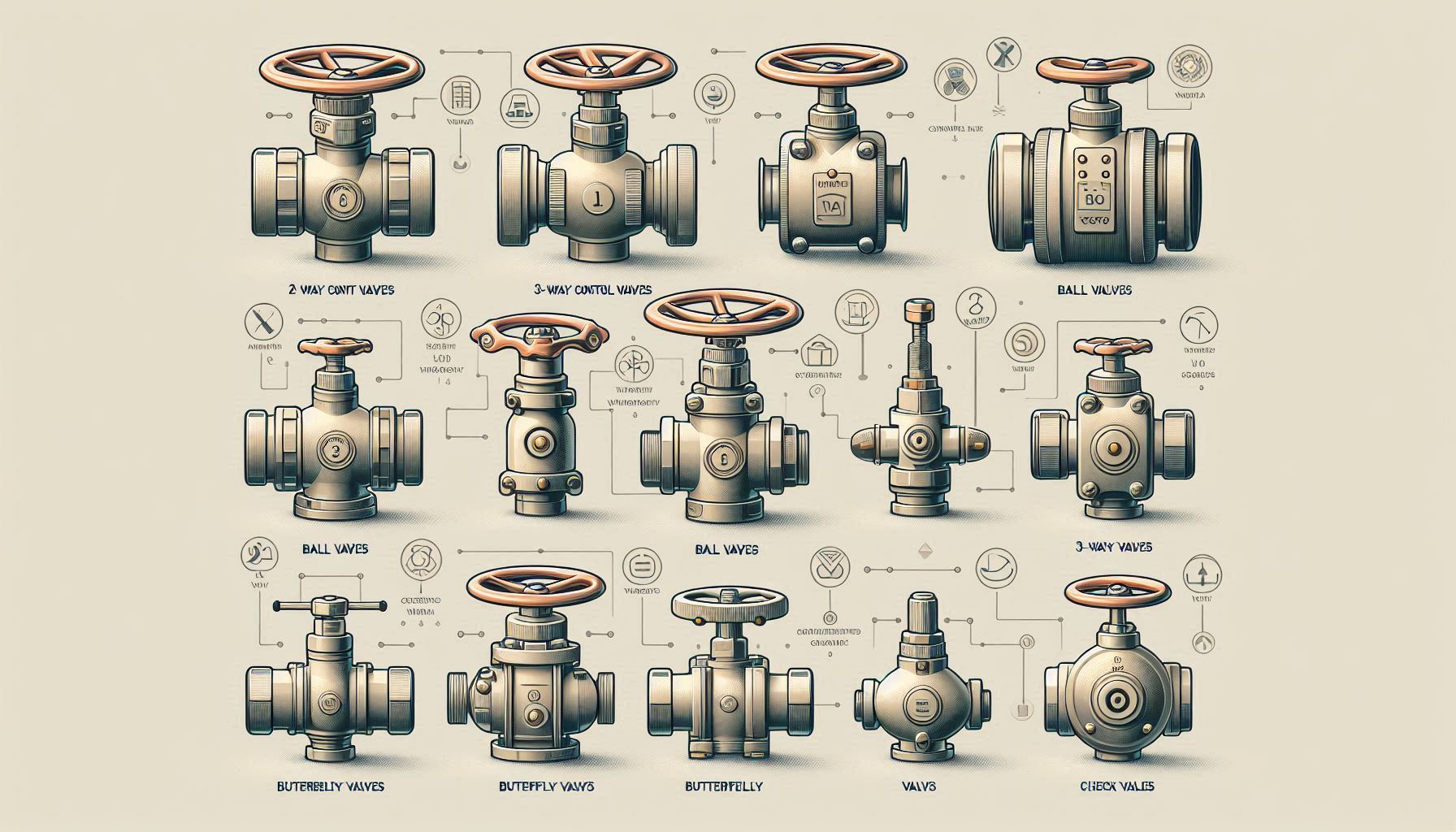
    Diagram showing 2-way, 3-way, PIBV, and PICV control valves for HVAC systems.

    Control valve play a pivotal role in managing HVAC systems, ensuring they operate efficiently and effectively. These valves regulate the flow of air or fluids, which helps maintain optimal temperature and pressure within a system. Selecting the right one is crucial for achieving energy efficiency and system performance. In this guide, we’ll explore various types of control valves—such as 2-way, 3-way and PICV—understand their unique features, and offer tips for choosing the best one for your HVAC needs. By mastering these elements, you’ll be equipped to enhance your HVAC system’s functionality and efficiency.

    What is a Control Valve and Why is it Essential for HVAC Systems?

    Control valves play a critical role in HVAC systems. They regulate the flow of air or water, ensuring that your system operates efficiently. Without these valves, HVAC systems would struggle to maintain the desired temperature and pressure levels. These valves adjust based on signals from the control system, maintaining balance and ensuring comfort.

    Understanding Different Types of Control Valves for HVAC Applications

    There are several types of control valves used in HVAC systems. The most common ones are 2-way valves, 3-way valves and Pressure Independent Control Valves (PICV). A 2-way valve has two ports: one for the inlet and one for the outlet. A 3-way valve has three ports and can either mix or divert fluids. PICV combines flow control and pressure independence in one valve. Each type serves different functions and is suitable for various applications.

    To know more about What are different types of HVAC Valves Click Here

    How to Select the Right Flow Control Valve for HVAC System

    Selecting the right flow control valve requires understanding your system’s needs. Consider factors such as flow capacity, pressure requirements, and the nature of the fluid. For precise control, look for valves that offer accurate modulation. The right valve ensures efficient operation and long-term performance.

    To know more about How to Choose The Right HVAC Valve for Commercial Building Click Here

    Key Characteristics to Look for

    When choosing a pressure control valve, focus on durability and accuracy. Key characteristics include the valve’s ability to maintain consistent pressure and its material resistance to corrosion and wear. Reliable performance and a long lifespan are crucial for maintaining system efficiency.

    Control Valve Parts: What You Need to Know for Optimal Performance

    Understanding valve parts is essential for optimal performance. Key components include the actuator, body, and trim. The actuator controls the valve position, while the body houses the flow passage. The trim regulates flow and pressure. Familiarity with these parts helps in proper selection and maintenance.

    What Makes a Control Valves Suitable for HVAC Needs?

    For a control valve to be suitable for HVAC needs, it must be reliable and efficient. It should handle the required flow and pressure while maintaining system balance. Additionally, the valve should be durable enough to withstand the system’s operating conditions.

    The Working Principle of Flow Control Valves Explained

    Flow control valves modulate fluid flow through the system. They adjust the valve opening based on signals from the control system, regulating the flow rate to maintain desired conditions. This modulation helps in achieving precise control and efficient operation.

    How to Assemble a Control Valves: A Step-by-Step Guide

    Assembling a control valve involves several steps. Start by ensuring you have all necessary parts. Assemble the valve body, trim, and actuator, following the manufacturer’s instructions. Proper assembly ensures valves function correctly and perform optimally in the system.

    The Role of Equal Percentage Valves in HVAC Systems

    Equal percentage valves are designed to provide consistent control across a range of flow rates. They are particularly useful in applications where flow requirements vary. These valves ensure that the control response remains linear, providing stable and predictable performance.

    Choosing Between Pressure Control Valves and Flow Control Valves

    Choose valves based on the HVAC system’s specific needs. Pressure control valves regulate pressure, while flow control valves modulate the flow rate. Consider your system’s requirements for pressure and flow to make the best choice.

    Control Valve Characteristics to Consider for Efficient HVAC Operation

    For efficient HVAC operation, consider the valve’s flow capacity, accuracy, and durability. The valve should offer precise control and withstand system conditions. Characteristics like responsiveness and reliability are essential for maintaining system efficiency.

    How to Determine the Best Control Valve for Specific HVAC Applications

    Determine the best control valve by evaluating the specific requirements of your HVAC application. Consider factors such as the type of fluid, flow rate, and pressure needs. Understanding these requirements helps in selecting a valve that meets the system’s demands.

    Why Accurate Control Valve Selection Matters for HVAC System Efficiency

    Accurate valve selection boosts HVAC efficiency and performance. A well-chosen valve ensures proper flow and pressure control, leading to energy savings and improved system reliability. Investing in the right valve contributes to long-term operational success.

    FAQ

    What is the purpose of a control valve?

    A control valve regulates the flow of fluids or air within an HVAC system. It ensures that the system maintains the desired temperature, pressure, or flow rate by adjusting the fluid or air flow accordingly. This helps optimize energy use and system performance, providing consistent comfort and efficiency.

    What valves are used in HVAC?

    HVAC systems typically use several types of valves, including 2-way and 3-way valves and pressure-independent control valves (PICV). Each valve type serves a specific function, such as regulating flow, balancing pressure, or controlling temperature, depending on the system’s requirements.

    What is an AC control valve?

    An AC control valve is a type of valve used in air conditioning systems to regulate the flow of refrigerants or air. It helps control the temperature and pressure within the system, ensuring efficient operation and maintaining the desired comfort levels in a building.

    Types of control valve in HVAC

    In HVAC systems, common types of control valves include 2-way valves, which control flow in one direction; 3-way valves, which mix or divert flows and PICVs (pressure-independent control valves), which adjust flow based on pressure and temperature changes.

    Function of control valve in HVAC

    The function of a control valve in HVAC is to regulate the flow of air or fluids within the system. By adjusting the flow, the valve helps maintain desired temperatures, pressures, and energy efficiency. This control is essential for keeping the HVAC system running smoothly and providing consistent comfort.

    Control valve in HVAC pdf

    A PDF on control valves in HVAC typically includes detailed information about valve types, their functions, installation guidelines, and performance characteristics. It is a valuable resource for understanding how to choose and use control valves effectively in HVAC systems.

    HVAC valves types pdf

    A PDF on HVAC valve types offers an overview of various valves used in HVAC systems. This document usually covers different valve types, such as 2-way, 3-way and PICV, and explains their specific applications and benefits within HVAC systems.

    Types of valves used in chilled water system

    In chilled water systems, common valve types include 2-way and 3-way valves for controlling flow and mixing. Pressure-independent control valves (PICVs) are also used to ensure accurate flow regulation and system balance.

    AHU actuator valve function

    The actuator valve in an Air Handling Unit (AHU) controls the flow of air or water through the unit. It adjusts the position of the damper or valve based on signals from the control system, helping to maintain the desired temperature and air quality in the space served by the AHU.

    HVAC duct valve

    HVAC duct valves are used to regulate the flow of air through ductwork. They can be manually or automatically operated and help balance the airflow to ensure consistent temperature and air distribution throughout the building.

    AHU Valve connection details

    AHU valve connection details involve the specific fittings and arrangements needed to connect valves to the Air Handling Unit. These details ensure proper installation and integration with the system’s piping and controls, facilitating optimal operation and maintenance.

    Conclusion

    Selecting the right control valve is crucial for efficient HVAC system operation. By understanding different types of valves, such as 2-way, 3-way and PICV, and considering key characteristics and application needs, you can make an informed decision. Proper valve selection enhances system performance, efficiency, and longevity, ensuring comfort and reliability in your HVAC system.

    About The Author

    Omprakash Ramagiri; as the Founder of HVAC Technocrats, I bring over 18 years of experience as a Mechanical Engineer specializing in HVAC (Central Air-conditioning) for commercial, cleanrooms, data centers, and Petrochemical industries. Throughout my career, I’ve held pivotal roles at companies like TATA Consulting Engineers, MW Zander (for Cleanroom solutions), Bluestar Malaysia, and ETA in Dubai. I’ve managed international HVAC projects and gained valuable exposure in dynamic markets like Dubai and Saudi Arabia. With a passion for excellence and a commitment to innovative solutions, I specialize in designing Class 10K & 100K Cleanrooms for various industries. Connect with me to explore collaborations in HVAC design, project sales, and consultancy. Click to visit the Author’s Linkedin page


    Disclaimer: The content and images are for educational purposes and knowledge enhancement only. They may not depict actual products or situations. Outcomes may vary. Content is generated by AI and reviewed by industry experts, including Author.

    HVAC Valves: How To Select Different Types?

    A variety of HVAC valves including 2-way, 3-way, and check valves, showing their different uses in a heating and cooling system.

    Choosing the right HVAC valves is vital for your heating and cooling system’s efficiency and longevity. With numerous valve types available, each with specific functions, it’s essential to understand their roles to make informed decisions. This guide will help you navigate the selection process, ensuring your HVAC system operates optimally.

    What Factors Should You Consider When Selecting HVAC Valves?

    When selecting HVAC valves, several critical factors come into play. First, consider the system’s specific needs. For instance, do you need precise flow control, pressure regulation, or temperature management? Next, think about the operating environment. Extreme temperatures and exposure to corrosive substances can affect valve performance. Compatibility with HVAC system components is also crucial to ensure durability and reliability. Additionally, evaluate the ease of maintenance and accessibility for servicing. By considering these factors, you can select valves that meet your system’s requirements and enhance overall performance.

    How Do Different HVAC Valve Types Impact System Efficiency?

    Different HVAC valve types can significantly impact system efficiency. Here are some common types and their roles:

    • 2-Way Control Valves: Regulate the flow rate by opening and closing in response to control signals, ensuring precise temperature control.
    • 3-Way Control Valves: Allow for mixing or diverting flow, which is useful in systems requiring balanced temperature distribution.
    • Balancing Valves: Maintain even pressure and flow rates throughout the system, reducing energy consumption and enhancing efficiency.

    Each valve type has unique characteristics that can optimize or hinder system performance, so understanding their roles is crucial.

    To know more about How BTU Meters Enhance Energy Efficiency in HVAC Systems Click Here

    To know more about Net Zero Energy Building HVAC Systems Click Here

    What Are the Main Functions of Various HVAC Valves?

    HVAC valves serve several primary functions, including flow regulation, pressure control, and system protection. Here are some common HVAC valves and their functions:

    • Ball Valves: Known for their simple on/off control and durability.
    • Butterfly Valves: Provide quick shutoff capabilities with minimal pressure drop.
    • Check Valves: Prevent backflow, ensuring system safety and efficiency.
    • Globe Valves: Offer precise flow control, making them ideal for throttling applications.
    • Motorized On/Off Valves: Automate control, enhancing system responsiveness and reducing manual intervention.
    • Valve Actuators: Automate the opening and closing of valves, improving efficiency and control.

    Understanding these functions helps in selecting the right valves for specific needs.

    How to Choose the Right HVAC Valve for Your System Requirements?

    Choosing the right HVAC valve involves understanding your system’s specific requirements. Assess the desired control function, such as modulating or on/off control. Evaluate the system’s pressure and temperature ranges to ensure the valve can withstand these conditions. Consider the valve’s flow characteristics, such as linear or equal percentage, to match the system’s performance needs. Also, account for the installation space and the need for automation when choosing between manual and motorized valves. By carefully considering these factors, you can select the most appropriate valve for your HVAC system.

    To know more about How to Choose The Right HVAC Valve for Commercial Building Click Here

    What Are the Key Differences Between Motorized and Manual HVAC Valves?

    The primary difference between motorized and manual HVAC valves lies in their operation and control mechanisms. Manual valves require physical intervention to open or close, making them suitable for applications where infrequent adjustments are needed. Motorized valves, on the other hand, are controlled by actuators that respond to control signals from the HVAC system. This automation allows for precise and timely adjustments, improving system efficiency and reducing the need for manual oversight. Motorized valves are ideal for modern, automated HVAC systems.

    How Do Material Choices Affect HVAC Valve Performance and Longevity?

    Material selection is critical in determining the performance and longevity of HVAC valves. Common materials include brass, stainless steel, and PVC. Brass valves are durable and resistant to corrosion, making them suitable for various applications. Stainless steel valves offer higher corrosion resistance and strength, ideal for harsh environments. PVC valves are lightweight and resistant to chemicals, often used in less demanding applications. The right material choice ensures the valve can withstand operational stresses and environmental conditions, reducing maintenance and replacement costs.

    What Are the Benefits of Using Smart HVAC Valves in Modern Systems?

    Smart HVAC valves integrate advanced sensors and control technologies to enhance system performance and efficiency. These valves can automatically adjust to changing conditions, optimizing flow rates and reducing energy consumption. They provide real-time data on system performance, enabling predictive maintenance and reducing downtime. Smart valves can be integrated into building automation systems, allowing for centralized control and monitoring. This connectivity ensures optimal system operation and contributes to energy savings and improved indoor air quality.

    How Can You Ensure Proper Sizing of HVAC Valves for Optimal Performance?

    Proper sizing of HVAC valves is essential to ensure optimal system performance. Undersized valves can cause excessive pressure drops and restrict flow, while oversized valves may lead to poor control and increased wear. To ensure correct sizing, calculate the required flow rate and pressure drop for the specific application. Use manufacturers’ sizing charts and software tools to select the appropriate valve size. Proper sizing ensures efficient operation, reduces energy consumption, and extends the lifespan of the valves and associated equipment.

    What Are the Latest Innovations in HVAC Valve Technology?

    Recent innovations in HVAC valve technology focus on enhancing efficiency, control, and connectivity. Pressure-Independent Balancing and Control Valves (PIBCV) combine balancing and control functions, simplifying installation and improving performance. Smart valves with integrated IoT capabilities provide real-time monitoring and remote control, optimizing system operation. Advanced materials and coatings improve durability and corrosion resistance, extending valve life. Innovations in actuator design enhance responsiveness and precision, contributing to better overall system performance.

    To know more about The Latest Innovations in HVAC Valve Technology Click Here

    How Do HVAC Control Valves Enhance Building Automation and Efficiency?

    HVAC control valves play a pivotal role in building automation and efficiency. By regulating flow rates and maintaining desired temperatures, they ensure optimal comfort levels and energy usage. Motorized control valves can be integrated into building management systems (BMS), allowing for automated adjustments based on real-time data. This integration enables efficient energy management, reduces operational costs, and enhances occupant comfort. Advanced control algorithms and sensors further improve the responsiveness and accuracy of HVAC systems.

    What Role Do Pressure-Independent Control Valves Play in HVAC Systems?

    Pressure-Independent Control Valves (PICVs) are essential for maintaining consistent flow rates regardless of pressure fluctuations in the system. PICVs combine the functions of a balancing valve and a control valve, simplifying system design and installation. They ensure optimal performance by maintaining the set flow rate, reducing energy consumption, and improving system stability. PICVs are particularly beneficial in variable flow systems, where pressure changes can impact performance. Their ability to maintain precise control enhances system efficiency and comfort.

    How to Troubleshoot and Maintain Different Types of HVAC Valves?

    Regular maintenance and troubleshooting of HVAC valves are crucial to ensure system reliability and performance. Inspect valves for signs of wear, corrosion, or leakage, and replace damaged components promptly. Clean valve internals to prevent clogging and ensure smooth operation. For motorized valves, check actuator performance and calibration. Troubleshoot common issues such as improper flow rates or pressure drops by verifying valve sizing and installation. Implementing a proactive maintenance schedule helps prevent unexpected failures and extends the lifespan of HVAC valves.

    To know more about HVAC Valves How to Troubleshoot Common Issues Click Here

    What Are the Cost-Effective Solutions for HVAC Valve Selection?

    Cost-effective HVAC valve selection involves balancing initial investment with long-term operational savings. Ball valves and butterfly valves offer cost-effective solutions for on/off control with minimal pressure drop. Check valves ensure system protection at a reasonable cost. For precise flow control, globe valves and PIBCVs provide efficient performance with lower energy consumption. Consider the total cost of ownership, including maintenance and energy savings, when selecting valves. Investing in high-quality valves can reduce long-term costs and improve system reliability.

    How Do Regulatory Standards Influence HVAC Valve Selection?

    Regulatory standards play a significant role in HVAC valve selection, ensuring safety, performance, and environmental compliance. Standards such as ASHRAE and IGBC provide guidelines for valve performance, installation, and maintenance. Compliance with these standards ensures that valves meet industry benchmarks for efficiency and reliability. Additionally, adhering to regulatory standards can enhance system certification and marketability, particularly in green building projects. Understanding and incorporating relevant standards into valve selection helps achieve compliance and optimize system performance.

    Conclusion

    Selecting the right HVAC valves is essential for the efficient and reliable operation of heating, ventilation, and air conditioning systems. By understanding the functions, impacts, and innovations of various valve types, HVAC professionals can make informed decisions that enhance system performance and longevity. Proper sizing, material selection, and adherence to regulatory standards further ensure optimal valve performance. With advancements in smart valve technology and building automation, HVAC systems can achieve greater efficiency, comfort, and sustainability.

    About The Author

    Omprakash Ramagiri; as the Founder of HVAC Technocrats, I bring over 18 years of experience as a Mechanical Engineer specializing in HVAC (Central Air-conditioning) for commercial, cleanrooms, data centers, and Petrochemical industries. Throughout my career, I’ve held pivotal roles at companies like TATA Consulting Engineers, MW Zander (for Cleanroom solutions), Bluestar Malaysia, and ETA in Dubai. I’ve managed international HVAC projects and gained valuable exposure in dynamic markets like Dubai and Saudi Arabia. With a passion for excellence and a commitment to innovative solutions, I specialize in designing Class 10K & 100K Cleanrooms for various industries. Connect with me to explore collaborations in HVAC design, project sales, and consultancy. Click to visit the Author’s Linkedin page


    Disclaimer: The content and images are for educational purposes and knowledge enhancement only. They may not depict actual products or situations. Outcomes may vary. Content is generated by AI and reviewed by industry experts, including Author.

    Psychrometry: Unlocking the Secrets for HVAC Systems

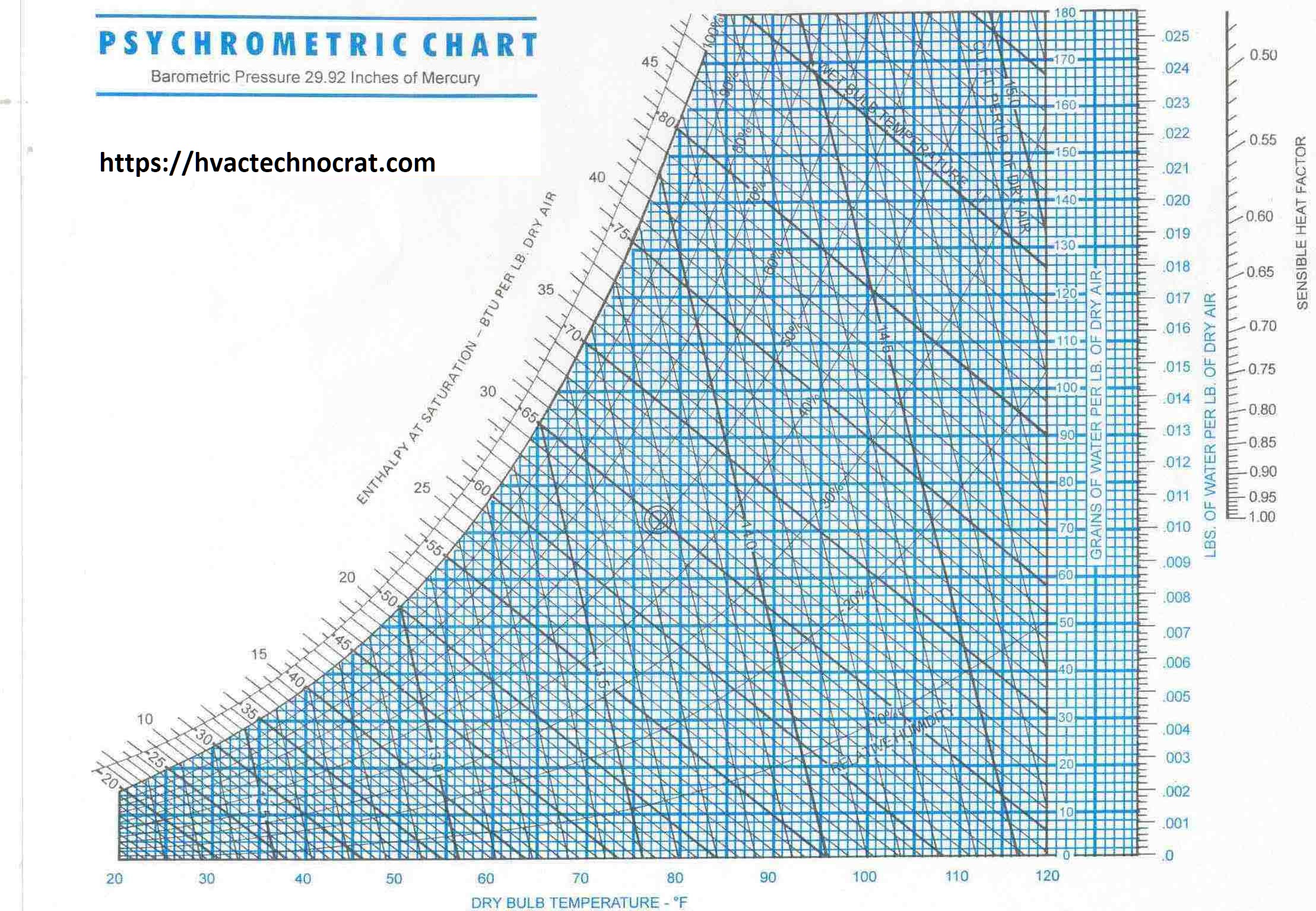
    Psychrometry guide for HVAC systems with a detailed analysis of air properties and processes.

    In the world of HVAC (Heating, Ventilation, and Air Conditioning) systems, Psychrometry plays a crucial role. It involves the study of air properties and their interactions with moisture, which is fundamental in designing and operating HVAC systems efficiently. This article delves into the basics of Psychrometry, its role in HVAC, various Psychrometric processes, applications, specifications, and much more.

    What are the Basics of Psychrometry in HVAC?

    Psychrometry, a branch of science dealing with the properties of air-water vapor mixtures, plays a critical role in HVAC (Heating, Ventilation, and Air Conditioning) systems. Understanding psychrometry helps engineers and technicians design, analyze, and optimize HVAC systems to ensure efficient and effective climate control. The fundamental elements of psychrometry include parameters such as temperature, humidity, enthalpy, and dew point, which collectively describe the thermodynamic properties of moist air. In HVAC applications, psychrometry allows for precise control of air quality and comfort levels, which are essential for both residential and commercial environments.

    What is the Role of Psychrometry in HVAC Systems?

    The role of psychrometry in HVAC systems is multifaceted. It involves the measurement and Humidity Control and Temperature control to achieve desired indoor air conditions. By using psychrometric principles, HVAC professionals can predict how air will behave under various conditions, enabling them to design systems that maintain optimal indoor climates. This includes ensuring proper humidity levels to prevent mold growth, maintaining comfortable temperatures, and ensuring efficient energy use. Psychrometry also helps in diagnosing system issues and optimizing performance by analyzing air properties and their changes through HVAC processes.

    What Types of Psychrometric Processes are Used in HVAC?

    Several psychrometric processes are integral to HVAC systems. These include sensible heating and cooling, where the air temperature is changed without altering its moisture content. Latent heating and cooling involve changes in the moisture content of the air without affecting its temperature. Other processes include humidification, dehumidification, mixing of air streams, and adiabatic cooling. Each process can be plotted and analyzed on a psychrometric chart, providing a visual representation of the air’s condition and helping to determine the necessary changes to achieve desired outcomes in HVAC systems.

    Why psychrometry chart in used in HVAC?

    The psychrometric chart is essential in HVAC engineering for several reasons:

    Understanding Air Properties: It graphically represents thermodynamic properties of moist air, including dry bulb temperature, wet bulb temperature, relative humidity, specific humidity, dew point temperature, and enthalpy. This visualization helps professionals analyze and predict air behavior in various conditions.
    Design and Analysis of HVAC Systems: The chart is crucial for designing and analyzing HVAC systems. It allows engineers to determine the conditions for air treatment processes like cooling, heating, humidification, and dehumidification. This aids in accurately assessing air property changes and selecting the right equipment and settings for optimal indoor air quality and thermal comfort.
    Energy Efficiency and Optimization: Psychrometric charts help identify opportunities for energy efficiency. By understanding the interactions between temperature and humidity, professionals can optimize heat exchange and moisture control processes, reducing energy consumption and improving system performance.
    In summary, the psychrometric chart is vital for visualizing air properties, designing HVAC systems, and enhancing energy efficiency.

    What key processes can be marked on a psychrometric chart?

    A psychrometric chart visually represents the thermodynamic properties of moist air and illustrates key processes. Sensible heating and cooling processes are depicted as horizontal lines, while humidification and dehumidification are shown as vertical lines. The chart also highlights processes like evaporative cooling and adiabatic mixing, helping engineers to analyze and design HVAC systems effectively. The key processes can be marked on a psychrometric chart, each representing different changes in the air properties. Here is a list of these processes:

    1. Sensible Heating
    2. Sensible Cooling
    3. Humidification
    4. Dehumidification
    5. Cooling and Dehumidification
    6. Heating and Humidification
    7. Adiabatic Mixing of Two Air Streams
    8. Evaporative Cooling
    9. Chemical Dehumidification
    10. Cooling with Air Washer
    11. Heating with Steam Injection
    12. Cooling with Dehumidifier
    13. Condensation
    14. Heating and Dehumidification
    15. Air Mixing (Mixing of Two Air Streams at Different Conditions)
    These processes help in understanding and visualizing the changes in air properties such as temperature, humidity, and enthalpy during various HVAC operations.

    What are the Applications of Psychrometry in HVAC Design?

    Psychrometry has numerous applications in HVAC design. It is used to:

    By understanding and applying psychrometric principles, HVAC engineers can create systems that are both efficient and effective, providing optimal indoor environments.

    What are the Specifications for Psychrometric Analysis in HVAC?

    Psychrometric analysis in HVAC involves several specifications, including:

    • Accurate measurement of air properties
    • Proper selection of psychrometric charts
    • Use of precise calculation methods
    • Consideration of environmental factors
    • Adherence to industry standards and guidelines

    These specifications ensure that psychrometric analysis is reliable and effective, leading to well-designed HVAC systems that meet the desired performance criteria.

    What are the Advantages and Disadvantages of Using Psychrometry in HVAC?

    Psychrometry offers several advantages in HVAC, including:

    • Precise control of indoor climates
    • Improved energy efficiency
    • Enhanced occupant comfort
    • Better air quality management
    • Effective troubleshooting and system optimization

    However, there are also some disadvantages, such as:

    • Complexity in understanding and applying psychrometric principles
    • Need for accurate measurements and calculations
    • Potential for errors if not properly executed

    Despite these challenges, the benefits of using psychrometry in HVAC systems far outweigh the drawbacks, making it an essential aspect of modern HVAC design and operation.

    What Information is Typically Included in a Psychrometric Chart?

    A psychrometric chart typically includes information on:

    • Dry-bulb temperature
    • Wet-bulb temperature
    • Relative humidity
    • Specific humidity
    • Dew point temperature
    • Enthalpy
    • Volume of moist air

    This information allows engineers to analyze air properties and make informed decisions about HVAC system design and operation.

    What are the Main Parameters Involved in Psychrometric Processes?

    The main parameters involved in psychrometric processes include:

    • Dry-bulb temperature
    • Wet-bulb temperature
    • Relative humidity
    • Specific humidity
    • Dew point temperature
    • Enthalpy

    These parameters describe the thermodynamic properties of air and are essential for understanding and controlling HVAC systems.

    What Inputs are Essential for Psychrometric Analysis in HVAC?

    Essential inputs for psychrometric analysis in HVAC include:

    • Initial and desired air conditions
    • Environmental factors (e.g., outdoor temperature and humidity)
    • System specifications (e.g., airflow rates and equipment capacities)
    • Load requirements (e.g., heating and cooling loads)

    These inputs help engineers accurately analyze and design HVAC systems to meet specific performance criteria.

    What Design Considerations are Critical for Psychrometric Processes?

    Critical design considerations for psychrometric processes include:

    • Accurate measurement of air properties
    • Proper selection of psychrometric charts and tools
    • Consideration of environmental and load factors
    • Adherence to industry standards and guidelines

    These considerations ensure that psychrometric analysis is reliable and effective, leading to well-designed HVAC systems.

    What Design Parameters are Influenced by Psychrometry?

    Design parameters influenced by psychrometry include:

    • Heating and cooling loads
    • Ventilation rates
    • Humidity control requirements
    • Energy efficiency measures
    • Equipment selection and sizing

    By understanding and applying psychrometric principles, HVAC engineers can optimize these parameters to achieve desired performance outcomes.

    How are Unit Conversions Handled in Psychrometric Calculations?

    Unit conversions in psychrometric calculations are typically handled using conversion factors and formulas. Engineers must ensure that all units are consistent and accurately converted to maintain the integrity of the analysis. Common conversions include temperature (Celsius to Fahrenheit), pressure (Pascals to psi), and energy (Joules to BTUs).

    How is Capacity Calculation Performed Using Psychrometric Charts?

    Capacity calculation using psychrometric charts involves determining the amount of heating or cooling required to achieve desired air conditions. This is done by plotting the initial and desired air states on the chart and analyzing the processes needed to transition between these states. The chart provides a visual representation of the energy changes involved, allowing engineers to calculate the necessary capacity for HVAC equipment.

    What Codes and Standards Govern Psychrometric Analysis in HVAC?

    Several codes and standards govern psychrometric analysis in HVAC, including:

    • ASHRAE (American Society of Heating, Refrigerating, and Air-Conditioning Engineers) standards
    • ISO (International Organization for Standardization) standards
    • Local and national building codes

    These standards ensure that psychrometric analysis is conducted in a consistent and reliable manner, leading to safe and effective HVAC system design and operation.

    What is Included in a Psychrometry Chart?

    A psychrometry chart includes :

    • Dry-bulb temperature lines
    • Wet-bulb temperature lines
    • Relative humidity curves
    • Specific humidity lines
    • Dew point temperature lines
    • Enthalpy lines
    • Volume of moist air lines

    This comprehensive representation of air properties helps engineers analyze and design HVAC systems.

    How is a Psychrometric Chart Created?

    A psychrometric chart is created by plotting the relationships between various air properties on a graph. This involves drawing lines for dry-bulb temperature, wet-bulb temperature, relative humidity, specific humidity, dew point temperature, enthalpy, and volume of moist air. The chart is typically developed using empirical data and mathematical models to accurately represent the thermodynamic properties of moist air.

    What are the Leading Software Tools Available for Psychrometric Analysis?

    Leading software tools for psychrometric analysis include:

    • ASHRAE’s Psychrometric Analysis Tool
    • Carrier’s HVAC System Design Software
    • Trane’s TRACE 700
    • Elite Software’s PsyChart

    These tools provide advanced features for analyzing air properties, designing HVAC systems, and optimizing performance based on psychrometric principles.

    What Should be Included in Design Checklists for Psychrometric Calculation?

    Design checklists for psychrometric calculation should include:

    • Accurate measurement of air properties
    • Selection of appropriate psychrometric charts and tools
    • Consideration of environmental and load factors
    • Adherence to industry standards and guidelines
    • Documentation of all calculations and assumptions

    These checklists ensure that psychrometric analysis is conducted accurately and reliably, leading to effective HVAC system design.

    What Supporting Details are Necessary for Accurate Psychrometric Analysis?

    Supporting details necessary for accurate psychrometric analysis include:

    • Accurate measurements of air properties
    • Detailed information on environmental conditions
    • Comprehensive data on system specifications and load requirements
    • Use of reliable psychrometric charts and tools

    These details ensure that psychrometric analysis is precise and reliable, leading to effective HVAC system design and operation.

    What Procedures are Recommended for Psychrometric Systems?

    Recommended procedures for psychrometric systems include:

    • Regular calibration and maintenance of measurement instruments
    • Accurate measurement and documentation of air properties
    • Use of standardized psychrometric charts and tools
    • Adherence to industry standards and guidelines
    • Continuous monitoring and optimization of system performance

    These procedures ensure that psychrometric systems operate efficiently and effectively, maintaining desired indoor climates and energy efficiency.

    How is Performance Monitoring Carried Out in Systems Utilizing Psychrometry?

    Performance monitoring in systems utilizing psychrometry involves:

    • Regular measurement of air properties
    • Continuous comparison of measured values with desired conditions
    • Use of sensors and data logging equipment
    • Analysis of system performance data
    • Implementation of corrective actions as needed

    By monitoring performance, engineers can ensure that HVAC systems operate efficiently and effectively, maintaining optimal indoor climates.

    How is Lifecycle Analysis Performed for Systems Involving Psychrometry?

    Lifecycle analysis for systems involving psychrometry includes:

    • Evaluation of system performance over time
    • Assessment of energy consumption and efficiency
    • Analysis of maintenance and operational costs
    • Consideration of environmental impacts
    • Identification of opportunities for improvement

    By conducting lifecycle analysis, engineers can optimize HVAC systems for long-term performance and sustainability.

    What Energy Efficiency Measures are Relevant to Psychrometric Processes?

    Energy efficiency measures relevant to psychrometric processes include:

    • Optimizing system design to reduce energy consumption
    • Implementing advanced control strategies
    • Regular maintenance and calibration of equipment
    • Use of energy-efficient components and materials
    • Monitoring and optimizing system performance

    These measures help to reduce energy consumption and enhance the efficiency of HVAC systems, contributing to sustainability and cost savings.

    How Can Systems be Upgraded or Retrofitted to Improve Psychrometric Performance?

    Systems can be upgraded or retrofitted to improve psychrometric performance by:

    • Replacing outdated components with energy-efficient alternatives
    • Implementing advanced control strategies
    • Enhancing insulation and sealing to reduce energy losses
    • Regular maintenance and calibration of equipment
    • Monitoring and optimizing system performance

    These upgrades and retrofits can significantly improve the efficiency and effectiveness of HVAC systems, ensuring optimal indoor climates and energy savings.

    What is the Environmental Impact of Using Psychrometric Analysis in HVAC?

    The environmental impact of using psychrometric analysis in HVAC includes:

    By optimizing HVAC systems using psychrometric analysis, engineers can contribute to environmental sustainability and reduce the overall impact of building operations.

    What Safety Factor Considerations are Necessary for Psychrometric Processes?

    Safety factor considerations for psychrometric processes include:

    • Ensuring accurate measurement and calculation of air properties
    • Adherence to industry standards and guidelines
    • Regular maintenance and calibration of equipment
    • Monitoring system performance and implementing corrective actions as needed
    • Consideration of environmental and load factors

    These considerations ensure that psychrometric processes are safe and reliable, leading to well-designed and effective HVAC systems.

    FAQ

    What do you mean by psychrometry?

    Psychrometry is the study of the properties of air-water vapor mixtures, crucial for understanding and controlling indoor climates in HVAC systems. It involves parameters like temperature, humidity, enthalpy, and dew point.

    What is the psychometric process?

    The psychrometric process involves analyzing and manipulating the properties of air, such as temperature and humidity, to achieve desired indoor conditions. This includes processes like heating, cooling, humidification, and dehumidification.

    What is the use of a psychrometer?

    A psychrometer is an instrument used to measure the moisture content in the air, typically involving dry-bulb and wet-bulb thermometers. It helps determine relative humidity and other psychrometric properties.

    What are the applications of psychrometry?

    Applications of psychrometry include HVAC system design, environmental control in industrial processes, agricultural applications, and ensuring indoor air quality and comfort in residential and commercial buildings.

    Psychrometry ppt

    A psychrometry PowerPoint presentation typically includes an overview of psychrometric principles, applications in HVAC systems, and examples of psychrometric charts and processes. It serves as an educational tool for understanding psychrometry in HVAC design.

    Psychrometric chart

    A psychrometric chart is a graphical representation of the thermodynamic properties of moist air, used to analyze air conditioning processes. It includes parameters like temperature, humidity, and enthalpy, helping engineers design and optimize HVAC systems.

    Psychrometry properties

    Psychrometric properties include dry-bulb temperature, wet-bulb temperature, relative humidity, specific humidity, dew point temperature, and enthalpy. These properties describe the state of air-water vapor mixtures and are essential for HVAC analysis.

    Psychrometric calculator

    A psychrometric calculator is a tool, often software-based, that calculates the properties of air-water vapor mixtures. It helps engineers determine parameters like relative humidity, dew point, and enthalpy based on input conditions.

    Psychrometry pronunciation

    Psychrometry is pronounced as “sy-krom-i-tree,” with emphasis on the second syllable. It combines the Greek words “psyche” (air) and “metron” (measure).

    Psychrometric chart meaning

    The psychrometric chart represents the properties of moist air and their relationships . It helps visualize and analyze processes like heating, cooling, humidification, and dehumidification in HVAC systems.

    Psychrometric chart metric

    A psychrometric chart in metric units uses Celsius for temperature and grams of water per kilogram of dry air for specific humidity. It is used internationally for HVAC analysis and design.

    Psychrometric chart download

    Psychrometric charts can be downloaded from various sources, including HVAC software providers and industry organizations like ASHRAE. These charts are available in both metric and imperial units.

    Psychrometric chart online

    Online psychrometric charts are interactive tools available on websites and software platforms. They allow users to input conditions and visualize air properties and processes dynamically.

    Printable Psychrometric chart

    Printable psychrometric charts are static versions available for download and printing. They provide a handy reference for engineers and technicians working on HVAC systems, helping with on-site analysis and design.

    Conclusion

    Psychrometry is a fundamental aspect of HVAC system design and operation, providing essential insights into the properties of air-water vapor mixtures. By understanding and applying psychrometric principles, engineers can design efficient and effective HVAC systems that ensure optimal indoor climates, energy efficiency, and occupant comfort. The use of psychrometric charts, advanced software tools, and adherence to industry standards and guidelines are crucial for accurate psychrometric analysis. Despite the complexities involved, the benefits of psychrometry in HVAC far outweigh the challenges, making it an indispensable tool for modern climate control and environmental management.

    About The Author

    Omprakash Ramagiri; as the Founder of HVAC Technocrats, I bring over 18 years of experience as a Mechanical Engineer specializing in HVAC (Central Air-conditioning) for commercial, cleanrooms, data centers, and Petrochemical industries. Throughout my career, I’ve held pivotal roles at companies like TATA Consulting Engineers, MW Zander (for Cleanroom solutions), Bluestar Malaysia, and ETA in Dubai. I’ve managed international HVAC projects and gained valuable exposure in dynamic markets like Dubai and Saudi Arabia. With a passion for excellence and a commitment to innovative solutions, I specialize in designing Class 10K & 100K Cleanrooms for various industries. Connect with me to explore collaborations in HVAC design, project sales, and consultancy. Click to visit the Author’s Linkedin page


    Disclaimer: The pictures used are for illustrative purposes only. They may not depict actual products or situations and are meant for educational purposes. Actual products, situations, or outcomes may differ.

    Cooling Tower: How to Enhance Energy Efficiency in Buildings

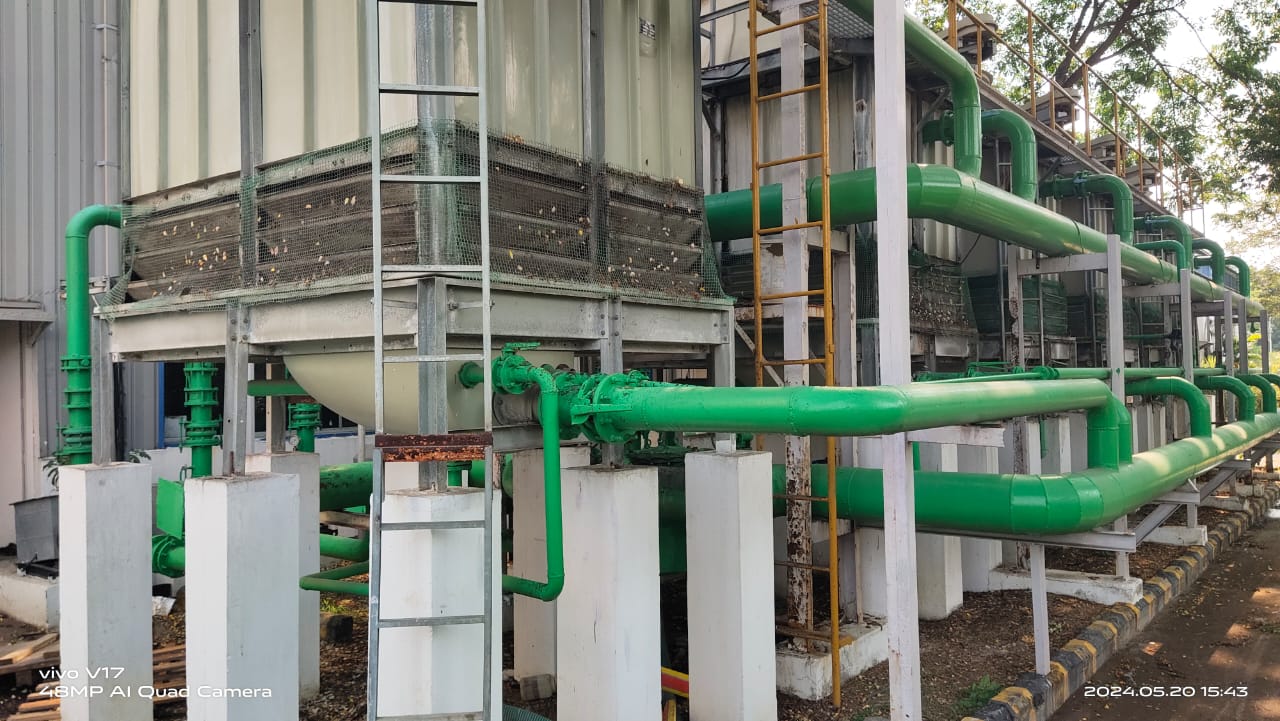
    Cooling Tower in Industrial Setting

    What is Cooling Tower in HVAC Systems

    A cooling tower is a specialized heat rejection device that extracts waste heat to the atmosphere through the cooling of a water stream to a lower temperature. It plays a crucial role in HVAC (Heating, Ventilation, and Air Conditioning) systems and industrial processes where large amounts of heat need to be dissipated efficiently.

    Cooling towers work on the principle of evaporation, where warm water from industrial processes or air conditioning systems is pumped to the top of the tower and distributed over the tower fill or packing. As this water cascades down through the fill material, it comes into contact with a stream of air moving upward through the tower. This air, usually induced by a fan, causes a small portion of the water to evaporate, which removes heat from the remaining water. The cooled water is then collected at the bottom of the tower and recirculated back into the system.

    Cooling towers are classified into various types based on their design and application, such as crossflow, counterflow, and hybrid configurations, each offering specific advantages in different industrial and HVAC settings.

    Basics of Cooling Tower

    A cooling tower is an essential component in HVAC and industrial processes for dissipating heat from water to the atmosphere. It operates on the principle of evaporative cooling, where warm water from processes or air conditioning systems is circulated to the top of the tower and distributed over a packing material. As this water flows down, it comes into contact with a rising air stream induced by fans. Some of the water evaporates, absorbing heat and cooling the rest of the water. The cooled water collects at the bottom of the tower and is recirculated back into the system.

    Cooling towers vary in design, including crossflow and counterflow configurations. Crossflow towers direct the water flow horizontally across the vertical air flow, while counterflow towers direct water vertically downward against the upward air flow, maximizing heat transfer efficiency. These towers are crucial for maintaining optimal temperatures in industrial processes and HVAC systems, enhancing efficiency and reducing energy consumption.

    Role and Importance of Cooling Towers in HVAC Systems

    Cooling towers play a crucial role in HVAC systems, providing essential heat removal for industrial and commercial applications. By understanding their function and impact, we can appreciate how they enhance energy efficiency and maintain optimal temperatures. This article delves into various aspects of cooling towers, addressing common questions and providing a comprehensive overview for HVAC professionals and enthusiasts.

    What is the role of a cooling tower in HVAC systems?

    Cooling towers in HVAC systems serve to remove excess heat from a building or industrial process by using water to transfer heat to the atmosphere. This process is essential in maintaining efficient operation and optimal temperatures within HVAC systems. By cooling the water that circulates through the HVAC system, cooling towers help to dissipate heat generated by air conditioning units, industrial equipment, or processes. This not only prevents overheating but also ensures that the HVAC system operates efficiently, reducing energy consumption and operational costs. Cooling towers are integral in managing heat load, making them indispensable in various applications, from commercial buildings to industrial facilities.

    Why are cooling towers essential for HVAC applications?

    Cooling towers are essential for HVAC applications because they significantly enhance energy efficiency and cooling performance. They achieve this by using the natural process of evaporation to dissipate heat from the water, which is more energy-efficient compared to other cooling methods. Cooling towers are particularly effective in large-scale HVAC applications, where traditional air-cooled systems might struggle to manage the heat load. By reducing the temperature of the water used in the HVAC system, cooling towers ensure that air conditioning units and other components can operate more efficiently, leading to lower energy consumption and costs. This makes them vital for maintaining comfortable indoor environments in commercial and industrial settings.

    How do cooling towers contribute to energy efficiency in buildings?

    Cooling towers contribute to energy efficiency in buildings by leveraging the evaporative cooling process to remove heat from the water used in HVAC systems. This process requires less energy compared to traditional air-cooled systems, resulting in significant energy savings. By maintaining lower water temperatures, cooling towers ensure that HVAC components, such as chillers and air conditioning units, operate more efficiently. This reduces the overall energy consumption of the building’s cooling system. Additionally, cooling towers can be integrated with energy management systems to optimize their performance, further enhancing energy efficiency and reducing operational costs. Their ability to effectively manage heat load makes them a key component in sustainable building design.

    When should you consider using a cooling tower in HVAC designs?

    Consider using a cooling tower in HVAC designs when dealing with large-scale applications that require efficient heat removal, such as commercial buildings, industrial facilities, or data centers. Cooling towers are particularly beneficial in environments with high cooling loads, where traditional air-cooled systems may be insufficient. They are also ideal for applications where energy efficiency is a priority, as they can significantly reduce energy consumption compared to other cooling methods. Additionally, cooling towers are suitable for locations with abundant water supply, as they rely on water for the evaporative cooling process. When planning HVAC designs, evaluate the specific cooling requirements and environmental factors to determine if a cooling tower is the best solution.

    Where are cooling towers typically located within HVAC systems?

    Cooling towers are typically located outside the main building structure, often on the rooftop or in a designated mechanical yard. Their placement is strategic to facilitate the release of heat into the atmosphere and to minimize the impact of noise and water vapor plumes on the building’s occupants. The location should also allow for easy access for maintenance and inspections. In some cases, cooling towers can be installed at ground level or in a central utility plant, depending on the layout and space constraints of the facility. Proper placement is crucial to ensure efficient operation and integration with the overall HVAC system, including the water circulation network and supporting infrastructure.

    What are the different types of cooling towers used in HVAC applications?

    Several types of cooling towers are used in HVAC applications, each with distinct features and benefits. The main types include:

    • Natural Draft Cooling Towers: These rely on the natural convection of air to move through the tower and cool the water.
    • Mechanical Draft Cooling Towers: These use fans to force air through the tower, providing more control over airflow and cooling efficiency. Mechanical draft towers are further categorized into forced draft and induced draft.
    • Crossflow Cooling Towers: In these towers, water flows vertically while air flows horizontally through the fill media, providing efficient heat transfer.
    • Counterflow Cooling Towers: In these towers, water flows downward while air flows upward, maximizing contact time for heat transfer.
    • Hybrid Cooling Towers: These combine features of both wet and dry cooling towers to optimize performance and energy efficiency in varying conditions.
    Each type has specific applications and advantages, making them suitable for different HVAC needs and environmental conditions.

    How do evaporative cooling towers compare to dry cooling towers?

    Evaporative cooling towers and dry cooling towers differ primarily in their cooling mechanisms and efficiency. Evaporative cooling towers use water evaporation to remove heat from the circulating water, which is highly efficient and effective in cooling large volumes of water. This method is energy-efficient and ideal for applications requiring significant cooling capacity. However, it does require a consistent water supply and regular maintenance to manage water quality and scaling.

    Dry cooling towers, on the other hand, use air to cool the water without evaporation, relying on heat exchange through finned tubes or coils. While dry cooling towers are less efficient than evaporative towers, they have the advantage of not requiring water, making them suitable for areas with water scarcity or where water conservation is a priority. They also have lower maintenance requirements related to water treatment. The choice between the two depends on specific cooling needs, environmental conditions, and resource availability.

    Why choose a crossflow cooling tower over a counterflow design?

    Choosing a crossflow cooling tower over a counterflow design depends on several factors, including space constraints, efficiency requirements, and maintenance considerations. Crossflow cooling towers have a horizontal air flow that crosses the downward flow of water, allowing for easy access to internal components and simplified maintenance. This design typically requires less fan power and is quieter, making it suitable for applications where noise levels are a concern.

    Counterflow cooling towers, with their upward air flow against the downward water flow, offer higher efficiency due to increased contact time between air and water. However, they can be more challenging to maintain because of the compact design and less accessible internal components. Crossflow towers are often preferred in situations where ease of maintenance and lower noise levels are priorities, while counterflow towers are chosen for applications requiring maximum cooling efficiency and where space is not a significant constraint.

    When is it suitable to use a hybrid cooling tower in industrial settings?

    Hybrid cooling towers are suitable for industrial settings that experience varying cooling loads and environmental conditions. These towers combine the benefits of both wet and dry cooling, allowing them to operate efficiently in diverse climates. They are particularly advantageous in regions with significant seasonal temperature variations, as they can switch between wet and dry modes to optimize performance and energy efficiency.

    Hybrid cooling towers are also ideal for industrial processes that generate high heat loads but require flexible cooling solutions to manage water usage and operational costs. By utilizing dry cooling during cooler periods and evaporative cooling during hotter periods, hybrid towers reduce water consumption and maintain high cooling efficiency year-round. This makes them a valuable option for industries prioritizing sustainability and operational adaptability.

    Where are induced draft cooling towers commonly installed in HVAC systems?

    Induced draft cooling towers are commonly installed in HVAC systems for large commercial buildings, industrial facilities, and power plants. These towers use a fan located at the top to draw air through the system, ensuring efficient heat transfer and cooling performance. Their design allows for better control of air flow and cooling capacity, making them suitable for applications with high cooling demands.

    In HVAC systems, induced draft cooling towers are typically installed on rooftops or in mechanical yards, where they can efficiently release heat into the atmosphere. Their placement is strategic to minimize noise and water vapor impact on the building and its occupants. Induced draft towers are also preferred in installations where space is limited, as their vertical design requires a smaller footprint compared to other cooling tower types.

    What are the key applications of cooling towers in industrial processes?

    Cooling towers play a vital role in various industrial processes, providing essential heat dissipation to maintain optimal operating conditions. Key applications include:

    • Power Generation: Cooling towers are used in power plants to remove excess heat from steam condensers, ensuring efficient electricity production.
    • Chemical Manufacturing: In chemical plants, cooling towers dissipate heat generated by exothermic reactions and equipment, maintaining safe and efficient operations.
    • Oil and Gas Refining: Cooling towers help manage heat loads in refineries, ensuring efficient processing and preventing equipment overheating.
    • Food and Beverage Production: Cooling towers are used to control temperatures in food processing, fermentation, and refrigeration systems.
    • HVAC Systems: In large commercial buildings and data centers, cooling towers provide critical cooling for air conditioning systems and IT equipment.
    These applications highlight the versatility and importance of cooling towers in maintaining efficient and safe industrial operations.

    How are cooling towers used in power plants and manufacturing facilities?

    Cooling towers in power plants and manufacturing facilities are used to manage heat loads and maintain optimal operating temperatures for various processes and equipment. In power plants, cooling towers remove excess heat from steam condensers, allowing efficient electricity generation and preventing equipment damage from overheating. This process involves circulating water through the condenser, where it absorbs heat, and then passing it through the cooling tower to dissipate the heat into the atmosphere.

    In manufacturing facilities, cooling towers are used to cool machinery, processes, and products, ensuring efficient operation and product quality. They manage heat loads generated by industrial processes, such as chemical reactions, metalworking, and food processing. By maintaining proper cooling, these facilities can operate safely and efficiently, reducing energy consumption and operational costs. The use of cooling towers in these settings highlights their critical role in industrial and power generation applications.

    Why are fiberglass cooling towers preferred in corrosive environments?

    Fiberglass cooling towers are preferred in corrosive environments due to their excellent resistance to chemical corrosion, which ensures long-term durability and reliability. Unlike traditional cooling towers made of metal, fiberglass towers are impervious to rust and corrosion caused by harsh chemicals, saltwater, and other corrosive substances commonly found in industrial settings. This makes them ideal for use in chemical plants, coastal areas, and other environments where corrosion is a significant concern.

    Additionally, fiberglass cooling towers are lightweight, easy to install, and require minimal maintenance compared to their metal counterparts. Their non-corrosive nature reduces the need for frequent repairs and replacements, resulting in lower maintenance costs and extended service life. The durability and corrosion resistance of fiberglass cooling towers make them a cost-effective and reliable choice for challenging environments where traditional materials may fail.

    What are the specifications to consider when selecting a cooling tower?

    When selecting a cooling tower, several key specifications should be considered to ensure optimal performance and suitability for the application. These include:

    • Cooling Capacity: Determine the cooling load and select a tower that can handle the required heat rejection.
    • Flow Rate: Consider the water flow rate needed to achieve the desired cooling effect.
    • Temperature Range: Assess the entering and leaving water temperatures to ensure the tower can meet the cooling requirements.
    • Ambient Wet Bulb Temperature: The lowest temperature air can reach by evaporating water, crucial for determining cooling efficiency and tower performance.
    • Energy Efficiency: Look for towers with high energy efficiency ratings to reduce operational costs.
    • Material: Choose materials that are resistant to corrosion and suitable for the specific environmental conditions.
    • Noise Levels: Consider the noise output, especially in residential or noise-sensitive areas.
    • Footprint: Evaluate the available space for installation and select a tower with an appropriate size and design.
    These specifications help ensure that the selected cooling tower meets the operational needs and environmental constraints of the application.

    How does the capacity of a cooling tower affect its performance?

    The capacity of a cooling tower directly affects its performance by determining the amount of heat it can dissipate. Cooling tower capacity is typically measured in tons or BTUs per hour, representing the amount of heat removed from the water. A higher-capacity cooling tower can handle larger heat loads, making it suitable for applications with significant cooling demands, such as industrial processes, power plants, and large commercial buildings.

    If a cooling tower is undersized for the application, it will struggle to maintain the desired water temperature, leading to inefficient operation and potential overheating of equipment. Conversely, an oversized cooling tower may result in higher initial costs and unnecessary energy consumption. Therefore, accurately calculating the cooling load and selecting a tower with the appropriate capacity is crucial for efficient performance and cost-effective operation. Proper capacity selection ensures optimal cooling, energy efficiency, and system reliability.

    Why is drift loss a critical specification in cooling tower selection?

    Drift loss is a critical specification in cooling tower selection because it represents the amount of water that escapes the tower as droplets carried by the airflow. This water loss can lead to increased water consumption and potential environmental concerns, especially in areas with water scarcity or strict environmental regulations. Minimizing drift loss is essential to conserve water and reduce operational costs associated with water treatment and replenishment.

    Cooling towers are designed with drift eliminators to capture and return the water droplets, reducing drift loss to acceptable levels. When selecting a cooling tower, it is important to consider the efficiency of these drift eliminators and ensure that the tower complies with industry standards for drift loss. Lower drift loss not only conserves water but also minimizes the impact on surrounding areas, preventing potential issues related to water damage and contamination. Therefore, evaluating and selecting a cooling tower with minimal drift loss is crucial for sustainable and efficient operation.

    When should you consider the noise level rating of a cooling tower?

    Consider the noise level rating of a cooling tower when it is installed in or near residential areas, office buildings, or noise-sensitive environments. Cooling towers can generate significant noise due to the operation of fans, water flow, and other mechanical components. Excessive noise can disrupt the surrounding environment, leading to complaints and potential regulatory issues.

    To address this, manufacturers provide noise level ratings for their cooling towers, measured in decibels (dB). When selecting a cooling tower, it is important to choose one with an appropriate noise level rating that meets local noise regulations and minimizes disturbance to occupants and neighbors. Additionally, noise reduction features such as sound attenuators, quieter fan designs, and vibration dampening measures can be implemented to further reduce noise levels. Considering noise level ratings is essential for maintaining a harmonious and compliant installation, particularly in urban or densely populated areas.

    Where can you find technical data sheets for different cooling tower models?

    Technical data sheets for different cooling tower models can be found on the manufacturers’ websites, where they provide detailed information about the specifications, performance, and features of their products. These data sheets typically include key parameters such as cooling capacity, water flow rates, temperature ranges, dimensions, and materials of construction. They also provide information on energy efficiency, noise levels, and compliance with industry standards.

    In addition to manufacturers’ websites, technical data sheets can be obtained from industry associations and organizations such as ASHRAE (https://ashrae.org/) and ISHRAE (https://ishrae.in/), which often publish guidelines and standards for cooling tower performance and selection. Consulting these resources ensures that you have accurate and comprehensive information to make informed decisions when selecting and designing cooling tower systems for specific applications.

    What information is typically included in a cooling tower’s technical data sheet?

    A cooling tower’s technical data sheet typically includes comprehensive information about the tower’s specifications, performance, and operational parameters. Key information often includes:

    • Cooling Capacity: The amount of heat the tower can dissipate, usually measured in tons or BTUs per hour.
    • Water Flow Rate: The rate at which water circulates through the tower, measured in gallons per minute (GPM).
    • Temperature Range: The entering and leaving water temperatures.
    • Dimensions: Physical dimensions of the tower, including height, width, and footprint.
    • Materials: Materials of construction for the tower components, such as fill media, basin, and casing.
    • Energy Efficiency: Efficiency ratings, including power consumption and performance metrics.
    • Noise Levels: Noise output, typically measured in decibels (dB).
    • Compliance: Compliance with industry standards and certifications.
    This detailed information helps engineers and designers select the appropriate cooling tower for their specific application, ensuring optimal performance and efficiency.

    How can you interpret performance data from a cooling tower’s specifications?

    Interpreting performance data from a cooling tower’s specifications involves understanding key parameters and how they relate to the tower’s efficiency and suitability for a given application. Performance data typically includes cooling capacity, water flow rate, temperature range, and energy efficiency ratings.

    • Cooling Capacity: Indicates the heat dissipation capability, measured in tons or BTUs per hour. Ensure the capacity matches the cooling load requirements.
    • Water Flow Rate: The volume of water circulating through the tower, measured in GPM. Adequate flow rates are necessary for efficient heat transfer.
    • Temperature Range: Specifies the entering and leaving water temperatures. Ensure the tower can achieve the desired cooling performance.
    • Energy Efficiency: Efficiency ratings, such as Coefficient of Performance (COP) or Energy Efficiency Ratio (EER), indicate the tower’s energy consumption relative to its cooling output.
    By analyzing these parameters, engineers can determine if the cooling tower meets the application’s requirements, ensuring efficient and effective cooling performance.

    Why is compliance with codes and standards crucial for cooling tower installations?

    Compliance with codes and standards is crucial for cooling tower installations to ensure safety, reliability, and environmental responsibility. Industry standards, such as those from ASHRAE (https://ashrae.org/) and ISHRAE (https://ishrae.in/), provide guidelines for design, construction, and performance, helping to maintain consistent quality and operational efficiency.

    Compliance with these standards ensures that cooling towers meet specific requirements for structural integrity, energy efficiency, water usage, and environmental impact. Adhering to codes and standards also reduces the risk of operational failures, accidents, and legal issues, as it ensures that the installation follows best practices and regulatory requirements. By prioritizing compliance, engineers and facility managers can achieve safe, efficient, and sustainable cooling tower operations.

    When should you consult with a professional regarding cooling tower codes and standards?

    Consult with a professional regarding cooling tower codes and standards during the design, installation, and maintenance phases of a cooling tower project. Professional engineers and consultants can provide expert guidance on selecting the appropriate cooling tower type, ensuring compliance with industry standards, and addressing specific operational requirements.

    During the design phase, professionals can help determine the cooling load, select suitable materials, and ensure the cooling tower meets energy efficiency and environmental regulations. During installation, they can oversee the process to ensure proper integration with the HVAC system and adherence to safety codes. Regular consultation with professionals during maintenance helps identify potential issues, ensure continued compliance, and optimize performance. Engaging with experts at these critical stages ensures a successful and compliant cooling tower installation.

    What are the general arrangement drawings for cooling tower installations?

    General arrangement drawings for cooling tower installations provide detailed visual representations of the tower’s placement, components, and connections within the HVAC system. These drawings include top views, side views, and sectional views, illustrating the spatial relationships between the cooling tower, piping, pumps, valves, and other system components.

    These drawings help engineers and contractors understand the layout and ensure proper installation and integration with the overall HVAC system. They also provide critical information on dimensions, clearances, and access points, facilitating efficient construction and maintenance. General arrangement drawings serve as essential tools for planning, communication, and execution of cooling tower projects, ensuring accurate and effective installation.

    How do schematic drawings assist in understanding cooling tower systems?

    Schematic drawings assist in understanding cooling tower systems by providing simplified, symbolic representations of the system’s components and their connections. These drawings highlight the flow of water, air, and energy through the cooling tower, illustrating how each element interacts to achieve the desired cooling effect.

    By focusing on the functional aspects rather than detailed physical attributes, schematic drawings help engineers and technicians grasp the overall system operation, identify key components, and understand the relationships between different parts. They are particularly useful for troubleshooting, maintenance, and training, as they offer a clear and concise overview of the system’s operation. Schematic drawings play a vital role in effective system design, analysis, and communication, ensuring that all stakeholders have a common understanding of the cooling tower’s functionality.

    When should you review the electrical scope of works for cooling tower installations?

    Review the electrical scope of works for cooling tower installations during the design and planning stages to ensure that all electrical requirements and specifications are clearly defined and integrated into the project. The electrical scope of works outlines the electrical components, wiring, control systems, and power supply requirements necessary for the cooling tower’s operation.

    During the design phase, reviewing the electrical scope helps identify the power needs, control strategies, and safety measures required for the installation. This ensures that the electrical infrastructure is adequately designed and that all components are compatible and properly coordinated. Reviewing the electrical scope during planning also helps prevent potential issues during installation and commissioning, ensuring a smooth and efficient process. Regular review and coordination with electrical engineers and contractors are essential for successful cooling tower installations.

    Where can you find detailed installation checklists for cooling towers?

    Detailed installation checklists for cooling towers can be found in manufacturers’ installation manuals, which provide step-by-step guidelines for proper assembly and integration. These manuals include comprehensive checklists that cover all aspects of the installation process, from site preparation and foundation requirements to component assembly, piping connections, and electrical wiring.

    Industry associations and organizations such as ASHRAE (https://ashrae.org/) and ISHRAE (https://ishrae.in/) also offer installation guides and checklists as part of their best practice resources. Consulting these checklists ensures that all critical steps are followed, reducing the risk of errors and ensuring a successful installation. Detailed installation checklists help maintain consistency, quality, and compliance, leading to reliable and efficient cooling tower operations.

    What supporting details are necessary for the proper installation of a cooling tower?

    Proper installation of a cooling tower requires several supporting details to ensure optimal performance and reliability. Key supporting details include:

    • Site Preparation: Ensure a stable and level foundation, adequate drainage, and sufficient space for the tower and associated equipment.
    • Structural Support: Verify that the structure can support the weight and dynamic loads of the cooling tower.
    • Piping and Valves: Install appropriate piping, valves, and connections to facilitate water flow and system integration.
    • Electrical Connections: Ensure proper wiring, control systems, and power supply for safe and efficient operation.
    • Water Treatment: Implement water treatment measures to prevent scaling, corrosion, and biological growth.
    • Access and Safety: Provide access points for maintenance and safety features such as ladders, platforms, and safety railings.
    These supporting details are essential for a successful installation, ensuring that the cooling tower operates efficiently and safely.

    Why is regular maintenance crucial for cooling tower performance?

    Regular maintenance is crucial for cooling tower performance because it ensures the system operates efficiently, reliably, and safely. Maintenance activities include cleaning, inspecting, and servicing components such as fill media, fans, pumps, and drift eliminators. Regular cleaning prevents the buildup of scale, algae, and debris, which can obstruct water flow and reduce heat transfer efficiency.

    Inspection and servicing help identify and address potential issues such as corrosion, leaks, and mechanical wear before they escalate into major problems. Proper maintenance also extends the lifespan of the cooling tower, reduces energy consumption, and minimizes downtime. By maintaining optimal performance, regular maintenance helps prevent costly repairs and replacements, ensuring continuous and effective cooling tower operation. Implementing a comprehensive maintenance program is essential for achieving long-term reliability and efficiency.

    How can troubleshooting and diagnostics enhance cooling tower efficiency?

    Troubleshooting and diagnostics enhance cooling tower efficiency by identifying and resolving operational issues that can compromise performance. Diagnostic tools and techniques, such as thermal imaging, vibration analysis, and water quality testing, help detect problems such as blockages, imbalances, and chemical imbalances that can affect heat transfer and energy efficiency.

    Effective troubleshooting involves systematically analyzing the system to pinpoint the root causes of issues, whether they are mechanical, electrical, or chemical. By addressing these issues promptly, maintenance teams can restore optimal performance, prevent further damage, and reduce energy consumption. Regular diagnostics and proactive troubleshooting ensure that the cooling tower operates at peak efficiency, maintaining the desired cooling capacity and extending the system’s lifespan. These practices are essential for achieving energy savings and reliable operation.

    What are the environmental impacts associated with cooling tower operations?

    Cooling tower operations can have several environmental impacts, including water consumption, chemical usage, and drift emissions. Cooling towers use large volumes of water for evaporative cooling, which can strain local water resources, especially in arid regions. Implementing water conservation measures, such as recycling and efficient water management practices, can mitigate this impact.

    Chemical usage for water treatment can lead to the discharge of harmful substances into the environment if not properly managed. Using environmentally friendly treatment methods and adhering to regulatory guidelines can minimize chemical pollution. Drift emissions, or the release of water droplets into the atmosphere, can carry dissolved chemicals and contaminants, impacting air and water quality. Employing efficient drift eliminators can reduce drift loss and its associated environmental effects. By addressing these impacts, cooling tower operations can be more sustainable and environmentally responsible.

    FAQ

    What is the purpose of a cooling tower?

    A cooling tower removes heat from water by evaporative cooling, reducing the water temperature for reuse in HVAC and industrial processes. It dissipates heat into the atmosphere, ensuring efficient system operation.

    What is a cooling tower vs chiller?

    A cooling tower uses evaporative cooling to lower water temperature, while a chiller uses refrigeration cycles to cool water. Cooling towers are often part of chiller systems, enhancing their efficiency.

    What is the difference between cooling tower and HVAC?

    HVAC systems provide heating, ventilation, and air conditioning for buildings. A cooling tower is a component within HVAC systems, specifically used to dissipate heat from the water used in cooling processes.

    What are the four types of cooling tower?

    The four main types of cooling towers are crossflow, counterflow, forced draft, and induced draft. Each type has unique design features and operational principles, suited for different applications.

    Cooling tower name

    Common cooling tower names include crossflow, counterflow, induced draft, and forced draft towers. These names reflect the design and airflow direction within the tower.

    Cooling tower pdf

    Cooling tower PDFs provide detailed information on specifications, performance data, and installation guidelines. Manufacturers and industry associations often offer these resources for reference and education.

    Cooling tower working principle

    Cooling towers work on the principle of evaporative cooling, where water is cooled by evaporation as it circulates through the tower. Airflow aids evaporation, dissipating heat and reducing water temperature.

    Cooling tower in power plant

    In power plants, cooling towers dissipate heat from the steam used in electricity generation. They condense steam back into water, ensuring continuous and efficient power production.

    Cooling tower diagram

    A cooling tower diagram illustrates the components and flow paths within the tower, including water distribution, fill media, fans, and drift eliminators. It helps visualize the cooling process and system layout.

    Water cooling tower

    A water cooling tower is a structure that removes heat from water through evaporation. It is widely used in HVAC systems, industrial processes, and power plants to maintain efficient cooling and temperature control.

    Types of cooling tower

    Types of cooling towers include crossflow, counterflow, induced draft, forced draft, and hybrid towers. Each type offers unique advantages and is chosen based on specific cooling needs and environmental conditions.

    Cooling tower price

    Cooling tower prices vary based on size, type, materials, and additional features. Costs range from a few thousand to several hundred thousand dollars, depending on the complexity and capacity requirements.

    Conclusion

    Cooling towers play a vital role in HVAC and industrial systems, providing efficient heat dissipation and enhancing system performance. By understanding their types, specifications, and maintenance requirements, engineers can select and manage cooling towers effectively, ensuring optimal operation and sustainability. Regular maintenance, compliance with codes and standards, and proactive troubleshooting are essential for achieving long-term efficiency and reliability. As environmental concerns grow, adopting sustainable practices and technologies in cooling tower operations becomes increasingly important, ensuring responsible resource use and minimal environmental impact.

    Related Links

    For more information on related topics, you can visit the following links:

    HVAC Related Affiliated Products

    About The Author

    As the Founder of HVAC Technocrats, I bring over 18 years of experience as a Mechanical Engineer specializing in HVAC (Central Air-conditioning) for commercial, cleanrooms, data centers, and Petrochemical industries. Throughout my career, I’ve held pivotal roles at companies like TATA Consulting Engineers, MW Zander (for Cleanroom solutions), Bluestar Malaysia, and ETA in Dubai. I’ve managed international HVAC projects and gained valuable exposure in dynamic markets like Dubai and Saudi Arabia. With a passion for excellence and a commitment to innovative solutions, I specialize in designing Class 10K & 100K Cleanrooms for various industries. Connect with me to explore collaborations in HVAC design, project sales, and consultancy.


    Disclaimer: The pictures used are for illustrative purposes only. They may not depict actual products or situations and are meant for educational purposes. Actual products, situations, or outcomes may differ.

    How BTU Meters Enhance Energy Efficiency in HVAC Systems

    BTU meter installed in HVAC system with digital display

    Introduction:

    BTU meters play a vital role in HVAC systems by measuring the heat energy exchanged in a controlled environment. Understanding their functionality, applications and installation requirements is essential to optimizing energy efficiency and operational costs in various settings.

    What is a BTU meter and how does it work?

    A BTU (British Thermal Unit) meter is a device used to measure heat energy transferred in heating, ventilation, and air conditioning (HVAC) systems. It works by sensing the temperature difference between the supply and return lines of the circulating fluid (often water) in the HVAC system. This difference, combined with flow rate measurements, allows the BTU meter to calculate the heat energy exchanged.

    Where are BTU meters used in HVAC systems?

    BTU meters find applications in commercial buildings, industrial facilities, residential complexes, and institutional settings that require accurate energy monitoring and billing. They are usually installed in heating and cooling systems that use water-based heat exchangers or hydronic systems.

    Why Use BTU Meters for HVAC Energy Management?

    The primary reason to use BTU meters is to accurately measure and monitor energy consumption in HVAC systems. This data helps facility managers, building owners, and operators identify energy inefficiencies, optimize system performance, and better allocate energy costs among tenants or departments.

    When should BTU meters be installed in HVAC systems?

    BTU meters should ideally be installed during the initial design and construction phase of HVAC systems. Retrofitting can also be done on existing systems to improve energy management and billing accuracy. Initial installation ensures seamless integration with other components and accurate data collection from the start.

    Who should install BTU meters on HVAC systems?

    Installation of BTU meters requires expertise in HVAC system design and hydronic engineering. Qualified technicians, HVAC contractors, or specialized firms experienced in metering solutions should perform the installation to ensure proper calibration, alignment with regulatory standards, and reliable performance.

    Role of BTU Meters in Energy Efficiency of HVAC Systems

    BTU meters play a critical role in improving energy efficiency by providing real-time data on heat energy consumption. This information allows stakeholders to implement energy-saving measures, optimize equipment operation, and reduce overall energy waste in HVAC systems.

    Types of BTU Meters Available for HVAC Applications

    There are many types of BTU meters available, including inline, clamp-on, and ultrasonic models. Each type is suited to specific HVAC applications based on factors such as pipe size, fluid type and installation environment. Choosing the right type ensures accurate measurement and reliable performance over the life of the meter.

    Applications of BTU Meters in Various HVAC Settings

    BTU meters are widely used in various HVAC settings such as office buildings, shopping malls, hospitals, data centers, and industrial plants. They support energy-efficient practices, facilitate cost allocation in multi-tenant buildings, and enable proactive maintenance strategies by monitoring thermal performance.

    Required Specifications for BTU Meters in HVAC

    Key specifications for BTU meters include accuracy class, flow range, temperature range, communication protocols (e.g., Modbus, BACnet) and compliance with industry standards (e.g., ISO 17025, EN 1434). These features ensure compatibility, performance reliability and regulatory compliance in HVAC applications.

    Advantages and Disadvantages of Using BTU Meters

    Advantages:

    • Facilitates accurate energy billing and cost allocation.
    • Promotes energy savings and operational efficiency.
    • Enables proactive maintenance and system optimization.

    Disadvantages:

    • Initial installation costs and complexity.
    • Dependence on accurate flow and temperature measurements.
    • Possibility of misinterpretation of data without proper calibration.

    Components of a Typical BTU Meter

    A typical BTU meter consists of temperature sensors (usually RTDs), flow sensors (e.g., ultrasonic or magnetic), a calculator or processor unit, and data communication interfaces. These components work together to accurately measure, calculate and record thermal energy consumption.

    Sub-components of BTU Meters and Their Functions

    Sub-components such as signal converters, data loggers and display units enhance the functionality and usability of BTU meters. Signal converters interface with sensors and processors, while data loggers store usage data and display units provide real-time information to users.

    Design Considerations for BTU Meters in HVAC Systems

    Design considerations include sensor placement for accurate temperature and flow measurement, integration with building automation systems (BAS), and compliance with space constraints. Proper design ensures optimal meter performance, data accuracy and long-term reliability in a variety of HVAC environments.

    Design Parameters That Affect BTU Meter Performance

    Critical design parameters include sensor accuracy, response time, calibration intervals, and environmental conditions (e.g., temperature, humidity). These parameters affect the meter’s ability to capture accurate thermal energy data, maintain calibration integrity, and operate efficiently throughout its lifecycle.

    Unit Conversions Used with BTU Meters

    BTU meters typically convert thermal energy units between BTUs, joules, kilowatt-hours (kWh), or tons of refrigeration (TR). These conversions facilitate energy management, billing accuracy and compatibility with international standards and units of measurement in HVAC applications.

    Efficiency Calculation Methods for BTU Meters

    Efficiency calculations determine the maximum heat load or heat energy exchange in a particular HVAC system. Methods include heat balance equations, flow rate measurements, and temperature differentials. Accurate capacity calculations ensure that BTU meters can handle expected energy loads and provide reliable data.

    Codes and Standards for BTU Meter Installation

    Installation of BTU meters must comply with local building codes, energy regulations (e.g., ASHRAE, ANSI) and metrology standards (e.g., ISO 4064, EN 1434). Adherence to these standards ensures meter accuracy, operational safety and legal compliance in energy measurement and billing practices.

    Typical Arrangement Drawing for BTU Meter Installation

    A typical arrangement drawing depicts the layout, dimensions, and placement of BTU meters in HVAC systems. It describes sensor locations, flow directions, pipe connections, and integration with other system components. Clear drawings help installation teams minimize errors and ensure proper meter performance.

    Schematic Drawing of BTU Meter Connections

    Schematic drawings illustrate electrical and communication connections between BTU meter components, sensors, and building management systems (BMS). They provide a visual roadmap for installation, troubleshooting and maintenance, ensuring reliable data transmission and system integration.

    Leading Manufacturers of BTU Meters

    Leading manufacturers of BTU meters offer a range of solutions to suit different HVAC applications. Brands like Siemens, Kamstrup, Danfoss and Schneider Electric provide reliable products with advanced features, technical support and compatibility with industry standards.

    Frequently Asked Questions

    1. How do BTU meters contribute to energy efficiency in HVAC systems?

    BTU meters monitor thermal energy consumption, enable targeted energy-saving measures and optimize system performance.

    2. What types of buildings benefit most from BTU meter installations?

    Commercial buildings, multi-tenant facilities and industrial plants benefit from accurate energy monitoring and cost allocation.

    3. What are the key factors to consider when choosing a BTU meter?

    Consider accuracy, flow range, communication protocols, and compliance with local regulations and standards.

    4. How do BTU meters help in early maintenance of HVAC systems?

    By monitoring thermal performance trends, BTU meters facilitate early detection of system inefficiencies and potential failures.

    5. What are the maintenance requirements of BTU meters?

    Regular calibration, sensor checks and software updates are required to maintain accuracy and reliability.

    Conclusion:

    In conclusion, BTU meters are indispensable tools for increasing energy efficiency, optimizing HVAC system performance, and ensuring fair energy billing. Understanding their functionality, types, applications, and installation considerations is critical to effectively utilizing their benefits in various construction environments.

    Related Links:


    Disclaimer: The pictures used are for illustrative purposes only. They may not depict actual products or situations and are meant for educational purposes. Actual products, situations, or outcomes may differ.

    Desiccant Wheels in HVAC: How They Improve Indoor Air Quality

    Desiccant wheel in an HVAC system improving indoor air quality

    The desiccant wheel is an important part of HVAC systems, especially where dehumidification is critical. It is a rotating wheel with materials that absorb moisture from the air. This cycle helps improve indoor air quality by controlling humidity, making it ideal for places like labs, hospitals, and manufacturing plants.

    What is a Desiccant Wheel in HVAC Systems?

    The desiccant wheel is essential in HVAC systems for controlling humidity. It is a rotating wheel filled with desiccant material that absorbs moisture from the air, improving indoor air quality in places like labs, hospitals, and manufacturing plants.

    What is the role of desiccant wheel?

    The main function of the desiccant wheel is to remove moisture from the air. It does this by forcing air through the wheel material, which absorbs moisture. The cycle then moves to a different zone where the moisture is released and exhausted, allowing the material to be reused. This ongoing process keeps humidity levels stable, improves comfort, and prevents mold growth.

    Why use a desiccant wheel?

    Desiccant wheels provide many benefits. They effectively dehumidify the air, which is vital for maintaining good indoor air quality and comfort. They also help reduce energy consumption by reducing the cooling load on HVAC systems. These wheels are particularly useful in humid environments and for applications that require precise humidity control, such as protecting sensitive equipment from moisture damage.

    Where are desiccant wheels used?

    Desiccant wheels are used in a variety of locations, including commercial buildings, industrial settings, and homes. They are common where humidity control is critical, such as data centers, pharmaceutical manufacturing, food processing plants, and museums. They are also used in places where high indoor air quality is required, such as hospitals and labs. Their ability to maintain optimum humidity levels makes them versatile for many climates.

    How to use a desiccant wheel

    Using a desiccant wheel means integrating it into the HVAC system. The wheel is installed in an air handling unit where it absorbs moisture from the incoming air. Regular maintenance, such as cleaning and inspecting the desiccant material, will ensure that it performs well. Proper setup and calibration are critical to achieving the desired humidity control. Following the manufacturer’s guidelines for operation and maintenance will increase efficiency and lifespan.

    What are the types of desiccant wheels?

    There are two main types of desiccant wheels: silica gel and molecular sieve. Silica gel wheels are commonly used for general dehumidification and work well in many cases. Molecular sieve wheels are used where very low humidity levels are required, such as in pharmaceuticals and electronics production. Each type has specific advantages and is selected based on application requirements.

    What are the specifications of desiccant wheel?

    Desiccant wheels come in different sizes, materials, and capacities depending on their use. Specifications include the diameter and thickness of the wheel, the type of desiccant material, and its air handling capacity. Other specs may include rotational speed of the wheel, pressure drop, and power consumption for regeneration. Manufacturers provide detailed data sheets with these specifications to help engineers select the right wheel.

    What are the latest developments in desiccant wheel technology?

    Recent advances in desiccant wheel technology have focused on improving efficiency and stability. Innovations include the use of advanced materials that absorb more moisture and regenerate faster. New designs aim to reduce pressure and reduce energy consumption. Integration with smart HVAC systems allows better control and monitoring of humidity levels. These developments improve desiccant wheel performance in modern HVAC systems.

    How to install a desiccant wheel

    Installing a desiccant wheel involves several steps. First, choose the right size and type of wheel based on the HVAC system’s needs. Mount the wheel in the air handling unit or ductwork, ensuring proper alignment and sealing. Connect the electrical components for the motor and sensors. After installation, test the system to make sure it works properly. Follow the manufacturer’s installation guidelines and consult an HVAC professional for a successful setup.

    What are the codes and standards for desiccant wheels?

    Desiccant wheels must meet various codes and standards to ensure safety and performance. Related standards include ASHRAE guidelines, which provide standards for energy efficiency and indoor air quality. The International Mechanical Code (IMC) and local building codes may have specific requirements for installing and operating desiccant wheels. Adherence to these codes ensures efficient and safe operation of the HVAC system.

    Advantages and disadvantages of desiccant wheels

    Pros:

  • Efficient dehumidification
  • Improves indoor air quality
  • Reduces energy consumption
  • Versatile for various applications
  • Disadvantages:

  • High initial installation cost
  • Requires regular maintenance
  • Energy required for regeneration under certain conditions
  • FAQ

    What is the typical lifespan of a desiccant wheel?

    The lifespan of a desiccant wheel is typically 5 to 10 years, depending on usage and maintenance.

    Can desiccant wheels be used in residential HVAC systems?

    Yes, desiccant wheels are used in residential systems, especially in humid environments that require dehumidification.

    How often should the desiccant wheel be serviced?

    Desiccant wheels should be inspected and maintained at least twice a year to ensure proper performance.

    Are desiccant wheels energy-efficient?

    Yes, desiccant wheels are energy-efficient because they reduce the cooling load on HVAC systems.

    Can a desiccant wheel improve indoor air quality?

    Certainly, by controlling humidity levels, desiccant wheels help improve indoor air quality and comfort.

    Conclusion

    Desiccant wheels play a vital role in HVAC systems by providing effective dehumidification and improving indoor air quality. They are versatile and can be used in various applications from commercial buildings to residential homes. Although they require regular maintenance and have high initial costs, their advantages in terms of energy efficiency and humidity control make them a valuable addition to any HVAC system. Keeping up with the latest advancements and adhering to codes and standards ensures that desiccant wheels continue to perform at their best in modern HVAC applications.

    For more information, consider these articles:
    How to Optimize HVAC Performance,
    Why Temperature and Humidity Control is Critical in Cleanrooms, and
    Essential Portable Air Conditioner Guide.

    Check out these recommended products:
    Air Conditioner,
    Portable Air Conditioners, and
    Modular Kitchen Exhaust Chimney.

    Chilled Water Pipe: How to Enhance HVAC Systems

    Illustration of HVAC Chilled Water Piping and Specifications

    In the modern world of construction and industrial processes, the proper functioning of heating, ventilation and air conditioning (HVAC) systems is critical to maintaining comfort, productivity and environmental sustainability. The critical components of HVAC systems include chilled water pipe and associated specifications. This article examines the importance of chilled water piping and specifications, components and quality assurance aspects, highlighting their role in achieving optimal HVAC performance.

    Understanding chilled water pipe and specifications

    Chilled water pipe serves as a critical conduit in HVAC systems, facilitating the circulation of chilled water to achieve effective temperature control. Working alongside the piping, various features including air vents, relief valves, and strainers contribute to the seamless operation and overall efficiency of these systems.

    Components and their functions

    Air vents & drains: These components play a vital role in removing air from the system and preventing water hammer, thus ensuring the longevity and efficiency of the system.

    Relief valves: Relief valves are integral to maintaining safe pressure levels in the system by releasing excess pressure, thereby protecting against potential hazards.

    Strainers: Strainers are important components that filter debris and particles, preventing blockages and blockages that compromise the performance of the system.

    Pressure gauge: Pressure gauges provide real-time pressure data, aiding in continuous monitoring and maintenance of optimal system conditions.

    Thermometers: Thermometers provide insights into temperature, a key factor for system control and accurate performance assessment.

    Anti vibration coupling: The anti-vibration coupling is designed to reduce component vibrations, effectively reducing wear and tear on the system and extending its operational lifetime.

    Chilled water expansion tank: A chilled water expansion tank ensures consistency in terms of water expansion and is critical to maintaining the system’s water volume within the correct range.

    Quality assurance in chilled water pipe systems

    Strict adherence to local codes and regulations, as well as ASME, ANSI, ASTM, IEC and U.L., is paramount to ensuring the safety and efficiency of chilled water systems. Submission of manufacturer’s data, shop drawings, and equipment approval are critical steps that help assure system quality.

    Installation and Execution Guidelines

    A proper installation includes the integration of automatic air vents, drain cocks, adequate drain cocks, as well as strategically placed thermometers and pressure gauges for effective monitoring. Strainers prevent debris build-up and anti-vibration couplings reduce wear. Incorporating chilled water expansion tanks is critical to maintaining the system’s water volume within optimal ranges.

    Ensuring optimal system performance

    Regular maintenance, thorough cleaning, and consistent commitment to design specifications are critical to achieving and maintaining the efficiency and longevity of chilled water systems. Collaboration with experienced professionals ensures proper installation and adherence to industry best practices.

    FAQ

    What are the components of a chilled water system?

    The components of a chilled water system usually include chillers, pumps, chilled water pipes, air handling units, cooling towers and various control devices. These components work together to circulate chilled water and control temperature in HVAC systems.

    What is a chilled water piping system?

    A chilled water piping system is a network of pipes that circulate chilled water from a chiller to various cooling loads such as air handling units, fan coil units and process equipment. It plays a vital role in distributing chilled water throughout a building or industrial facility for cooling purposes.

    Which type of pipe is typically used for transporting chilled water?

    Commonly used pipes for chilled water systems include steel, copper, and plastic (such as PVC or CPVC). Pipe material selection depends on factors such as system design, cost, corrosion resistance, and local building codes.

    What is a chilled water pipe?

    A chilled water pipe is a conduit through which chilled water flows to provide cooling to various parts of a building or industrial setup. These tubes are designed to maintain the temperature of the water as it circulates through the system.

    What are chilled water pipe fittings?

    Chilled water pipe fittings are essential components that facilitate the connection and junction of chilled water pipe sections. These fittings include elbows, tees, reducers and couplings that ensure a secure and leak-free connection between pipes.

    What is a chilled water pipe system?

    A chilled water piping system consists of pipes, fittings, valves, pumps and other accessories that collectively transport and control the flow of chilled water throughout a building’s HVAC infrastructure.

    How is chilled water piping used in HVAC systems?

    Chilled water piping is a central component of HVAC systems. It carries chilled water from the chiller to various cooling loads, where the chilled water absorbs heat and returns to the chiller to cool again. This process ensures a consistently comfortable indoor temperature.

    What advantages does a chilled water system offer?

    A chilled water system provides energy-efficient cooling, precise temperature control and the ability to cool large spaces. It can be integrated with various HVAC components for optimum indoor comfort.

    Why are relief valves important in chilled water systems?

    Relief valves are critical safety devices in chilled water systems. They prevent excessive pressure build-up, ensure the integrity of the system and protect against potential hazards such as burst pipes or equipment damage.

    What is the specification for cooling water piping?

    The specification for cooling water piping describes requirements for the material, size, installation and testing of pipes used to circulate cooling water. This specification ensures that the cooling water system operates efficiently and safely.

    Conclusion

    Chilled water piping and specifications are integral to the functionality, efficiency and longevity of HVAC systems. Understanding their roles, components and installation guidelines is critical to ensure optimal performance, energy efficiency and occupant comfort. Adhering to quality standards and best practices,

    For more information on related topics, visit these articles:

    Kitchen Exhaust System: How to Design an Efficient HVAC Solution

    Kitchen Exhaust Systems

    Kitchen exhaust system play a vital role in maintaining air quality, safety and comfort in commercial and residential spaces. In the HVAC realm, these systems are essential components that cater specifically to the unique needs of kitchens. From restaurants to hospitals, understanding the importance, types, operation and design of kitchen exhaust systems is essential. In this article, we’ll delve into the depths of these systems, their benefits, design considerations, and more.

    What is a Kitchen Exhaust System?

    A kitchen exhaust system, a critical component of HVAC systems, is designed to remove smoke, grease, odors, and heat generated during cooking processes. It consists of a network of ducts, fans, and hoods that extract polluted air from the kitchen environment and either discharge it outdoors or treat it using filtration systems. The system not only improves indoor air quality but also maintains a safe and comfortable working environment for chefs and staff.

    The Role of Kitchen Exhaust System

    Kitchen exhaust systems serve a dual purpose: improving air quality and ensuring fire safety. Because kitchens are high-activity areas where cooking emissions accumulate quickly, these systems help prevent harmful pollutants. Moreover, they prevent the risk of grease fires by capturing and containing grease particles, preventing them from reaching flammable surfaces.

    Common Applications of Kitchen Exhaust System

    Kitchen exhaust systems find their indispensable role in a wide variety of applications, ensuring a healthy and safe environment in various settings. Here are some common areas where these systems are widely used:

    • Restaurants and cafeterias
    • Hospitals and healthcare facilities
    • Hotels and the hospitality industry
    • Industrial kitchens and factories
    • Residential kitchens

    In essence, kitchen exhaust systems are an integral part of various areas where cooking activities take place. They contribute to a healthier, more comfortable environment and help comply with health and safety regulations.

    Types of Kitchen Exhaust Systems

    Kitchen exhaust systems come in a variety of types, each designed to meet specific needs and cooking environments. Understanding these types can help select the most appropriate system for a given setting. Here are the main types of kitchen exhaust systems:

    Type 1

    This type of system is designed to handle the heavy-duty cooking environments typically found in commercial kitchens. It effectively removes heat, grease-laden steam and smoke generated by high-volume cooking processes. A robust exhaust system with thorough filtration is essential to prevent grease build-up and maintain air quality.

    Type 2

    In places with light cooking activity, such as coffee shops or low-frying facilities, Type 2 kitchen exhaust systems are used. These systems mainly focus on removing heat and steam from the cooking area, increasing comfort for the kitchen staff and maintaining a hygienic environment.

    The choice between these types depends on the intensity of cooking operations and the specific needs of the establishment. Restaurants with extensive cooking processes may choose Type 1 systems, while cafes or bakeries may find Type 2 systems more appropriate. Overall, understanding the types of kitchen exhaust systems allows for a tailored solution that meets both regulatory standards and the needs of the cooking environment.

    Requirement of Kitchen Exhaust System

    Kitchen exhaust systems are not just an option but a basic necessity in any cooking environment. The importance of these systems can be understood through different lenses:

    In essence, the need for kitchen exhaust systems depends on their ability to protect health, prevent fires, and adhere to regulatory standards. By effectively managing pollutants and maintaining a safe environment, these systems contribute significantly to the overall well-being of residents and the longevity of the establishment.

    Operation of Kitchen Exhaust System

    These systems work through strategically placed exhaust hoods on cooking appliances. Fans create negative pressure, pulling air into the hood. Air passes through filters to capture grease particles before being expelled outside or recirculated after filtration.

    Principle of Work

    Kitchen exhaust systems use the principles of air movement, filtration, and ventilation. An exhaust hood captures pollutants, while fans create airflow. Filtration systems trap grease and particulate matter, ensuring that only clean air is released.

    Pros and Cons

    Kitchen exhaust systems offer a variety of advantages and disadvantages; it is essential to weigh their advantages against potential disadvantages before installation:

    • Better indoor air quality
    • Fire safety
    • Compliance

    Ultimately, the benefits of kitchen exhaust systems in terms of improved air quality, safety, and compliance are balanced against the drawbacks of energy consumption, maintenance demands, and potential noise. Careful consideration of these factors is important in making an informed decision regarding the installation of these systems.

    Components of Kitchen Exhaust System

    Kitchen exhaust systems have many important components to effectively remove pollutants and maintain a safe and comfortable cooking environment. These parts include:

    These components work seamlessly together to prevent pollutants, ensure fire safety, and improve indoor air quality. The design, size, and compatibility of each component with the others are key factors in creating a functional and effective kitchen exhaust system.

    Design Considerations

    Designing an effective kitchen exhaust system requires meticulous planning and consideration of various factors to ensure optimal performance and compliance with safety and regulatory standards. Some key design considerations are:

    • Air flow requirements
    • Hood sizing and placement
    • Filtration systems
    • Duct material and dimensions
    • Fan selection

    By carefully considering these factors at the design stage, kitchen exhaust systems can be tailored to the specific needs of the cooking environment, providing optimal pollutant capture and maintaining a safe and comfortable environment.

    Design Parameters

    While designing a kitchen exhaust system, several critical parameters need to be carefully considered to ensure effective pollutant removal, compliance with safety standards, and overall system effectiveness. Here are the main design parameters to keep in mind:

    • Cooking equipment layout
    • Air changes per hour (ACPH)
    • Duct material and dimensions
    • Filtration system
    • Exhaust fan capacity
    • Hood design and placement
    • Code applicability

    Considering these design parameters allows kitchen exhaust systems to be customized for a specific cooking environment. This ensures optimal indoor air quality, safety, and compliance with relevant regulations.

    Calculating System Capacity

    Determining the proper efficiency of a kitchen exhaust system is important to ensure effective contaminant removal and maintain a safe and comfortable cooking environment. Several factors affect the calculation of system efficiency:

    • Cooking volume and intensity
    • Cooking equipment
    • Air changes per hour (ACPH)
    • Kitchen size and layout
    • Hood performance
    • Filter capacity

    By considering these factors, designers can accurately calculate the required system efficiency, leading to a well-designed kitchen exhaust system that effectively removes pollutants and promotes a safe and pleasant cooking environment.

    Latest Technological Advances

    Several technological advances have enhanced the efficiency and functionality of kitchen exhaust systems:

    • Demand-controlled ventilation: Advanced sensors and controls adjust airflow based on cooking activity, optimizing energy efficiency.
    • High-efficiency filtration: HEPA and UV-C filters capture smaller particles and kill pathogens, enhancing indoor air quality.
    • Remote monitoring: IoT-enabled systems allow real-time monitoring and maintenance alerts, improving system reliability.

    These technological advancements contribute to the overall performance and sustainability of kitchen exhaust systems, providing enhanced air quality and energy efficiency benefits.

    Regulatory Compliance

    Meeting regulatory requirements is crucial for the installation and operation of kitchen exhaust systems. Various codes and standards govern the design, installation, and maintenance of these systems:

    • NFPA 96: Standard for Ventilation Control and Fire Protection
    • International Mechanical Code (IMC)
    • Local building codes

    Adhering to these codes ensures that kitchen exhaust systems are designed and installed to meet safety and performance standards, protecting occupants and property from potential hazards.

    Maintenance and Care

    Regular maintenance is essential for the efficient and safe operation of kitchen exhaust systems:

    • Cleaning and replacing filters regularly
    • Inspecting ductwork for leaks and blockages
    • Testing fan performance and motor condition
    • Calibrating control systems

    By following a comprehensive maintenance schedule, kitchen exhaust systems can continue to operate effectively, ensuring optimal indoor air quality and compliance with regulatory standards.

    Cost Considerations

    The cost of installing and operating a kitchen exhaust system varies depending on several factors:

    • System size and complexity
    • Equipment selection
    • Installation labor
    • Maintenance requirements
    • Energy efficiency features

    While initial costs may vary, investing in a well-designed kitchen exhaust system can result in long-term savings through improved energy efficiency, reduced maintenance costs, and compliance with safety regulations.

    The future of kitchen exhaust systems is likely to be influenced by ongoing technological advancements and sustainability goals:

    • Integration with smart building systems for enhanced control and efficiency
    • Development of biodegradable and recyclable filter materials
    • Adoption of carbon-neutral ventilation solutions

    These trends reflect a growing emphasis on energy efficiency, indoor air quality, and environmental sustainability in the design and operation of kitchen exhaust systems.

    Conclusion

    Kitchen exhaust systems are indispensable for maintaining a safe, healthy, and comfortable cooking environment. By effectively removing pollutants, preventing fire hazards, and ensuring compliance with regulatory standards, these systems play a crucial role in various applications, from restaurants and hotels to residential kitchens. Technological advancements continue to enhance their efficiency and functionality, offering sustainable solutions for improved indoor air quality and energy efficiency. By understanding the components, operation, design considerations, and regulatory requirements of kitchen exhaust systems, stakeholders can make informed decisions to create safer and more sustainable cooking environments.

    On-page links: kitchen exhaust system, restaurants, modular kitchen exhaust chimney,