HVAC Consultant: How they Can Save You Money and Energy

HVAC consultant analyzing building energy performance on a blueprint layout.

In today’s competitive industrial and commercial landscape, optimizing HVAC systems isn’t just about comfort—it’s about cost savings, energy efficiency, and sustainability. Whether you manage a pharmaceutical cleanroom, a semiconductor facility, a data center, or a large commercial building, an experienced HVAC consultant can help you cut operational costs, enhance performance, and meet regulatory standards.

This article explores how an HVAC consultant add value, the key services they offer, and real-world examples of energy and cost savings that can transform your HVAC systems for maximum efficiency and sustainability.

Why Hire an HVAC Consultant?

HVAC systems account for 40-60% of a building’s energy consumption. However, poor design can lead to skyrocketing bills, while frequent breakdowns drive up maintenance costs. Additionally, non-compliance with energy codes may result in penalties. Moreover, Poor indoor air quality (IAQ) affecting health & productivity. For these reasons, professional intervention is critical.

    An HVAC consultant identifies inefficiencies, recommends upgrades, and ensures systems run at peak performance with minimal waste.

    Key Services Offered by an HVAC Consultant

    1. Value Engineering: Optimizing Costs Without Compromising Quality

    Instead of overspending on oversized equipment or unnecessary features, consultants perform value engineering—analyzing system requirements and suggesting cost-effective alternatives.

    ✅ Case Study: A Hyderabad-based IT park reduced HVAC installation costs by ₹58 lakhs after a consultant optimized chiller capacity, piping sizing and ductwork routing layout.

    2. Energy Audits: Pinpointing Waste & Recommending Solutions

    Energy audits assess how efficiently your HVAC system operates and identify:

    • Overcooling/overheating zones
    • Air leaks in ducts
    • Inefficient equipment (old chillers, pumps, fans)
    • Opportunities for heat recovery

    ✅ For Instance: A pharmaceutical plant in Bengaluru cut energy bills by 25% after an audit revealed excessive fan power usage—solved by switching to EC motors.

    3. Retrofit Design Analysis: Upgrading Old Systems for Better Efficiency

    Many facilities run on decades-old HVAC systems that guzzle energy. Consultants analyze:

    • Replacement vs. repair economics
    • New tech options (VRF, inverter chillers, smart controls)
    • ROI on energy-efficient retrofits

    ✅ In another Example: A commercial complex in Mumbai replaced its 20-year-old chillers with magnetic-bearing models, reducing energy consumption by 40%—payback in 33 months.

    4. Greenfield Projects: Designing Efficient HVAC from Scratch

    For new constructions (data centers, cleanrooms, industrial plants), consultants ensure:

    • Right-sizing equipment (avoiding over/under-capacity)
    • Sustainable design (solar-assisted cooling, efficient motors options)
    • Compliance with ASHRAE, ISHRAE, ECBC, and LEED standards

    ✅ Similarly: A semiconductor facility in Chennai saved ₹1.2 crore/year by integrating adiabatic cooling instead of traditional DX systems.

    5. Planning, Estimation & Tendering: Avoiding Costly Mistakes

    A poorly planned HVAC project can lead to budget overruns and delays. Consultants help with:

    • Accurate load calculations
    • Equipment selection (chillers, AHUs, pumps)
    • Bid evaluation & contractor selection

    ✅ Another Case Study: A hospital in Bangalore avoided ₹25 lakhs in rework after a consultant corrected incorrect duct sizing in initial plans.

    HVAC Sustainability & Energy Efficiency Solutions

    With rising electricity costs and stricter environmental regulations, businesses must adopt sustainable HVAC practices. Consultants recommend:

    • Heat recovery systems (waste heat reuse)
    • Mag-Lev bearing chillers
    • Solar-powered motors for AHUs and Fans
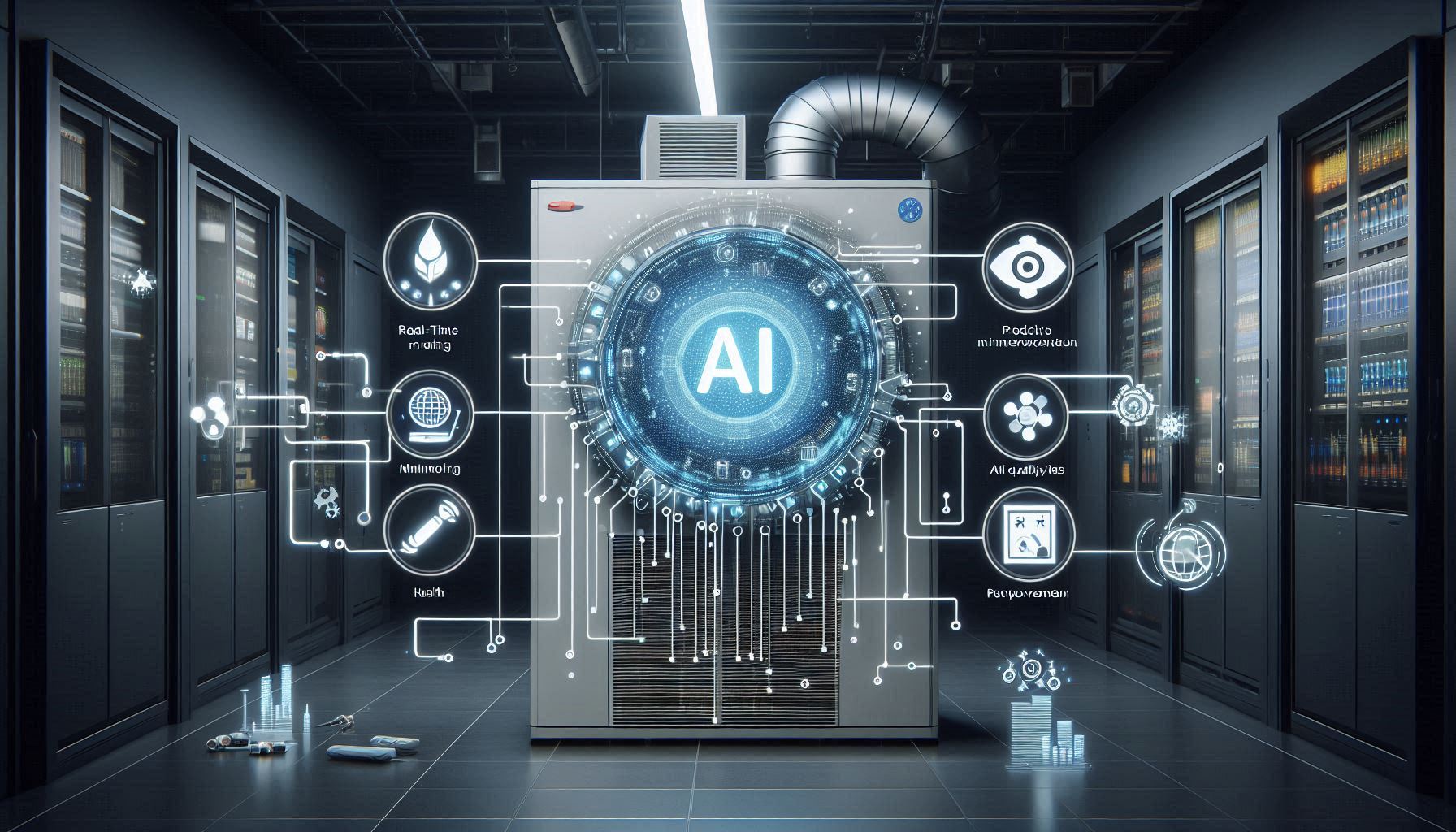
    • AI-driven predictive maintenance
    • Thermal energy storage
    • Building automation systems (BAS) for smart controls

    ✅ Case Study: A Hyderabad mall installed IoT-based HVAC controls, reducing energy use by 25% while maintaining optimal comfort.

    Why Choose Mr. Om Prakash – HVAC Consultant at www.hvactechnocrat.com?

    With 18+ years of expertiseMr. Om Prakash has helped pharmaceutical plants, data centers, semiconductor facilities, and commercial buildings across India and abroad optimize their HVAC systems for energy efficiency and cost savings.

    What Sets Him Apart?

    ✔ Deep Technical Knowledge – Specializes in cleanrooms, data centers, industrial HVAC, and green building compliance.
    ✔ Hands-On Experience – Successfully executed 100+ projects in design, audits, retrofits, and energy optimization.
    ✔ Cost-Saving Strategies – Expertise in value engineering to reduce capital and operational expenses.
    ✔ Sustainability Focus – Designs systems aligned with ECBC, LEED, ISHRAE and ASHRAE standards for long-term efficiency.

    Services Offered:

    🔹 HVAC Design & Planning for commercial buildings
    🔹 Energy Efficiency Audits
    🔹 Retrofit & Modernization Studies
    🔹 Cleanroom, Pharma and Semiconductor HVAC Solutions
    🔹 Data Center Cooling Optimization
    🔹 Tender Documentation & Bid Evaluation

    Real-World Impact:

    🏭 A Hyderabad pharma company saved ₹42 lakhs/year after Mr. Om Prakash redesigned their HVAC system’s capacity, airflow & filtration system.
    🏢 A commercial tower reduced HVAC energy use by 30% through AI-based load optimization.

    📞 For Expert HVAC Consulting in Hyderabad & Across India:
    📱 Call/WhatsApp: +91 9908091942
    📧 Email: hvactechnocrats@gmail.com
    🌐 Visit: www.hvactechnocrat.com

    FAQs

    1. How much can an HVAC consultant save me?

    Savings depend on system inefficiencies—typically 20-40% on energy bills and 10-30% on maintenance costs.

    2. Is hiring a HVAC consultant worth it for small businesses?

    Yes! Even small facilities can save lakhs annually with proper HVAC optimization.

    3. How long does an energy audit take?

    Usually 2-5 days, depending on facility size.

    4. Can HVAC consultant help with green building certifications?

    Absolutely! They ensure compliance with LEED, IGBC, and ECBC norms.

    5. What’s the ROI on HVAC retrofits?

    Most projects pay back in 2-4 years through energy savings.

    6. Do HVAC consultant handle contractor coordination?

    Yes, they oversee design, installation, and commissioning to avoid errors.

    Final Thoughts

    An HVAC consultant isn’t an expense—it’s an investment that pays off in lower bills, fewer breakdowns, and better compliance. Whether you need energy audits, retrofit designs, or greenfield project planningMr. Om Prakash at www.hvactechnocrat.com brings 18+ years of expertise to deliver cost-effective, sustainable HVAC solutions.

    📞 Contact today for a consultation!
    📱 +91 9908091942 | 📧 hvactechnocrats@gmail.com

    Disclosure: Some links may be affiliate-based, supporting our research at no extra cost to you. We maintain strict editorial independence.

    India Semiconductor: Innovative for Cleanroom Tech for Growth

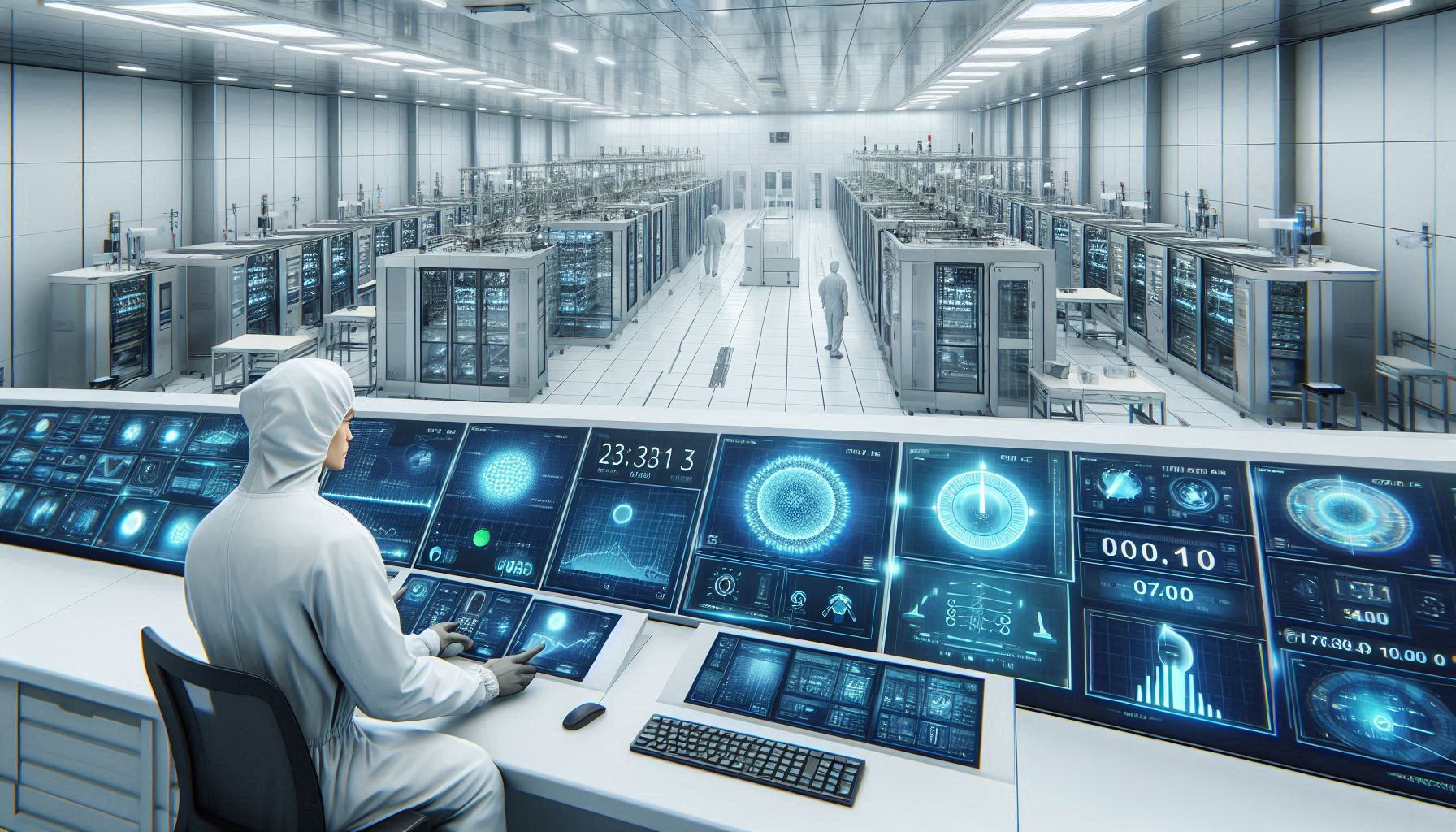
    Semiconductor Cleanroom Zoning layout in a semiconductor manufacturing facility to control contamination.

    India’s semiconductor industry is surging, driven by global demand for electronics and government initiatives like the Production-Linked Incentive (PLI) scheme. At the heart of this growth lies cleanroom technology—a field where Indian engineers and startups are breaking barriers to meet the ultra-sterile standards required for chip fabrication. From cost-effective modular designs to AI-driven contamination control, India’s innovations are reshaping how cleanrooms operate in resource-constrained environments. This article explores the strategies, challenges, and breakthroughs positioning India as a key player in India Semiconductor manufacturing.

    Government Policies Fueling Cleanroom Innovation

    India semiconductor ambitions hinge on creating world-class fabrication facilities (fabs), which demand Class 1 to Class 100 cleanrooms. Traditional cleanrooms consume massive energy and capital, making them impractical for India’s cost-sensitive market. To address this, the Indian Semiconductor Mission (ISM) has partnered with research institutes like IIT Bombay and the Centre for Materials for Electronics Technology (C-MET) to develop localized solutions.

    One breakthrough is the Modular Cleanroom Pod, a prefabricated system reducing installation time by 60% compared to conventional builds. These pods use indigenous HEPA filters made from recycled materials, cutting costs by 35%. For instance, a startup in Bengaluru deployed these pods for a chip-packaging unit, achieving ISO Class 5 standards at half the price of imported systems.

    Startups Redefining Contamination Control

    Indian startups are leveraging AI and IoT to tackle cleanroom challenges. Pune-based CleanAir Tech developed a real-time particulate monitoring system using machine learning. Sensors track airborne particles as small as 0.1 microns, while predictive algorithms alert staff before contamination breaches occur. During a trial at a Gujarat semiconductor plant, the system reduced defect rates by 22% in three months.

    Another innovator, NanoShield Solutions, created a graphene-coated air filtration membrane that lasts 3x longer than traditional filters. This material, patented by IISc researchers, neutralizes volatile organic compounds (VOCs) common in chemical-heavy semiconductor processes.

    Case Study: Tata’s Dholera Fab and Sustainable Design

    Tata Group’s upcoming $11 billion semiconductor fab in Dholera, Gujarat, exemplifies India’s cleanroom evolution. The facility will use a closed-loop water recycling system to minimize waste—a critical feature in water-scarce regions. Its cleanrooms integrate solar-powered air handling units (AHUs), reducing energy consumption by 40%.

    Collaborating with Israeli firm PBS Veltek, Tata engineers designed vibration-resistant floors using recycled steel slag, a byproduct from local industries. This approach cuts construction costs while meeting the strict vibration tolerances (<2 microns/sec) needed for lithography machines.

    Overcoming Humidity Challenges in Tropical Climates

    High humidity in India’s coastal regions poses a major hurdle for cleanrooms, as moisture corrodes delicate equipment. To combat this, Hindustan Semiconductor partnered with Chennai’s CLRI to develop hydrophobic nanocoating for walls and ceilings. The coating repels moisture, maintaining relative humidity below 45% even during monsoon seasons.

    In Kerala, a chip-testing facility uses dehumidifiers powered by biogas from agricultural waste—a dual solution for humidity control and rural energy access.

    Training the Workforce: Skill Meets India Semiconductor Demands

    Building cleanrooms is futile without skilled technicians. India’s Semicon India FutureSkills program trains over 10,000 technicians annually in cleanroom protocols, gowning procedures, and contamination control. Hybrid labs combine VR simulations (for gowning practice) with hands-on filter replacement drills.

    A notable success is Mysuru’s SITAR Cleanroom Academy, which collaborates with Applied Materials Graduates receive globally recognized certifications, with 87% securing jobs at fabs like Micron’s Sanand unit.

    The Road Ahead: AI and Quantum Leaps

    Future Indian cleanrooms will rely on AI-driven “digital twins”—virtual replicas predicting airflow patterns or equipment failures. For example, Wipro’s Cleanroom 4.0 prototype uses digital twins to optimize air changes per hour (ACH), balancing sterility and energy use.

    Quantum computing could revolutionize contamination modeling. Researchers at TIFR Mumbai are simulating particle dispersion at atomic levels, aiming to design cleanrooms with 99.9999% contamination-free zones.

    Smart HVAC Systems: How to Protect in Data Centers

    Split-view digital illustration showing smart HVAC systems on one side and cybersecurity elements protecting data centers on the other.

    As data centers evolve into smarter, more interconnected ecosystems, the role of Smart HVAC systems has expanded beyond temperature control. Modern smart HVAC systems integrate with building automation networks, IoT sensors, and cloud platforms. These connections optimize energy efficiency and operational reliability. However, this connectivity introduces significant cybersecurity risks that could compromise not just climate control but the entire data center infrastructure. For professionals managing these systems, understanding emerging threats and adopting robust defenses is no longer optional—it’s a critical pillar of operational integrity.

    The Growing Importance of Cybersecurity in Smart HVAC Systems

    Smart HVAC systems in data centers rely on real-time data exchange between sensors, controllers, and centralized management platforms. These systems often use legacy protocols like BACnet or Modbus, which were not designed with modern cybersecurity threats in mind. Attackers can exploit vulnerabilities in these protocols to infiltrate networks, manipulate temperature settings, or even disrupt cooling operations entirely17. For example, a compromised HVAC system could overheat servers, leading to hardware failures or unplanned downtime—a nightmare scenario for data centers where uptime is paramount.

    Recent incidents highlight the real-world consequences of lax security. For example, in 2021, hackers breached a U.S. water treatment plant and altered chemical levels via a supervisory control system. Similarly, ransomware gangs like Dark Angels have targeted building automation systems, causing millions in damages. These examples show why HVAC professionals must prioritize cybersecurity in system design and maintenance.

    Common Threats Targeting Smart HVAC Infrastructure

    1. Ransomware and Siegeware Attacks
    Cybercriminals increasingly target HVAC systems as entry points for ransomware. In a “siegeware” attack, hackers take control of HVAC operations—such as disabling cooling or ventilation—and demand payment to restore functionality. For data centers, this could lead to catastrophic server failures or compliance violations if environmental conditions deviate from contractual SLAs.

    2. Third-Party Vulnerabilities
    HVAC systems often integrate with third-party vendors for maintenance or cloud analytics. Weak access controls or outdated firmware in these partnerships can create backdoors for attackers. The 2013 Target breach, which originated from an HVAC contractor’s compromised credentials, remains a cautionary tale1.

    3. Legacy Systems and Unpatched Software
    Many data centers still operate aging HVAC controllers lacking encryption or secure authentication. Unpatched vulnerabilities in these systems are low-hanging fruit for attackers. A 2016 attack on a Finnish smart building’s heating system, which left residents without heat in winter, stemmed from unaddressed flaws in automated controls.

    4. Phishing and Social Engineering
    Human error remains a top risk. Phishing campaigns targeting facility managers or technicians can lead to credential theft, granting attackers access to HVAC networks. For instance, a fraudulent email disguised as a vendor update could trick staff into installing malware.

    Proactive Measures to Secure Smart HVAC Systems

    Implement Network Segmentation
    Isolate HVAC control networks from corporate IT systems to limit lateral movement during an attack27. Use firewalls and unidirectional gateways to enforce strict data flow policies, ensuring that even if one network is compromised, others remain protected.

    Adopt Zero-Trust Architecture
    Assume no user or device is inherently trustworthy. Require multi-factor authentication (MFA) for all access to HVAC management platforms, and enforce least-privilege access controls38. Regularly audit permissions to ensure contractors or former employees no longer have system access.

    Prioritize Firmware Updates and Patch Management
    Work with manufacturers that provide regular security patches and over-the-air (OTA) updates for HVAC controllers. For example, ecobee’s thermostats use cryptographically signed firmware to prevent tampering8. Schedule monthly maintenance windows to apply updates without disrupting operations.

    Conduct Regular Vulnerability Assessments
    Use tools like the NIST Cybersecurity Framework or Dragos’ OT-specific assessments to identify weak points in HVAC infrastructure. Penetration testing can simulate real-world attacks, revealing gaps in protocols like BACnet/IP or wireless sensor networks.

    Educate Teams on Cyber Hygiene
    Train staff to recognize phishing attempts, enforce strong password policies, and secure physical access to HVAC controllers. As Kode Labs emphasizes, user awareness is the first line of defense.

    The Role of Emerging Technologies in Mitigating Risks

    AI-Driven Anomaly Detection
    Advanced systems now use machine learning to monitor HVAC performance metrics—like airflow rates or compressor cycles—for deviations that could indicate tampering. For example, Boston University’s smart HVAC uses heat sensors to detect occupancy anomalies, which could also flag unauthorized access attempts4.

    Physics-Informed Dynamic Bayesian Networks (PIDBN)
    Research published in Energy highlights PIDBN as a novel method to detect cyber-attacks by analyzing energy performance data. This approach embeds HVAC control models into probabilistic algorithms, enabling real-time detection of subtle anomalies often missed by traditional methods6.

    Peer-to-Peer (P2P) Connectivity
    To reduce reliance on vulnerable cloud servers, some systems now use P2P communication between IoT devices and user apps. This end-to-end encrypted approach, as seen in SOREL’s HVAC solutions, minimizes exposure to man-in-the-middle attacks.


    Building Trust Through Transparency and Collaboration

    Data center operators and HVAC providers must collaborate to address shared risks. This includes:

    • Vetting Manufacturers: Partner with companies like Copeland or Johnson Controls that prioritize data encryption and GDPR compliance.
    • Transparent Data Policies: Clearly explain how customer data—such as temperature logs or occupancy patterns—is stored and used. Avoid vendors that monetize user data without consent.
    • Incident Response Planning: Develop protocols for rapid containment, such as manual overrides for HVAC systems during a cyber incident.

    Looking Ahead: The Future of Secure Smart HVAC

    As IoT adoption grows, so will regulatory scrutiny. Standards like ISO/IEC 27001 and NIST’s Zero Trust guidelines are becoming benchmarks for HVAC cybersecurity. Proactive adoption of these frameworks, combined with emerging technologies like quantum-resistant encryption, will define the next generation of secure climate control systems.

    For HVAC professionals, staying ahead means continuous learning. Engage with industry groups like InfraGard or ASHRAE to share insights on OT security and prioritize certifications in cybersecurity for industrial control systems. The stakes are high, but with vigilance and innovation, data centers can achieve both efficiency and resilience.

    Next Pandemic: How AI in HVAC Can Improve Indoor Air Quality

    AI-enhanced HVAC system improving indoor air quality

    Next pandemic scenarios have shown us the critical importance of maintaining excellent indoor air quality (IAQ) to safeguard health. The COVID-19 pandemic, in particular, underscored how poor IAQ can exacerbate the spread of airborne infections. As we prepare for future health crises, it’s essential to explore advanced solutions that can enhance our indoor environments. Traditional methods, such as basic ventilation and standard air filtration, often fall short when faced with the complexities of global health emergencies.

    Artificial intelligence (AI) stands out as a promising tool that could transform how we manage IAQ. By integrating AI into HVAC (Heating, Ventilation, and Air Conditioning) systems, we can achieve more precise control and monitoring of indoor air quality. This article delves into how AI can improve HVAC systems, making them more effective in maintaining healthy indoor environments and better preparing us for the next pandemic.

    Understanding Indoor Air Quality and Its Importance to beat Next Pandemic

    Indoor air quality refers to the cleanliness and healthiness of the air inside buildings. Good IAQ is essential because poor air quality can lead to various health problems, including respiratory issues and the spread of infections. During the pandemic, many buildings were found lacking in effective ventilation, which contributed to the spread of airborne diseases. This has led to a greater focus on improving IAQ through various methods.

    Traditionally, buildings relied on basic ventilation and filtration systems. However, these methods often fall short. Air filters are great at capturing particulate matter like dust and pollen, but they do little for gases or viruses. UVGI (Ultraviolet Germicidal Irradiation) systems can kill pathogens, but they have their own drawbacks, such as the potential to produce harmful byproducts. This highlights the need for more advanced solutions, such as AI-enhanced HVAC systems.

    To know more about Desiccant Wheels in HVAC How They Improve Indoor Air Quality Click Here

    The Role of AI in Enhancing HVAC Systems defeat Next Pandemic

    AI has the potential to transform HVAC systems in several ways, making them more effective at maintaining indoor air quality. Here’s how:

    • Predictive Maintenance: AI can analyze data from HVAC systems to predict when maintenance is needed. This helps prevent system failures and ensures that the system is always operating efficiently.
    • Real-Time Monitoring: AI-powered sensors can provide continuous data on indoor air quality. This allows for immediate adjustments to ventilation and filtration systems, keeping air quality at optimal levels.
    • Adaptive Control: AI can adjust HVAC operations in real-time based on current air quality data. For example, if CO2 levels rise, AI can increase ventilation to bring them back down.
    • Energy Efficiency: AI can optimize HVAC operations to balance air quality with energy consumption. This ensures that buildings are not only healthier but also more energy-efficient.
    • Integration with Other Systems: AI can integrate HVAC systems with lighting and security systems for a comprehensive approach to building management.

    How AI Can Address Specific IAQ Challenges for Next Pandemic

    AI can tackle several specific challenges related to indoor air quality:

    • Managing CO2 Levels: High CO2 levels can indicate poor ventilation. AI can monitor CO2 levels and adjust ventilation accordingly to maintain a healthy environment.
    • Handling Pollutants: AI can help manage and filter out various pollutants, including volatile organic compounds (VOCs) and other harmful gases, by using advanced filtration systems.
    • Optimizing UVGI Systems: AI can enhance the effectiveness of UVGI systems by ensuring they are used efficiently and reducing the risk of producing harmful byproducts.

    The Need for Robust IAQ Regulations and Standards to face Next Pandemic

    While AI can greatly improve IAQ, it’s also important to have strong regulations and standards. The pandemic highlighted the need for comprehensive IAQ guidelines to ensure that all buildings maintain high air quality standards. Regulations should require real-time monitoring and response systems to keep air quality in check.

    Regulations should also encourage the integration of AI into HVAC systems. By setting standards for AI-powered IAQ management, we can ensure that all buildings are equipped to handle future health crises effectively.

    Future Innovations in AI and HVAC Systems

    As technology continues to advance, we can expect even more innovations in AI and HVAC systems. Future developments may include:

    • More Advanced Sensors: New sensors will provide even more detailed data on indoor air quality, allowing for more precise adjustments.
    • Enhanced Machine Learning: AI algorithms will become better at predicting and responding to changes in air quality, improving the overall effectiveness of HVAC systems.
    • Integration with Smart Buildings: AI will increasingly be integrated with other smart building technologies, creating more cohesive and responsive building management systems.

    To know more about Why Indoor Air Quality Matters in Commercial Spaces Click Here

    FAQs

    How does AI improve indoor air quality?

    AI enhances indoor air quality by providing real-time monitoring, predictive maintenance, and adaptive control of HVAC systems. It can adjust ventilation and filtration based on current air quality data, ensuring a healthier environment.

    What are the benefits of using AI in HVAC systems?

    AI offers several benefits for HVAC systems, including improved energy efficiency, enhanced air quality management, predictive maintenance, and integration with other building systems. These benefits help create a healthier and more efficient indoor environment.

    To know more about How Does AI Optimize Energy Efficiency in Data Center Chiller Plant Click Here

    Can AI in HVAC systems help during a next pandemic?

    Yes, AI can help during a pandemic by providing real-time data on indoor air quality, adjusting ventilation and filtration systems as needed, and maintaining optimal conditions to reduce the spread of airborne diseases.

    What challenges does AI face in HVAC systems?

    AI in HVAC systems faces challenges such as high initial costs, the need for regular updates and maintenance, and integration with existing systems. Overcoming these challenges is essential to fully leverage the benefits of AI technology.

    How can regulations support AI in HVAC systems?

    Regulations can support AI in HVAC systems by setting standards for real-time monitoring, requiring integration of AI technologies, and ensuring that buildings maintain high air quality standards. This helps create a safer and healthier indoor environment.

    Conclusion

    Preparing for future pandemics requires more than just reacting to crises; it involves proactive measures to improve indoor environments. AI in HVAC systems offers a promising solution for enhancing indoor air quality and ensuring that buildings are ready for health challenges. By leveraging AI technology, we can make significant strides in maintaining healthier indoor environments and better prepare for future pandemics. The lessons learned from the COVID-19 pandemic should drive us to embrace these innovations and make our buildings safer and more resilient.

    To know more about Innovations and Trends in HVAC Industry Click Here

    About The Author

    Omprakash Ramagiri; as the Founder of HVAC Technocrats, I bring over 18 years of experience as a Mechanical Engineer specializing in HVAC (Central Air-conditioning) for Commercial, Cleanrooms, Data centers, and Petrochemical industries. Throughout my career, I’ve held pivotal roles at companies like TATA Consulting Engineers, MW Zander (for Cleanroom solutions), Bluestar Malaysia, and ETA in Dubai. I’ve managed international HVAC projects and gained valuable exposure in dynamic markets like Dubai and Saudi Arabia. With a passion for excellence and a commitment to innovative solutions, I specialize in designing Class 10K & 100K Cleanrooms for various industries. Connect with me to explore collaborations in HVAC design, project sales, and consultancy. Click to visit the Author’s Linkedin page


    Disclaimer: The content and images are for educational purposes and knowledge enhancement only. They may not depict actual products or situations. Outcomes may vary. Content is generated by AI and reviewed by industry experts, including Author.

    HVAC Systems: What are Hidden Impacts of Overdesigning

    Diagram showing the hidden environmental and economic impacts of overdesigned HVAC systems.

    Overdesigning HVAC systems is a common yet overlooked practice that can have significant environmental and economic consequences. While a small safety margin is necessary for reliability, excessive overdesign can lead to systems that are vastly oversized, wasting energy and resources. This article explores the impacts of HVAC system overdesign, focusing on the environmental footprint, operational inefficiencies, and the broader implications for sustainable engineering.

    The Concept of HVAC Systems Overdesign

    Overdesign in HVAC systems refers to the practice of installing equipment that is larger or more powerful than necessary. This often stems from a desire to ensure reliability and accommodate unexpected load increases. However, when overdesign results in systems that are 50% larger than needed, the negative impacts can far outweigh the intended benefits.

    Safety Margin in HVAC Systems: A Double-Edged Sword

    While a safety margin of 8-10% during heat load estimation is prudent, pushing this boundary too far can be detrimental. The initial step in overdesign often starts with these conservative estimates, which are then compounded by selecting equipment and motors with higher capacities. This can lead to significant inefficiencies.

    HVAC Systems Energy Consumption and Carbon Footprint

    Oversized HVAC systems consume more energy than properly sized ones. The increased energy demand directly translates into higher carbon emissions. These emissions contribute to the building’s overall carbon footprint, exacerbating global warming and climate change. The environmental impact of this excessive energy use is a pressing concern that needs addressing.

    HVAC Systems Impact on Ozone Layer

    The manufacturing and disposal processes of larger HVAC equipment involve the release of various pollutants. Many refrigerants used in these systems are potent greenhouse gases that harm the ozone layer. Despite advances in refrigerant technology, the sheer volume required for oversized systems poses a significant environmental threat.

    Operational Inefficiencies

    Overdesigned HVAC systems are not only energy-inefficient but also operationally inefficient. These systems tend to cycle on and off more frequently, which reduces their lifespan and increases maintenance needs. The frequent cycling can lead to higher operational costs and more frequent replacements, further straining resources and the environment.

    HVAC Systems Economic Costs

    The economic impact of overdesign is substantial. Higher energy consumption leads to increased utility bills. Additionally, the costs associated with frequent maintenance and equipment replacement can be significant. Building owners and operators need to consider these long-term costs when opting for larger systems.

    The Role of Proper Sizing

    Properly sizing HVAC systems is crucial for energy efficiency and cost-effectiveness. Accurate load calculations and appropriate equipment selection can prevent the pitfalls of overdesign. This practice not only ensures optimal performance but also minimizes environmental impact.

    Sustainable HVAC Systems Practice

    Adopting sustainable HVAC practices involves more than just avoiding overdesign. It includes selecting energy-efficient equipment, regular maintenance, and considering alternative cooling methods. Sustainable practices help in reducing energy consumption, lowering operational costs, and minimizing the environmental footprint.

    Future of HVAC Design

    The future of HVAC design lies in balancing reliability with sustainability. Innovations in HVAC technology, such as variable speed drives and smart thermostats, can help achieve this balance. These advancements allow for more precise control of HVAC systems, reducing the need for excessive overdesign.

    FAQs

    What is HVAC overdesign?

    Overdesign in HVAC refers to installing systems that are larger than necessary, often to ensure reliability.

    Why is a safety margin used in HVAC design?

    A safety margin of 8-10% is used to account for unexpected load increases and ensure reliability.

    How does overdesign affect energy consumption?

    Overdesign leads to higher energy consumption and increased carbon emissions.

    What are the environmental impacts of overdesign?

    Overdesign contributes to ozone depletion and climate change due to increased refrigerant use and energy consumption.

    How does overdesign impact operational efficiency?

    Overdesign causes frequent cycling of HVAC systems, reducing lifespan and increasing maintenance needs.

    What are the economic costs of HVAC overdesign?

    Higher energy bills and increased maintenance costs are significant economic impacts of overdesign.

    What are sustainable HVAC practices?

    Sustainable practices include proper sizing, selecting energy-efficient equipment, and regular maintenance.

    What is the future of HVAC design?

    The future involves balancing reliability with sustainability through innovations like variable speed drives and smart thermostats.

    Conclusion

    Overdesigning HVAC systems may seem like a cautious approach, but the long-term environmental and economic impacts are profound. By understanding the implications of overdesign and adopting sustainable practices, we can ensure that HVAC systems are both efficient and environmentally friendly. Proper sizing, regular maintenance, and innovative technologies are key to achieving this balance.

    About The Author

    Omprakash Ramagiri; as the Founder of HVAC Technocrats, I bring over 18 years of experience as a Mechanical Engineer specializing in HVAC (Central Air-conditioning) for commercial, cleanrooms, data centers, and Petrochemical industries. Throughout my career, I’ve held pivotal roles at companies like TATA Consulting Engineers, MW Zander (for Cleanroom solutions), Bluestar Malaysia, and ETA in Dubai. I’ve managed international HVAC projects and gained valuable exposure in dynamic markets like Dubai and Saudi Arabia. With a passion for excellence and a commitment to innovative solutions, I specialize in designing Class 10K & 100K Cleanrooms for various industries. Connect with me to explore collaborations in HVAC design, project sales, and consultancy. Click to visit the Author’s Linkedin page


    Disclaimer: The pictures used are for illustrative purposes only. They may not depict actual products or situations and are meant for educational purposes. Actual products, situations, or outcomes may differ.

    Heat Load Calculation: Everything You Need to Know

    Professionals working on heat load calculation and estimation in HVAC systems

    Heat load calculation, a fundamental aspect of HVAC system design, involves calculating the heat energy required to maintain desired indoor temperatures. This process starts by understanding the space’s dimensions, occupancy levels, and usage patterns. Factors like heat transfer coefficients, building orientation, sunlight exposure, insulation quality, and local climate also play a crucial role. Accurate heat load estimation ensures optimal HVAC system performance, energy efficiency, and occupant comfort. The goal is to size the HVAC system correctly, avoiding over or under-sizing, which can lead to inefficiency and increased costs.

    What role does heat load estimation play in HVAC?

    Heat load estimation is pivotal in HVAC system design and operation. It determines the capacity required to effectively heat or cool a space. Proper estimation helps in selecting the appropriate HVAC equipment, ensuring it operates efficiently. It also impacts energy consumption, operational costs, and indoor comfort levels. Incorrect heat load calculations can lead to overburdened systems, frequent breakdowns, and increased energy bills. Therefore, accurate heat load estimation, considering factors like the heat transfer coefficient and building orientation, is essential for achieving optimal performance, prolonging equipment lifespan, and maintaining a comfortable indoor environment.

    What types of heat loads need to be considered?

    During HVAC system design, various heat loads must be considered, including internal sources like occupants, lighting, and equipment, as well as external factors such as sunlight, ambient temperature, and wind. Sensible heat load refers to the temperature changes, while latent heat load involves humidity control. The specific humidity, fresh air quantity, and dehumidified air quantity are also critical factors. Both types affect the overall HVAC system performance. Understanding these different heat loads is crucial for precise heat load estimation, ensuring the system can handle both temperature and humidity variations efficiently.

    What are the applications of heat load estimation in various projects?

    Heat load estimation is applied in diverse projects, from residential buildings to commercial spaces and industrial facilities. In residential settings, it ensures home comfort and energy efficiency. In commercial projects, accurate estimation supports optimal HVAC performance in offices, retail spaces, and hospitality venues. Industrial applications involve precise control of environmental conditions to maintain product quality and safety. Each project type has unique requirements, making tailored heat load estimation essential for effective HVAC system design and operation. Factors like room dimensions, fresh air changes, and specific humidity levels are particularly critical in these applications.

    What specifications are required for accurate heat load estimation?

    Accurate heat load estimation requires detailed specifications, including building dimensions, materials, insulation levels, and occupancy patterns. Additionally, information on internal heat gains from equipment, lighting, and people is essential. External factors like local climate, sunlight exposure, and wind impact must be considered. Advanced software and tools, such as Carrier E-20, facilitate precise calculations. Key parameters like the heat transfer coefficient, bypass factor for cooling coils, and apparatus dew point must be included. Adhering to industry standards and guidelines ensures consistency and reliability in the estimation process, leading to optimal HVAC system performance.

    What are the advantages and disadvantages of precise heat load estimation?

    Precise heat load estimation offers several advantages. It ensures the HVAC system is correctly sized, enhancing energy efficiency and reducing operational costs. Accurate calculations improve indoor comfort by maintaining consistent temperature and humidity levels. However, the process can be complex, requiring detailed data and advanced tools. Inaccurate estimation can lead to over or under-sizing, resulting in inefficiency, higher costs, and discomfort. Despite these challenges, the benefits of precise heat load estimation, including factors like dry bulb and wet bulb temperatures, outweigh the drawbacks, making it a critical aspect of HVAC system design.

    What inputs are required for heat load estimation?

    Heat load estimation requires several inputs, including building dimensions, construction materials, and insulation quality. Occupancy levels, usage patterns, and internal heat gains from equipment and lighting are also crucial. External factors like local climate, sunlight exposure, and wind direction impact the calculations. Parameters like relative humidity, specific humidity, and fresh air quantity must be included. Advanced tools and software help process these inputs accurately. Adhering to industry standards and guidelines ensures consistency and reliability in the estimation process, leading to optimal HVAC system design and performance.

    What are the main parameters involved in heat load estimation?

    Main parameters in heat load estimation include building dimensions, occupancy levels, and internal heat gains. External factors like local climate, sunlight exposure, and wind impact also play a role. Sensible heat load pertains to temperature changes, while latent heat load involves humidity control. Key parameters like the bypass factor for cooling coils, apparatus dew point, and specific humidity must be considered. Accurate data on these parameters is essential for precise calculations. Using advanced tools and adhering to industry standards ensures reliability and consistency in the estimation process, leading to efficient HVAC system design and operation.

    What is Carrier E-20 calculation sheet for heat load estimation?

    The Carrier E-20 calculation sheet is a widely-used tool for heat load estimation. It helps HVAC professionals accurately calculate the amount of heat energy required to maintain desired indoor conditions. The sheet includes inputs for building dimensions, materials, insulation levels, occupancy, and internal heat gains. External factors like local climate and sunlight exposure are also considered. Parameters like dry bulb and wet bulb temperatures, relative humidity, and specific humidity are included. By processing these inputs, the Carrier E-20 sheet provides precise heat load calculations, ensuring optimal HVAC system design and performance.

    What design considerations are essential for accurate heat load estimation?

    Accurate heat load estimation requires several design considerations. These include building dimensions, materials, and insulation levels. Occupancy patterns and internal heat gains from equipment and lighting are also crucial. External factors like local climate, sunlight exposure, and wind direction impact the calculations. Parameters like sensible heat ratio, apparatus dew point, and specific humidity must be considered. Advanced tools and software help process these inputs accurately. Adhering to industry standards and guidelines ensures reliability and consistency in the estimation process, leading to efficient HVAC system design and operation.

    What design parameters should be factored in during heat load estimation?

    Design parameters essential for heat load estimation include building dimensions, materials, and insulation quality. Occupancy levels, usage patterns, and internal heat gains from equipment and lighting are crucial. External factors like local climate, sunlight exposure, and wind direction impact the calculations. Sensible heat load pertains to temperature changes, while latent heat load involves humidity control. Key parameters like specific humidity, fresh air quantity, and dehumidified air quantity must be considered. Accurate data on these parameters ensures precise calculations, leading to optimal HVAC system design and performance.

    What unit conversions are necessary for heat load estimation?

    Unit conversions play a critical role in heat load estimation. Converting between units like BTU, kW, and tons of refrigeration ensures accurate calculations. For instance, 1 BTU/hr equals 0.000293 kW. Understanding these conversions is essential for professionals using different measurement systems. Advanced tools and software often include built-in conversion features, simplifying the process. Accurate unit conversions ensure reliability in heat load calculations, leading to efficient HVAC system design and operation. Parameters like dry bulb and wet bulb temperatures, relative humidity, and specific humidity may also require unit conversions.

    What methods are used for capacity calculation in heat load estimation?

    Several methods are employed for capacity calculation in heat load estimation. The degree-day method estimates heating and cooling requirements based on historical weather data. The load factor method considers internal and external heat gains. Advanced software tools, like Carrier E-20, facilitate precise calculations by processing detailed inputs. Each method has its advantages and applications, ensuring accurate heat load estimation for various project types. Key parameters like dry bulb and wet bulb temperatures, specific humidity, and fresh air changes must be included. Using the appropriate method enhances HVAC system performance and energy efficiency.

    What codes and standards govern heat load estimation?

    Heat load estimation is governed by various codes and standards. The American Society of Heating, Refrigerating and Air-Conditioning Engineers (ASHRAE) and the Indian Society of Heating, Refrigerating and Air Conditioning Engineers (ISHRAE) provide guidelines for accurate calculations. These standards ensure consistency, reliability, and safety in HVAC system design. Adhering to these codes helps professionals achieve precise heat load estimations, leading to efficient and compliant HVAC installations. Key parameters like dry bulb and wet bulb temperatures, specific humidity, and fresh air changes are included in these guidelines. Access more information on ASHRAE and ISHRAE.

    What are the electrical parameters involved in heat load estimation?

    Electrical parameters are crucial in heat load estimation. These include power consumption of HVAC equipment, lighting, and other electrical devices. Understanding the electrical load helps in selecting appropriate HVAC equipment and ensuring it operates efficiently. Parameters like power factor, voltage, and current ratings are essential. Accurate estimation of these parameters ensures optimal system performance and energy efficiency. Additionally, factors like the total connected load and peak demand must be considered. Using advanced tools and adhering to industry standards help in precise electrical parameter calculations, contributing to effective HVAC system design.

    What software tools are available for heat load estimation?

    Several software tools are available for heat load estimation, streamlining the process and enhancing accuracy. Tools like Carrier E-20, Trane TRACE 700, and HAP (Hourly Analysis Program) are widely used. These tools process detailed inputs, including building dimensions, occupancy patterns, and internal heat gains. They also consider external factors like climate and sunlight exposure. Advanced software often includes built-in unit conversions and adherence to industry standards. Using these tools simplifies the estimation process, ensuring reliable and precise heat load calculations for efficient HVAC system design and operation.

    What are the typical challenges in heat load estimation?

    Heat load estimation can present several challenges. Inaccurate data on building dimensions, occupancy levels, and internal heat gains can lead to incorrect calculations. External factors like local climate and sunlight exposure also add complexity. Ensuring the accuracy of parameters like specific humidity, dry bulb, and wet bulb temperatures is crucial. Additionally, using outdated or incorrect software tools can affect results. Overcoming these challenges requires careful data collection, adherence to industry standards, and the use of advanced estimation tools. Addressing these challenges ensures precise heat load calculations, leading to effective HVAC system design and operation.

    What best practices should be followed for accurate heat load estimation?

    To achieve accurate heat load estimation, several best practices should be followed. Begin with precise data collection on building dimensions, materials, and insulation levels. Consider all internal and external heat gains, including equipment, lighting, and sunlight exposure. Use reliable software tools like Carrier E-20 and adhere to industry standards set by ASHRAE and ISHRAE. Ensure accurate unit conversions and consider all relevant parameters, including specific humidity and fresh air changes. Regularly update software and tools to reflect the latest standards and technologies. Following these best practices leads to reliable heat load calculations, ensuring optimal HVAC system performance.

    Conclusion

    Accurate heat load estimation is essential for efficient HVAC system design and operation. It involves calculating the necessary heat energy to maintain desired indoor conditions, considering various internal and external factors. Precise estimation ensures optimal system performance, energy efficiency, and occupant comfort. By understanding the different heat loads, using advanced tools, and adhering to industry standards, professionals can achieve reliable results. Despite the challenges, following best practices and using appropriate methods ensures successful heat load calculations, contributing to effective and efficient HVAC systems.

    AHU: Exploring Specifications Which You Need to Know

    Illustration of an AHU in a commercial HVAC system.

    An Air Handling Unit (AHU) is a critical component in HVAC systems, designed to regulate and circulate air. It houses essential elements like fans, filters, heating and cooling coils, and dampers. AHUs are typically used in commercial and industrial settings. They ensure that indoor air quality is maintained by managing temperature, humidity, and air cleanliness. In HVAC systems, AHUs are central to the efficient delivery of conditioned air throughout a building. Therefore, understanding their functionality and role is crucial for optimal HVAC system performance.

    How does an AHU contribute to the overall performance of an HVAC system?

    An AHU significantly enhances the overall performance of an HVAC system by ensuring effective air circulation and quality control. It maintains desired indoor conditions by managing airflow, filtering pollutants, and adjusting temperature and humidity levels. The integration of advanced controls and sensors within AHUs allows precise monitoring and adjustment, leading to energy efficiency and cost savings. Moreover, AHUs support the system’s adaptability to varying external conditions, ensuring comfort and safety for occupants. Therefore, a well-designed AHU is indispensable for maintaining optimal HVAC system performance and energy efficiency.

    What are the different types of AHU available for HVAC systems?

    Several types of AHUs cater to different HVAC system requirements. The main types include packaged AHUs, modular AHUs, and custom-built AHUs. Packaged AHUs are pre-engineered and suitable for standard applications. Modular AHUs offer flexibility with various sections that can be configured as needed. Custom-built AHUs are tailored for specific needs, often used in specialized environments like cleanrooms or laboratories. Additionally, AHUs can be categorized based on their location, such as rooftop units or indoor units. Each type serves distinct purposes, providing versatility in HVAC system design and application.

    Where are AHU commonly used in various industries?

    AHUs are widely used across multiple industries due to their versatility in managing indoor air quality. In commercial buildings like offices and shopping malls, AHUs maintain a comfortable environment for occupants. In healthcare settings, they ensure sterile and clean air, essential for patient safety. AHUs are also crucial in manufacturing plants, especially in cleanrooms and pharmaceutical production, where air purity is paramount. Additionally, they play a significant role in data centers, preserving the optimal temperature for equipment. Thus, AHUs are integral in diverse industries, ensuring environmental control and operational efficiency.

    What key specifications should be considered when selecting an AHU?

    Selecting an AHU involves evaluating several key specifications to ensure optimal performance and compatibility with the HVAC system. Important factors include the unit’s airflow capacity, measured in cubic feet per minute (CFM), and the static pressure it can handle. Additionally, the efficiency of filters, the type and capacity of heating and cooling coils, and the energy efficiency ratio (EER) are critical considerations. Noise levels, ease of maintenance, and the integration of control systems also play a vital role. These specifications help in choosing an AHU that meets the specific requirements of the building and its occupants.

    What are the advantages and disadvantages of using an AHU in an HVAC system?

    Using an AHU in an HVAC system offers several advantages. It provides precise control over air quality, temperature, and humidity, enhancing occupant comfort. AHUs are energy-efficient, contributing to reduced operational costs. They also support modularity and scalability, allowing customization for specific needs. However, there are some disadvantages. AHUs can be complex and expensive to install and maintain. They require regular servicing to ensure optimal performance. Additionally, improperly sized or poorly maintained AHUs can lead to inefficiencies and increased energy consumption. Therefore, a balanced approach is necessary to maximize the benefits of AHUs.

    What information is typically included in an AHU technical data sheet?

    An AHU technical data sheet provides comprehensive details about the unit’s specifications and performance characteristics. Key information includes the airflow rate, static pressure, heating and cooling capacities, and filter efficiency. It also outlines the electrical requirements, including voltage, power consumption, and control options. The data sheet includes dimensions, weight, and installation guidelines. Performance curves, noise levels, and maintenance schedules are also detailed. This information is crucial for selecting, installing, and maintaining the AHU, ensuring it meets the specific needs of the HVAC system and the building it serves.

    What are the main components of an AHU?

    An AHU comprises several main components essential for its operation. The primary components include fans, which drive the airflow, and filters, which remove particulates from the air. Heating and cooling coils adjust the temperature and humidity levels. Dampers control the airflow and pressure within the unit. Additionally, humidifiers add moisture to the air when needed. Sensors and control systems monitor and regulate the performance of these components. Each part plays a critical role in ensuring the AHU functions efficiently, providing a comfortable and healthy indoor environment.

    What are the critical sub-components within an AHU?

    Within an AHU, several critical sub-components ensure its efficient operation. These include the fan motor, which powers the fans, and the belt drive system that transmits this power. Heat exchangers are crucial for transferring thermal energy between the air and the coils. Air filters, including pre-filters and high-efficiency particulate air (HEPA) filters, are essential for removing contaminants. Additionally, dampers and actuators control airflow and pressure. Control systems and sensors monitor and adjust the unit’s performance. Each sub-component plays a vital role in maintaining the AHU’s functionality and efficiency.

    What are the essential design considerations for an AHU?

    Designing an AHU involves several essential considerations to ensure optimal performance and compatibility with the HVAC system. These include determining the required airflow rate and static pressure, selecting appropriate filters, and choosing the right type and capacity of heating and cooling coils. The design must also consider noise levels, energy efficiency, and ease of maintenance. Additionally, the integration of control systems and sensors is crucial for monitoring and adjusting performance. Properly addressing these factors ensures the AHU meets the specific needs of the building and its occupants, providing a comfortable and healthy indoor environment.

    What design parameters must be considered when planning an AHU?

    When planning an AHU, several design parameters are critical to ensure optimal performance. These include the airflow rate, static pressure, and temperature and humidity control requirements. The type and efficiency of filters, the capacity of heating and cooling coils, and the energy efficiency ratio (EER) are also important. Noise levels, ease of maintenance, and the integration of control systems and sensors are crucial considerations. Properly addressing these parameters ensures the AHU meets the specific needs of the building and its occupants, providing a comfortable and healthy indoor environment.

    What unit conversions are necessary for AHU design and specification?

    Designing and specifying an AHU requires several unit conversions to ensure accuracy. Common conversions include airflow rate from cubic feet per minute (CFM) to cubic meters per hour (m³/h) and static pressure from inches of water column (in. w.c.) to Pascals (Pa). Temperature conversions between Fahrenheit (°F) and Celsius (°C) are often necessary. Additionally, energy efficiency ratios (EER) may need to be converted to coefficient of performance (COP). These conversions ensure that the AHU specifications align with industry standards and meet the specific needs of the building and its occupants.

    What methods are used to calculate the capacity of an AHU?

    Calculating the capacity of an AHU involves several methods to ensure accurate sizing and performance. One common method is the heat load calculation, which considers the building’s thermal requirements based on factors like occupancy, equipment, and insulation. The airflow rate is determined by calculating the volume of air needed to maintain desired indoor conditions. Additionally, the cooling and heating capacities are calculated based on the temperature and humidity control requirements. These calculations ensure the AHU is appropriately sized and capable of meeting the specific needs of the building and its occupants.

    What codes and standards govern the use of AHU in HVAC systems?

    The use of AHUs in HVAC systems is governed by several codes and standards to ensure safety, efficiency, and performance. Key standards include those set by the American Society of Heating, Refrigerating, and Air-Conditioning Engineers (ASHRAE) and the Indian Society of Heating, Refrigerating, and Air Conditioning Engineers (ISHRAE). These standards provide guidelines for design, installation, and maintenance. Additionally, building codes like the International Building Code (IBC) and local regulations may apply. Adhering to these codes and standards ensures that AHUs meet the necessary safety and performance requirements, providing a comfortable and healthy indoor environment.

    What is a general arrangement drawing for an AHU?

    A general arrangement drawing for an AHU provides a detailed visual representation of the unit’s layout and components. It includes dimensions, placement of filters, motor, fans, coils, drain pan, limit switch, lamp, motor base channels, dampers and other elements. The drawing shows the overall configuration, including duct connections, access doors, and control panels. It also indicates service and maintenance areas, ensuring ease of access. This drawing is crucial for the proper installation and integration of the AHU within the HVAC system. It helps ensure that all components are correctly placed and that the unit functions efficiently, providing a comfortable and healthy indoor environment.

    What information is conveyed in an AHU schematic drawing?

    An AHU schematic drawing provides a detailed representation of the unit’s internal components and their connections. It includes diagrams of fans, filters, heating and cooling coils, dampers, and control systems. The schematic shows the airflow path, indicating how air moves through the unit. It also details electrical connections, including power supply and control wiring. This drawing is essential for understanding the AHU’s operation and for troubleshooting any issues. It ensures that all components are correctly connected and functioning as intended, contributing to the overall performance of the HVAC system.

    What is included in the electrical scope of works for an AHU?

    The electrical scope of works for an AHU outlines the necessary electrical requirements and connections. It includes details on power supply, such as voltage and phase, and the unit’s electrical load. The scope also specifies the wiring connections for fans, motors, control panels, and sensors. It includes requirements for grounding, circuit protection, and emergency shutdown systems. This document ensures that the AHU is correctly wired and complies with electrical codes and standards. Properly addressing the electrical scope of works is crucial for the safe and efficient operation of the AHU within the HVAC system.

    Who are the leading manufacturers of AHU?

    Several leading manufacturers specialize in producing high-quality AHUs for various HVAC applications. Notable names include

    • Carrier
    • Trane
    • Daikin
    • Johnson Controls
    • York
    known for their advanced technology and reliable performance and are also prominent manufacturers, offering a range of AHUs tailored for different industries. Other key players include
    • Zeco
    • Greenheck
    • McQuay
    • Bluestar
    • Voltas
    • Systemair
    each providing innovative solutions to meet specific air handling needs. These manufacturers are renowned for their commitment to quality, energy efficiency, and sustainability, ensuring that their AHUs deliver optimal performance and reliability in diverse applications.

    What is a bill of material for an AHU?

    A bill of material (BOM) for an AHU lists all the components and materials required for its construction and installation. It includes detailed descriptions and quantities of parts like panels, fans, motors, filters, coils, and control systems. The BOM also specifies the necessary hardware, such as bolts, brackets, and duct connections. This document is crucial for ensuring that all components are accounted for and available during the assembly and installation process. A comprehensive BOM helps streamline procurement, minimize delays, and ensure the AHU is built and installed correctly, providing efficient and reliable operation.

    What is the purpose of a shop drawing for an AHU?

    A shop drawing for an AHU provides detailed instructions for its fabrication and assembly. It includes precise dimensions, materials, and construction techniques. The drawing outlines the placement of components, such as fans, coils, and filters, and specifies the necessary connections and alignments. Shop drawings ensure that the AHU is built according to the design specifications and meets the required performance standards. They are used by manufacturers and contractors to guide the construction process, ensuring accuracy and consistency. Properly executed shop drawings are essential for delivering a high-quality AHU that functions efficiently.

    What are the steps involved in the installation of an AHU?

    The installation of an AHU involves several critical steps to ensure proper setup and operation. First, the unit is positioned and anchored in the designated location. Duct connections are made, ensuring airtight seals. Electrical wiring is completed according to the electrical scope of works. Next, the fans, coils, filters, and control systems are installed and connected. The unit is then tested for leaks, airflow, and operational functionality. Finally, adjustments are made to optimize performance, and the AHU is commissioned for use. Following these steps ensures that the AHU operates efficiently and meets the HVAC system’s requirements.

    What should be included in an AHU installation checklist?

    An AHU installation checklist ensures all critical tasks are completed for a successful setup. Key items include verifying the correct placement and securing the unit, checking duct connections for airtight seals, and completing electrical wiring according to the scope of works. The checklist also includes installing and connecting fans, coils, filters, and control systems, testing for leaks and airflow, and verifying operational functionality. Finally, adjustments are made to optimize performance, and the unit is commissioned for use. This comprehensive checklist helps ensure that the AHU operates efficiently and meets the HVAC system’s requirements.

    What supporting details are necessary for AHU installation?

    Supporting details for AHU installation include site-specific information such as the unit’s location, mounting requirements, and available space. Detailed diagrams of duct connections, electrical wiring, and control system interfaces are essential. Information on necessary tools, equipment, and materials, including dimensions and quantities, is crucial. Additionally, guidelines for safety procedures, maintenance access, and operational testing are necessary. These details ensure that the AHU installation is carried out accurately and efficiently, minimizing the risk of errors and ensuring optimal performance within the HVAC system.

    What procedures are involved in testing, adjusting, and balancing an AHU?

    Testing, adjusting, and balancing (TAB) an AHU involves several procedures to ensure optimal performance. First, airflow measurements are taken to verify the unit’s output matches the design specifications. Adjustments are made to fan speeds, dampers, and control settings to achieve the desired airflow and pressure. The temperature and humidity levels are checked and adjusted as needed. Filters and coils are inspected for proper installation and functionality. Finally, the entire system is tested under various operating conditions to ensure consistent performance. These procedures help maintain the AHU’s efficiency and reliability within the HVAC system.

    What techniques are used to control noise and vibration in AHU?

    Controlling noise and vibration in AHUs involves several techniques to enhance comfort and efficiency. Acoustic insulation materials are used to line the unit’s casing, reducing noise transmission. Vibration isolation mounts are installed to minimize the transfer of vibrations to the building structure. Additionally, flexible duct connectors help absorb vibrations from the unit’s fans and motors. Properly balancing the fans and ensuring all components are securely fastened also reduces noise and vibration. These techniques are essential for maintaining a quiet and comfortable indoor environment, enhancing the overall performance of the HVAC system.

    What are the recommended maintenance procedures for an AHU?

    Regular maintenance is essential for ensuring the optimal performance and longevity of an AHU. Key procedures include inspecting and cleaning filters, coils, and fans to prevent the buildup of dust and debris. Checking and adjusting belts and pulleys ensures proper alignment and tension. Lubricating moving parts, such as fan bearings and motor shafts, reduces wear and tear. Additionally, verifying the functionality of control systems and sensors is crucial for maintaining accurate performance. Periodic testing and calibration of the unit’s components help identify potential issues early, ensuring reliable operation and energy efficiency.

    What are common troubleshooting and diagnostic techniques for AHUs?

    Troubleshooting and diagnosing AHU issues involve several techniques to identify and resolve problems. Visual inspections are conducted to check for obvious signs of damage or wear. Measuring airflow and static pressure helps detect blockages or leaks in the ductwork. Temperature and humidity readings indicate issues with heating or cooling coils. Electrical tests verify the functionality of motors, fans, and control systems. Additionally, listening for unusual noises and checking vibration levels can reveal mechanical issues. These techniques help pinpoint the cause of problems, allowing for timely repairs and ensuring the AHU operates efficiently.

    What methods are used to monitor the performance of an AHU?

    Monitoring the performance of an AHU involves several methods to ensure it operates efficiently. Sensors and control systems provide real-time data on airflow, temperature, humidity, and pressure. Regular inspections and maintenance checks help identify potential issues early. Performance metrics, such as energy consumption and runtime, are tracked to detect changes in efficiency. Additionally, advanced monitoring systems can alert operators to deviations from normal operating conditions. These methods help maintain the AHU’s performance, ensuring it meets the HVAC system’s requirements and provides a comfortable and healthy indoor environment.

    What is involved in the lifecycle analysis of an AHU?

    Lifecycle analysis of an AHU involves evaluating its performance, costs, and environmental impact from installation to decommissioning. Key factors include the unit’s initial purchase and installation costs, operational and maintenance expenses, and energy consumption. Environmental considerations, such as the materials used and the unit’s efficiency, are also analyzed. The expected lifespan and potential for upgrades or retrofits are evaluated. This comprehensive analysis helps determine the overall value and sustainability of the AHU, guiding decisions on its selection, operation, and replacement within the HVAC system.

    What features of an AHU contribute to energy efficiency?

    Several features of an AHU contribute to its energy efficiency. High-efficiency fans and motors reduce energy consumption while maintaining optimal airflow. Variable speed drives (VSDs) adjust fan speeds based on demand, minimizing energy use. Advanced control systems monitor and regulate the unit’s performance, optimizing energy efficiency. High-efficiency filters reduce pressure drop, decreasing the workload on fans. Additionally, heat recovery systems capture and reuse waste heat, further enhancing energy efficiency. These features help reduce operational costs and environmental impact, ensuring the AHU provides sustainable and efficient performance within the HVAC system.

    What are the benefits of upgrading or retrofitting an AHU?

    Upgrading or retrofitting an AHU offers several benefits, enhancing performance and efficiency. Newer components, such as high-efficiency fans, motors, and filters, reduce energy consumption and operational costs. Advanced control systems improve the unit’s responsiveness and accuracy, ensuring optimal indoor conditions. Retrofitting can also address specific issues, such as noise and vibration control, improving occupant comfort. Additionally, upgrades extend the unit’s lifespan, delaying the need for a complete replacement. These benefits contribute to a more efficient, reliable, and sustainable HVAC system, providing long-term value and improved performance.

    What warranty information should you look for when purchasing an AHU?

    When purchasing an AHU, it is important to consider the warranty information provided by the manufacturer. Look for warranties that cover key components, such as fans, motors, coils, and control systems, for an extended period. Ensure the warranty includes coverage for defects in materials and workmanship. Additionally, check if the warranty provides for labor costs associated with repairs or replacements. Understanding the warranty terms, conditions, and exclusions is crucial for ensuring long-term protection and support. A comprehensive warranty offers peace of mind and safeguards your investment in the AHU, ensuring reliable performance and customer satisfaction.

    What is the environmental impact of using an AHU?

    The environmental impact of using an AHU depends on several factors, including its energy efficiency, materials used, and emissions. High-efficiency units consume less energy, reducing greenhouse gas emissions and lowering operational costs. Sustainable materials, such as recyclable components and environmentally friendly refrigerants, minimize environmental harm. Proper maintenance and regular servicing ensure optimal performance, reducing the unit’s overall impact. Additionally, advanced technologies, such as heat recovery systems, further enhance sustainability. By choosing energy-efficient and environmentally conscious AHUs, you can significantly reduce the environmental footprint of your HVAC system, contributing to a healthier planet.

    What safety considerations must be taken into account when installing an AHU?

    Safety considerations are crucial when installing an AHU to ensure the protection of personnel and equipment. Proper grounding and electrical connections prevent electrical hazards. Adequate clearance around the unit allows for safe access during maintenance and servicing. Using appropriate lifting equipment and techniques ensures safe handling and installation of heavy components. Additionally, following manufacturer guidelines and local codes and standards, such as those set by ASHRAE and ISHRAE, ensures compliance with safety regulations. Implementing safety measures during installation helps prevent accidents, ensuring a safe and efficient operation of the AHU within the HVAC system.

    What spare parts are typically required for AHU maintenance?

    AHU maintenance requires several spare parts to ensure continued performance and reliability. Commonly needed parts include filters, belts, and bearings, which wear out over time. Replacement fans and motors are essential for addressing mechanical failures. Coils and heat exchangers may also need replacement due to corrosion or damage. Control components, such as sensors and actuators, ensure accurate system operation and may require periodic replacement. Keeping a stock of these spare parts enables timely repairs and minimizes downtime, ensuring the AHU operates efficiently and maintains the desired indoor air quality and comfort levels.

    FAQ

    What is the AHU in HVAC?

    The AHU, or Air Handling Unit, in HVAC systems, is a device that conditions and circulates air as part of the heating, ventilation, and air conditioning system. It ensures proper air filtration, temperature control, and humidity regulation to maintain indoor air quality and comfort in buildings.

    What is AHU vs FCU in HVAC?

    AHU (Air Handling Unit) and FCU (Fan Coil Unit) serve different purposes in HVAC systems. AHUs are larger units that handle air conditioning and ventilation for entire buildings, while FCUs are smaller units that condition air for specific spaces or rooms.

    What are the main parts of the AHU?

    The main parts of an AHU include:

    • Fan: Moves air through the unit.
    • Coils: Heat or cool the air.
    • Filters: Remove particles from the air.
    • Dampers: Control airflow.
    • Mixing Chamber: Mixes air for temperature control.
    • Control Panel: Manages the unit’s operation.

    Types of AHU in HVAC systems

    There are several types of AHUs used in HVAC systems:

    • Rooftop Units: Installed on the roof, suitable for large spaces.
    • Modular Units: Flexible and customizable for various applications.
    • Make-up Air Units: Provide fresh air to replace exhaust air.
    • Packaged Units: Contain all components in a single enclosure.

    Role of AHU in HVAC systems

    The AHU plays a crucial role in HVAC systems by conditioning and distributing air throughout the building. It ensures the air is clean, at the right temperature, and maintains proper humidity levels, contributing to occupant comfort and indoor air quality.

    AHU in HVAC systems Wikipedia

    AHU in HVAC systems is extensively covered on Wikipedia, describing its function, components, and various types used in different applications. It provides an in-depth overview of how AHUs integrate into HVAC systems to maintain air quality and comfort in buildings.

    Types of AHU

    Different types of AHUs include:

    • Single Zone Units: Serve specific areas with consistent requirements.
    • Multi-Zone Units: Serve multiple areas with varying needs.
    • Heat Recovery Units: Recover energy from exhaust air.
    • Custom-Built Units: Designed for unique applications or specifications.

    Air handling unit diagram

    An air handling unit diagram illustrates the internal components and airflow path within the unit. It typically includes fans, coils, filters, dampers, and control systems, helping to understand how air moves through the system for effective operation and maintenance.

    Air handling unit working principle

    The working principle of an air handling unit involves drawing air in, conditioning it by heating, cooling, filtering, and regulating humidity, and then distributing it throughout the building. This process ensures consistent indoor air quality and comfort.

    AHU full form in HVAC

    AHU in HVAC stands for Air Handling Unit. It refers to the equipment responsible for air conditioning and ventilation within buildings, ensuring proper air quality and comfort.

    Air handling unit for home

    An air handling unit for home use is designed to provide efficient air conditioning and ventilation specifically for residential spaces. It helps maintain optimal indoor air quality and comfort levels within homes.

    Conclusion

    AHUs are integral components of HVAC systems, providing essential air handling functions for various applications. Understanding their types, specifications, components, and installation requirements is crucial for optimizing performance and efficiency. Proper maintenance, troubleshooting, and monitoring ensure reliable operation and longevity. Upgrading or retrofitting AHUs can enhance energy efficiency, reduce operational costs, and improve indoor air quality. By following industry standards and guidelines, such as those from ASHRAE and ISHRAE, you can ensure safe and compliant AHU installations. Investing in high-quality AHUs with comprehensive warranties and minimal environmental impact contributes to a sustainable and efficient HVAC system.

    About the Author

    Omprakash Ramagiri; as the Founder of HVAC Technocrats, I bring over 18 years of experience as a Mechanical Engineer specializing in HVAC (Central Air-conditioning) for commercial, cleanrooms, data centers, and Petrochemical industries. Throughout my career, I’ve held pivotal roles at companies like TATA Consulting Engineers, MW Zander (for Cleanroom solutions), Bluestar Malaysia, and ETA in Dubai. I’ve managed international HVAC projects and gained valuable exposure in dynamic markets like Dubai and Saudi Arabia. With a passion for excellence and a commitment to innovative solutions, I specialize in designing Class 10K & 100K Cleanrooms for various industries. Connect with me to explore collaborations in HVAC design, project sales, and consultancy. Click to visit the Author’s Linkedin page


    Disclaimer: The pictures used are for illustrative purposes only. They may not depict actual products or situations and are meant for educational purposes. Actual products, situations, or outcomes may differ.

    Cooling Tower: How to Enhance Energy Efficiency in Buildings

    Cooling Tower in Industrial Setting

    What is Cooling Tower in HVAC Systems

    A cooling tower is a specialized heat rejection device that extracts waste heat to the atmosphere through the cooling of a water stream to a lower temperature. It plays a crucial role in HVAC (Heating, Ventilation, and Air Conditioning) systems and industrial processes where large amounts of heat need to be dissipated efficiently.

    Cooling towers work on the principle of evaporation, where warm water from industrial processes or air conditioning systems is pumped to the top of the tower and distributed over the tower fill or packing. As this water cascades down through the fill material, it comes into contact with a stream of air moving upward through the tower. This air, usually induced by a fan, causes a small portion of the water to evaporate, which removes heat from the remaining water. The cooled water is then collected at the bottom of the tower and recirculated back into the system.

    Cooling towers are classified into various types based on their design and application, such as crossflow, counterflow, and hybrid configurations, each offering specific advantages in different industrial and HVAC settings.

    Basics of Cooling Tower

    A cooling tower is an essential component in HVAC and industrial processes for dissipating heat from water to the atmosphere. It operates on the principle of evaporative cooling, where warm water from processes or air conditioning systems is circulated to the top of the tower and distributed over a packing material. As this water flows down, it comes into contact with a rising air stream induced by fans. Some of the water evaporates, absorbing heat and cooling the rest of the water. The cooled water collects at the bottom of the tower and is recirculated back into the system.

    Cooling towers vary in design, including crossflow and counterflow configurations. Crossflow towers direct the water flow horizontally across the vertical air flow, while counterflow towers direct water vertically downward against the upward air flow, maximizing heat transfer efficiency. These towers are crucial for maintaining optimal temperatures in industrial processes and HVAC systems, enhancing efficiency and reducing energy consumption.

    Role and Importance of Cooling Towers in HVAC Systems

    Cooling towers play a crucial role in HVAC systems, providing essential heat removal for industrial and commercial applications. By understanding their function and impact, we can appreciate how they enhance energy efficiency and maintain optimal temperatures. This article delves into various aspects of cooling towers, addressing common questions and providing a comprehensive overview for HVAC professionals and enthusiasts.

    What is the role of a cooling tower in HVAC systems?

    Cooling towers in HVAC systems serve to remove excess heat from a building or industrial process by using water to transfer heat to the atmosphere. This process is essential in maintaining efficient operation and optimal temperatures within HVAC systems. By cooling the water that circulates through the HVAC system, cooling towers help to dissipate heat generated by air conditioning units, industrial equipment, or processes. This not only prevents overheating but also ensures that the HVAC system operates efficiently, reducing energy consumption and operational costs. Cooling towers are integral in managing heat load, making them indispensable in various applications, from commercial buildings to industrial facilities.

    Why are cooling towers essential for HVAC applications?

    Cooling towers are essential for HVAC applications because they significantly enhance energy efficiency and cooling performance. They achieve this by using the natural process of evaporation to dissipate heat from the water, which is more energy-efficient compared to other cooling methods. Cooling towers are particularly effective in large-scale HVAC applications, where traditional air-cooled systems might struggle to manage the heat load. By reducing the temperature of the water used in the HVAC system, cooling towers ensure that air conditioning units and other components can operate more efficiently, leading to lower energy consumption and costs. This makes them vital for maintaining comfortable indoor environments in commercial and industrial settings.

    How do cooling towers contribute to energy efficiency in buildings?

    Cooling towers contribute to energy efficiency in buildings by leveraging the evaporative cooling process to remove heat from the water used in HVAC systems. This process requires less energy compared to traditional air-cooled systems, resulting in significant energy savings. By maintaining lower water temperatures, cooling towers ensure that HVAC components, such as chillers and air conditioning units, operate more efficiently. This reduces the overall energy consumption of the building’s cooling system. Additionally, cooling towers can be integrated with energy management systems to optimize their performance, further enhancing energy efficiency and reducing operational costs. Their ability to effectively manage heat load makes them a key component in sustainable building design.

    When should you consider using a cooling tower in HVAC designs?

    Consider using a cooling tower in HVAC designs when dealing with large-scale applications that require efficient heat removal, such as commercial buildings, industrial facilities, or data centers. Cooling towers are particularly beneficial in environments with high cooling loads, where traditional air-cooled systems may be insufficient. They are also ideal for applications where energy efficiency is a priority, as they can significantly reduce energy consumption compared to other cooling methods. Additionally, cooling towers are suitable for locations with abundant water supply, as they rely on water for the evaporative cooling process. When planning HVAC designs, evaluate the specific cooling requirements and environmental factors to determine if a cooling tower is the best solution.

    Where are cooling towers typically located within HVAC systems?

    Cooling towers are typically located outside the main building structure, often on the rooftop or in a designated mechanical yard. Their placement is strategic to facilitate the release of heat into the atmosphere and to minimize the impact of noise and water vapor plumes on the building’s occupants. The location should also allow for easy access for maintenance and inspections. In some cases, cooling towers can be installed at ground level or in a central utility plant, depending on the layout and space constraints of the facility. Proper placement is crucial to ensure efficient operation and integration with the overall HVAC system, including the water circulation network and supporting infrastructure.

    What are the different types of cooling towers used in HVAC applications?

    Several types of cooling towers are used in HVAC applications, each with distinct features and benefits. The main types include:

    • Natural Draft Cooling Towers: These rely on the natural convection of air to move through the tower and cool the water.
    • Mechanical Draft Cooling Towers: These use fans to force air through the tower, providing more control over airflow and cooling efficiency. Mechanical draft towers are further categorized into forced draft and induced draft.
    • Crossflow Cooling Towers: In these towers, water flows vertically while air flows horizontally through the fill media, providing efficient heat transfer.
    • Counterflow Cooling Towers: In these towers, water flows downward while air flows upward, maximizing contact time for heat transfer.
    • Hybrid Cooling Towers: These combine features of both wet and dry cooling towers to optimize performance and energy efficiency in varying conditions.
    Each type has specific applications and advantages, making them suitable for different HVAC needs and environmental conditions.

    How do evaporative cooling towers compare to dry cooling towers?

    Evaporative cooling towers and dry cooling towers differ primarily in their cooling mechanisms and efficiency. Evaporative cooling towers use water evaporation to remove heat from the circulating water, which is highly efficient and effective in cooling large volumes of water. This method is energy-efficient and ideal for applications requiring significant cooling capacity. However, it does require a consistent water supply and regular maintenance to manage water quality and scaling.

    Dry cooling towers, on the other hand, use air to cool the water without evaporation, relying on heat exchange through finned tubes or coils. While dry cooling towers are less efficient than evaporative towers, they have the advantage of not requiring water, making them suitable for areas with water scarcity or where water conservation is a priority. They also have lower maintenance requirements related to water treatment. The choice between the two depends on specific cooling needs, environmental conditions, and resource availability.

    Why choose a crossflow cooling tower over a counterflow design?

    Choosing a crossflow cooling tower over a counterflow design depends on several factors, including space constraints, efficiency requirements, and maintenance considerations. Crossflow cooling towers have a horizontal air flow that crosses the downward flow of water, allowing for easy access to internal components and simplified maintenance. This design typically requires less fan power and is quieter, making it suitable for applications where noise levels are a concern.

    Counterflow cooling towers, with their upward air flow against the downward water flow, offer higher efficiency due to increased contact time between air and water. However, they can be more challenging to maintain because of the compact design and less accessible internal components. Crossflow towers are often preferred in situations where ease of maintenance and lower noise levels are priorities, while counterflow towers are chosen for applications requiring maximum cooling efficiency and where space is not a significant constraint.

    When is it suitable to use a hybrid cooling tower in industrial settings?

    Hybrid cooling towers are suitable for industrial settings that experience varying cooling loads and environmental conditions. These towers combine the benefits of both wet and dry cooling, allowing them to operate efficiently in diverse climates. They are particularly advantageous in regions with significant seasonal temperature variations, as they can switch between wet and dry modes to optimize performance and energy efficiency.

    Hybrid cooling towers are also ideal for industrial processes that generate high heat loads but require flexible cooling solutions to manage water usage and operational costs. By utilizing dry cooling during cooler periods and evaporative cooling during hotter periods, hybrid towers reduce water consumption and maintain high cooling efficiency year-round. This makes them a valuable option for industries prioritizing sustainability and operational adaptability.

    Where are induced draft cooling towers commonly installed in HVAC systems?

    Induced draft cooling towers are commonly installed in HVAC systems for large commercial buildings, industrial facilities, and power plants. These towers use a fan located at the top to draw air through the system, ensuring efficient heat transfer and cooling performance. Their design allows for better control of air flow and cooling capacity, making them suitable for applications with high cooling demands.

    In HVAC systems, induced draft cooling towers are typically installed on rooftops or in mechanical yards, where they can efficiently release heat into the atmosphere. Their placement is strategic to minimize noise and water vapor impact on the building and its occupants. Induced draft towers are also preferred in installations where space is limited, as their vertical design requires a smaller footprint compared to other cooling tower types.

    What are the key applications of cooling towers in industrial processes?

    Cooling towers play a vital role in various industrial processes, providing essential heat dissipation to maintain optimal operating conditions. Key applications include:

    • Power Generation: Cooling towers are used in power plants to remove excess heat from steam condensers, ensuring efficient electricity production.
    • Chemical Manufacturing: In chemical plants, cooling towers dissipate heat generated by exothermic reactions and equipment, maintaining safe and efficient operations.
    • Oil and Gas Refining: Cooling towers help manage heat loads in refineries, ensuring efficient processing and preventing equipment overheating.
    • Food and Beverage Production: Cooling towers are used to control temperatures in food processing, fermentation, and refrigeration systems.
    • HVAC Systems: In large commercial buildings and data centers, cooling towers provide critical cooling for air conditioning systems and IT equipment.
    These applications highlight the versatility and importance of cooling towers in maintaining efficient and safe industrial operations.

    How are cooling towers used in power plants and manufacturing facilities?

    Cooling towers in power plants and manufacturing facilities are used to manage heat loads and maintain optimal operating temperatures for various processes and equipment. In power plants, cooling towers remove excess heat from steam condensers, allowing efficient electricity generation and preventing equipment damage from overheating. This process involves circulating water through the condenser, where it absorbs heat, and then passing it through the cooling tower to dissipate the heat into the atmosphere.

    In manufacturing facilities, cooling towers are used to cool machinery, processes, and products, ensuring efficient operation and product quality. They manage heat loads generated by industrial processes, such as chemical reactions, metalworking, and food processing. By maintaining proper cooling, these facilities can operate safely and efficiently, reducing energy consumption and operational costs. The use of cooling towers in these settings highlights their critical role in industrial and power generation applications.

    Why are fiberglass cooling towers preferred in corrosive environments?

    Fiberglass cooling towers are preferred in corrosive environments due to their excellent resistance to chemical corrosion, which ensures long-term durability and reliability. Unlike traditional cooling towers made of metal, fiberglass towers are impervious to rust and corrosion caused by harsh chemicals, saltwater, and other corrosive substances commonly found in industrial settings. This makes them ideal for use in chemical plants, coastal areas, and other environments where corrosion is a significant concern.

    Additionally, fiberglass cooling towers are lightweight, easy to install, and require minimal maintenance compared to their metal counterparts. Their non-corrosive nature reduces the need for frequent repairs and replacements, resulting in lower maintenance costs and extended service life. The durability and corrosion resistance of fiberglass cooling towers make them a cost-effective and reliable choice for challenging environments where traditional materials may fail.

    What are the specifications to consider when selecting a cooling tower?

    When selecting a cooling tower, several key specifications should be considered to ensure optimal performance and suitability for the application. These include:

    • Cooling Capacity: Determine the cooling load and select a tower that can handle the required heat rejection.
    • Flow Rate: Consider the water flow rate needed to achieve the desired cooling effect.
    • Temperature Range: Assess the entering and leaving water temperatures to ensure the tower can meet the cooling requirements.
    • Ambient Wet Bulb Temperature: The lowest temperature air can reach by evaporating water, crucial for determining cooling efficiency and tower performance.
    • Energy Efficiency: Look for towers with high energy efficiency ratings to reduce operational costs.
    • Material: Choose materials that are resistant to corrosion and suitable for the specific environmental conditions.
    • Noise Levels: Consider the noise output, especially in residential or noise-sensitive areas.
    • Footprint: Evaluate the available space for installation and select a tower with an appropriate size and design.
    These specifications help ensure that the selected cooling tower meets the operational needs and environmental constraints of the application.

    How does the capacity of a cooling tower affect its performance?

    The capacity of a cooling tower directly affects its performance by determining the amount of heat it can dissipate. Cooling tower capacity is typically measured in tons or BTUs per hour, representing the amount of heat removed from the water. A higher-capacity cooling tower can handle larger heat loads, making it suitable for applications with significant cooling demands, such as industrial processes, power plants, and large commercial buildings.

    If a cooling tower is undersized for the application, it will struggle to maintain the desired water temperature, leading to inefficient operation and potential overheating of equipment. Conversely, an oversized cooling tower may result in higher initial costs and unnecessary energy consumption. Therefore, accurately calculating the cooling load and selecting a tower with the appropriate capacity is crucial for efficient performance and cost-effective operation. Proper capacity selection ensures optimal cooling, energy efficiency, and system reliability.

    Why is drift loss a critical specification in cooling tower selection?

    Drift loss is a critical specification in cooling tower selection because it represents the amount of water that escapes the tower as droplets carried by the airflow. This water loss can lead to increased water consumption and potential environmental concerns, especially in areas with water scarcity or strict environmental regulations. Minimizing drift loss is essential to conserve water and reduce operational costs associated with water treatment and replenishment.

    Cooling towers are designed with drift eliminators to capture and return the water droplets, reducing drift loss to acceptable levels. When selecting a cooling tower, it is important to consider the efficiency of these drift eliminators and ensure that the tower complies with industry standards for drift loss. Lower drift loss not only conserves water but also minimizes the impact on surrounding areas, preventing potential issues related to water damage and contamination. Therefore, evaluating and selecting a cooling tower with minimal drift loss is crucial for sustainable and efficient operation.

    When should you consider the noise level rating of a cooling tower?

    Consider the noise level rating of a cooling tower when it is installed in or near residential areas, office buildings, or noise-sensitive environments. Cooling towers can generate significant noise due to the operation of fans, water flow, and other mechanical components. Excessive noise can disrupt the surrounding environment, leading to complaints and potential regulatory issues.

    To address this, manufacturers provide noise level ratings for their cooling towers, measured in decibels (dB). When selecting a cooling tower, it is important to choose one with an appropriate noise level rating that meets local noise regulations and minimizes disturbance to occupants and neighbors. Additionally, noise reduction features such as sound attenuators, quieter fan designs, and vibration dampening measures can be implemented to further reduce noise levels. Considering noise level ratings is essential for maintaining a harmonious and compliant installation, particularly in urban or densely populated areas.

    Where can you find technical data sheets for different cooling tower models?

    Technical data sheets for different cooling tower models can be found on the manufacturers’ websites, where they provide detailed information about the specifications, performance, and features of their products. These data sheets typically include key parameters such as cooling capacity, water flow rates, temperature ranges, dimensions, and materials of construction. They also provide information on energy efficiency, noise levels, and compliance with industry standards.

    In addition to manufacturers’ websites, technical data sheets can be obtained from industry associations and organizations such as ASHRAE (https://ashrae.org/) and ISHRAE (https://ishrae.in/), which often publish guidelines and standards for cooling tower performance and selection. Consulting these resources ensures that you have accurate and comprehensive information to make informed decisions when selecting and designing cooling tower systems for specific applications.

    What information is typically included in a cooling tower’s technical data sheet?

    A cooling tower’s technical data sheet typically includes comprehensive information about the tower’s specifications, performance, and operational parameters. Key information often includes:

    • Cooling Capacity: The amount of heat the tower can dissipate, usually measured in tons or BTUs per hour.
    • Water Flow Rate: The rate at which water circulates through the tower, measured in gallons per minute (GPM).
    • Temperature Range: The entering and leaving water temperatures.
    • Dimensions: Physical dimensions of the tower, including height, width, and footprint.
    • Materials: Materials of construction for the tower components, such as fill media, basin, and casing.
    • Energy Efficiency: Efficiency ratings, including power consumption and performance metrics.
    • Noise Levels: Noise output, typically measured in decibels (dB).
    • Compliance: Compliance with industry standards and certifications.
    This detailed information helps engineers and designers select the appropriate cooling tower for their specific application, ensuring optimal performance and efficiency.

    How can you interpret performance data from a cooling tower’s specifications?

    Interpreting performance data from a cooling tower’s specifications involves understanding key parameters and how they relate to the tower’s efficiency and suitability for a given application. Performance data typically includes cooling capacity, water flow rate, temperature range, and energy efficiency ratings.

    • Cooling Capacity: Indicates the heat dissipation capability, measured in tons or BTUs per hour. Ensure the capacity matches the cooling load requirements.
    • Water Flow Rate: The volume of water circulating through the tower, measured in GPM. Adequate flow rates are necessary for efficient heat transfer.
    • Temperature Range: Specifies the entering and leaving water temperatures. Ensure the tower can achieve the desired cooling performance.
    • Energy Efficiency: Efficiency ratings, such as Coefficient of Performance (COP) or Energy Efficiency Ratio (EER), indicate the tower’s energy consumption relative to its cooling output.
    By analyzing these parameters, engineers can determine if the cooling tower meets the application’s requirements, ensuring efficient and effective cooling performance.

    Why is compliance with codes and standards crucial for cooling tower installations?

    Compliance with codes and standards is crucial for cooling tower installations to ensure safety, reliability, and environmental responsibility. Industry standards, such as those from ASHRAE (https://ashrae.org/) and ISHRAE (https://ishrae.in/), provide guidelines for design, construction, and performance, helping to maintain consistent quality and operational efficiency.

    Compliance with these standards ensures that cooling towers meet specific requirements for structural integrity, energy efficiency, water usage, and environmental impact. Adhering to codes and standards also reduces the risk of operational failures, accidents, and legal issues, as it ensures that the installation follows best practices and regulatory requirements. By prioritizing compliance, engineers and facility managers can achieve safe, efficient, and sustainable cooling tower operations.

    When should you consult with a professional regarding cooling tower codes and standards?

    Consult with a professional regarding cooling tower codes and standards during the design, installation, and maintenance phases of a cooling tower project. Professional engineers and consultants can provide expert guidance on selecting the appropriate cooling tower type, ensuring compliance with industry standards, and addressing specific operational requirements.

    During the design phase, professionals can help determine the cooling load, select suitable materials, and ensure the cooling tower meets energy efficiency and environmental regulations. During installation, they can oversee the process to ensure proper integration with the HVAC system and adherence to safety codes. Regular consultation with professionals during maintenance helps identify potential issues, ensure continued compliance, and optimize performance. Engaging with experts at these critical stages ensures a successful and compliant cooling tower installation.

    What are the general arrangement drawings for cooling tower installations?

    General arrangement drawings for cooling tower installations provide detailed visual representations of the tower’s placement, components, and connections within the HVAC system. These drawings include top views, side views, and sectional views, illustrating the spatial relationships between the cooling tower, piping, pumps, valves, and other system components.

    These drawings help engineers and contractors understand the layout and ensure proper installation and integration with the overall HVAC system. They also provide critical information on dimensions, clearances, and access points, facilitating efficient construction and maintenance. General arrangement drawings serve as essential tools for planning, communication, and execution of cooling tower projects, ensuring accurate and effective installation.

    How do schematic drawings assist in understanding cooling tower systems?

    Schematic drawings assist in understanding cooling tower systems by providing simplified, symbolic representations of the system’s components and their connections. These drawings highlight the flow of water, air, and energy through the cooling tower, illustrating how each element interacts to achieve the desired cooling effect.

    By focusing on the functional aspects rather than detailed physical attributes, schematic drawings help engineers and technicians grasp the overall system operation, identify key components, and understand the relationships between different parts. They are particularly useful for troubleshooting, maintenance, and training, as they offer a clear and concise overview of the system’s operation. Schematic drawings play a vital role in effective system design, analysis, and communication, ensuring that all stakeholders have a common understanding of the cooling tower’s functionality.

    When should you review the electrical scope of works for cooling tower installations?

    Review the electrical scope of works for cooling tower installations during the design and planning stages to ensure that all electrical requirements and specifications are clearly defined and integrated into the project. The electrical scope of works outlines the electrical components, wiring, control systems, and power supply requirements necessary for the cooling tower’s operation.

    During the design phase, reviewing the electrical scope helps identify the power needs, control strategies, and safety measures required for the installation. This ensures that the electrical infrastructure is adequately designed and that all components are compatible and properly coordinated. Reviewing the electrical scope during planning also helps prevent potential issues during installation and commissioning, ensuring a smooth and efficient process. Regular review and coordination with electrical engineers and contractors are essential for successful cooling tower installations.

    Where can you find detailed installation checklists for cooling towers?

    Detailed installation checklists for cooling towers can be found in manufacturers’ installation manuals, which provide step-by-step guidelines for proper assembly and integration. These manuals include comprehensive checklists that cover all aspects of the installation process, from site preparation and foundation requirements to component assembly, piping connections, and electrical wiring.

    Industry associations and organizations such as ASHRAE (https://ashrae.org/) and ISHRAE (https://ishrae.in/) also offer installation guides and checklists as part of their best practice resources. Consulting these checklists ensures that all critical steps are followed, reducing the risk of errors and ensuring a successful installation. Detailed installation checklists help maintain consistency, quality, and compliance, leading to reliable and efficient cooling tower operations.

    What supporting details are necessary for the proper installation of a cooling tower?

    Proper installation of a cooling tower requires several supporting details to ensure optimal performance and reliability. Key supporting details include:

    • Site Preparation: Ensure a stable and level foundation, adequate drainage, and sufficient space for the tower and associated equipment.
    • Structural Support: Verify that the structure can support the weight and dynamic loads of the cooling tower.
    • Piping and Valves: Install appropriate piping, valves, and connections to facilitate water flow and system integration.
    • Electrical Connections: Ensure proper wiring, control systems, and power supply for safe and efficient operation.
    • Water Treatment: Implement water treatment measures to prevent scaling, corrosion, and biological growth.
    • Access and Safety: Provide access points for maintenance and safety features such as ladders, platforms, and safety railings.
    These supporting details are essential for a successful installation, ensuring that the cooling tower operates efficiently and safely.

    Why is regular maintenance crucial for cooling tower performance?

    Regular maintenance is crucial for cooling tower performance because it ensures the system operates efficiently, reliably, and safely. Maintenance activities include cleaning, inspecting, and servicing components such as fill media, fans, pumps, and drift eliminators. Regular cleaning prevents the buildup of scale, algae, and debris, which can obstruct water flow and reduce heat transfer efficiency.

    Inspection and servicing help identify and address potential issues such as corrosion, leaks, and mechanical wear before they escalate into major problems. Proper maintenance also extends the lifespan of the cooling tower, reduces energy consumption, and minimizes downtime. By maintaining optimal performance, regular maintenance helps prevent costly repairs and replacements, ensuring continuous and effective cooling tower operation. Implementing a comprehensive maintenance program is essential for achieving long-term reliability and efficiency.

    How can troubleshooting and diagnostics enhance cooling tower efficiency?

    Troubleshooting and diagnostics enhance cooling tower efficiency by identifying and resolving operational issues that can compromise performance. Diagnostic tools and techniques, such as thermal imaging, vibration analysis, and water quality testing, help detect problems such as blockages, imbalances, and chemical imbalances that can affect heat transfer and energy efficiency.

    Effective troubleshooting involves systematically analyzing the system to pinpoint the root causes of issues, whether they are mechanical, electrical, or chemical. By addressing these issues promptly, maintenance teams can restore optimal performance, prevent further damage, and reduce energy consumption. Regular diagnostics and proactive troubleshooting ensure that the cooling tower operates at peak efficiency, maintaining the desired cooling capacity and extending the system’s lifespan. These practices are essential for achieving energy savings and reliable operation.

    What are the environmental impacts associated with cooling tower operations?

    Cooling tower operations can have several environmental impacts, including water consumption, chemical usage, and drift emissions. Cooling towers use large volumes of water for evaporative cooling, which can strain local water resources, especially in arid regions. Implementing water conservation measures, such as recycling and efficient water management practices, can mitigate this impact.

    Chemical usage for water treatment can lead to the discharge of harmful substances into the environment if not properly managed. Using environmentally friendly treatment methods and adhering to regulatory guidelines can minimize chemical pollution. Drift emissions, or the release of water droplets into the atmosphere, can carry dissolved chemicals and contaminants, impacting air and water quality. Employing efficient drift eliminators can reduce drift loss and its associated environmental effects. By addressing these impacts, cooling tower operations can be more sustainable and environmentally responsible.

    FAQ

    What is the purpose of a cooling tower?

    A cooling tower removes heat from water by evaporative cooling, reducing the water temperature for reuse in HVAC and industrial processes. It dissipates heat into the atmosphere, ensuring efficient system operation.

    What is a cooling tower vs chiller?

    A cooling tower uses evaporative cooling to lower water temperature, while a chiller uses refrigeration cycles to cool water. Cooling towers are often part of chiller systems, enhancing their efficiency.

    What is the difference between cooling tower and HVAC?

    HVAC systems provide heating, ventilation, and air conditioning for buildings. A cooling tower is a component within HVAC systems, specifically used to dissipate heat from the water used in cooling processes.

    What are the four types of cooling tower?

    The four main types of cooling towers are crossflow, counterflow, forced draft, and induced draft. Each type has unique design features and operational principles, suited for different applications.

    Cooling tower name

    Common cooling tower names include crossflow, counterflow, induced draft, and forced draft towers. These names reflect the design and airflow direction within the tower.

    Cooling tower pdf

    Cooling tower PDFs provide detailed information on specifications, performance data, and installation guidelines. Manufacturers and industry associations often offer these resources for reference and education.

    Cooling tower working principle

    Cooling towers work on the principle of evaporative cooling, where water is cooled by evaporation as it circulates through the tower. Airflow aids evaporation, dissipating heat and reducing water temperature.

    Cooling tower in power plant

    In power plants, cooling towers dissipate heat from the steam used in electricity generation. They condense steam back into water, ensuring continuous and efficient power production.

    Cooling tower diagram

    A cooling tower diagram illustrates the components and flow paths within the tower, including water distribution, fill media, fans, and drift eliminators. It helps visualize the cooling process and system layout.

    Water cooling tower

    A water cooling tower is a structure that removes heat from water through evaporation. It is widely used in HVAC systems, industrial processes, and power plants to maintain efficient cooling and temperature control.

    Types of cooling tower

    Types of cooling towers include crossflow, counterflow, induced draft, forced draft, and hybrid towers. Each type offers unique advantages and is chosen based on specific cooling needs and environmental conditions.

    Cooling tower price

    Cooling tower prices vary based on size, type, materials, and additional features. Costs range from a few thousand to several hundred thousand dollars, depending on the complexity and capacity requirements.

    Conclusion

    Cooling towers play a vital role in HVAC and industrial systems, providing efficient heat dissipation and enhancing system performance. By understanding their types, specifications, and maintenance requirements, engineers can select and manage cooling towers effectively, ensuring optimal operation and sustainability. Regular maintenance, compliance with codes and standards, and proactive troubleshooting are essential for achieving long-term efficiency and reliability. As environmental concerns grow, adopting sustainable practices and technologies in cooling tower operations becomes increasingly important, ensuring responsible resource use and minimal environmental impact.

    Related Links

    For more information on related topics, you can visit the following links:

    HVAC Related Affiliated Products

    About The Author

    As the Founder of HVAC Technocrats, I bring over 18 years of experience as a Mechanical Engineer specializing in HVAC (Central Air-conditioning) for commercial, cleanrooms, data centers, and Petrochemical industries. Throughout my career, I’ve held pivotal roles at companies like TATA Consulting Engineers, MW Zander (for Cleanroom solutions), Bluestar Malaysia, and ETA in Dubai. I’ve managed international HVAC projects and gained valuable exposure in dynamic markets like Dubai and Saudi Arabia. With a passion for excellence and a commitment to innovative solutions, I specialize in designing Class 10K & 100K Cleanrooms for various industries. Connect with me to explore collaborations in HVAC design, project sales, and consultancy.


    Disclaimer: The pictures used are for illustrative purposes only. They may not depict actual products or situations and are meant for educational purposes. Actual products, situations, or outcomes may differ.

    VAV: How to Select the Best Units for BMS Integration

    VAV Units and BMS Integration in Modern Buildings

    VAV also called as Variable Air Volume boxes are integral to modern HVAC systems, providing efficient and flexible temperature control. Integrating these units with Building Management Systems (BMS) enhances the overall efficiency, reliability, and performance of HVAC systems in commercial buildings. This article explores the role of VAV units, their types, applications, and the impact of their integration with BMS.

    What is the role of a VAV unit in HVAC systems?

    VAV units play a crucial role in HVAC systems by regulating the airflow to different zones in a building based on the current demand. Unlike constant air volume systems, they units adjust the volume of air delivered to each zone, ensuring optimal temperature and humidity levels while conserving energy. These units improve occupant comfort by providing precise control over indoor conditions, reducing energy consumption, and lowering operational costs. By modulating airflow, VAV units also contribute to the longevity of HVAC equipment, minimizing wear and tear.

    How does the integration of VAV units with BMS enhance system efficiency?

    Integrating VAV units with a BMS significantly enhances system efficiency by enabling centralized control and monitoring. The BMS collects real-time data from the units and other HVAC components, allowing for intelligent adjustments to airflow, temperature, and humidity. This integration leads to improved energy management, as the BMS optimizes the operation of units based on occupancy patterns and environmental conditions. Additionally, the BMS can identify and diagnose issues promptly, reducing downtime and maintenance costs. Enhanced data analytics provided by the BMS also facilitate predictive maintenance and continuous performance improvement.

    What are the different types of VAV units available for integration with BMS?

    There are several types of VAV units available for integration with BMS, including single-duct, dual-duct, and fan-powered units. Single-duct VAV units are the most common, providing variable air volume to a single duct. Dual-duct VAV units have two ducts, one for hot air and one for cold air, allowing for precise temperature control by mixing air from both ducts. Fan-powered VAV units include a fan that helps to distribute air more efficiently, especially in large spaces. Each type of unit offers unique advantages and is chosen based on specific building requirements and HVAC design considerations.

    When should you choose a single-duct VAV unit over a dual-ducted?

    Choosing between single-duct and dual-duct VAV units depends on the specific heating, ventilation, and cooling needs of the building. Single-duct units are ideal for spaces with relatively uniform thermal loads and where cost and simplicity are important considerations. They are easier to install and maintain, making them a popular choice for many commercial buildings. Dual-duct units, on the other hand, are suitable for buildings with varying thermal loads and where precise temperature control is essential. They offer greater flexibility and control by providing the ability to mix hot and cold air, ensuring consistent comfort across different zones.

    What are the common applications in commercial buildings?

    VAV units are commonly used in various commercial building applications, including offices, hospitals, schools, and retail spaces. In office buildings, these units provide individualized control for different zones, enhancing occupant comfort and productivity. In hospitals, they maintain strict temperature and humidity conditions necessary for patient care and medical equipment. Schools benefit from the energy efficiency of VAV systems, ensuring a comfortable learning environment while reducing operational costs. Retail spaces utilize units to create an optimal shopping experience by adjusting airflow and temperature based on occupancy and activity levels.

    To know more about Why Temperature and Humidity Control Is Critical in Cleanrooms Click Here

    How are VAV units used in conjunction with BMS for optimized climate control?

    VAV units, when integrated with BMS, offer optimized climate control by leveraging real-time data and intelligent algorithms. The BMS monitors various environmental parameters such as temperature, humidity, and occupancy, and adjusts the operation of these units accordingly. This integration ensures that each zone receives the appropriate amount of conditioned air, maintaining desired comfort levels while minimizing energy use. The BMS can also implement advanced control strategies like demand-controlled ventilation, which adjusts airflow based on occupancy, further enhancing efficiency. Additionally, remote monitoring and control capabilities provided by the BMS allow for quick adjustments and troubleshooting.

    What specifications should be considered when selecting a VAV unit for BMS integration?

    When selecting a VAV unit for BMS integration, several specifications need to be considered to ensure compatibility and optimal performance. Key factors include the airflow range, static pressure requirements, and control options. The airflow range determines the unit’s capacity to meet varying demand, while static pressure requirements impact the unit’s ability to deliver air effectively. Control options such as compatibility with various sensors and actuators, communication protocols, and the ability to interface with the BMS are also critical. Additionally, the unit’s energy efficiency, noise levels, and ease of maintenance should be evaluated to ensure it meets the building’s operational needs.

    To know more about IGBC Standards HVAC Systems Guide Green Building Certification Click Here

    How do the specifications of VAV units impact their performance in a BMS?

    The specifications of VAV units significantly impact their performance when integrated with a BMS. Properly sized units ensure adequate airflow and pressure, maintaining comfort and efficiency. Units with advanced control options allow for seamless integration with the BMS, enabling precise monitoring and adjustment of airflow, temperature, and other parameters. High-efficiency units reduce energy consumption, contributing to lower operational costs and improved sustainability. Noise levels are also an important consideration, as quieter units enhance occupant comfort. Overall, selecting VAV units with appropriate specifications ensures optimal performance, reliability, and compatibility with the BMS.

    What are the advantages of integrating VAV units with a BMS?

    Integrating VAV units with a BMS offers numerous advantages, including improved energy efficiency, enhanced comfort, and reduced operational costs. The BMS optimizes the performance of units by adjusting airflow and temperature based on real-time data, ensuring efficient operation and minimizing energy waste. Enhanced comfort is achieved through precise control of indoor conditions, tailored to the specific needs of each zone. Additionally, the BMS provides centralized monitoring and control, enabling quick identification and resolution of issues, reducing maintenance costs and downtime. Advanced analytics and reporting capabilities also support continuous performance improvement and predictive maintenance strategies.

    How do the disadvantages impact their overall effectiveness?

    While VAV units offer many benefits, they also have some disadvantages that can impact their overall effectiveness. One potential drawback is the initial cost of installation, which can be higher than that of constant air volume systems. Maintenance requirements can also be more complex, as these units have more components that need regular inspection and servicing. Additionally, if not properly designed or installed, VAV systems can lead to uneven airflow and temperature distribution, affecting occupant comfort. However, these disadvantages can be mitigated through careful planning, regular maintenance, and leveraging the capabilities of a BMS to optimize performance.

    What key information is found in technical data sheet?

    A VAV unit’s technical data sheet contains essential information for selecting, installing, and integrating the unit with a BMS. Key details include airflow ranges, static pressure capabilities, power requirements, and control options. The data sheet also provides information on the unit’s physical dimensions, weight, and installation requirements. Additionally, it includes specifications for sensors, actuators, and communication interfaces, ensuring compatibility with the BMS. Performance data such as energy efficiency ratings, noise levels, and operational limits are also outlined, helping to evaluate the unit’s suitability for the intended application. This comprehensive information is critical for ensuring proper selection and integration.

    How can you use a VAV unit’s technical data sheet to ensure proper BMS integration?

    The technical data sheet of a VAV unit provides detailed specifications that are crucial for ensuring proper integration with a BMS. By reviewing the airflow ranges and static pressure capabilities, you can confirm that the unit meets the building’s HVAC requirements. Control options and communication interfaces listed on the data sheet ensure that the unit is compatible with the BMS, enabling seamless data exchange and control. Additionally, performance data such as energy efficiency and noise levels help in selecting a unit that aligns with the building’s sustainability goals and occupant comfort standards. Proper interpretation of the data sheet ensures optimal integration and performance.

    To know more about Net Zero Energy Building HVAC Systems Click Here

    What are the primary components of a VAV unit?

    VAV units consist of several primary components that work together to regulate airflow and temperature. These components include a damper, which modulates the volume of air delivered to the space, and an actuator, which controls the damper position based on signals from the thermostat or BMS. Sensors measure temperature and pressure to provide feedback for precise control. Some VAV units also include a fan to assist in air distribution, especially in larger zones. Additional components such as heating or cooling coils may be integrated to provide supplemental temperature control. Together, these components ensure efficient and flexible climate control within the HVAC system.

    To know more about Why Temperature and Humidity Control Is Critical in Cleanrooms Click Here

    How do the components of a VAV unit interact with a BMS?

    The components of a VAV unit interact with a BMS to provide precise and efficient climate control. The thermostat or BMS sends signals to the actuator, which adjusts the damper position to modulate airflow. Sensors within the unit continuously monitor temperature and pressure, providing real-time data to the BMS. The BMS processes this data and makes adjustments to maintain desired conditions, ensuring optimal performance and energy efficiency. In systems with fan-powered VAV units, the BMS can control fan speed to enhance air distribution. This interaction between VAV unit components and the BMS allows for dynamic and responsive HVAC system operation.

    What design considerations are important for VAV units in BMS applications?

    Design considerations for VAV units in BMS applications include ensuring compatibility, efficiency, and flexibility. Compatibility with the BMS is crucial, requiring VAV units to have appropriate control options and communication interfaces. Efficiency is enhanced by selecting units with high energy efficiency ratings and low noise levels, contributing to reduced operational costs and improved occupant comfort. Flexibility is achieved by choosing units that can adapt to varying thermal loads and occupancy patterns. Additionally, proper sizing of VAV units ensures they can meet the building’s HVAC demands without overworking the system. These design considerations are essential for successful integration and optimal performance.

    How does the design of a VAV unit influence its efficiency and performance?

    The design of a VAV unit significantly influences its efficiency and performance. Units with advanced control options and precise sensors enable accurate regulation of airflow and temperature, enhancing efficiency. The inclusion of high-efficiency fans and motors reduces energy consumption and operational costs. Properly designed dampers and actuators ensure smooth and reliable operation, minimizing wear and tear. Additionally, the unit’s size and configuration must align with the building’s HVAC requirements to prevent underperformance or inefficiency. Well-designed VAV units also incorporate noise reduction features, contributing to occupant comfort. Overall, thoughtful design elements are critical for achieving optimal efficiency and performance.

    What unit conversions are commonly needed when working with VAV units?

    Unit conversions commonly needed when working with VAV units include airflow measurements, pressure values, and temperature readings. Airflow is often measured in cubic feet per minute (CFM), but may need to be converted to liters per second (L/s) or other units depending on regional standards. Pressure values, typically given in inches of water column (in. w.c.), might require conversion to Pascals (Pa) for consistency with international specifications. Temperature readings in Fahrenheit (°F) may need to be converted to Celsius (°C) for global applications. Accurate unit conversions are essential for ensuring proper selection, installation, and integration of VAV units within HVAC systems.

    How can accurate unit conversions impact the integration of VAV units with BMS?

    Accurate unit conversions are critical for the successful integration of VAV units with BMS, as they ensure consistency and compatibility across different system components and regional standards. Properly converted airflow, pressure, and temperature values enable precise control and monitoring, enhancing system performance and efficiency. Misconversions can lead to incorrect system settings, resulting in inefficiency, discomfort, and potential equipment damage. Accurate conversions also facilitate clear communication between different stakeholders, including engineers, installers, and maintenance personnel. By ensuring that all measurements align with the BMS requirements, accurate unit conversions contribute to the seamless and effective integration of VAV units.

    What methods are used for calculating the capacity of VAV units?

    Calculating the capacity of VAV units involves assessing the required airflow, pressure, and thermal load for the specific application. The first step is to determine the peak cooling or heating load for each zone, considering factors like occupancy, equipment, lighting, and external influences. This load calculation helps to establish the required airflow rate, which is then used to size the VAV unit appropriately. Engineers also consider the static pressure requirements to ensure the unit can deliver the necessary airflow effectively. Additionally, the unit’s capacity must align with the overall design of the HVAC system to maintain balance and efficiency. Accurate capacity calculations ensure optimal performance and energy efficiency.

    How does accurate capacity calculation improve the integration with BMS?

    Accurate capacity calculation is vital for improving the integration of VAV units with a BMS. Properly calculated capacities ensure that each VAV unit can meet the thermal load requirements of its designated zone, maintaining comfort and efficiency. This accuracy enables the BMS to optimize system performance by adjusting airflow and temperature settings based on real-time data. Over- or under-sized units can lead to inefficiencies, increased energy consumption, and compromised occupant comfort. Accurate capacity calculations also facilitate effective monitoring and control by the BMS, allowing for precise adjustments and predictive maintenance. Ultimately, accurate capacity calculation enhances the overall effectiveness of the integrated HVAC system.

    What codes and standards apply to VAV units in HVAC systems?

    Several codes and standards apply to VAV units in HVAC systems to ensure safety, performance, and energy efficiency. The American Society of Heating, Refrigerating and Air-Conditioning Engineers (ASHRAE) provides guidelines and standards, such as ASHRAE 62.1 for ventilation and indoor air quality and ASHRAE 90.1 for energy efficiency. The Indian Society of Heating, Refrigerating and Air Conditioning Engineers (ISHRAE) offers similar standards tailored to regional requirements. Building codes and energy standards at the local, state, and national levels also impact the selection and installation of units. Compliance with these codes and standards ensures the safe, efficient, and reliable operation of VAV systems.

    How do codes and standards ensure the safe integration of VAV units with BMS?

    Codes and standards ensure the safe integration of VAV units with BMS by providing guidelines for design, installation, and operation. These standards specify requirements for airflow, pressure, temperature control, and energy efficiency, ensuring that units perform effectively within the HVAC system. Compliance with standards like ASHRAE 62.1 and 90.1 promotes safe and healthy indoor environments while optimizing energy use. Additionally, adherence to local building codes and regulations ensures that VAV units are installed and operated safely, reducing the risk of malfunctions or hazards. Standards also facilitate interoperability between different system components, supporting seamless integration with the BMS.

    What should be included in a general arrangement drawing for VAV units?

    A general arrangement drawing for VAV units should include detailed information about the placement and configuration of the units within the HVAC system. This drawing typically shows the locations of units, ducts, diffusers, and other key components. It should also include dimensions, airflow directions, and connection points for electrical and control systems. The drawing must provide clear guidance on the installation requirements, such as mounting details and access for maintenance. Accurate and comprehensive general arrangement drawings ensure proper installation and alignment with the overall HVAC design, facilitating effective integration and performance of VAV units with the BMS.

    How do general arrangement drawings facilitate the installation of VAV units with BMS?

    General arrangement drawings facilitate the installation of VAV units with BMS by providing detailed and accurate guidance on the placement and configuration of system components. These drawings ensure that units are correctly positioned within the HVAC system, optimizing airflow and ensuring efficient operation. Clear representation of dimensions, connection points, and access requirements helps installers to follow the design precisely, reducing the risk of errors and rework. Additionally, general arrangement drawings support the integration of VAV units with the BMS by illustrating how control and communication interfaces should be connected. This detailed documentation is essential for achieving seamless and effective installation and integration.

    What information is conveyed in a schematic drawing of VAV units?

    A schematic drawing of VAV units provides a detailed representation of the electrical and control connections within the HVAC system. It includes diagrams of the wiring, sensors, actuators, and communication interfaces, illustrating how these components interact with the BMS. The schematic shows the flow of electrical signals and control commands, ensuring that all elements are properly connected and configured. This drawing also highlights safety features, such as fuses and circuit breakers, and indicates the power requirements for each component. Accurate schematic drawings are critical for ensuring the correct installation and integration of VAV units, supporting reliable and efficient system operation.

    How do schematic drawings assist in the integration of VAV units with BMS?

    Schematic drawings assist in the integration of VAV units with BMS by providing clear and detailed instructions for connecting electrical and control components. These drawings ensure that sensors, actuators, and communication interfaces are properly wired, enabling effective data exchange and control between the VAV units and the BMS. Accurate schematic drawings help technicians to identify and troubleshoot potential issues, reducing the risk of errors and system malfunctions. By illustrating the flow of signals and control commands, schematic drawings facilitate seamless integration and optimal performance of the HVAC system. This documentation is essential for achieving reliable and efficient BMS integration.

    What is the electrical scope of works for VAV units in HVAC systems?

    The electrical scope of works for VAV units in HVAC systems includes all tasks related to the wiring, power supply, and control connections required for the operation of units. This scope covers the installation of power circuits, wiring of sensors and actuators, and integration of control interfaces with the BMS. It also includes the setup of safety features such as fuses and circuit breakers to protect the system from electrical faults. Additionally, the electrical scope of works involves testing and commissioning to ensure that all components are correctly installed and functioning as intended. Proper electrical work is crucial for the safe and efficient operation of VAV units.

    How does the electrical scope of works impact the integration with BMS?

    The electrical scope of works impacts the integration of VAV units with BMS by ensuring that all control and communication components are properly connected and configured. Accurate and reliable electrical connections are essential for effective data exchange and control, enabling the BMS to monitor and adjust the performance of VAV units. Properly executed electrical work ensures that sensors, actuators, and interfaces operate correctly, supporting the overall functionality of the HVAC system. Additionally, adherence to safety standards and best practices in electrical work minimizes the risk of malfunctions and enhances the reliability of the integrated system, contributing to optimal performance and energy efficiency.

    Who are the leading manufacturers of VAV units for BMS integration?

    Leading manufacturers of VAV units for BMS integration include well-known companies such as Trane, Carrier, Johnson Controls, and Siemens. These manufacturers are renowned for their high-quality products, advanced technologies, and innovative solutions. Trane offers a wide range of VAV units designed for energy efficiency and precise control, making them ideal for BMS integration. Carrier is known for its robust and reliable VAV systems that provide superior performance in various applications. Johnson Controls provides versatile units with advanced control options for seamless BMS integration. Siemens offers state-of-the-art VAV units with cutting-edge technology and exceptional energy efficiency, ensuring optimal performance and integration.

    How do different manufacturers’ VAV units compare in terms of performance and reliability?

    Different manufacturers’ VAV units vary in terms of performance and reliability based on their design, technology, and quality. Trane VAV units are known for their energy efficiency and precise control, contributing to reduced operational costs and enhanced comfort. Carrier VAV units offer robust performance and reliability, making them suitable for a wide range of applications. Johnson Controls VAV units are versatile and come with advanced control options, facilitating seamless integration with BMS. Siemens VAV units are distinguished by their cutting-edge technology and exceptional energy efficiency, ensuring optimal performance. Comparing these units based on specific needs and applications helps to select the best option for BMS integration.

    FAQ

    What is a VAV system in BMS?

    A VAV system in BMS is a variable air volume system that uses the building management system to control airflow and temperature, optimizing energy use and comfort.

    What are VAV units?

    VAV units are HVAC components that regulate airflow to maintain desired temperatures in different zones of a building.

    What are the two types of heat in VAV systems?

    The two types of heat in VAV systems are sensible heat, which affects temperature, and latent heat, which impacts humidity.

    What is the working principle of VAV system?

    The working principle of a VAV system involves adjusting the airflow to different zones based on temperature requirements, ensuring energy efficiency and comfort.

    What is a VAV box?

    A VAV box is a component of a VAV system that controls the amount of air entering a zone, maintaining the desired temperature.

    Conclusion

    Integrating VAV units with BMS is crucial for optimizing HVAC system performance, energy efficiency, and occupant comfort. By understanding the role, specifications, design considerations, and integration methods, building managers can achieve seamless and effective system operation. Compliance with codes and standards, accurate capacity calculations, and detailed schematic and general arrangement drawings are essential for successful integration. Leading manufacturers provide advanced VAV units that enhance system reliability and efficiency. Overall, the integration of VAV units with BMS represents a significant advancement in building management, contributing to sustainable and intelligent building operations.

    Relevant Links

    For more information on related topics, you can visit the following links:

    HVAC Related Affiliated Products

    About the Author

    Omprakash Ramagiri; as the Founder of HVAC Technocrats, I bring over 18 years of experience as a Mechanical Engineer specializing in HVAC (Central Air-conditioning) for commercial, cleanrooms, data centers, and Petrochemical industries. Throughout my career, I’ve held pivotal roles at companies like TATA Consulting Engineers, MW Zander (for Cleanroom solutions), Bluestar Malaysia, and ETA in Dubai. I’ve managed international HVAC projects and gained valuable exposure in dynamic markets like Dubai and Saudi Arabia. With a passion for excellence and a commitment to innovative solutions, I specialize in designing Class 10K & 100K Cleanrooms for various industries. Connect with me to explore collaborations in HVAC design, project sales, and consultancy. Click to visit the Author’s Linkedin page

    How IGBC Standards Ensure Energy Efficiency in HVAC Systems

    Illustration of IGBC Standards in HVAC Systems.

    Introduction: Understanding IGBC standards in HVAC systems is essential for achieving sustainability and energy efficiency in building projects. The Indian Green Building Council (IGBC) provides guidelines that help design, install, and maintain HVAC systems to minimize environmental impact. This article explores various aspects of IGBC standards, from design and installation to maintenance and energy efficiency, ensuring a comprehensive understanding of their role in HVAC systems.

    What Role Do IGBC Standards Play in HVAC Systems?

    IGBC standards play a crucial role in ensuring that HVAC systems contribute to the overall sustainability of buildings. These standards provide a framework for designing HVAC systems that are energy-efficient, environmentally friendly, and capable of maintaining optimal indoor air quality. By adhering to IGBC standards, HVAC systems can help reduce energy consumption, lower greenhouse gas emissions, and improve the overall comfort and health of building occupants. These guidelines also promote the use of eco-friendly refrigerants and advanced technologies that enhance system performance and durability.

    What Types of HVAC Systems Are Recognized by IGBC?

    IGBC recognizes various types of HVAC systems that align with its sustainability goals. These include central air conditioning systems, split systems, variable refrigerant flow (VRF) systems, and chilled beam systems. Each type offers unique advantages in terms of energy efficiency and environmental impact. Central air conditioning systems are ideal for large buildings, providing consistent cooling and heating. Split systems are suitable for smaller spaces, offering flexibility and ease of installation. VRF systems are known for their ability to provide zoned comfort and high energy efficiency. Chilled beam systems, often used in commercial buildings, offer enhanced thermal comfort and energy savings by using water to cool and heat the space.

    Where Are IGBC-Compliant HVAC Systems Typically Applied?

    IGBC-compliant HVAC systems are typically applied in a variety of building types, including commercial, residential, institutional, and industrial buildings. In commercial buildings, such as offices and retail spaces, these systems help create a comfortable environment for employees and customers while reducing energy costs. Residential buildings benefit from improved indoor air quality and energy savings, enhancing the living conditions for occupants. Institutional buildings, such as schools and hospitals, require precise temperature and humidity control, which IGBC-compliant systems provide. Industrial buildings, with their specific heating and cooling needs, also benefit from the energy-efficient solutions promoted by IGBC standards.

    What Are the Specifications for IGBC-Compliant HVAC Systems?

    The specifications for IGBC-compliant HVAC systems focus on energy efficiency, environmental impact, and indoor air quality. These systems must achieve a high level of energy performance, often measured by metrics such as the Energy Efficiency Ratio (EER) or Seasonal Energy Efficiency Ratio (SEER). They should use refrigerants with low Global Warming Potential (GWP) to minimize environmental impact. Additionally, IGBC-compliant systems should include features that enhance indoor air quality, such as advanced filtration systems and humidity control. Proper insulation, duct sealing, and regular maintenance are also critical components of these specifications to ensure optimal performance and longevity.

    What Are the Advantages and Disadvantages of IGBC-Compliant HVAC Systems?

    The advantages of IGBC-compliant HVAC systems include enhanced energy efficiency, reduced environmental impact, and improved indoor air quality. These systems can lead to significant energy cost savings over time and contribute to a healthier and more comfortable indoor environment. However, there are also some disadvantages to consider. The initial cost of installing IGBC-compliant systems can be higher compared to conventional systems. Additionally, achieving and maintaining compliance with IGBC standards requires ongoing commitment to regular maintenance and performance monitoring. Despite these challenges, the long-term benefits of sustainability and cost savings often outweigh the initial investment.

    How Is the Technical Data Sheet for IGBC-Compliant HVAC Systems Structured?

    The technical data sheet for IGBC-compliant HVAC systems provides detailed information about the system’s specifications, performance metrics, and compliance with IGBC standards. It typically includes data on energy efficiency ratios, refrigerant types, airflow rates, and noise levels. The sheet also outlines the system’s capabilities in terms of temperature and humidity control, as well as its environmental impact. Manufacturers often provide this technical data to help building professionals evaluate the suitability of the HVAC system for their specific project requirements. Accurate and comprehensive technical data is essential for ensuring that the system meets IGBC standards and performs as expected.

    What Are the Key Components of IGBC-Compliant HVAC Systems?

    The key components of IGBC-compliant HVAC systems include energy-efficient compressors, eco-friendly refrigerants, advanced filtration systems, and smart controls. Energy-efficient compressors help reduce power consumption and operating costs. Eco-friendly refrigerants with low GWP minimize the system’s environmental impact. Advanced filtration systems improve indoor air quality by removing particulates and contaminants. Smart controls enable precise temperature and humidity regulation, optimizing comfort and energy use. Additionally, proper insulation and well-sealed ductwork are critical to maintaining the system’s efficiency and performance. These components work together to ensure that the HVAC system adheres to IGBC standards and contributes to sustainable building practices.

    How Are Subcomponents Integrated in IGBC-Compliant HVAC Systems?

    In IGBC-compliant HVAC systems, subcomponents are integrated to enhance overall performance and efficiency. These subcomponents include variable speed drives, heat exchangers, sensors, and thermostats. Variable speed drives allow compressors and fans to operate at different speeds, improving energy efficiency by matching output to demand. Heat exchangers transfer heat between air and refrigerant, enhancing cooling and heating performance. Sensors monitor indoor conditions and adjust system operation to maintain optimal comfort levels. Thermostats provide precise temperature control, ensuring energy-efficient operation. The integration of these subcomponents is crucial for achieving the energy efficiency and environmental goals outlined by IGBC standards.

    What Design Parameters Are Crucial for IGBC-Compliant HVAC Systems?

    Design parameters crucial for IGBC-compliant HVAC systems include load calculations, zoning, insulation, and ventilation. Load calculations determine the heating and cooling requirements of the building, ensuring the system is appropriately sized for maximum efficiency. Zoning divides the building into different areas with specific temperature and humidity needs, allowing for targeted comfort and energy savings. Insulation reduces heat loss and gain, enhancing the system’s performance. Proper ventilation ensures adequate indoor air quality by introducing fresh air and removing stale air. These design parameters are essential for creating HVAC systems that meet IGBC standards and provide sustainable and efficient climate control.

    How Are Capacity Calculations Performed for IGBC-Compliant HVAC Systems?

    Capacity calculations for IGBC-compliant HVAC systems involve determining the heating and cooling load requirements of a building. This process considers various factors, including the building’s size, orientation, insulation, window types, occupancy, and internal heat gains from equipment and lighting. Accurate capacity calculations ensure that the HVAC system is neither oversized nor undersized, which can lead to inefficiencies and higher energy costs. Advanced software tools and methodologies, such as the Manual J load calculation, are often used to perform these calculations. Proper capacity calculations are crucial for designing HVAC systems that meet IGBC standards and deliver optimal performance and energy efficiency.

    What Codes and Standards Govern IGBC-Compliant HVAC Systems?

    IGBC-compliant HVAC systems are governed by a range of codes and standards designed to promote energy efficiency, environmental sustainability, and indoor air quality. These include the Energy Conservation Building Code (ECBC), which sets minimum energy performance standards for buildings. The American Society of Heating, Refrigerating and Air-Conditioning Engineers (ASHRAE) standards, such as ASHRAE 90.1, provide guidelines for energy-efficient HVAC system design and operation. Additionally, the Montreal Protocol and Kigali Amendment regulate the use of refrigerants to minimize environmental impact. Adherence to these codes and standards ensures that HVAC systems meet IGBC requirements and contribute to sustainable building practices.

    How Is the Electrical Scope of Works Defined for IGBC-Compliant HVAC Systems?

    The electrical scope of works for IGBC-compliant HVAC systems outlines the electrical requirements and installations necessary for the system’s operation. This includes the provision of power supplies, wiring, circuit breakers, and controls. The scope of works also details the placement of electrical components, such as panels and junction boxes, and specifies the safety measures to be followed during installation. Ensuring that the electrical infrastructure is designed and installed correctly is critical for the safe and efficient operation of the HVAC system. Adhering to IGBC standards in the electrical scope of works helps achieve overall system sustainability and performance.

    Which Manufacturers Provide IGBC-Compliant HVAC Systems?

    Several manufacturers provide IGBC-compliant HVAC systems, offering a range of products designed to meet sustainability and energy efficiency standards. Companies such as Carrier, Daikin, Trane, and Mitsubishi Electric are known for their commitment to producing high-performance, eco-friendly HVAC systems. These manufacturers offer systems that incorporate advanced technologies, such as variable refrigerant flow, smart controls, and high-efficiency compressors.

    What Are the Key Considerations for Installing IGBC-Compliant HVAC Systems?

    Installing IGBC-compliant HVAC systems involves several key considerations to ensure energy efficiency and sustainability. Proper sizing and placement of equipment are crucial to avoid inefficiencies and ensure optimal performance. The installation process should also include thorough insulation of ductwork and sealing of air leaks to prevent energy loss. Additionally, the use of eco-friendly refrigerants and components that meet IGBC standards is essential. Regular testing and commissioning of the system are necessary to verify that it operates as intended. By addressing these considerations, the installation of IGBC-compliant HVAC systems contributes to the overall sustainability of the building.

    How Are Installation Checklists Used in IGBC-Compliant HVAC Systems?

    Installation checklists for IGBC-compliant HVAC systems provide a step-by-step guide to ensure that all installation procedures are completed correctly. These checklists cover various aspects of the installation process, including equipment placement, ductwork insulation, electrical connections, and system commissioning. By following a detailed checklist, installers can verify that each component meets IGBC standards and is installed properly. This helps prevent issues such as air leaks, poor insulation, and improper system operation. Installation checklists are a critical tool for achieving compliance with IGBC standards and ensuring the long-term performance and efficiency of the HVAC system.

    What Supporting Details Are Needed for IGBC-Compliant HVAC Systems?

    Supporting details for IGBC-compliant HVAC systems include documentation of design calculations, performance metrics, and compliance with relevant codes and standards. This documentation provides evidence that the system meets IGBC requirements and performs as expected. It may also include manufacturer’s specifications, maintenance schedules, and records of system commissioning and testing. Providing comprehensive supporting details ensures transparency and accountability in the design, installation, and operation of the HVAC system. These details are essential for demonstrating compliance with IGBC standards and achieving certification for sustainable building practices.

    How Are Testing, Adjusting, and Balancing Performed in IGBC-Compliant HVAC Systems?

    Testing, adjusting, and balancing (TAB) are critical procedures in the installation of IGBC-compliant HVAC systems. These procedures ensure that the system operates efficiently and meets the design specifications. Testing involves verifying that all components function correctly and that the system delivers the required airflow and temperature control. Adjusting involves fine-tuning the system to achieve optimal performance, such as calibrating controls and adjusting airflow rates. Balancing ensures that air distribution is even and that all areas of the building receive the appropriate heating and cooling. By performing TAB procedures, HVAC systems can achieve the energy efficiency and performance goals outlined by IGBC standards.

    How Is Noise and Vibration Controlled in IGBC-Compliant HVAC Systems?

    Controlling noise and vibration in IGBC-compliant HVAC systems is essential for maintaining occupant comfort and system efficiency. Techniques for noise control include using sound-dampening materials, installing silencers in ductwork, and isolating vibrating components. Proper installation and maintenance of equipment also play a role in minimizing noise and vibration. By addressing these factors, HVAC systems can operate quietly and smoothly, enhancing the overall indoor environment. Adhering to IGBC standards for noise and vibration control ensures that the HVAC system contributes to a comfortable and sustainable building.

    What Maintenance Procedures Are Essential for IGBC-Compliant HVAC Systems?

    Regular maintenance is crucial for the performance and longevity of IGBC-compliant HVAC systems. Essential maintenance procedures include inspecting and cleaning filters, checking refrigerant levels, and ensuring that all components operate correctly. Preventive maintenance helps identify and address potential issues before they become major problems, ensuring that the system operates efficiently and meets IGBC standards. Additionally, maintaining accurate records of maintenance activities is important for tracking system performance and compliance. By following a comprehensive maintenance schedule, building owners can ensure that their HVAC systems continue to provide energy-efficient and sustainable climate control.

    How Is Performance Monitoring Conducted in IGBC-Compliant HVAC Systems?

    Performance monitoring in IGBC-compliant HVAC systems involves regularly tracking the operation and efficiency of HVAC systems. This process includes measuring energy consumption, indoor air quality, and system responsiveness. Monitoring tools such as building management systems (BMS) and smart sensors provide real-time data on system performance. Analyzing this data helps identify trends, detect anomalies, and optimize system operation. By continuously monitoring performance, building owners can ensure that their HVAC systems meet IGBC standards and provide consistent energy savings and comfort. Performance monitoring is an ongoing process that supports the sustainability and efficiency goals of IGBC-compliant buildings.

    What Is Lifecycle Analysis in IGBC-Compliant HVAC Systems?

    Lifecycle analysis (LCA) in IGBC-compliant HVAC systems evaluates the environmental impact throughout their entire lifespan, from manufacturing to disposal. LCA considers factors such as energy consumption, refrigerant use, and material sustainability. This analysis helps identify opportunities for reducing environmental impact and improving system efficiency. By considering the entire lifecycle of HVAC systems, building professionals can make informed decisions that support IGBC standards and sustainable building practices. LCA is a valuable tool for assessing the long-term benefits and trade-offs of different HVAC system options.

    How Do IGBC Standards Promote Energy Efficiency in HVAC Systems?

    IGBC standards promote energy efficiency in HVAC systems by setting guidelines for design, installation, and operation. These standards encourage the use of high-efficiency components such as variable speed drives and advanced control systems, which reduce energy consumption. Proper insulation and duct sealing are also emphasized to minimize energy loss. Additionally, IGBC standards advocate for regular maintenance and performance monitoring to ensure that systems operate at peak efficiency. By adhering to these guidelines, HVAC systems can achieve significant energy savings and contribute to the overall sustainability of buildings.

    What Upgrades and Retrofitting Are Recommended for IGBC-Compliant HVAC Systems?

    Upgrades and retrofitting are recommended for IGBC-compliant HVAC systems to improve performance and efficiency. Common upgrades include replacing outdated components with high-efficiency alternatives, installing advanced control systems, and improving insulation. Retrofitting ductwork to eliminate leaks and enhance airflow can also lead to significant energy savings. These upgrades not only improve system efficiency but also extend the lifespan of HVAC systems. By implementing recommended upgrades and retrofitting, building owners can enhance the sustainability of their HVAC systems and achieve compliance with IGBC standards.

    How Do IGBC Standards Address the Environmental Impact of HVAC Systems?

    IGBC standards address the environmental impact of HVAC systems by promoting energy efficiency, the use of eco-friendly refrigerants, and sustainable materials. These standards aim to reduce greenhouse gas emissions and minimize the carbon footprint of HVAC systems. By encouraging the adoption of advanced technologies and best practices, IGBC standards help mitigate the environmental impact of heating and cooling. Additionally, IGBC guidelines emphasize proper disposal and recycling of HVAC components to further reduce environmental harm. By adhering to these standards, HVAC systems can contribute to a more sustainable and eco-friendly built environment.

    How Are Safety Considerations Integrated into IGBC-Compliant HVAC Systems?

    Safety considerations are integrated into IGBC-compliant HVAC systems through design, installation, and maintenance practices that prioritize the well-being of occupants and technicians. This includes using non-toxic refrigerants, ensuring proper ventilation, and implementing safety features such as pressure relief valves and automatic shutoff systems. Regular maintenance and inspections are also crucial for identifying and addressing potential safety hazards. By incorporating safety considerations, IGBC-compliant HVAC systems provide a safe and comfortable indoor environment while meeting sustainability goals. Adhering to these guidelines helps prevent accidents and ensures the long-term reliability of the system.

    FAQs:

    1. What are IGBC standards? IGBC standards refer to the guidelines and criteria set by the Indian Green Building Council (IGBC) for designing, constructing, and operating green buildings and infrastructure projects in India.
    2. What is IGBC full form? IGBC stands for Indian Green Building Council. It is a part of the Confederation of Indian Industry (CII) and promotes sustainable building practices in the country.
    3. Why is IGBC important? IGBC is important because it promotes energy efficiency, environmental sustainability, and occupant health in buildings. It sets benchmarks for green building practices that reduce resource consumption and environmental impact.
    4. Who is eligible for IGBC certification? Any building project in India that meets IGBC criteria for green buildings is eligible for IGBC certification. This includes residential, commercial, institutional, and industrial buildings.
    5. IGBC standards PDF IGBC provides detailed PDF documents outlining its standards and guidelines for green building certification and sustainability practices.
    6. IGBC Rating system PDF The IGBC Rating System PDF provides comprehensive information on the various rating systems used by IGBC to assess and certify green buildings based on their sustainability performance.
    7. IGBC full form IGBC stands for Indian Green Building Council, which is involved in promoting green building practices and sustainability in India.
    8. IGBC standards list The IGBC standards list includes criteria and guidelines for energy efficiency, water conservation, material usage, indoor environmental quality, and overall sustainability in building construction and operations.
    9. IGBC certification IGBC certification verifies that a building project meets specified green building criteria and standards set by the Indian Green Building Council, demonstrating its commitment to sustainability.
    10. IGBC UPSC IGBC does not have a direct connection with UPSC (Union Public Service Commission). However, knowledge of IGBC standards and green building concepts may be relevant for certain UPSC exams related to architecture, engineering, or environmental sciences.
    11. IGBC rating criteria IGBC rating criteria include parameters such as energy efficiency, water conservation, site selection, material usage, indoor environmental quality, and innovation in design to evaluate the sustainability of buildings.
    12. IGBC certification levels IGBC offers different certification levels based on the sustainability performance of buildings, ranging from Certified, Silver, Gold, and Platinum levels, with Platinum being the highest certification level.

    Conclusion:

    Understanding IGBC standards in HVAC systems is essential for promoting energy efficiency, sustainability, and occupant comfort. These standards guide the design, installation, and operation of HVAC systems to ensure they meet rigorous environmental and performance criteria. By adhering to IGBC guidelines, building professionals can contribute to a more sustainable built environment, reduce energy consumption, and improve indoor air quality. Emphasizing the importance of regular maintenance, performance monitoring, and proper installation practices ensures that HVAC systems operate at peak efficiency. Ultimately, IGBC-compliant HVAC systems play a crucial role in achieving green building certifications and supporting global sustainability goals.

    Relevant Links

    For more information on related topics, you can visit the following links:

    Related Products

    About The Author

    As the Founder of HVAC Technocrats, I bring over 18 years of experience as a Mechanical Engineer specializing in HVAC (Central Air-conditioning) for commercial, cleanrooms, data centers, and Petrochemical industries. Throughout my career, I’ve held pivotal roles at companies like TATA Consulting Engineers, MW Zander (for Cleanroom solutions), Bluestar Malaysia, and ETA in Dubai. I’ve managed international HVAC projects and gained valuable exposure in dynamic markets like Dubai and Saudi Arabia. With a passion for excellence and a commitment to innovative solutions, I specialize in designing Class 10K & 100K Cleanrooms for various industries. Connect with me to explore collaborations in HVAC design, project sales, and consultancy.


    Disclaimer: The pictures used are for illustrative purposes only. They may not depict actual products or situations and are meant for educational purposes. Actual products, situations, or outcomes may differ.