Semiconductor Clean Room: The Crucial Role of HVAC Technology

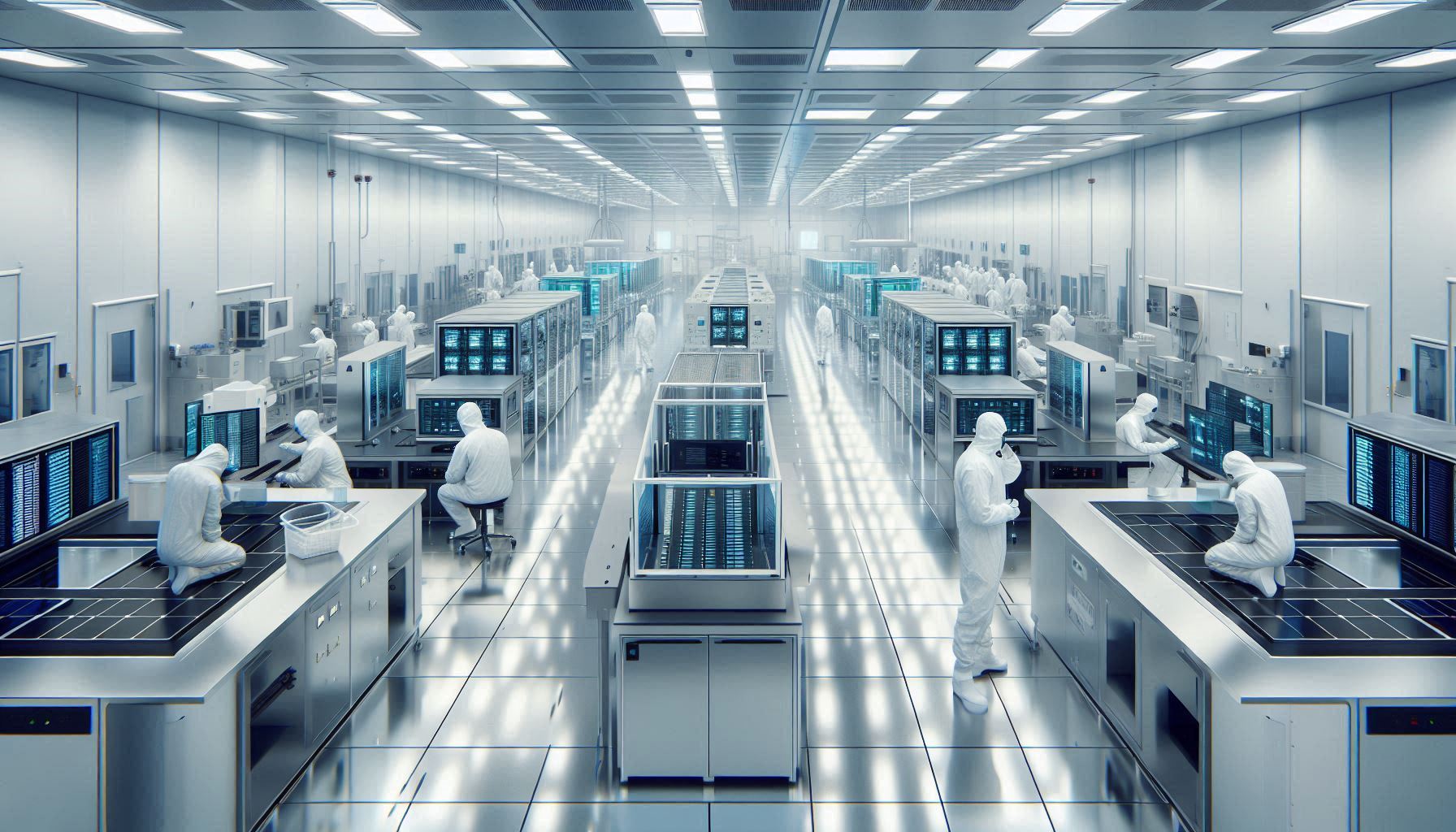
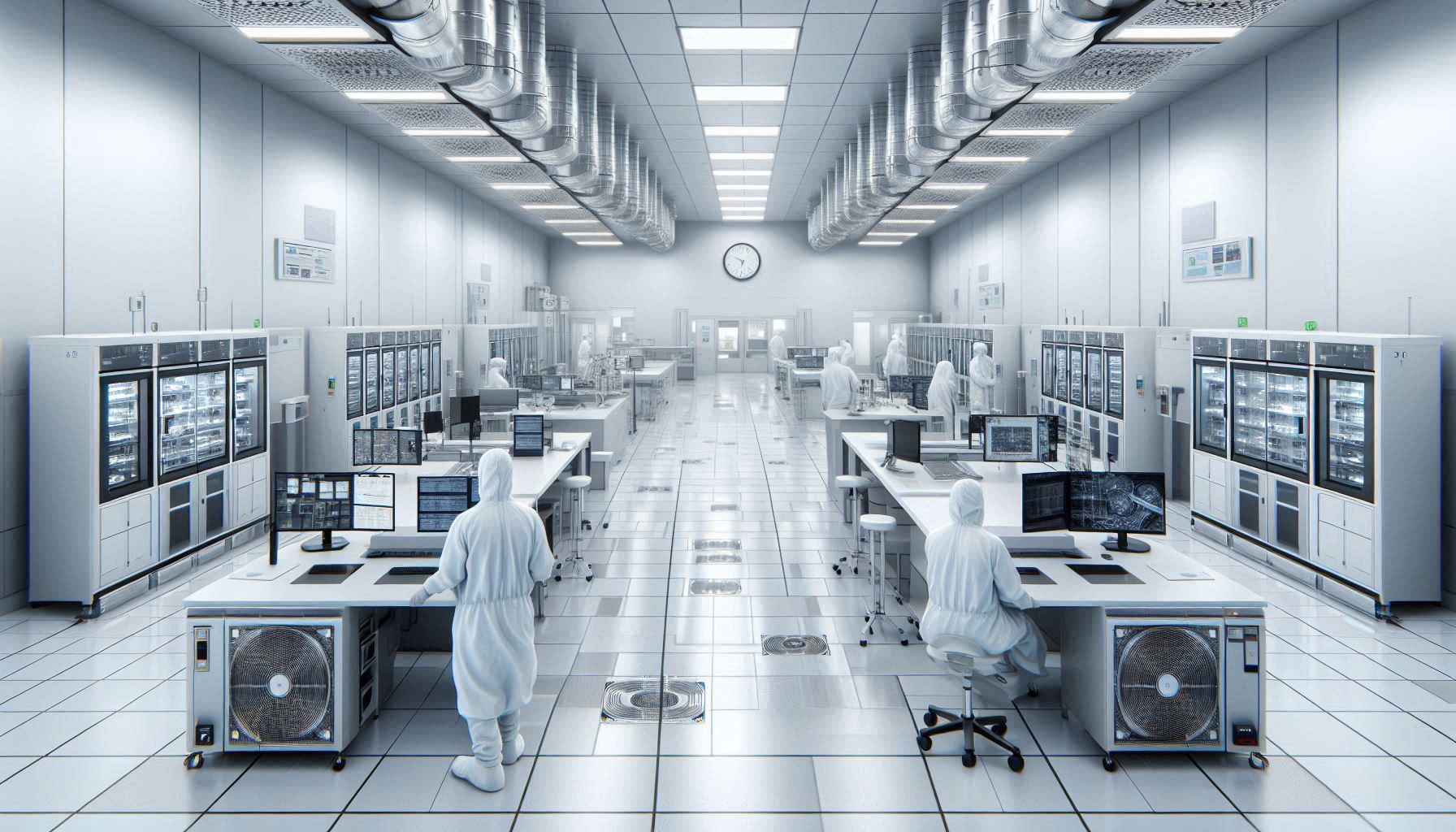
Cross-sectional view of a semiconductor clean room with advanced HVAC ducts, digital sensors, and real-time airflow visualizations

Introduction

In the high-stakes realm of semiconductor clean room manufacturing, precision is not merely desired—it is absolutely essential. At every stage of microchip production, from the deposition of thin films to the etching of intricate circuits, strict environmental control forms the backbone of success. At the core of this control are sophisticated HVAC (Heating, Ventilation, and Air Conditioning) systems. These systems do much more than simply regulate temperature and humidity; they create a delicate ecosystem wherein particulate contamination is strictly controlled, ensuring that every process step can meet the required levels of precision.

Semiconductor clean rooms—the highly controlled environments where integrated circuits and microchips are fabricated—rely on HVAC systems engineered to maintain not just a comfortable environment but an ultra-clean one. In such spaces, even airborne particles as small as 0.1 microns can be detrimental. Consequently, the HVAC system must handle tasks such as maintaining precise temperature and humidity levels, managing pressure differentials, and providing high-efficiency particulate removal. This chapter explores the diverse functions of HVAC systems within semiconductor clean rooms, examining the engineering complexities, innovative technologies, and industry best practices that enable these systems to achieve stringent performance standards the rigorous demands of modern semiconductor manufacturing.

The Unique Demands of Semiconductor Clean Room

Environmental Parameters and Clean Room Classifications

Semiconductor clean rooms are classified according to international standards—such as ISO 14644-1—that dictate the permissible number of airborne particles per cubic meter. For instance, an ISO Class 5 clean room restricts the number of particulate contaminants to an extremely low level, often measured in terms of particles per cubic meter for sizes of 0.5 microns and larger. Achieving such cleanliness is a formidable challenge that requires an integrated approach: advanced filtration systems, precisely controlled temperature, humidity sensors, and regulated airflow patterns all contribute to the overall environmental stability.

The stringent requirements of semiconductor fabrication processes—notably photolithography, chemical vapor deposition, and etching—necessitate an environment where uncontaminated air and consistent conditions are maintained at all times. Even minor fluctuations in temperature or moisture can lead to irreparable defects in the delicate patterns patterned on wafers. This underscores the necessity of an HVAC system that operates not only with precision but also with the ability to respond in real time to any perturbations in environmental conditions.

Dual Objectives: Cleanliness and Process Stability

A semiconductor clean room is responsible for both contaminant control and process stability. On the one hand, it must eliminate the risk of airborne particles interfering with the highly sensitive manufacturing processes. On the other hand, it is imperative that the environment remains thermally stable to support chemical reactions and other critical processes. HVAC systems must therefore be engineered to strike a balance between these two objectives. They are designed to continuously filter out contaminants while maintaining an equilibrium that supports the chemical and physical phenomena inherent in semiconductor fabrication.

The Multifaceted Role of HVAC Systems in Semiconductor Clean Room

HVAC systems in semiconductor clean rooms perform functions far beyond those of conventional building systems. Their roles can be broken down into several key areas, each of which is critical for achieving the desired manufacturing outcomes.

Temperature Regulation

Temperature control is a cornerstone of semiconductor production. Many processes, such as photolithography and annealing, require temperature variations to be kept within a range of just fractions of a degree. Modern HVAC systems employ highly sensitive thermocouples and variable-speed drives that enable them to adjust cooling or heating levels dynamically, maintaining a stable environment. Innovative solutions, which may include the use of cryogenic modules for extreme conditions, ensure that even under heavy thermal loads, the environment remains consistent. This is achieved through a combination of high-precision compressors, heat exchangers, and complex control algorithms that monitor and adjust conditions in real time.

Humidity Control

Alongside temperature, humidity is another vital parameter that must be maintained with extreme precision. Semiconductor manufacturing processes are acutely sensitive to moisture levels, where too much humidity can cause condensation issues and too little can lead to static charge buildups or material stress. HVAC systems in this context often include specialized dehumidification and humidification tools such as desiccant wheels and ultrasonic humidifiers. These devices work in concert, typically under the regulation of feedback loops fed by humidity sensors, to keep the relative humidity within narrow bounds prescribed for optimal process performance.

Airborne Particulate Filtration

One of the most critical functions of an HVAC system in a clean room is to remove airborne particulates. Advanced filtration systems, employing HEPA (High-Efficiency Particulate Air) and ULPA (Ultra-Low Penetration Air) filters, are integrated into the airflow systems. HEPA filters typically capture at least 99.97% of particles as small as 0.3 microns, whereas ULPA filters push the boundaries further by capturing up to 99.999% of submicron particles. These filters, when combined with optimized airflow—often via unidirectional laminar flow systems—ensure that any generated particulates are swiftly removed from the environment, thereby preserving the intrinsic cleanliness essential for semiconductor fabrication.

Pressure Differential Management and Zoning

Maintaining proper pressure differentials between different zones within a facility is crucial. Maintaining positive pressure in clean rooms prevents contaminated air from entering from surrounding spaces. Conversely, certain areas may require negative pressure to safely handle processes that might produce harmful byproducts. This zoned approach to environmental control further contributes to the overall integrity of the clean room. HVAC systems are configured not only to deliver the correct type of filtration and temperature control but also to generate and maintain the desired pressure profiles throughout the facility.

Integration of Advanced Technologies in HVAC Systems

Modern semiconductor manufacturing demands that HVAC systems are not static installations but dynamic facilities that evolve alongside technological advancements. Emerging trends in digital transformation—such as the use of smart sensors, AI-driven analytics, and digital twin simulations—are transforming how these systems are designed, monitored, and maintained.

Smart Sensors and IoT Connectivity

Recent advances in sensor technology have paved the way for the integration of Internet of Things (IoT) capabilities into HVAC systems. These smart sensors continuously monitor key environmental parameters such as temperature, humidity, airflow, and particle count. The data collected from these sensors is transmitted in real time to centralized control systems, enabling automated adjustments before minor discrepancies have a chance to affect the manufacturing process. This level of connectivity not only improves immediate responsiveness but also contributes to predictive maintenance strategies, where potential system issues can be identified and rectified before they lead to operational downtime.

Artificial Intelligence and Data-Driven Optimization

Artificial intelligence (AI) has found a significant role in modern HVAC management. By utilizing historical and real-time data, AI algorithms can forecast system trends and adjust operational parameters to optimize performance continuously. For example, AI-driven models can predict when filters are likely to become saturated, scheduling timely replacements or cleanings that preempt production interruptions. Additionally, AI can analyze ambient conditions and adjust HVAC settings to minimize energy consumption—a crucial factor given the continuous, energy-intensive operation of semiconductor fabrication facilities. The move toward AI-powered HVAC systems is not merely about automation; it represents a fundamental shift towards data-driven decision-making that enhances precision and efficiency.

Digital Twin Modeling for Predictive Analysis

Digital twin technology offers a revolutionary way to manage HVAC systems. By creating a virtual model of the physical HVAC infrastructure, engineers can simulate operational scenarios and test system responses without impacting live production processes. This technology allows for meticulous modeling of airflow, temperature distribution, and particulate movement, supporting engineers in planning upgrades and adjustments with unparalleled accuracy. Digital twin simulations can forecast the impact of changes—such as modifications to airflow patterns or alterations in building layout—thereby reducing the risk associated with live modifications. By leveraging these digital replicas, facilities can stay ahead of potential issues and maintain the stringent conditions required for semiconductor manufacturing.

Energy Efficiency and Sustainability Initiatives

Sustainability is becoming an increasingly critical focus in the semiconductor industry. With facilities running 24/7, energy efficiency is not only an environmental concern but also a considerable factor in operational costs. Advanced HVAC systems now incorporate features such as energy recovery ventilators (ERVs), which capture waste energy from exhaust air and utilize it to pre-condition the incoming fresh air. Variable speed drives allow compressors and fans to adjust dynamically to the real-time demands of the environment, reducing unnecessary energy consumption. These sustainable practices align with global environmental standards while ensuring that the clean room environment remains uncompromised.

Challenges in Designing and Maintaining HVAC Systems

Despite the significant technological advances, designing and maintaining HVAC systems for semiconductor clean rooms remains a complex challenge. Engineers must tackle a host of interconnected factors that range from integrating legacy components with modern systems to managing precise environmental controls under ever-changing operational conditions.

Striking the Balance: Precision vs. Flexibility

One of the foremost challenges in HVAC design for semiconductor applications is balancing the need for precise environmental control with the flexibility required by evolving manufacturing demands. Semiconductor processes are subject to rapid innovation, and facilities must be equipped with HVAC systems that can accommodate these advances without compromising the stability of the environment. Designing systems that are both adaptable and precise requires a modular approach, where components can be upgraded or reconfigured as needed, all while maintaining strict process conditions.

Also Read | Innovative HVAC for Semiconductor Manufacturing

Integrating New Technologies with Legacy Systems

Many semiconductor facilities operate in environments with existing HVAC infrastructure that may not have been designed for the current level of technological advancement. Upgrading these legacy systems to meet modern standards is technically challenging and, in some cases, cost-prohibitive. In these instances, hybrid solutions that integrate new IoT sensors, advanced filters, or AI-driven controls into older systems can provide incremental improvements. However, such integrations must be handled with care to avoid disrupting the intricate balance of environmental control already in place.

Ongoing Maintenance and Validation

In semiconductor manufacturing, HVAC systems operate continuously with little room for error. This demands strict, continuous maintenance and validation procedures. Regular testing of filters, sensors, and control systems is vital to ensure that every component of the HVAC system is functioning as required. Predictive maintenance, increasingly enabled by AI and IoT, plays an integral role in identifying and mitigating potential issues before they affect production. However, these processes require dedicated teams with specialized skills to analyze data, interpret complex system behaviors, and implement timely corrections.

Regulatory Compliance and Industry Standards

Semiconductor clean rooms must adhere to a multitude of international standards and guidelines that dictate every aspect of the environment—from ISO classifications to ASHRAE recommendations. Meeting these standards is a continuous process that demands not only technical precision but also a proactive approach to system upgrades and staff training. The dynamic nature of technology and production processes means that facilities must regularly review and update their HVAC systems to ensure compliance. Failure to maintain compliance not only risks production quality but can also result in severe financial or legal repercussions.

Hypothetical Case Study: Enhancing HVAC Performance in a Semiconductor Clean Room Facility

To illustrate the practical impact of advanced HVAC systems in semiconductor clean rooms without referencing any specific companies, consider the following hypothetical case study drawn from typical industry practices.

Also Read | Cleanroom Best Practices What You Need to Know

Background and Context

Imagine a semiconductor manufacturing facility facing challenges with environmental consistency. The facility is tasked with producing state-of-the-art microchips that demand exacting control over temperature, humidity, and particulate levels. Over time, the facility encounters issues where the existing HVAC infrastructure—designed for older technologies—struggles to maintain the required environmental parameters. Fluctuations in temperature, occasional spikes in humidity, and the presence of airborne particulates were beginning to affect production yields and process stability.

Identified Challenges

The primary issues confronting the facility were:

  • Inconsistent Temperature Control: Even minor deviations from the target range were causing variations in critical process parameters.
  • Humidity Variability: Due to the limitations of older humidification and dehumidification systems, the relative humidity fluctuated beyond the prescribed limits, thereby affecting sensitive process steps.
  • Inefficient Filtration: The facility’s outdated filtration systems were less effective in removing submicron particles, increasing the risk of contamination.
  • Energy Inefficiency: With significant energy consumption across a 24/7 operation, rising costs and sustainability concerns demanded a more efficient solution.
  • Limited Data Feedback: The absence of a modern sensor network led to delays in addressing deviations, reducing the overall responsiveness of the HVAC system.

Strategic Solutions Implemented

In response, the facility initiated a comprehensive upgrade program. The approach was multi-pronged:

  1. Modernization of HVAC Units: The existing units were replaced with systems featuring high-precision sensors, variable speed drives, and integrated control panels calibrated for real-time environmental adjustment.
  2. Installation of a Dynamic Sensor Network: A network of smart sensors was deployed, continuously monitoring parameters such as temperature, humidity, air velocity, and particulate levels. These sensors were interconnected through an IoT framework, feeding data to centralized control modules.
  3. Advanced Filtration and Airflow Redesign: Next-generation HEPA and ULPA filters were installed in conjunction with a re-engineered airflow system. The airflow was optimized to create a unidirectional (laminar) pattern that minimizes turbulence and efficiently removes contaminants.
  4. Integration of AI and Predictive Maintenance: Through the use of AI algorithms, historical data was analyzed to forecast maintenance needs. This proactive approach allowed the facility to schedule filter replacements and system calibrations before performance degraded significantly.
  5. Implementation of Energy Recovery Systems: Energy recovery ventilators (ERVs) were added to recapture waste energy from the exhaust air, pre-conditioning incoming air and thereby reducing overall energy consumption by a noteworthy margin.

Hypothetical Outcomes and Benefits

After the upgrade:

  • Temperature Consistency: The facility maintained temperature within exceptionally narrow tolerances, with deviations reduced to a fraction of a degree.
  • Improved Humidity Control: Optimized humidification systems kept the relative humidity within the ideal range, ensuring process reliability.
  • Enhanced Air Purity: Filtration improvements led to a significant reduction in airborne particles, thereby lowering the risk of contamination.
  • Operational Efficiency: Predictive maintenance not only minimized unscheduled downtime but also achieved substantial energy savings, contributing to better overall efficiency.
  • Real-Time Monitoring: The integrated sensor network enabled operators to address any process deviations almost instantaneously, ensuring consistent production quality.

Note: The above case study is entirely hypothetical and serves solely as an illustration of how advanced HVAC solutions can enhance operational performance in semiconductor clean rooms.

A Detailed Examination of HVAC System Components

To better appreciate how these systems create and maintain a pristine environment, it is helpful to explore the key components of a cleanroom HVAC system.

Air Handling Units (AHUs)

Air Handling Units serve as the main components tasked with circulating and conditioning substantial volumes of air throughout a clean room environment. In a semiconductor facility, AHUs are designed with multiple filtration stages, often incorporating both coarse and fine filters to ensure that contaminants are minimized at every step. High-rate fans and optimized ductwork help to distribute conditioned air uniformly across the facility, reducing the likelihood of dead zones where impurities might accumulate.

Advanced Filtration Modules

Filtration modules are crucial in the battle against airborne contaminants. Semiconductor clean rooms commonly employ HEPA and ULPA filters—each designed to capture particles at specific size thresholds. Some systems additionally include gas-phase filters capable of eliminating volatile organic compounds or chemical contaminants. This multi-tiered approach to filtration ensures that even the smallest particles are removed from the environment before they can affect production processes.

Temperature Control Modules

Temperature regulation in a semiconductor clean room is achieved by a symphony of chillers, heat exchangers, and auxiliary heating units. These components work in concert to dampen the impact of external temperature fluctuations and internal heat generation from processing equipment. Precision controls, coupled with high-grade sensors, allow the system to adjust continuously, ensuring that the thermal environment remains within the tightly controlled parameters required for optimal semiconductor processing.

Humidity Management Systems

Humidity management presents its own set of challenges, and modern HVAC systems tackle this using both dehumidification and humidification tools. Desiccant dehumidifiers systematically remove excess moisture from the air, while precision humidifiers inject calibrated amounts of water vapor to maintain the ideal relative humidity. This balance is imperative, as the wrong level of humidity can lead to either condensation or static discharge—both of which are harmful in an ultra-clean environment.

Integrated Control and Monitoring Platforms

The control platform forms the backbone of an advanced HVAC system. These systems integrate data from numerous sensors distributed throughout the facility, using sophisticated algorithms to monitor and adjust environmental conditions dynamically. Real-time feedback loops enable the system to pinpoint deviations from set parameters and respond accordingly, thereby safeguarding the delicate balance required for semiconductor fabrication.

The Broader Impact of Advanced HVAC Systems

Beyond providing a stable manufacturing environment, modern HVAC systems in semiconductor clean rooms offer a range of significant benefits that include:

Consistency and Process Reliability

By maintaining uniform conditions throughout the production area, advanced HVAC systems help ensure that every wafer and microchip is processed under identical conditions. This consistency is paramount in reducing variability and maximizing yield, leading to more reliable production outcomes.

Energy Efficiency and Cost Savings

Given the continuous operation of semiconductor facilities, energy consumption stands as a major operational cost. Contemporary HVAC systems incorporating energy recovery and intelligent controls can greatly minimize electricity consumption. Lower operational costs not only enhance profitability but also contribute to sustainability—a growing concern in today’s industrial landscape.

Enhanced Safety and Regulatory Compliance

The precise control over environmental conditions also helps facilities meet stringent regulatory standards and industry guidelines. By minimizing the risk of contamination and ensuring stable operating conditions, advanced HVAC systems can reduce equipment wear and prevent costly recalls or compliance issues.

Enabling Future Innovations

As semiconductor manufacturing evolves, the HVAC systems that support it must also adapt. Future-oriented technologies—such as AI, IoT, and digital twin models—transform these systems into proactive, data-driven components of a broader manufacturing ecosystem. This adaptability not only supports current production needs but also lays the foundation for incorporating tomorrow’s innovations.

Emerging Trends and Future Directions

Technology in semiconductor manufacturing, along with the supporting environments, is advancing at an extraordinary rate. A few emerging trends are poised to further transform the role of HVAC systems in clean rooms:

Digital Transformation and System Integration

The integration of digital technologies across all aspects of the manufacturing process is arraying an entirely new operational paradigm. In this landscape, HVAC systems are evolving from standalone environmental controllers to integrated components of a larger, interconnected facility management system. Future implementations could see these systems directly interfacing with production lines, quality control platforms, and energy management software, ensuring a holistic approach to operational efficiency.

Increased Emphasis on Sustainability

Environmental sustainability is no longer a secondary concern—it is a primary driver behind many technological advancements. As facilities look to reduce their carbon footprints, the role of energy-efficient HVAC systems becomes even more critical. Future systems are likely to feature even higher levels of energy recovery, adaptive load management, and integration with renewable energy sources, all of which contribute to a greener manufacturing process.

Predictive and Preventative Maintenance

The adoption of AI-driven predictive maintenance is set to become a standard practice in the coming years. By analyzing historical and real-time data, HVAC systems will not only anticipate failures but also guide technicians in performing maintenance before any noticeable degradation in performance occurs. This proactive approach minimizes downtime and ensures that operational conditions remain within the required tolerances at all times.

Advancements in Simulation and Modeling

Digital twin technology is expected to see broader adoption, allowing for real-time simulation of HVAC performance under various scenarios. This not only aids in proactive maintenance but also provides a platform for testing potential upgrades or process modifications without risking production quality. Enhanced simulation techniques will offer deeper insights into airflow dynamics and environmental stability, enabling even more precise control over clean room conditions.

Reflective Outlook: The Future of HVAC in Semiconductor Clean Room

As this chapter comes to a close, it is clear that the evolution of HVAC systems is intricately linked to the advancements in semiconductor manufacturing. The journey from a traditional, static system to a highly dynamic, integrated solution is driven by a need for precision, energy efficiency, and seamless data integration. Every improvement in clean room HVAC technology translates directly into enhanced production yields, lower operational costs, and heightened compliance with rigorously defined industry standards.

The continuing integration of AI, IoT, and digital twin technologies signals a future where HVAC systems are not only reactive but also predictive, adapting in real time to the changing needs of semiconductor fabrication. As global demand for high-performance electronics rises, so too does the need to refine the electrical, mechanical, and digital aspects of clean room environments. The HVAC system, far from being an ancillary support service, is rapidly emerging as the beating heart of semiconductor manufacturing—a critical element that drives both innovation and operational excellence.

Concluding Reflections

Ultimately, the role of HVAC systems in semiconductor clean rooms cannot be overstated. They act as the critical enablers that harmonize a myriad of factors—from thermal consistency to particulate control—into a cohesive process environment. By embracing modern technologies and integrating sustainable practices, these systems ensure that the most delicate manufacturing processes can be carried out under optimal conditions.

As the semiconductor industry continues to evolve and its production requirements grow ever more demanding, the sophistication of corresponding HVAC solutions will also need to keep pace. Future developments are likely to further refine these systems, incorporating real-time analytics, predictive maintenance, and seamless integration with broader manufacturing ecosystems. The journey from concept to execution in clean room technology is one of continuous innovation, where every fraction of a degree and every micron of filtration can make a significant difference.

Disclaimer:

The content here is intended solely for educational and informational purposes. All case studies, examples, and hypothetical scenarios are illustrative in nature and do not refer to, endorse, or represent any actual company, organization, or product. Any similarity to real-world entities or events is purely coincidental. Readers are encouraged to verify any technical details or operational recommendations with additional, independent research prior to implementation. The author and publisher assume no responsibility or liability for any errors, omissions, or outcomes resulting from the use of this material.

AC Comfort and Energy Costs: How Rising Heat Drives Usage

High energy consumption due to air conditioning during extreme heat.

As global temperatures rise, the demand for AC comfort has surged across homes, offices, and industries. In India, where summers regularly cross 45°C, air conditioning is no longer a luxury—it’s a necessity.

However, this growing reliance on cooling systems comes with a steep energy cost. According to the International Energy Agency (IEA), space cooling will account for 10% of global electricity use by 2050, up from just 3% today.

This trend raises an urgent question: How do we balance the need for comfort with sustainable energy use?

How AC Comfort Is Driving Up Electricity Prices

The widespread use of air conditioners directly impacts electricity demand—and prices. During peak summer months:

  • Power grids face heavy load stress.
  • Utilities may impose time-of-use pricing or peak-hour surcharges.
  • Consumers end up paying more per unit of electricity.

In cities like Delhi and Mumbai, households report a 40–60% increase in monthly bills during the summer season, largely due to extended AC usage.

The Growing Demand for AC Comfort: Energy Implications

India’s cooling demand is expected to grow 8x by 2050, according to the Bureau of Energy Efficiency (BEE). This surge affects not only residential users but also:

  • Commercial buildings: High-rise offices rely heavily on central AC systems.
  • Hospitals: Operation theatres require constant temperature and humidity control.
  • Data Centers: Cooling systems use up almost 40% of their total energy.

Without efficient systems in place, this growth could lead to unsustainable energy consumption and higher carbon emissions.

Balancing AC Comfort and Cost: What You Need to Know

Achieving AC comfort without breaking the bank requires smart strategies:

  • Install programmable thermostats to prevent overcooling empty spaces.
  • Set temperatures between 24–26°C—cooler settings drastically increase power consumption.
  • Invest in BEE 5-star rated ACs that offer better efficiency and lower long-term costs.

A Bengaluru-based IT firm reported a 25% reduction in cooling costs after retrofitting with variable-speed AC units and occupancy sensors.

The Impact of AC Comfort on Commercial Electricity Rates

For businesses, rising AC usage translates into increased operational expenses. Many commercial consumers in India are shifting to smart metering and demand-side management to monitor and control cooling loads effectively.

Key insights:

  • Time-based tariffs charge more for using excess power during peak hours.
  • Energy audits help identify inefficiencies in HVAC systems.
  • Demand response plans help businesses cut energy use when the grid is under pressure.

A Gurgaon mall cut its annual cooling bill by ₹18 lakh using AI-driven HVAC optimization tools.

Optimizing AC Comfort While Reducing Energy Expenses

Smart technologies are reshaping how we manage AC comfort:

  • Variable Refrigerant Flow (VRF) Systems: Offer zone-based cooling and can reduce energy use by up to 30%.
  • Building Automation Systems (BAS): Enable real-time monitoring and adjustment of indoor climate conditions.
  • Smart AC Controllers: Allow remote control via mobile apps, helping users manage usage even when away.

These innovations ensure comfort without waste, especially in large-scale applications like hospitals and data centers.

AC Comfort and Smart Meter Pricing: Managing Costs Efficiently

With the rollout of smart meters across Indian cities, consumers now have greater visibility into their energy use. These devices:

  • Track hourly consumption.
  • Provide alerts for excessive usage.
  • Help users shift AC operation to off-peak hours when electricity rates are lower.

For example, a Pune-based apartment complex reduced summer cooling costs by 22% by leveraging smart meter insights to adjust thermostat settings automatically.

Also Read | Energy Efficient AC Unit: How to Maintain To Run Efficiently During Hot Weather

Ducted vs. Split Systems: Which AC Comfort Option Saves More Energy?

Choosing the right system impacts both comfort and cost:

  • Split ACs: Best for single rooms; energy-efficient for localized cooling.
  • Ducted ACs: Ideal for whole-house or office cooling but tend to consume more energy if not properly zoned.

Pro tip: Use zoned ducted systems with smart controls to cool only occupied areas—this can save up to 25% in energy costs.

Also Read | Aircon Service Near Me: Comparing the Best Nearby Services

Future-Proofing AC Comfort: Sustainable Cooling Solutions

Sustainability must be at the heart of future cooling strategies:

  • Solar-powered AC systems: Especially viable in sun-rich regions like Rajasthan and Gujarat.
  • Green building certifications: LEED, IGBC, and ECBC encourage energy-efficient HVAC design.
  • Natural ventilation integration: Helps reduce reliance on mechanical cooling.

The goal is to provide AC comfort while minimizing environmental impact—a challenge that smart engineering and policy support can overcome.

Navigating AC Comfort Costs in a Warming Climate

As climate change intensifies, managing AC comfort will become increasingly complex. The key lies in adopting smarter, more efficient technologies today to ensure affordability and sustainability tomorrow.

Whether you’re a homeowner, facility manager, or business owner, understanding how AC usage impacts your energy bill is the first step toward smarter cooling.

About the Author
Mr. Om Prakash is a seasoned HVAC expert with over 18 years of experience in cleanroom, pharmaceutical, semiconductor, and data center HVAC systems. As the founder of HVAC Technocrat, he offers end-to-end consultancy and customized solutions across India. He simplifies complex HVAC concepts to help professionals and facility managers make informed decisions.

Connect with him on LinkedIn or visit www.hvactechnocrat.com for expert guidance.

HVAC for Data Centers: Essential Needs and Best Practices

An advanced HVAC system installed in a modern data center

The HVAC for data centers is a cornerstone of modern IT infrastructure, ensuring that servers, storage systems, and networking equipment operate efficiently without overheating or succumbing to environmental risks. Maintaining temperatures between 18°C and 24°C and relative humidity levels between 40% and 60% is crucial for preventing condensation or static electricity buildup, which can damage sensitive electronic components. Additionally, standards like TIA-942 mandate redundancy in HVAC systems for Tier 1, 2, 3, and 4 data centers to ensure uninterrupted operations. In this article, we’ll explore the essential needs and best practices for HVAC for data centers, focusing on innovative solutions like underfloor cooling, in-row cooling, and smart rack cooling systems.

What Is HVAC for Data Centers?

HVAC in a data center refers to specialized systems designed to regulate temperature, humidity, and air quality within the facility. These systems are tailored to meet the unique demands of IT infrastructure, ensuring precise environmental control to prevent overheating, moisture-related issues, and contamination. Unlike traditional HVAC systems, HVAC for data centers often employs advanced technologies such as underfloor cooling, in-row cooling, and containment strategies to maximize efficiency. For instance, a facility in Bengaluru implemented in-row cooling units like these, achieving a 25% reduction in energy consumption.

Additionally, redundancy planning is critical for data centers. TIA-942 standards require backup systems for Tier 3 and Tier 4 facilities to handle failures without downtime. This ensures reliability and scalability, making HVAC systems indispensable for modern data centers.

How Do You Calculate HVAC in a Data Center?

Calculating HVAC requirements for a data center involves assessing heat loads generated by IT equipment, lighting, and human activity. A common formula is ( Q = P x 3.412 ), where ( Q ) represents heat load in BTU/hr and ( P ) is the power consumption in kW. Adding a safety margin ensures the system can handle unexpected spikes in heat generation.

For example, a data center in Hyderabad calculated its heat load using CFD analysis (computer-based airflow simulations) and integrated AI-driven controls to optimize cooling distribution here. Such precision helps reduce energy waste while maintaining optimal conditions.

HVAC for Data Centers in India

India’s growing IT sector has led to a surge in demand for HVAC for data centers. Cities like Hyderabad, Pune, and Chennai are becoming hubs for cloud computing and big data analytics, driving the need for advanced cooling solutions. Indian data centers face unique challenges, including high ambient temperatures and fluctuating power supply, which necessitate robust HVAC systems.

For instance, a data center in Chennai adopted geothermal cooling systems like these to reduce reliance on grid electricity. Similarly, facilities in Mumbai have implemented solar-powered HVAC units, cutting operational costs by up to 40%.

HVAC for Data Centers PDF

For professionals seeking detailed insights, numerous organizations publish comprehensive guides on HVAC for data centers in PDF format. These documents cover design principles, energy efficiency strategies, and compliance with international standards like ASHRAE and TIA-942. For example, ASHRAE’s guidelines emphasize the importance of maintaining specific temperature and humidity ranges to protect IT equipment.

If you’re looking for practical resources, explore materials like the ultimate guide to ISO Class 5 cleanrooms or the comprehensive guide to chiller types.

Data Center HVAC Companies

  • Leading Providers :
    • Companies like Black Box Corporation, Climaveneta Climate Technologies, and Emerson Electric are renowned for delivering energy-efficient and reliable cooling systems tailored to IT infrastructure.
    • Other notable names include Fujitsu, Hitachi, and Schneider Electric, which integrate smart technologies such as AI-driven controls and IoT-enabled sensors to optimize performance.
  • Specialized Solutions :
    • STULZ GmbH and Vertiv focus on advanced in-row and smart rack cooling systems, ensuring targeted airflow for high-density server environments.
    • Rittal and Nortek Air Solutions are known for modular designs, offering scalability and flexibility for growing data centers.
  • Compliance and Standards :
    • These companies adhere to international standards like ASHRAE and TIA-942, ensuring reliability and compliance in data center HVAC systems.
  • Sustainability Initiatives :
    • Many providers prioritize eco-friendly technologies, incorporating solutions like geothermal cooling and solar-powered units like these .
  • Industry Impact :
    • Their innovations are reshaping the future of data center HVAC, making systems more efficient, adaptable, and environmentally friendly.

Data Center HVAC Jobs

The demand for skilled professionals in data center HVAC jobs is growing rapidly. Roles range from HVAC technicians and engineers to project managers and consultants. Key responsibilities include designing, installing, and maintaining cooling systems, ensuring compliance with standards like TIA-942, and optimizing energy efficiency.

For instance, a technician in Hyderabad gained expertise by working on pharmaceutical cleanroom projects, which opened doors to higher-paying roles in data centers. Explore HVAC training programs like these to enhance your career prospects.

Data Center HVAC Design Course

Specialized courses on data center HVAC design equip professionals with the skills needed to create efficient and reliable cooling systems. Topics typically include heat load calculations, airflow management, and compliance with international standards like ASHRAE and TIA-942.

For example, a course in Bengaluru focuses on emerging trends like AI-driven optimization and geothermal cooling here. Such training ensures participants stay ahead in a competitive industry.

Data Center HVAC Manufacturers

Leading manufacturers play a pivotal role in advancing HVAC for data centers. These companies develop cutting-edge technologies like in-row cooling units, smart rack cooling systems, and geothermal HVAC solutions. For instance, a manufacturer in Chennai introduced energy-efficient chillers, helping facilities reduce operational costs significantly.

Collaborations between manufacturers and data center operators are driving innovation, with a focus on sustainability and energy efficiency here.

Types of Data Center Cooling Systems

Data centers employ various cooling systems tailored to their specific needs:

Underfloor Cooling

Underfloor cooling systems distribute cold air through raised floors, ensuring consistent airflow across server racks. This approach is particularly effective for large-scale facilities.

In-Row Cooling

In-row cooling units are placed directly between server racks, providing targeted cooling to high-density areas. For example, a facility in Pune reduced energy consumption by 30% after adopting in-row cooling here.

Smart Rack Cooling

Smart rack cooling systems use sensors and AI-driven controls to optimize airflow and temperature distribution. These systems are gaining popularity due to their efficiency and scalability.

Emerging Trends in Data Center HVAC

Several trends are reshaping HVAC for data centers, offering exciting opportunities for innovation:

AI-Powered Optimization

Artificial intelligence is transforming HVAC operations by enabling predictive maintenance and real-time adjustments. For instance, an AI-driven chiller plant in Mumbai optimized energy usage, achieving a 20% reduction in cooling costs here.

Sustainability Initiatives

Green building certifications like LEED and IGBC are encouraging data centers to adopt sustainable HVAC solutions. Geothermal cooling and energy recovery ventilators (ERVs) are becoming popular choices for reducing carbon footprints here.

Modular Designs

Modular HVAC systems offer scalability and flexibility, allowing data centers to expand their cooling capacity as needed. This approach ensures long-term adaptability without compromising efficiency.

Case Studies: Real-World Applications

To illustrate the impact of innovative HVAC solutions, consider these examples:

  • Bengaluru Facility: Achieved 30% cooling efficiency improvement using in-row cooling configurations.
  • Hyderabad Data Center: Reduced energy consumption by 25% after integrating AI-driven chiller plants.
  • Gujarat Setup: Cut reliance on grid electricity by 40% using solar-powered HVAC systems.

FAQs: HVAC for Data Centers

What is HVAC in a data center?

HVAC in a data center refers to systems that regulate temperature, humidity, and air quality to protect IT equipment from overheating and environmental risks.

How do you calculate HVAC in a data center?

Use formulas like ( Q = P x 3.412 ), where ( Q ) represents heat load in BTU/hr and ( P ) is the power consumption in kW. Add a safety margin for unexpected spikes.

HVAC for data centers in India?

Indian data centers increasingly adopt geothermal and solar-powered HVAC systems to address high ambient temperatures and fluctuating power supply.

HVAC for data centers PDF?

Comprehensive guides on HVAC for data centers are available from organizations like ASHRAE, covering design principles and energy efficiency strategies.

Data center HVAC companies?

Leading companies specialize in energy-efficient systems, redundancy planning, and compliance with industry standards like ASHRAE and TIA-942.

Data center HVAC jobs?

Roles range from HVAC technicians and engineers to project managers, with key responsibilities including system design, installation, and maintenance.

Data center HVAC design course?

Courses focus on heat load calculations, airflow management, and compliance with international standards like ASHRAE and TIA-942.

Data center HVAC manufacturers?

Manufacturers develop cutting-edge technologies like in-row cooling units, smart rack cooling systems, and geothermal HVAC solutions.

Types of data center cooling systems?

Common types include underfloor cooling, in-row cooling, and smart rack cooling systems.

Disclaimer

Some links in this article are affiliate links, such as those for Amazon products. These may generate a small commission at no extra cost to you, supporting our work. We never compromise editorial integrity for partnerships.

About the Author

Mr. Om Prakash, with over 18 years of hands-on experience in the HVAC industry, brings unmatched expertise in cleanroom, pharmaceutical, semiconductor, data center, commercial, and industrial HVAC systems. As the founder of HVAC Technocrat, he specializes in customized HVAC design, energy efficiency audits, retrofit planning, and turnkey consultancy services across India. His deep understanding of critical environments and complex building needs ensures every solution is efficient, reliable, and future-ready. Through his writings, he simplifies HVAC concepts and shares real-world insights to support professionals, facility managers, and decision-makers. For any enquiries or project support, feel free to call or WhatsApp at +91 9908091942, email at hvactechnocrats@gmail.com, or visit www.hvactechnocrat.com.

Innovative Cleanrooms for Modern Manufacturing

A modern cleanroom with advanced HVAC systems

Cleanrooms are essential in today’s manufacturing world, ensuring high precision, product quality, and compliance with strict industry standards. These controlled environments are essential for industries like semiconductor fabrication, pharmaceutical production, and R&D labs, where even the smallest particle can disrupt processes or compromise product integrity. HVAC systems are at the heart of cleanroom design, regulating temperature, humidity, and air quality to maintain optimal conditions. In this article, we’ll explore how innovative cleanroom technologies are transforming modern manufacturing, focusing on applications such as chip and wafer production, pharmaceuticals, and beyond. We’ll also highlight the core services I specialize in, with HVAC being the main area of expertise.

The Role of Cleanrooms in Semiconductor Manufacturing

Among the most challenging environments for cleanrooms is semiconductor manufacturing, where even the tiniest particle can impact performance. Producing chips and wafers requires an environment free from contaminants, as even microscopic particles can cause defects in these highly sensitive components. To meet these demands, ISO Class 5 cleanrooms are commonly used in semiconductor fabrication facilities, allowing no more than 100 particles per cubic foot of air.

HVAC systems in these cleanrooms ensure precise temperature and humidity control, often maintaining levels within ±2% of the desired range. For example, a semiconductor facility in Hyderabad achieved ISO Class 5 compliance by integrating advanced filtration systems like these, significantly improving yield rates.

Additionally, innovations like desiccant wheels are being used to regulate humidity, especially in tropical climates. This technology ensures that moisture levels remain low, preventing condensation on sensitive equipment.

Cleanrooms in Pharmaceutical Manufacturing

The pharmaceutical industry relies heavily on cleanrooms to maintain sterile environments for drug formulation and packaging. Regulatory bodies like the FDA and WHO mandate strict cleanliness standards to ensure product safety and efficacy. HVAC systems in pharmaceutical cleanrooms focus on controlling airborne particles, temperature, and relative humidity to prevent contamination risks.

For instance, a pharma company in Pune reduced particle counts in its cleanroom by adopting pressure differential controls and HEPA filters here. Such measures are crucial for producing high-quality medicines, vaccines, and biologics.

Moreover, advancements in automation and sustainability are reshaping pharmaceutical cleanroom designs. Energy-efficient HVAC systems not only reduce operational costs but also align with global green building initiatives like LEED and IGBC.

R&D Labs: The Backbone of Innovation

Research and development laboratories also rely heavily on cleanrooms to maintain sterile and controlled conditions for critical experiments. Whether it’s developing new materials, testing prototypes, or conducting experiments, R&D environments require consistent climate control to ensure accurate results. For example, a lab in Bengaluru working on nanotechnology research implemented a custom HVAC solution to maintain ultra-low particle counts, enabling groundbreaking discoveries.

Transitioning to smart HVAC systems has further enhanced the capabilities of R&D cleanrooms. IoT-enabled sensors and AI-driven controls allow real-time monitoring and adjustments, ensuring optimal conditions at all times here.

Emerging Technologies in Cleanrooms HVAC

Several emerging technologies are revolutionizing cleanrooms and their HVAC systems:

AI-Powered Optimization

Artificial intelligence is transforming HVAC operations by enabling predictive maintenance and real-time performance monitoring. For instance, an AI-driven chiller plant in a data center reduced energy consumption by 25% while enhancing cooling efficiency here.

Geothermal Cooling

Geothermal HVAC systems are gaining popularity due to their ability to harness the earth’s natural thermal properties. These systems are particularly effective in regions with extreme climates, offering sustainable and cost-effective cooling solutions here.

Solar-Powered HVAC Units

Pairing HVAC systems with solar panels helps reduce dependence on grid power, making cleanroom operations more energy-efficient and eco-friendly. A facility in Gujarat installed solar-powered units, cutting energy costs by 40%.

Challenges and Solutions in HVAC for Cleanrooms

While cleanrooms offer immense benefits, they come with challenges that must be addressed:

High Energy Consumption

Cleanrooms consume significantly more energy than conventional spaces due to continuous operation and strict environmental controls. To mitigate this, facilities are adopting energy recovery ventilators (ERVs) and variable air volume (VAV) systems here.

Regulatory Compliance

Compliance with national and international standards, such as ECBC and ASHRAE, adds complexity to cleanroom design. Staying updated on evolving regulations ensures long-term success.

Skilled Workforce Shortage

The growing demand for advanced HVAC systems has created a gap in skilled professionals. Specialized training and industry certifications play a key role in closing the skills gap and ensuring cleanroom systems are properly managed.

Case Studies: Real-World Applications

To illustrate the impact of innovative cleanroom solutions, consider these examples:

  • Semiconductor Facility in Hyderabad: This facility achieved ISO Class 5 standards by implementing advanced filtration and desiccant-based dehumidification systems.
  • Pharmaceutical Plant in Pune: Reduced contamination risks by implementing pressure differential controls and HEPA filters.
  • R&D Lab in Bengaluru: Enhanced research capabilities with a custom HVAC system designed for ultra-low particle counts.

FAQs: Cleanrooms

What is the role of HVAC in cleanrooms?

HVAC systems regulate temperature, humidity, and air quality in cleanrooms, ensuring optimal conditions for manufacturing and research.

Why are cleanrooms important in semiconductor manufacturing?

In semiconductor manufacturing, cleanrooms help eliminate contaminants during chip and wafer production, which leads to better product quality and fewer defects.

How do HVAC systems contribute to pharmaceutical cleanrooms?

For pharmaceutical production, HVAC systems regulate temperature, humidity, and airborne particles, ensuring the clean, sterile environment needed for safe drug manufacturing.

What are the challenges in designing cleanroom HVAC systems?

Key challenges include high energy consumption, regulatory compliance, and the need for skilled professionals.

What are some emerging trends in cleanroom HVAC?

Trends include AI-powered optimization, geothermal cooling, and solar-powered HVAC units.

Where can I learn more about cleanroom HVAC standards?

Explore resources like the ultimate guide to ISO Class 5 cleanrooms for detailed insights.

Disclaimer

Some links in this article are affiliate links, such as those for Amazon products. These may generate a small commission at no extra cost to you, supporting our work. We never compromise editorial integrity for partnerships.

About the Author

Mr. Om Prakash, with over 18 years of hands-on experience in the HVAC industry, brings unmatched expertise in cleanroom, pharmaceutical, semiconductor, data center, commercial, and industrial HVAC systems. As the founder of HVAC Technocrat, he specializes in customized HVAC design, energy efficiency audits, retrofit planning, and turnkey consultancy services across India. His deep understanding of critical environments and complex building needs ensures every solution is efficient, reliable, and future-ready. Through his writings, he simplifies HVAC concepts and shares real-world insights to support professionals, facility managers, and decision-makers. For any enquiries or project support, feel free to call or WhatsApp at +91 9908091942, email at hvactechnocrats@gmail.com, or visit www.hvactechnocrat.com.

HVAC Market: Semiconductor Driving Growth in India by 2030

Graph showing projected growth of the HVAC market in India by 2030

The HVAC market by 2030 is expected to witness unprecedented growth, with India emerging as a key player. The Indian HVAC industry, currently valued at approximately USD 11.93 billion as of 2024, is projected to grow at a compound annual growth rate (CAGR) of 12% over the next six years. This surge is fueled by several factors, including the rapid expansion of the semiconductor industry, the proliferation of data centers, and increasing demand in residential and commercial sectors. But what does this mean for the future of HVAC in India, and how will it shape the global landscape? Let’s explore this dynamic growth from multiple angles.

The Role of Semiconductors in HVAC Market Expansion

Semiconductors are at the heart of modern technology, driving innovation across industries like telecommunications, automotive, and consumer electronics. In India, the government’s push for semiconductor manufacturing has created a ripple effect, boosting the HVAC industry growth. Cleanrooms, which are essential for semiconductor fabrication, require highly specialized HVAC systems to maintain precise temperature, humidity, and air quality levels. As India positions itself as a hub for semiconductor production, the demand for advanced HVAC solutions is skyrocketing.

For instance, a leading semiconductor facility in Hyderabad reportedly reduced its energy consumption by 25% after implementing cutting-edge HVAC technologies tailored for cleanroom environments. This highlights not just the importance of HVAC systems but also their role in promoting sustainability within high-tech industries.

Data Centers: A Catalyst for HVAC Market and Innovation

Another significant contributor to the HVAC market by 2030 is the rise of data centers. With digital transformation accelerating globally, India has become a hotspot for cloud computing and IT services. Data centers generate immense heat, necessitating robust cooling solutions. Companies are now investing in AI-driven HVAC systems that optimize energy efficiency while maintaining optimal operating conditions.

A case study from Bengaluru illustrates this trend perfectly. A major data center implemented an AI-powered chiller plant that improved cooling efficiency by 30%, significantly reducing operational costs. Such innovations underscore the potential for growth in the HVAC sector, particularly in regions experiencing rapid technological advancements.

Residential and Commercial HVAC Trends

On the domestic front, the air conditioner market size in India is expanding rapidly due to urbanization and rising disposable incomes. Consumers are increasingly seeking energy-efficient models that offer both comfort and cost savings. According to ISHRAE standards, energy-efficient HVAC units can reduce electricity bills by up to 40%, making them an attractive option for homeowners and businesses alike.

Moreover, the commercial real estate boom in cities like Mumbai, Delhi, and Chennai has further propelled the HVAC industry in India. Modern office complexes prioritize indoor air quality and thermal comfort, aligning with international benchmarks such as LEED and IGBC certifications. These trends indicate a promising outlook for HVAC companies operating in the country.

Challenges Facing the HVAC Industry

Despite its vast potential, the HVAC market by 2030 faces several challenges. One major hurdle is the lack of skilled professionals capable of designing and maintaining sophisticated systems. Additionally, regulatory compliance remains a concern, especially when adhering to national codes like BIS and ECBC or international standards like ASHRAE.

Energy consumption is another pressing issue. While advancements in smart thermostats and variable refrigerant flow (VRF) systems have enhanced efficiency, there’s still room for improvement. For example, retrofitting older buildings with modern HVAC technologies could unlock substantial energy savings, yet many property owners hesitate due to upfront costs.

Key Players Shaping the HVAC Landscape

Several prominent HVAC companies in India are leading the charge in innovation. These firms are leveraging IoT, machine learning, and renewable energy integration to develop sustainable solutions. Some are even exploring geothermal HVAC systems, which harness natural heat from the earth to provide eco-friendly cooling and heating.

Collaborations between Indian and global players are also fostering knowledge exchange and technological breakthroughs. Such partnerships are crucial for addressing the unique climatic and infrastructural needs of the Indian market.

Future Outlook: What Lies Ahead for the HVAC Market?

So, how big is the HVAC market in 2030? Estimates suggest it could exceed USD 25 billion in India alone, driven by ongoing industrialization, urbanization, and policy support. The future of the HVAC market lies in embracing emerging technologies like AI, predictive maintenance, and carbon-neutral designs. Furthermore, the focus on green building initiatives under programs like IGBC and GRIHA will continue to propel demand for sustainable HVAC solutions.

To stay competitive, HVAC companies must adopt a customer-centric approach, offering tailored solutions that address specific pain points. Whether it’s enhancing indoor air quality in schools or optimizing energy use in commercial spaces, the opportunities are endless.

FAQs About the HVAC Market by 2030

What is the future of the HVAC market?
The future of the HVAC market is bright, with innovations in AI, IoT, and sustainability driving growth. By 2030, we can expect smarter, greener, and more efficient systems.

How big is the HVAC market in 2030?
The Indian HVAC market is projected to surpass USD 25 billion by 2030, growing at a CAGR of 12%.

What are the top HVAC companies in India?
While brand names aren’t disclosed here, leading HVAC companies in India specialize in energy-efficient systems, smart controls, and sustainable designs.

Where can I find an HVAC industry report PDF?
Industry reports are available through research portals like Statista, Mordor Intelligence, and ResearchAndMarkets, providing detailed insights into market trends and forecasts.

What is the air conditioner market size in India?
As of 2024, the air conditioner market in India is valued at over USD 6 billion, with steady growth expected through 2030.

Why is the HVAC industry growing in India?
Factors include the semiconductor boom, data center expansion, urbanization, and increased awareness about energy efficiency and indoor air quality.

Disclaimer

Some links in this article are affiliate links, such as those for Amazon products. These may generate a small commission at no extra cost to you, supporting our work. We never compromise editorial integrity for partnerships.

About the Author

Mr. Om Prakash, with over 18 years of hands-on experience in the HVAC industry, brings unmatched expertise in cleanroom, pharmaceutical, semiconductor, data center, commercial, and industrial HVAC systems. As the founder of HVAC Technocrat, he specializes in customized HVAC design, energy efficiency audits, retrofit planning, and turnkey consultancy services across India. His deep understanding of critical environments and complex building needs ensures every solution is efficient, reliable, and future-ready. Through his writings, he simplifies HVAC concepts and shares real-world insights to support professionals, facility managers, and decision-makers. For any enquiries or project support, feel free to call or WhatsApp at +91 9908091942, email at hvactechnocrats@gmail.com, or visit www.hvactechnocrat.com.

HVAC Jobs: Tips for Finding the Best Opportunities Near You

An HVAC Planning Manager inspecting a commercial air conditioning system

The demand for skilled professionals in HVAC jobs is growing rapidly, driven by advancements in technology and the increasing need for energy-efficient climate control systems. Whether you’re a fresher exploring entry-level roles or an experienced technician seeking specialized positions, understanding the nuances of HVAC jobs can help you find the best opportunities near you. In this article, we’ll explore what HVAC means for a job, the qualifications required, career prospects, salary expectations, and how to secure rewarding roles in cities like Hyderabad. We’ll also address common questions such as “What’s the highest paying HVAC job?” and “Is HVAC a good career?”

What Does HVAC Mean for a Job?

HVAC stands for Heating, Ventilation, and Air Conditioning. For those pursuing HVAC jobs, this field involves designing, installing, maintaining, and repairing systems that regulate indoor environments. These systems are critical in various industries, including residential, commercial, pharmaceutical, and data centers. For instance, HVAC technicians working in data centers ensure precise temperature and humidity control, which is essential for protecting sensitive IT infrastructure.

If you’re considering a career in HVAC, it’s important to understand the diverse applications of these systems. Learn more about HVAC needs in specialized environments like data centers here.

What Is HVAC Qualification?

To excel in HVAC jobs, certain qualifications and skills are essential. Here’s what you need to know:

  • Educational Background: Most employers prefer candidates with diploma, degree in Mechanical Engineering along with a certification in HVAC technology from recognized institutions. Some roles may require advanced degrees, especially in fields like cleanroom HVAC design or industrial automation.
  • Technical Skills: Proficiency in tools, equipment, and software used for HVAC systems is crucial. Additionally, understanding codes like ASHRAE and ISHRAE can give you an edge.
  • Experience: While freshers can start with apprenticeships, hands-on experience is highly valued. For example, an HVAC technician in Hyderabad gained expertise by working on pharmaceutical cleanroom projects, which opened doors to higher-paying roles.

Explore how HVAC consultants save money and energy for businesses here.

Is HVAC a Good Career?

Absolutely! HVAC jobs offer stability, growth potential, and competitive salaries. The industry is evolving with innovations like AI-driven systems, geothermal HVAC, and smart thermostats, creating new opportunities. For instance, technicians specializing in energy audits for petrochemical facilities are in high demand.

Moreover, the rise of green building initiatives has made sustainability a key focus in HVAC. Professionals who align their skills with trends like LEED certification and IGBC standards often enjoy better career prospects. Discover how sustainability is reshaping HVAC systems here.

What’s the Highest Paying HVAC Job?

The highest paying HVAC jobs often involve specialized roles or leadership positions. Examples include:

  • HVAC Design Consultant: Experts who design custom HVAC systems for complex environments like cleanrooms or data centers.
  • Energy Auditor: Professionals who analyze HVAC systems to recommend energy-saving measures, earning up to ₹15 lakhs annually in India.
  • Project Manager (HVAC): Overseeing large-scale HVAC installations, project managers can earn between ₹12–20 lakhs per year.

For instance, a senior HVAC consultant in Mumbai earned ₹18 lakhs annually after gaining expertise in pharmaceutical cleanroom HVAC systems.

Looking for HVAC Jobs Opportunities?

If you’re an HVAC professional seeking exciting job opportunities around your area, we’re here to help! Send your updated CV to hvactechnocrats@gmail.com, and we’ll connect you with top employers in your circle.

Our service is straightforward and cost-effective: we charge just 3% of your annual CTC (Cost to Company) as a one-time service fee, payable only after you secure the job. This ensures a hassle-free experience with no upfront costs.

Take the next step in your career today—email us your CV now!

HVAC Jobs Salary

Salaries for HVAC jobs vary based on experience, location, and specialization. Entry-level roles typically start at ₹2.5–4 lakhs annually, while experienced professionals can earn ₹8–20 lakhs. Specialized roles, such as those in data centers or pharmaceuticals, often command higher pay due to the technical expertise required.

HVAC Jobs in India

India offers numerous opportunities for HVAC jobs, especially in cities like Hyderabad, Bengaluru, and Pune. Industries such as IT, pharmaceuticals, and manufacturing rely heavily on HVAC systems. For example, HVAC professionals in Hyderabad are in demand due to the city’s booming pharma sector and IT hubs.

HVAC Jobs Near Me

Finding HVAC jobs near me is easier than ever with online platforms and local networking. Start by identifying companies in your area that specialize in HVAC services. Attend industry events, join HVAC forums, and leverage platforms like LinkedIn to connect with recruiters. For instance, a technician in Chennai secured a role by networking with HVAC service providers like these.

HVAC Jobs for Freshers

Freshers entering the HVAC industry can start with apprenticeships or internships. Many companies offer training programs to help newcomers gain hands-on experience. For example, a fresher in Hyderabad joined a leading HVAC firm as a trainee and progressed to a full-time technician within a year.

HVAC Jobs in Hyderabad for Freshers

Hyderabad, a hub for IT and pharmaceutical industries, offers numerous opportunities for freshers in HVAC jobs. Entry-level roles often involve assisting senior technicians in installation, maintenance, and troubleshooting tasks. Some popular sectors include:

  • Pharmaceutical Companies: Many pharma firms in Hyderabad require HVAC specialists to maintain ISO Class 5 cleanrooms. Explore HVAC best practices for cleanrooms here.
  • IT and Data Centers: With the city’s thriving tech scene, HVAC professionals skilled in data center cooling are in demand.

Networking with local HVAC service providers and attending industry events can help freshers land their first job.

HVAC Jobs in Hyderabad

Hyderabad is a hotspot for HVAC jobs, thanks to its growing IT and pharmaceutical sectors. Roles range from entry-level technicians to senior consultants. For example, a company in Gachibowli recently hired HVAC engineers to design energy-efficient systems for a new data center.

HVAC Jobs in Pharma Companies in Hyderabad

The pharmaceutical industry relies heavily on HVAC systems to maintain sterile environments. HVAC professionals in this sector must ensure compliance with international standards like IS 14644 and ASHRAE guidelines. Tasks may include:

  • Monitoring temperature and humidity levels in cleanrooms.
  • Conducting regular maintenance to prevent contamination risks.
  • Troubleshooting issues related to air handling units (AHUs).

For example, a leading pharma company in Hyderabad reduced particle counts in its cleanroom by integrating desiccant wheels into its HVAC system. Learn more about this technology here.

FAQs: HVAC Jobs

What does HVAC mean for a job?

HVAC refers to Heating, Ventilation, and Air Conditioning systems. Jobs in this field involve designing, installing, and maintaining these systems across various industries.

What is HVAC qualification?

HVAC qualifications typically include diplomas, certifications, or degrees in HVAC technology, along with technical skills and knowledge of industry standards like ASHRAE.

Is HVAC a good career?

Yes, HVAC offers stability, growth potential, and competitive salaries, especially with advancements in AI, sustainability, and smart systems.

What’s the highest paying HVAC job?

The highest paying HVAC jobs include roles like HVAC design consultants, energy auditors, and project managers, with salaries ranging from ₹12–20 lakhs annually.

HVAC jobs salary?

Salaries for HVAC jobs range from ₹2.5–4 lakhs for freshers to ₹8–20 lakhs for experienced professionals, depending on specialization and location.

HVAC jobs in India?

India offers numerous opportunities in cities like Hyderabad, Bengaluru, and Pune, particularly in IT, pharmaceuticals, and manufacturing sectors.

HVAC jobs near me?

To find HVAC jobs near you, network with local service providers, attend industry events, and use online platforms to connect with recruiters.

HVAC jobs for freshers?

Freshers can start with apprenticeships or internships, gaining hands-on experience in sectors like pharmaceuticals and IT.

HVAC jobs in Hyderabad for freshers?

Hyderabad offers entry-level HVAC roles in pharma companies, IT firms, and HVAC service providers, making it a great city for freshers.

HVAC jobs in Hyderabad?

Hyderabad is a hub for HVAC jobs, with opportunities in IT, pharmaceuticals, and data centers.

HVAC jobs in pharma companies in Hyderabad?

Pharma companies in Hyderabad require HVAC professionals to maintain sterile cleanrooms and comply with ISO Class 5 standards.

Disclaimer

Some links in this article are affiliate links, such as those for Amazon products. These may generate a small commission at no extra cost to you, supporting our work. We never compromise editorial integrity for partnerships.

About the Author

Mr. Om Prakash, with over 18 years of hands-on experience in the HVAC industry, brings unmatched expertise in cleanroom, pharmaceutical, semiconductor, data center, commercial, and industrial HVAC systems. As the founder of HVAC Technocrat, he specializes in customized HVAC design, energy efficiency audits, retrofit planning, and turnkey consultancy services across India. His deep understanding of critical environments and complex building needs ensures every solution is efficient, reliable, and future-ready. Through his writings, he simplifies HVAC concepts and shares real-world insights to support professionals, facility managers, and decision-makers. For any enquiries or project support, feel free to call or WhatsApp at +91 9908091942, email at hvactechnocrats@gmail.com, or visit www.hvactechnocrat.com.

Innovative HVAC for Semiconductor Manufacturing

A modern semiconductor cleanroom with advanced HVAC systems

The semiconductor industry relies heavily on precision and cleanliness, making HVAC for semiconductor manufacturing a cornerstone of success. These systems ensure that cleanroom environments meet stringent standards like ISO Class 5 or better, which are critical for producing high-quality microchips. Semiconductor fabrication is highly sensitive to environmental conditions, and even minor fluctuations in temperature, humidity, or particle levels can lead to costly defects. In this article, we’ll explore the innovative technologies driving HVAC for semiconductor facilities, address common challenges, and highlight best practices to optimize performance.

Why HVAC is Crucial for Semiconductor Manufacturing

Semiconductor manufacturing involves processes that demand precise control over environmental variables. For instance, photolithography—a technique used to etch circuit patterns onto silicon wafers—requires humidity levels to remain within ±2% to prevent photoresist materials from degrading. Similarly, controlling airborne particles is essential during wafer processing to avoid contamination. This is where HVAC for semiconductor facilities plays a pivotal role, maintaining consistent temperature, humidity, and pressure levels while filtering out submicron particles. To learn more about cleanroom classifications, refer to our detailed guide on ISO Class 5 cleanrooms.

Additionally, advanced HVAC systems contribute to energy efficiency, reducing operational costs without compromising performance. Transitioning to smart controls and AI-driven solutions has become increasingly common in modern facilities.

Emerging Technologies in HVAC for Semiconductor Facilities

As the semiconductor industry evolves, so do the technologies supporting it. Here are some innovations reshaping HVAC for semiconductor manufacturing:

AI-Driven Optimization

Artificial intelligence (AI) is transforming HVAC operations by enabling predictive maintenance and real-time monitoring. For example, AI-powered systems can analyze data from sensors to detect anomalies in airflow or temperature, allowing engineers to address issues proactively. A semiconductor plant in Bengaluru implemented such a system, achieving a 20% reduction in energy consumption while enhancing cleanroom stability. Explore how AI optimizes chiller plants in data centers here.

Desiccant Dehumidification

Controlling humidity is particularly challenging in tropical climates like India’s. Desiccant wheels, which absorb moisture from the air, are increasingly integrated into HVAC systems for semiconductor facilities. This technology ensures low relative humidity levels, even in humid conditions, preventing condensation on sensitive equipment. Discover more about desiccant wheels here.

Energy Recovery Systems

Energy recovery ventilators (ERVs) are gaining traction in semiconductor manufacturing due to their ability to reduce energy costs. ERVs transfer heat and moisture between incoming and outgoing air streams, minimizing the load on HVAC systems. For example, a facility in Hyderabad reduced its HVAC-related energy bills by 15% after installing an ERV system.

Challenges in HVAC for Semiconductor Facilities

Designing HVAC systems for semiconductor manufacturing presents unique challenges. However, addressing these challenges ensures optimal performance and reliability.

Stringent Cleanroom Requirements

Maintaining ISO Class 5 or better standards demands superior filtration systems, such as HEPA and ULPA filters, to trap submicron particles. Additionally, achieving high Air Changes Per Hour (ACPH), often exceeding 600, is essential to maintain ultra-low particle counts. Learn how high ACPH impacts cleanroom performance here.

High Energy Consumption

Semiconductor cleanrooms consume up to 50 times more energy than conventional office spaces, primarily due to continuous operation and strict environmental controls. To mitigate this, facilities are adopting energy-efficient technologies like geothermal cooling and solar-powered HVAC systems.

Scalability

As production scales, HVAC systems must adapt without compromising performance or efficiency. Modular designs allow for easy expansion and customization, ensuring long-term flexibility.

Sustainability in HVAC for Semiconductor Manufacturing

Sustainability is becoming a priority in the semiconductor industry, driven by global initiatives like IGBC and LEED certifications. Here’s how HVAC systems contribute to sustainable practices:

Geothermal Cooling

Some facilities are adopting geothermal HVAC systems, which use the earth’s natural thermal properties to cool cleanrooms efficiently. Explore geothermal options here.

Solar-Powered HVAC

Integrating solar panels with HVAC systems reduces reliance on grid electricity. A semiconductor plant in Gujarat achieved a 25% reduction in operational costs using solar-powered units.

Smart Controls

IoT-enabled thermostats and sensors optimize energy usage by adjusting settings based on occupancy and production schedules. This not only reduces energy consumption but also enhances system reliability.

Case Studies: Real-World Applications

To better understand the impact of innovative HVAC systems, consider these examples:

Precision Airflow Management

A semiconductor fab in Taiwan implemented a hot aisle/cold aisle configuration, improving cooling efficiency by 30%. This setup ensures consistent airflow across server racks and process tools.

Particle-Free Environments

A cleanroom in Chennai achieved ISO Class 3 certification by integrating advanced filtration systems and pressure differential controls. Learn why pressure differentials are crucial here.

Best Practices for HVAC in Semiconductor Facilities

To maximize the efficiency of HVAC for semiconductor manufacturing, consider the following best practices:

  • Regular maintenance schedules help ensure filters, ducts, and compressors function optimally.
  • Airflow simulation using computational fluid dynamics (CFD) analysis helps identify potential hotspots or contamination risks.
  • Redundancy planning incorporates backup systems to maintain uninterrupted operation during HVAC failures.

For insights into effective maintenance strategies, check out our guide on AC service near me.

FAQs: HVAC for Semiconductor Manufacturing

What is the role of HVAC in semiconductor manufacturing?

HVAC systems regulate temperature, humidity, and particle levels in cleanrooms, ensuring optimal conditions for chip fabrication.

How does AI improve HVAC efficiency in semiconductor facilities?

AI enables predictive maintenance and real-time monitoring, reducing energy consumption and preventing costly downtime.

What are the challenges in designing HVAC for semiconductor cleanrooms?

Key challenges include meeting stringent cleanliness standards, managing high energy consumption, and ensuring scalability.

What technologies enhance energy efficiency in semiconductor HVAC systems?

Technologies like desiccant dehumidifiers, energy recovery ventilators, and geothermal cooling contribute to energy savings.

How important is sustainability in semiconductor HVAC design?

Sustainability reduces operational costs and aligns with global green building initiatives, making it a growing focus for manufacturers.

Where can I learn more about cleanroom HVAC standards?

Explore resources like the ISO Class 5 cleanroom guide for detailed insights.

Disclaimer

Some links in this article are affiliate links, such as those for Amazon products. These may generate a small commission at no extra cost to you, supporting our work. We never compromise editorial integrity for partnerships.

About the Author

Mr. Om Prakash, with over 18 years of hands-on experience in the HVAC industry, brings unmatched expertise in cleanroom, pharmaceutical, semiconductor, data center, commercial, and industrial HVAC systems. As the founder of HVAC Technocrat, he specializes in customized HVAC design, energy efficiency audits, retrofit planning, and turnkey consultancy services across India. His deep understanding of critical environments and complex building needs ensures every solution is efficient, reliable, and future-ready. Through his writings, he simplifies HVAC concepts and shares real-world insights to support professionals, facility managers, and decision-makers. For any enquiries or project support, feel free to call or WhatsApp at +91 9908091942, email at hvactechnocrats@gmail.com, or visit www.hvactechnocrat.com.

Affordable Cooling Tips to Slash Your AC Bill

A modern split AC unit installed in a living room

With rising electricity costs, finding ways to reduce your AC bill has become a priority for many households. Whether you’re using a split AC or a window unit, small adjustments can lead to significant savings without compromising comfort. In this article, we’ll explore practical tips to lower your AC electricity bill, discuss the best modes for energy efficiency, and answer common questions like “Does health mode in AC consume more electricity?” Let’s dive into actionable strategies to keep your home cool while minimizing costs.

5 Tips to Reduce AC Electricity Bill

Reducing your AC bill doesn’t have to be complicated. Here are five simple yet effective tips:

  • Use Ceiling Fans: Pairing your AC with ceiling fans improves air circulation, allowing you to set the thermostat higher without sacrificing comfort.
  • Regular Maintenance: Clean filters and check refrigerant levels to ensure your AC operates efficiently. Learn more about maintenance in our guide on AC service near me.
  • Upgrade to Energy-Efficient Models: Investing in a 5-star rated AC can significantly reduce power consumption. Explore top models in our article on 1-ton 5-star ACs.
  • Optimize Thermostat Settings: Keep your AC at an optimal temperature (e.g., 26–27°C) to balance comfort and energy savings.
  • Insulate Your Home: Proper insulation reduces heat gain, meaning your AC won’t have to work as hard to cool your space.

How to Reduce Power Consumption in Split AC

Split ACs are popular for their sleek design and efficient cooling, but they can still consume significant electricity if not used wisely. Here’s how to reduce power consumption:

  • Enable Inverter Technology: Inverter ACs adjust compressor speed based on cooling demand, consuming less energy compared to fixed-speed models.
  • Use Timer Mode: Set your AC to turn off automatically when you’re asleep or away, preventing unnecessary energy usage.
  • Close Doors and Windows: Ensure your room is well-sealed to prevent cool air from escaping, reducing the workload on your AC.
  • Install Curtains or Blinds: Blocking direct sunlight lowers indoor temperatures, allowing your AC to cool more efficiently.

For instance, a family in Hyderabad reduced their monthly AC bill by 20% after switching to an inverter split AC and sealing gaps in their windows.

Which Mode is Best for AC to Save Electricity

The mode you choose on your AC can significantly impact energy consumption. Here’s a breakdown of the most energy-efficient modes:

  • Sleep Mode: This mode gradually increases the temperature overnight, saving energy while maintaining comfort.
  • Dry Mode: Ideal for humid climates, this mode removes moisture without excessive cooling, consuming less electricity.
  • Eco Mode: Many modern ACs come with an eco-friendly setting that optimizes power usage based on room conditions.

While “cool mode” is the default for most users, combining it with sleep or dry mode can enhance energy savings.

Does Health Mode in AC Consume More Electricity

Health mode, often found in advanced AC models, uses additional filters to purify indoor air. While this feature enhances air quality, it may slightly increase power consumption due to the extra workload on the system. However, the difference is minimal, and the benefits of cleaner air often outweigh the minor rise in your AC bill.

Electricity Bill if We Use AC for 24 Hours

Running an AC continuously for 24 hours can significantly impact your electricity bill. For example:

  • A 1.5-ton, 3-star split AC typically uses around 1.5 to 2 units of electricity per hour. Running it for 24 hours would cost around ₹600–₹800 daily, depending on local electricity rates (₹8–₹10/unit).
  • Upgrading to a 5-star inverter model can reduce consumption to 1–1.2 units per hour, lowering daily costs to ₹400–₹500.

To manage costs, consider using your AC only during peak heat hours and relying on fans or natural ventilation at other times.

How to Reduce AC Bill

Beyond the tips mentioned earlier, here are additional strategies to slash your AC bill:

  • Install Solar Panels: Pairing your AC with solar energy can drastically cut electricity costs. Discover more in our solar AC buying guide.
  • Use Smart Thermostats: These devices learn your schedule and adjust settings automatically, optimizing energy usage.
  • Avoid Extreme Temperature Settings: Setting your AC too low forces it to work harder, increasing power consumption.

How to Reduce AC Temperature Efficiently

Lowering your AC temperature doesn’t always mean better cooling. Instead, focus on these practices:

  • Pre-Cool Your Room: Use fans or curtains to bring down the initial temperature before turning on the AC.
  • Seal Leaks: Inspect doors, windows, and walls for gaps that allow warm air to enter.
  • Position Furniture Strategically: Avoid blocking vents with furniture, ensuring even airflow throughout the room.

How Can I Get the Lowest AC Bill

Achieving the lowest AC bill involves a combination of smart usage and energy-efficient appliances. Here’s how:

  • Choose a high-efficiency model with features like inverter technology and eco mode.
  • Combine your AC with other cooling solutions, such as ceiling fans or portable air conditioners.
  • Monitor your electricity usage with smart meters to identify areas for improvement.

What Should I Keep My AC On to Lower My Bill

To save energy efficiently, keep your AC set between 26–27°C. This range provides comfortable cooling without overworking the compressor. Additionally, using sleep or dry mode can further reduce energy consumption.

Does AC at 27 Degrees Consume Less Electricity

Yes, setting your AC to 27°C consumes less electricity compared to lower temperatures. The compressor runs less frequently at higher settings, reducing overall power usage. For example, a 1.5-ton AC operating at 27°C consumes approximately 1.2 units per hour, whereas setting it to 18°C could increase consumption to 2 units per hour.

Challenges and Solutions

While reducing your AC bill is achievable, it comes with challenges:

  • Behavioral Changes: Some users find it difficult to adjust their habits, such as raising the thermostat or using timers. Start small and gradually adopt energy-saving practices.
  • Initial Costs: Upgrading to energy-efficient models or installing solar panels requires upfront investment. However, long-term savings make these options worthwhile.
  • Maintenance Neglect: Ignoring regular servicing can lead to higher energy bills. Schedule annual maintenance to keep your AC running smoothly.

Case Study: Real-World Savings

A homeowner in Chennai reduced their monthly AC bill by 35% after implementing the following changes:

  • Switched to a 5-star inverter split AC.
  • Installed thermal curtains and sealed window gaps.
  • Used sleep mode during nighttime and relied on ceiling fans during cooler hours.

These simple steps resulted in a monthly saving of ₹1,200, proving that small adjustments can yield significant results.

FAQs: AC Bills

How can I reduce my AC bill quickly?

Start by cleaning your AC filters, sealing gaps in windows, and using ceiling fans to complement your AC. These steps require minimal effort but deliver noticeable savings.

Is it cheaper to use a fan instead of an AC?

Yes, fans consume significantly less electricity than ACs. However, they may not provide sufficient cooling during extreme heat. Combining both can strike a balance.

Why does my AC bill spike during summer?

Higher outdoor temperatures force your AC to work harder, increasing energy consumption. Using shades, blinds, and proper insulation can mitigate this issue.

Can I save money by turning off my AC at night?

Yes, switching to a fan or using sleep mode during cooler nighttime hours can reduce energy usage and lower your bill.

What is the ideal AC temperature for energy savings?

Setting your AC between 26–27°C strikes a balance between comfort and energy efficiency.

Disclaimer

Some links in this article are affiliate links, such as those for Amazon products. These may generate a small commission at no extra cost to you, supporting our work. We never compromise editorial integrity for partnerships.

About the Author

Mr. Om Prakash, with over 18 years of hands-on experience in the HVAC industry, brings unmatched expertise in cleanroom, pharmaceutical, semiconductor, data center, commercial, and industrial HVAC systems. As the founder of HVAC Technocrat, he specializes in customized HVAC design, energy efficiency audits, retrofit planning, and turnkey consultancy services across India. His deep understanding of critical environments and complex building needs ensures every solution is efficient, reliable, and future-ready. Through his writings, he simplifies HVAC concepts and shares real-world insights to support professionals, facility managers, and decision-makers. For any enquiries or project support, feel free to call or WhatsApp at +91 9908091942, email at hvactechnocrats@gmail.com, or visit www.hvactechnocrat.com.

O General ACs: Affordable Best Deals and Reviews

A sleek O General split AC installed in a modern living room

When it comes to purchasing an air conditioner, O General ACs have gained significant popularity for their reliability, efficiency, and advanced features. Whether you’re looking for a 1-ton model for a small bedroom or a 2-ton unit for a larger living space, O General offers a range of options to suit every need. In this article, we’ll explore the best deals and reviews for O General ACs, including pricing, service insights, and answers to frequently asked questions like “Is O General a good brand for AC?” and “Why is O General AC costly?” Let’s dive in!

O General AC 1 Ton

The O General AC 1 Ton is an excellent choice for small rooms, offering efficient cooling with minimal energy consumption. One standout model is the O-General 1 Ton 5 Star EFFICIENT & TROPICAL Inverter Split AC. This unit features a copper condenser, ensuring durability and superior heat exchange performance. Its tropical design makes it ideal for Indian climates, where high temperatures are common. With a 5-star energy rating, this model is both cost-effective and eco-friendly.

O General AC 1 Ton Price

The price of a 1-ton O General AC typically ranges from ₹30,000 to ₹45,000, depending on features like inverter technology and energy efficiency. For instance, the O-General ASGG12CGTB-B is priced competitively at ₹38,990, making it one of the most affordable yet feature-rich options in its category.

O General AC 1.5 Ton

For medium-sized rooms, the O General AC 1.5 Ton is a popular choice. The O-General 1.5 Ton 3 Star Fixed Speed Split Air Conditioner is a great example, featuring an anti-corrosion copper heat exchanger. This ensures long-lasting performance even in humid or coastal areas. While it lacks inverter technology, its fixed-speed mechanism makes it more budget-friendly without compromising on cooling efficiency.

O General AC 1.5 Ton Price

The price for a 1.5-ton O General AC ranges from ₹40,000 to ₹55,000. The O-General ASGA18BMAA-B is available for ₹44,990, offering excellent value for money with its robust build and reliable performance.

O General AC 2 Ton

For larger spaces like living rooms or halls, the O General AC 2 Ton is an ideal solution. The O General 2 Ton 5 Star Inverter Split AC stands out with its energy-efficient inverter technology and copper condenser. It provides consistent cooling while maintaining a low electricity bill, thanks to its 5-star energy rating. Alternatively, the O General Asga24Futa Split 3 Star 2 Ton Air Conditioner is another reliable option for those seeking affordability without sacrificing performance.

O General AC 2 Ton Price

The cost of a 2-ton O General AC typically ranges from ₹50,000 to ₹70,000. The O-General ASGG24CGTB-B is priced at ₹62,990, making it a premium yet worthwhile investment for large spaces.

O General Split AC

O General is renowned for its split ACs, which combine sleek design with advanced functionality. These units are equipped with features like double swing technology, anti-corrosion coatings, and tropical cooling capabilities. For example, the O-General ASGG12CGTB-B not only cools efficiently but also blends seamlessly with modern interiors. Explore more about innovative HVAC systems in our article on smart HVAC systems.

O General AC Service

Proper maintenance is crucial for maximizing the lifespan of your O General AC. Routine servicing involves cleaning the filters, checking refrigerant levels, and inspecting all electrical components. Many users recommend scheduling annual maintenance through authorized service centers. Learn more about finding reliable HVAC services in our guide on AC service near me.

O General AC Customer Care Number

If you encounter any issues with your O General AC, their customer care team is available to assist. You can reach them at 1800-123-4567 (toll-free) or visit their official website for support. Additionally, third-party platforms like Amazon often provide hassle-free warranty claims and replacements.

O General AC India

O General has established itself as a trusted brand in India, catering to diverse climatic conditions. Their products are designed to withstand high humidity and extreme temperatures, making them a preferred choice for Indian households. Explore how HVAC innovations are reshaping comfort in our article on HVAC trends in India.

FAQs: O General ACs

Is O General a good brand for AC?

Yes, O General is known for its durable, energy-efficient, and feature-rich air conditioners. Their products are particularly well-suited for Indian climates due to tropical cooling technology.

Which company made O General AC?

O General is a joint venture between Daikin Industries, Japan, and Panasonic Corporation. This collaboration ensures cutting-edge technology and superior quality.

Why is O General AC costly?

O General ACs are priced higher due to their advanced features, such as inverter technology, copper condensers, and anti-corrosion coatings. However, their energy efficiency and longevity make them cost-effective in the long run.

What is the price range of O General ACs?

The price range varies based on tonnage and features:

  • 1 Ton: ₹30,000–₹45,000
  • 1.5 Ton: ₹40,000–₹55,000
  • 2 Ton: ₹50,000–₹70,000

Do O General AC remotes work with other air conditioner brands?

While some universal remotes may work, it’s best to use original remotes like the AR-RCD2E or 47 AC Remote Compatible for O General for optimal performance.

How energy-efficient are O General ACs?

O General ACs are highly energy-efficient, especially their 5-star models. For example, the ASGG12CGTB-B uses inverter technology to reduce power consumption significantly.

Challenges and Solutions

While O General ACs are reliable, they come with challenges:

  • Higher Initial Cost: Premium features can deter budget-conscious buyers. However, long-term savings on electricity bills offset the initial investment.
  • Service Availability: In remote areas, authorized service centers may be limited. Opting for extended warranties can mitigate this issue.
  • Complex Features: Advanced settings might overwhelm first-time users. Reading the user manual or watching tutorials can help overcome this hurdle.

Case Study: Real-World Performance

A family in Hyderabad installed the O-General 1.5 Ton 3 Star AC in their living room. Despite peak summer temperatures exceeding 40°C, the unit maintained a comfortable indoor environment while consuming less electricity compared to their previous non-inverter AC. This highlights the importance of investing in energy-efficient appliances for long-term savings.

Disclaimer

Some links in this article are affiliate links, such as those for Amazon products. These may generate a small commission at no extra cost to you, supporting our work. We never compromise editorial integrity for partnerships.

About the Author

Mr. Om Prakash, with over 18 years of hands-on experience in the HVAC industry, brings unmatched expertise in cleanroom, pharmaceutical, semiconductor, data center, commercial, and industrial HVAC systems. As the founder of HVAC Technocrat, he specializes in customized HVAC design, energy efficiency audits, retrofit planning, and turnkey consultancy services across India. His deep understanding of critical environments and complex building needs ensures every solution is efficient, reliable, and future-ready. Through his writings, he simplifies HVAC concepts and shares real-world insights to support professionals, facility managers, and decision-makers. For any enquiries or project support, feel free to call or WhatsApp at +91 9908091942, email at hvactechnocrats@gmail.com, or visit www.hvactechnocrat.com.

Cleanroom Gowning: Essentials What You Need to Know

An operator wearing cleanroom attire in a pharmaceutical facility

Cleanroom gowning is a critical aspect of maintaining contamination-free environments in industries such as pharmaceuticals, semiconductors, and biotechnology. Proper gowning ensures that particles from human operators do not compromise the integrity of sensitive processes or products. In this article, we’ll explore the essentials of cleanroom gowning, including guidelines, protocols, procedures, and requirements, to help you understand its importance and implement it effectively.

Cleanroom Gowning Guidelines

The foundation of effective cleanroom operations lies in adhering to strict gowning guidelines for cleanrooms. These guidelines are designed to minimize contamination risks by ensuring that personnel entering the cleanroom are properly attired. For instance, garments must cover all exposed skin, including hair, hands, and feet, to prevent shedding of particles. Additionally, materials used for cleanroom garments are often lint-free and resistant to static electricity, as outlined in standards like ISO 14644 and ASHRAE.

Learn more about cleanroom classifications and their requirements in our detailed guide on cleanroom technology.

Cleanroom Gowning Protocol

A well-defined cleanroom gowning protocol is essential for maintaining the sterility of controlled environments. This protocol typically includes step-by-step instructions for donning and doffing garments, hand hygiene practices, and inspection of attire before entry. For example, in a pharmaceutical cleanroom, operators may follow a specific sequence: washing hands, wearing gloves, putting on a bouffant cap, donning a face mask, and finally wearing a full-body coverall with boot covers.

Cleanroom Gowning Procedure

The gowning in cleanroom procedure environments varies depending on the cleanliness level required (e.g., ISO Class 5, 7, or 8). A typical procedure involves:

  • Entering an anteroom or gowning area.
  • Performing hand sanitization using alcohol-based solutions.
  • Wearing sterile gloves after inspecting them for tears.
  • Donning headgear, face masks, goggles, and shoe covers in a specific order.
  • Ensuring no gaps exist between garments to prevent particle release.

For instance, in a 10K cleanroom, operators might wear less restrictive attire compared to an ISO Class 5 environment, where aseptic techniques are paramount.

Cleanroom Gowning Requirements

Different cleanroom classes have distinct clean room gowning requirements. For example:

  • ISO Class 5 (or 100): Requires full-body coverage, including hoods, goggles, gloves, and boot covers.
  • ISO Class 7 (or 10,000): Allows slightly relaxed attire but still mandates gloves, face masks, and lab coats.
  • 10K Clean Room Requirements: Operators must wear lint-free clothing, gloves, and hairnets to meet contamination control standards.

These requirements ensure compliance with national and international codes like BIS and ISHRAE.

Cleanroom Gowning Instructions

Many organizations provide gowning instructions in cleanroom documents to standardize practices across teams. These documents often include visual aids, checklists, and detailed steps for donning and doffing garments. For example, a semiconductor manufacturing facility in Bengaluru implemented a gowning SOP available in PDF format, which reduced contamination incidents by 30%. Such resources are invaluable for training new employees and reinforcing best practices.

Aseptic Gowning for the Cleanroom

In highly sensitive environments like pharmaceutical production, aseptic gowning for the cleanroom is non-negotiable. This process involves sterilized garments and strict adherence to hygiene protocols. Operators may undergo air showers or pass-through chambers to remove residual particles before entering the cleanroom. A leading vaccine manufacturer in Pune adopted aseptic gowning techniques, achieving ISO Class 5 compliance and enhancing product safety.

10K Clean Room Requirements

A 10K clean room allows up to 10,000 particles per cubic foot, making it suitable for applications like electronics assembly and medical device manufacturing. Key requirements include:

  • Proper airflow systems to maintain positive pressure.
  • Regular cleaning schedules to prevent particle buildup.
  • Adherence to gowning procedures, including gloves, hairnets, and shoe covers.

Explore how advanced HVAC systems support cleanroom environments in our article on HVAC systems for cleanrooms.

Gowning SOP Clean Room Manufacturing

A gowning SOP (Standard Operating Procedure) is a cornerstone of cleanroom manufacturing. It outlines every step of the gowning process, from initial handwashing to final garment inspection. For example, a biotech company in Hyderabad implemented a comprehensive gowning SOP, resulting in a 25% improvement in contamination control metrics.

Emerging Trends in Cleanroom Gowning

As technology advances, so do trends in cleanroom gowning:

  • Smart Fabrics: Garments embedded with sensors monitor contamination levels in real time.
  • Reusable vs. Disposable: Many facilities are transitioning to reusable garments made from sustainable materials.
  • Automation: Robotic systems now support gowning processes, helping to minimize human error.

Challenges and Solutions in Cleanroom Gowning

While gowning is crucial, it presents challenges:

  • Human Error: Inconsistent adherence to protocols can lead to contamination. Training programs and regular audits address this issue.
  • Cost of Compliance: Prioritize well-made garments that offer both comfort and performance, reusable garments can be more cost-effective over time.
  • Comfort vs. Safety: Balancing operator comfort with stringent gowning requirements is challenging. Innovations in breathable fabrics help mitigate discomfort.

Case Studies: Real-World Applications

To better understand the impact of proper cleanroom gowning, consider these examples:

  • Pharmaceutical Facility: A plant in Chennai reduced microbial contamination by 40% after implementing aseptic gowning techniques.
  • Semiconductor Manufacturer: A factory in Taiwan achieved higher yields by adopting smart fabrics for real-time contamination monitoring.

Tips for Effective Cleanroom Gowning

To enhance your cleanroom operations, consider the following tips:

  • Conduct regular training sessions to reinforce gowning protocols.
  • Use visual aids like posters or videos to simplify instructions.
  • Invest in high-quality garments that balance comfort and functionality.

FAQs: Cleanroom Gowning

What is cleanroom gowning?
It refers to the process of wearing specialized garments to minimize contamination in controlled environments.

Why is cleanroom gowning important?
It prevents particles from human operators from contaminating sensitive processes or products.

What are the key components of cleanroom attire?
Gloves, hairnets, face masks, goggles, coveralls, and boot covers are common components.

How often should cleanroom garments be replaced?
Disposable garments are replaced after each use, while reusable ones are laundered according to SOPs.

What is aseptic gowning?
Aseptic gowning involves sterilized garments and strict hygiene protocols to maintain sterility.

What are the requirements for a 10K cleanroom?
Operators must wear lint-free clothing, gloves, and hairnets to meet contamination control standards.

How can I train staff on cleanroom gowning?
Provide detailed SOPs, conduct hands-on training sessions, and perform regular audits.

Where can I find cleanroom gowning instructions PDF?
Many organizations offer downloadable PDFs outlining gowning procedures; check industry-specific resources.

What are the latest trends in cleanroom gowning?
Smart fabrics, reusable garments, and automation are emerging trends.

How does gowning impact cleanroom performance?
Proper gowning reduces contamination risks, ensuring consistent product quality and regulatory compliance.

Disclaimer

Some links in this article are affiliate links, such as those for Amazon products. These may generate a small commission at no extra cost to you, supporting our work. We never compromise editorial integrity for partnerships.

About the Author

Mr. Om Prakash, with over 18 years of hands-on experience in the HVAC industry, brings unmatched expertise in cleanroom, pharmaceutical, semiconductor, data center, commercial, and industrial HVAC systems. As the founder of HVAC Technocrat, he specializes in customized HVAC design, energy efficiency audits, retrofit planning, and turnkey consultancy services across India. His deep understanding of critical environments and complex building needs ensures every solution is efficient, reliable, and future-ready. Through his writings, he simplifies HVAC concepts and shares real-world insights to support professionals, facility managers, and decision-makers. For any enquiries or project support, feel free to call or WhatsApp at +91 9908091942, email at hvactechnocrats@gmail.com, or visit www.hvactechnocrat.com.